

The ongoing conflict between Ukraine and Russia has escalated with a Russian strike sparking a fire at a Ukraine port, prompting Ukrainian President Volodymyr Zelenskyy to seek interceptors to bolster the country’s defense. This development is part of a broader pattern of Ukraine strikes Russia amid war, as both sides engage in a series of retaliatory attacks. The situation remains volatile, with each side accusing the other of aggression and escalation.
Background of the Conflict
The conflict between Ukraine and Russia began in 2014, when Russian forces annexed the Ukrainian peninsula of Crimea. Since then, tensions have remained high, with periodic outbreaks of violence and a steady stream of diplomatic rhetoric. The current round of fighting is the most intense in years, with both sides suffering significant losses.
Military Developments
The Russian strike on the Ukraine port is a significant escalation of the conflict, as it targets a critical piece of infrastructure. The port is a major hub for Ukraine’s economy, and damage to it could have far-reaching consequences for the country’s ability to trade and conduct business. In response, President Zelenskyy has sought to acquire interceptors, which would provide Ukraine with a much-needed boost to its air defense capabilities.

The interceptors would allow Ukraine to better defend itself against Russian airstrikes, which have been a major factor in the conflict. The Ukrainian military has been outgunned and outmanned by its Russian counterpart, and the acquisition of interceptors could help to level the playing field. However, it remains to be seen whether Ukraine will be able to secure the interceptors, as the country faces significant diplomatic and logistical challenges in its efforts to acquire them.
Diplomatic Efforts
Despite the escalation of the conflict, diplomatic efforts are ongoing to try to find a resolution to the crisis. The international community has been engaged in a series of talks and negotiations, with the goal of finding a peaceful solution to the conflict. However, these efforts have been complicated by the fact that both sides have fundamentally different visions for the future of Ukraine.
Russia has long sought to maintain its influence over Ukraine, which it views as a strategic partner and a key part of its sphere of influence. Ukraine, on the other hand, has sought to assert its independence and sovereignty, and to integrate more closely with the West. This fundamental disagreement has made it difficult to find common ground, and the conflict has continued to simmer as a result.

International Response
The international community has responded to the conflict with a mix of condemnation and support for Ukraine. The United States and other Western countries have provided significant economic and military aid to Ukraine, while also imposing sanctions on Russia in an effort to pressure it to change its behavior. However, other countries have been more neutral in their response, and some have even sought to maintain good relations with Russia despite its actions in Ukraine.
The response of the international community has been shaped by a range of factors, including geopolitical considerations, economic interests, and humanitarian concerns. As the conflict continues to evolve, it is likely that the international response will also continue to shift and adapt.
Humanitarian Impact
The conflict in Ukraine has had a significant humanitarian impact, with thousands of people killed or displaced by the fighting. The conflict has also had a major impact on the country’s economy, with significant damage to infrastructure and a sharp decline in economic output.
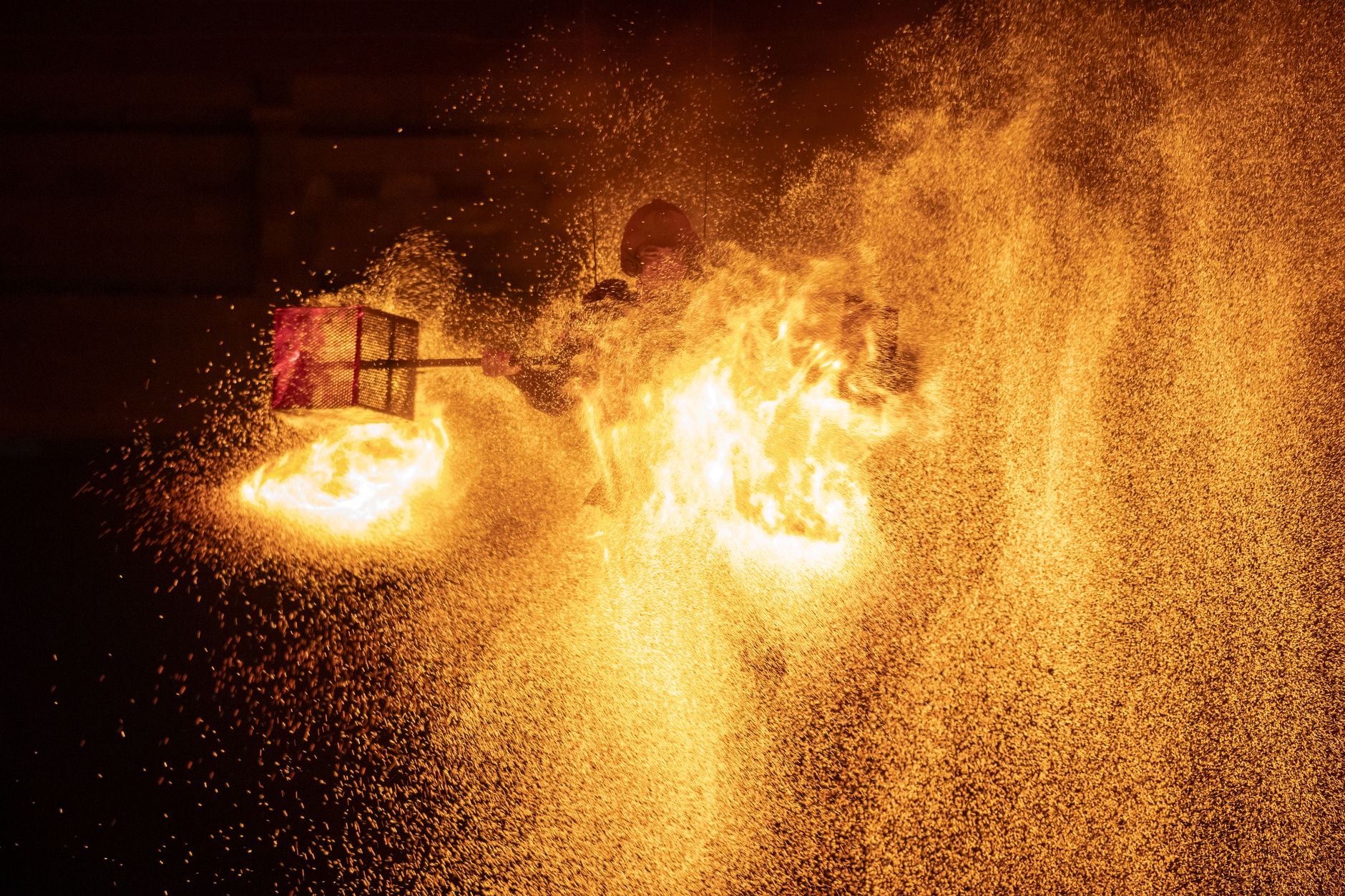
The humanitarian situation in Ukraine is dire, with many people in need of assistance. The international community has responded with a significant aid effort, but more needs to be done to address the scale and scope of the crisis. As the conflict continues, it is likely that the humanitarian situation will only continue to worsen, unless a peaceful resolution can be found.
- The conflict has resulted in the deaths of thousands of people, including civilians and combatants.
- Many more have been displaced by the fighting, with some forced to flee their homes and seek refuge in other parts of the country or abroad.
- The conflict has also had a significant impact on Ukraine’s economy, with damage to infrastructure and a decline in economic output.
In conclusion, the Russian strike on the Ukraine port and President Zelenskyy’s search for interceptors are just the latest developments in a conflict that has been ongoing for years. The situation remains highly volatile, with Ukraine strikes Russia amid war and a significant humanitarian impact. As the conflict continues to evolve, it is likely that the international community will remain engaged, and that diplomatic efforts will continue to be made to try to find a peaceful resolution.