
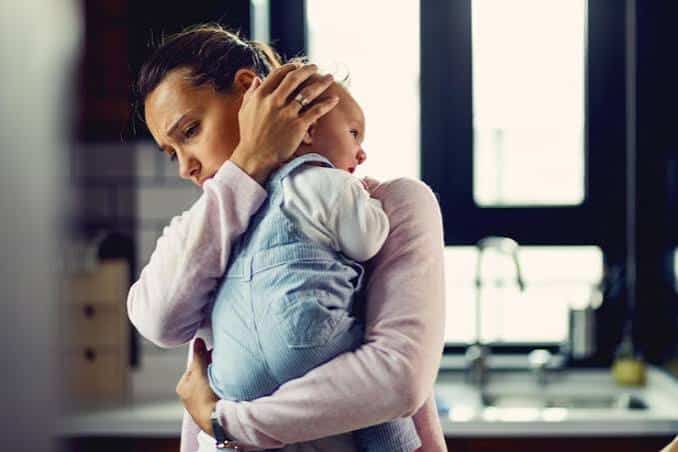
A tiny cry echoed through the quiet house while I slowly stood from the bed, surprised that my lower back seemed to hurt even more than it had during pregnancy.
Every diaper change, feeding, and cuddle was filled with love, yet those first weeks also taught me that healing after childbirth takes patience, kindness, and the willingness to ask for support when my body needed it most.
Disclaimer: This article is for educational purposes only and should not replace professional medical advice, diagnosis, or treatment. If your pain is severe, persistent, or accompanied by fever, numbness, weakness, or loss of bladder or bowel control, seek medical attention promptly.

Understanding Lower Back Pain After Childbirth
Bringing a baby into the world places incredible physical demands on the body. Even after delivery, muscles, joints, ligaments, and connective tissues continue adjusting as they recover from pregnancy and labor.
Lower back pain after childbirth is extremely common and often improves gradually over time. For many new parents, the discomfort comes from a combination of hormonal changes, muscle weakness, poor posture, sleep deprivation, and the repetitive tasks involved in caring for a newborn.
Is Lower Back Pain Normal After Giving Birth?
Experiencing some lower back discomfort during the postpartum period is considered normal for many people. Pregnancy changes the body’s center of gravity, stretches abdominal muscles, and increases stress on the lower spine.
Delivery itself can also contribute to soreness and muscle fatigue. Whether childbirth was vaginal or by cesarean section, the body needs time to heal and regain strength.
Why The Lower Back Hurts After Pregnancy
Several changes continue affecting the body even after the baby is born. Understanding these changes can make the recovery process feel less overwhelming.
Common reasons include:
- Relaxed ligaments from pregnancy hormones
- Weak abdominal muscles
- Pelvic floor weakness
- Muscle fatigue
- Poor lifting mechanics
- Frequent bending
- Sleep deprivation
- Carrying the baby for long periods
Pregnancy Hormones Continue To Affect The Body
Hormones such as relaxin help prepare the body for childbirth by loosening ligaments around the pelvis. These hormonal effects do not disappear immediately after delivery and may continue for several weeks or months.
Because joints remain more flexible during early recovery, muscles often work harder to provide stability. This increased workload can contribute to lower back discomfort during everyday activities.
Weak Core Muscles Play A Role
The abdominal muscles stretch significantly throughout pregnancy to accommodate a growing baby. After delivery, these muscles require time and appropriate rehabilitation to regain strength.
A weaker core means the lower back often compensates by working harder during movement. Gentle strengthening exercises approved by your healthcare provider may gradually improve stability.
Pelvic Floor Recovery
The pelvic floor supports the bladder, uterus, and bowel while also contributing to core stability. Pregnancy and childbirth place considerable stress on these muscles.
Pelvic floor weakness may indirectly affect posture and spinal support. Rehabilitation exercises often improve both pelvic health and lower back comfort over time.
Caring For A Newborn Can Be Physically Demanding
Looking after a newborn involves hundreds of small movements every day. Feeding, lifting, rocking, bathing, and carrying a baby repeatedly place strain on the back.
These repetitive activities may become more challenging when combined with sleep deprivation and muscle fatigue. Learning body-friendly movement habits can reduce unnecessary stress.
Poor Feeding Posture
Many parents unknowingly spend long periods leaning forward while feeding their baby. Remaining in this position repeatedly can increase tension throughout the neck, shoulders, and lower back.
Supporting your arms with pillows often reduces strain during feeding sessions. Sitting in a chair that supports your back may also improve comfort.
Lifting Your Baby Incorrectly
Babies may be small, but lifting them dozens of times each day adds up quickly. Repeated bending from the waist increases stress on the lower back.
Bending through the hips and knees while keeping your baby close to your body distributes weight more safely. Small technique adjustments often make a noticeable difference.
Sleep Deprivation Affects Recovery
Healing becomes more difficult when sleep is interrupted several times throughout the night. Fatigue can also affect posture, coordination, and muscle endurance.
Although uninterrupted sleep may not be possible with a newborn, resting whenever opportunities arise supports physical recovery. Accepting help from family or friends may provide valuable recovery time.
Cesarean Section Recovery And Back Pain
Recovery after a cesarean birth involves healing from major abdominal surgery in addition to pregnancy itself. Temporary changes in movement patterns may place additional strain on the lower back.
Many parents rely more heavily on their back muscles while protecting their abdominal incision. Gradually restoring core strength under professional guidance often improves overall comfort.
Vaginal Birth And Muscle Fatigue
Even uncomplicated vaginal deliveries place significant demands on muscles throughout the pelvis and lower back. Labor itself can involve hours of sustained muscular effort.
Muscle soreness usually improves gradually as tissues recover. Gentle movement often helps reduce stiffness while promoting circulation.
Diastasis Recti And Lower Back Pain
Diastasis recti refers to the separation of the abdominal muscles that commonly occurs during pregnancy. This condition may reduce core stability and contribute to lower back discomfort after childbirth.
Not everyone develops significant separation, and many cases improve naturally over time. Appropriate rehabilitation exercises may support recovery when recommended by a healthcare professional.
Muscle Soreness Vs Concerning Pain
Understanding normal recovery discomfort helps distinguish it from symptoms requiring medical attention. Although soreness is common, severe or unusual pain deserves evaluation.
| Typical Recovery Soreness | Symptoms That Need Medical Attention |
|---|---|
| Dull aching muscles | Severe or worsening pain |
| Gradual improvement | Fever with back pain |
| Mild stiffness | Loss of bladder or bowel control |
| Tender muscles | Significant numbness |
| Temporary fatigue | Progressive weakness |
| Improves with gentle movement | Pain after serious injury |
Everyday Activities That May Worsen Pain
Simple daily tasks often become surprisingly demanding after childbirth. Becoming aware of common triggers helps reduce unnecessary strain.
Activities that may aggravate symptoms include:
- Standing while holding the baby for long periods
- Repeated bending over the crib
- Carrying heavy diaper bags
- Poor breastfeeding posture
- Lifting infant car seats awkwardly
- Prolonged sitting
- Climbing stairs repeatedly
- Returning to strenuous exercise too quickly
Gentle Movement Can Support Healing
Complete bed rest is rarely recommended for routine postpartum back pain unless specifically advised by your healthcare provider. Gentle movement usually promotes circulation while reducing stiffness.
Walking at a comfortable pace is often one of the safest ways to begin rebuilding endurance. Starting slowly allows your body to recover without becoming overwhelmed.
The Importance Of Proper Body Mechanics
Learning safer movement habits protects healing muscles and joints throughout the postpartum period. Good body mechanics reduce repetitive stress during everyday childcare.
Keeping your baby close while lifting minimizes strain on the spine. Avoiding sudden twisting motions may also help reduce discomfort.
When To Start Exercise Again
Returning to exercise should happen gradually and only after receiving appropriate medical clearance. Every postpartum recovery is different, and timelines vary depending on individual circumstances.
Gentle rehabilitation often begins with breathing exercises, walking, and pelvic floor activation. Higher-impact activities usually return much later after strength has improved.
Simple Stretches That May Help
Gentle stretching can improve flexibility and reduce muscle tightness when performed comfortably. Every stretch should remain pain-free and should never be forced beyond your body’s limits.
Consider trying:
- Cat-cow stretch
- Pelvic tilts
- Child’s pose
- Knee-to-chest stretch
- Seated hamstring stretch
- Hip flexor stretch
- Gentle trunk rotations
- Diaphragmatic breathing
Core Exercises For Early Recovery
Rebuilding core strength takes patience after childbirth. Starting with simple activation exercises often creates a safer foundation before progressing to more demanding workouts.
| Exercise | Primary Benefit |
|---|---|
| Diaphragmatic breathing | Core activation |
| Pelvic tilts | Gentle spinal mobility |
| Heel slides | Core stability |
| Marching | Pelvic control |
| Glute bridges | Hip strength |
| Bird dog (modified) | Back stability |
| Side-lying leg lifts | Hip support |
| Pelvic floor contractions | Deep core support |
Heat Or Ice?
Both heat and ice may provide temporary relief depending on the type of discomfort you experience. Choosing the option that feels most comfortable often works best for mild postpartum soreness.
Ice may help during the first day or two if inflammation is present. Heat is often preferred later to relax tight muscles and reduce stiffness.
The Importance Of Good Posture
Posture becomes especially important during the postpartum period because feeding, rocking, and carrying a baby require long periods in similar positions. Small adjustments can significantly reduce strain throughout the day.
Keeping your shoulders relaxed while maintaining a neutral spine helps distribute pressure more evenly. Changing positions regularly also prevents muscles from becoming overly fatigued.
Safe Ways To Lift Your Baby
Lifting your baby correctly protects both your healing body and your growing child. Good lifting habits quickly become second nature with regular practice.
Remember to:
- Bend through your knees.
- Keep your back straight.
- Hold your baby close.
- Avoid twisting while lifting.
- Engage your core gently.
- Move slowly.
- Ask for help with heavier items.
- Lower your baby with control.
Nutrition Supports Healing
Your body requires adequate nutrients to repair tissues after pregnancy and childbirth. Eating balanced meals supports recovery while helping maintain energy during the demanding newborn period.
Protein helps repair muscles, while fruits and vegetables provide important vitamins and minerals. Staying hydrated also supports overall healing and may be particularly important for breastfeeding parents.
Don’t Forget Your Mental Health
Physical recovery and emotional well-being often influence one another during the postpartum period. Stress, anxiety, and exhaustion can increase muscle tension and make pain feel more intense.
Talking openly with loved ones or healthcare professionals may provide valuable support. Caring for your emotional health is just as important as caring for your physical recovery.
When To Contact Your Healthcare Provider
Although postpartum back pain is common, certain symptoms require medical evaluation. Early assessment helps identify conditions that may need prompt treatment.
Seek medical advice if you notice:
- Severe or worsening back pain
- Fever or chills
- Redness or swelling around the spine
- Pain radiating down one or both legs
- Persistent numbness or tingling
- Significant muscle weakness
- Difficulty controlling your bladder or bowels
- Pain that does not improve after several weeks
Returning To Exercise Safely
Many parents feel eager to return to their previous fitness routine, but rushing the process may increase discomfort or delay healing. A gradual approach allows muscles and connective tissues to adapt safely.
Walking, gentle stretching, and basic core rehabilitation usually come before higher-impact activities. Your healthcare provider or physical therapist can help determine when you are ready for more challenging exercise.
Preventing Future Back Pain
Long-term prevention often depends on building strength while maintaining healthy movement habits. Consistency matters far more than doing intense workouts occasionally.
Focus on strengthening your core, improving posture, practicing proper lifting techniques, and taking regular movement breaks throughout the day. Small daily habits often create the greatest improvements over time.
Creating A Comfortable Home Environment
Your home setup can either support recovery or contribute to unnecessary strain. Organizing frequently used baby supplies within easy reach reduces repeated bending and awkward movements.
Choose supportive seating whenever possible and use pillows to improve feeding posture. Simple adjustments around your home may make everyday tasks noticeably more comfortable.
Accepting Help Is Part Of Healing
Many new parents feel pressure to handle everything themselves, but recovery is rarely meant to happen alone. Accepting assistance allows your body to rest while focusing on healing and caring for your baby.
Family members and friends can often help with meals, household chores, grocery shopping, or holding the baby while you take a short break. These moments of support may contribute more to recovery than many people realize.
Recovery Takes Time
Healing after childbirth does not happen overnight, even when everything goes according to plan. Every person’s timeline is different, and comparing yourself with others may only create unnecessary frustration.
Celebrate small improvements instead of expecting immediate results. Gradual progress often leads to stronger, healthier recovery in the months ahead.
Frequently Asked Questions
How Long Does Lower Back Pain Last After Childbirth?
For many people, mild postpartum back pain improves over several weeks as muscles regain strength and hormones gradually return to normal. Some individuals may require several months of rehabilitation depending on pregnancy, delivery, and overall health.
Can Breastfeeding Cause Back Pain?
Breastfeeding itself does not directly cause back pain, but poor feeding posture can contribute to muscle tension. Supporting your arms and back with pillows may improve comfort during longer feeding sessions.
Is Walking Good For Postpartum Lower Back Pain?
Yes. Gentle walking is often one of the safest forms of exercise during early recovery because it promotes circulation, improves mobility, and gradually rebuilds endurance without placing excessive stress on healing tissues.
Should I Wear A Postpartum Support Belt?
Some parents find temporary comfort using a postpartum support belt, especially during daily activities. It should complement gentle strengthening and proper movement rather than replace rehabilitation exercises.
When Should I See A Physical Therapist?
If back pain persists, limits daily activities, or is associated with pelvic floor concerns, abdominal separation, or movement difficulties, a physical therapist with experience in postpartum care may provide individualized guidance.
Final Thoughts
Lower back pain after childbirth is a common part of recovery, but it should never be accepted as something you simply have to live with forever. By giving your body time to heal, practicing gentle movement, improving posture, rebuilding core strength gradually, and seeking professional guidance when needed, you can support a safer recovery while enjoying more comfortable moments with your growing family.