
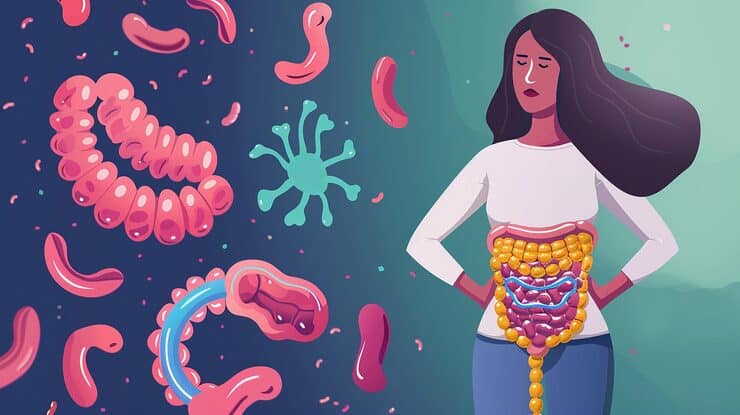
One afternoon, a simple lunch that had never caused problems before left me feeling bloated, tired, and strangely uncomfortable for the rest of the day.
That moment became the beginning of paying closer attention to the quiet signals my body had been sending for months instead of brushing them aside as stress or bad luck. Looking back, those little changes were not random at all.
They were gentle reminders that something deeper needed care, and learning about the gut microbiome helped many of those confusing pieces finally make sense.
Disclaimer: This article is for educational purposes only and should not replace advice from your healthcare provider.

What Is the Gut Microbiome?
The gut microbiome is a community of trillions of bacteria, fungi, and other tiny microorganisms that naturally live inside your digestive system. Although they are invisible, they work around the clock to support digestion, immunity, metabolism, and many other important functions.
Not all bacteria are harmful, and many of them are actually essential for good health. When these helpful microbes stay balanced, they quietly support your body in ways you may never notice until that balance begins to change.
What Happens When the Gut Microbiome Becomes Unbalanced?
An unhealthy gut microbiome happens when beneficial bacteria decrease while less helpful microbes begin to grow in greater numbers. This imbalance is often called dysbiosis, and it can affect much more than your stomach.
The body works like an orchestra, and every section depends on the others playing together in harmony. When one instrument falls out of tune, the entire performance begins to sound different, even if you cannot immediately identify the source.
Why Gut Health Matters More Than Most People Realize
Many people think digestion begins and ends with the stomach, but the gut influences far more than how food is processed. It communicates with the immune system, produces important compounds, and even sends messages to the brain.
A balanced microbiome helps your body absorb nutrients efficiently while supporting natural defenses against harmful organisms. When that balance shifts, seemingly unrelated symptoms may begin appearing throughout the body.
Common Causes of Gut Microbiome Imbalance
Daily habits often shape the health of the gut more than people realize. Small choices repeated over time can gradually strengthen or weaken your microbiome.
Some common contributors include:
- Frequent antibiotic use
- Highly processed foods
- Diets low in fiber
- Chronic stress
- Poor sleep quality
- Excess sugar intake
- Heavy alcohol consumption
- Limited physical activity
- Certain medications
- Ongoing digestive illnesses
None of these automatically guarantee an unhealthy microbiome. Instead, they simply increase the likelihood that the natural balance may gradually shift.
Signs Your Gut Microbiome May Be Out of Balance
Frequent Bloating
Persistent bloating can make your abdomen feel tight, swollen, or uncomfortable after eating. Sometimes even small meals leave you feeling much fuller than expected.
Occasional bloating happens to nearly everyone, but frequent episodes deserve attention. Your gut may be struggling to process certain foods efficiently because the bacterial balance has changed.
Digestive Upset That Comes and Goes
Constipation, diarrhea, or constantly alternating between both may suggest your digestive system is under stress. These symptoms often appear without an obvious explanation and may continue for weeks.
The gut prefers consistency, much like a garden prefers regular care instead of constant disruption. When healthy bacteria become less diverse, normal digestion can become unpredictable.
Food Suddenly Feels Different
Foods you once enjoyed may suddenly leave you uncomfortable. Dairy, beans, onions, garlic, or certain vegetables might trigger bloating or gas even if they never did before.
That does not necessarily mean those foods are unhealthy for you forever. Sometimes the gut simply needs support before it can comfortably handle them again.
Constant Gas
Passing gas is completely normal because digestion naturally produces it. Excessive gas, especially when accompanied by discomfort, may suggest changes in how bacteria are breaking down food.
Healthy bacteria help fermentation happen efficiently without producing overwhelming amounts of gas. An imbalance may cause that process to become much less comfortable.
Feeling Tired Despite Sleeping Enough
Many people assume fatigue only comes from poor sleep or busy schedules. Sometimes the gut quietly plays a role by affecting nutrient absorption and overall body function.
Energy can feel like trying to charge a phone with a damaged cable. The battery may never quite reach full strength even after hours connected to the charger.
Brain Fog
Concentration suddenly becomes difficult, and simple tasks seem to require far more effort than usual. Words may disappear halfway through conversations or thoughts become frustratingly scattered.
The gut and brain constantly communicate through what researchers often call the gut-brain connection. Changes in one system can sometimes influence how the other performs.
Mood Changes
Feeling more anxious, irritable, or emotionally drained without an obvious reason can sometimes accompany digestive problems. Emotional health and gut health often influence one another more than many people realize.
That does not mean every bad day starts in the digestive tract. It simply reminds us that our bodies are deeply connected rather than working as separate parts.
Skin Problems
Unexpected acne, eczema flare-ups, or persistent skin irritation occasionally appear alongside digestive concerns. The skin often reflects what is happening beneath the surface.
Your skin can become a messenger long before other symptoms feel impossible to ignore. Listening to those quiet messages may help you notice patterns earlier.
Frequent Sugar Cravings
Strong cravings for sweets throughout the day may sometimes be linked with changes in gut bacteria. Certain microbes appear to influence appetite and food preferences.
That craving is not a sign of weak willpower. Your body may simply be asking for balance in a language that feels confusing.
Bad Breath
Persistent bad breath that continues despite brushing and flossing may occasionally begin in the digestive system. Changes in gut bacteria can contribute to unpleasant odors.
Dental hygiene remains extremely important, but healthy digestion also supports fresher breath. Sometimes solving the problem requires looking beyond the toothbrush.
Getting Sick More Often
A large portion of your immune system works closely with the digestive tract. When the microbiome becomes less balanced, immune function may not work as efficiently.
Catching every cold that passes through the office does not automatically point to gut issues. Still, repeated illnesses may be worth discussing with your healthcare provider alongside other symptoms.
Unexplained Weight Changes
Weight may gradually increase or decrease even though eating habits remain relatively similar. Multiple factors affect body weight, and gut bacteria are one possible piece of that puzzle.
This is never about blame or personal failure. The body is far more complex than calories alone, and the microbiome may influence how energy is used.
Symptoms at a Glance
| Possible Sign | What You May Notice |
|---|---|
| Bloating | Tight, swollen abdomen after meals |
| Gas | Frequent or uncomfortable gas |
| Constipation | Fewer bowel movements |
| Diarrhea | Loose stools or urgency |
| Brain Fog | Difficulty concentrating |
| Fatigue | Low energy throughout the day |
| Mood Changes | Anxiety or irritability |
| Skin Issues | Acne, eczema, irritation |
| Sugar Cravings | Constant desire for sweets |
| Bad Breath | Ongoing unpleasant breath |
| Frequent Illness | Repeated infections |
| Weight Changes | Unexplained gain or loss |
Simple Ways to Support a Healthier Gut
Improving gut health rarely requires perfection. Small, consistent habits usually make a much bigger difference than dramatic changes that are difficult to maintain.
Helpful habits include:
- Eat more colorful fruits and vegetables.
- Increase fiber gradually.
- Drink enough water each day.
- Include fermented foods if they agree with you.
- Reduce heavily processed foods.
- Manage stress through relaxing activities.
- Prioritize quality sleep.
- Stay physically active.
- Avoid unnecessary antibiotics.
- Eat meals at regular times when possible.
Think of your gut like tending a garden instead of fixing a broken machine. Healthy plants usually grow through steady care rather than overnight miracles.
Foods That Naturally Support the Gut Microbiome
Many everyday foods help nourish beneficial bacteria because they provide fiber and natural plant compounds. Variety is often just as important as quantity.
| Food | How It Helps |
|---|---|
| Yogurt | Provides beneficial bacteria |
| Kefir | Supports microbial diversity |
| Oats | Rich in soluble fiber |
| Apples | Contain prebiotic fiber |
| Bananas | Feed healthy bacteria |
| Garlic | Natural prebiotic |
| Onions | Support beneficial microbes |
| Beans | High in fiber |
| Lentils | Promote digestive health |
| Sauerkraut | Contains probiotics |
| Kimchi | Fermented and flavorful |
| Leafy Greens | Support overall gut health |
Habits That Can Quietly Harm Your Gut
Modern life often makes unhealthy habits feel completely normal. Unfortunately, the microbiome notices those patterns long before obvious symptoms appear.
Try limiting habits such as:
- Skipping meals regularly
- Constant late-night snacking
- High sugar intake
- Excess alcohol
- Smoking
- Chronic stress
- Sleeping too little
- Eating very little fiber
- Relying heavily on ultra-processed foods
None of these habits define your health forever. Every healthier choice is like planting another seed in your gut’s little ecosystem.
When to Speak With Your Healthcare Provider
Digestive symptoms that continue for several weeks deserve professional evaluation. Persistent pain, blood in the stool, unexplained weight loss, severe diarrhea, or ongoing vomiting should never be ignored.
Seeking medical advice is not overreacting. Listening to your body early often makes finding answers much easier than waiting until symptoms become overwhelming.
Gentle Everyday Habits That Help Your Gut
Building a healthier microbiome often comes from ordinary routines repeated consistently. Tiny improvements may seem insignificant today but can become meaningful months later.
Consider creating a daily routine like this:
| Time of Day | Healthy Habit |
|---|---|
| Morning | Drink water before coffee |
| Breakfast | Include fiber-rich foods |
| Lunch | Add colorful vegetables |
| Afternoon | Take a short walk |
| Dinner | Eat slowly and mindfully |
| Evening | Reduce stress before bed |
| Night | Aim for consistent sleep |
These habits are not about chasing perfection. They simply create an environment where healthy bacteria have a better chance to thrive.
Frequently Asked Questions
Can gut microbiome imbalance cause fatigue?
Yes, it may contribute to fatigue by affecting nutrient absorption, inflammation, and communication between the gut and the rest of the body. Fatigue usually has multiple possible causes, so it is important to discuss persistent exhaustion with a healthcare provider.
How long does it take to improve gut health?
Some people notice changes within a few weeks, while others need several months of consistent healthy habits. Progress often depends on diet, medications, stress levels, and underlying medical conditions.
Should everyone take probiotics?
Not necessarily. Some people benefit from probiotics, while others may not notice much difference, so it is best to ask your healthcare provider if they are appropriate for your situation.
Can stress affect gut bacteria?
Yes, chronic stress may influence the balance of beneficial bacteria and contribute to digestive symptoms. Finding healthy ways to relax can support both your mind and your gut.
Are fermented foods always helpful?
Many people tolerate fermented foods well, but they are not suitable for everyone. Start with small amounts and pay attention to how your body responds.
Does sugar affect the gut microbiome?
A diet very high in added sugar may encourage an unhealthy balance of gut bacteria over time. Choosing whole foods more often can help support microbial diversity.
Can gut problems affect the skin?
They sometimes can because digestive health, inflammation, and immune function are closely connected. Skin concerns usually have multiple contributing factors, so they should be evaluated individually.
Can fibromyalgia and gut problems happen together?
Many people with fibromyalgia also report digestive symptoms such as bloating or irritable bowel syndrome. While the relationship is still being studied, caring for gut health may support overall well-being for some individuals.
A Gentle Reminder to Listen to Your Body
Bodies rarely change overnight, and they usually whisper long before they begin shouting for attention. Looking back, the small digestive changes that once seemed easy to dismiss became valuable reminders that every part of the body deserves kindness, patience, and care.
Healing is not about becoming perfect or following every health trend that appears online. It is about learning to notice what helps you feel stronger, giving yourself grace on difficult days, and remembering that even the smallest healthy choice can become a meaningful step toward feeling better.