
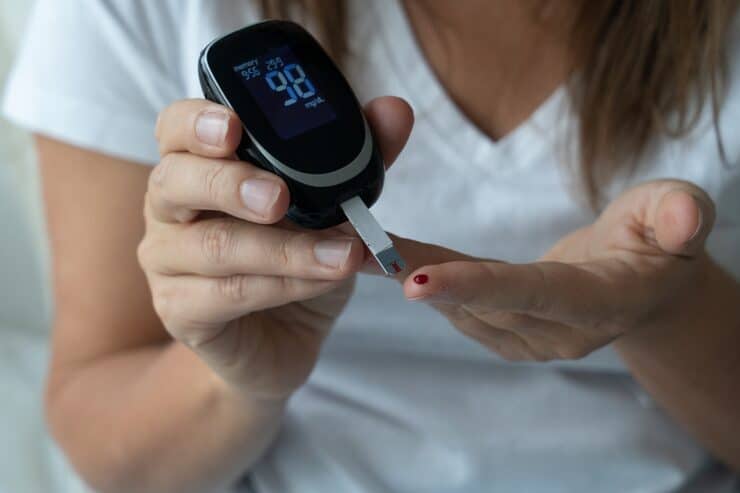
High blood sugar can feel quiet at first, almost sneaky, like the body is trying to tell you something in a whisper before it starts shouting.
The mouth gets dry, the energy drops, the head feels foggy, and even simple things can start to feel unusually hard.
When blood sugar stays too high, the whole body can feel off in a way that is hard to ignore once you know what to look for. This is not about panic.
It is about paying attention early, before a small warning turns into a much bigger problem.
Disclaimer: This article is for general information only and is not a substitute for medical advice, diagnosis, or treatment.

What High Blood Sugar Really Feels Like
High blood sugar, also called hyperglycemia, can show up in different ways depending on the person, the cause, and how high the glucose is.
Some people notice the signs fast. Others feel “not quite right” for hours or even days before realizing what is happening.
The tricky part is that the body does not always send one dramatic warning. Often, it sends a cluster of small clues.
One symptom by itself may not mean much. A few symptoms together, especially if they keep happening, deserve attention.
Commonly, high blood sugar can affect:
- Energy
- Thirst
- Urination
- Vision
- Focus
- Mood
- Hunger
- Skin healing
If the body feels unusually dry, tired, shaky in a strange way, or mentally slow, blood sugar may be part of the picture.
Early Signs Your Blood Sugar May Be Too High Right Now
Excessive Thirst
One of the most common signs is feeling thirsty all the time. Not normal thirst. Not “I need a sip of water.” More like the body cannot seem to get enough.
Why it happens: when blood sugar is high, the body tries to flush out extra glucose through urine. That pulls more fluid out of the body, which leaves you dehydrated and thirsty.
What it may feel like:
- Dry mouth
- Constantly reaching for water
- Thirst that comes back quickly after drinking
- Feeling parched even after fluids
When thirst feels intense and unrelenting, it is worth taking seriously.
Frequent Urination
High blood sugar often makes the kidneys work overtime. Extra sugar in the blood gets pushed out through urine, and that means more trips to the bathroom.
What to notice:
- Waking up at night to urinate
- Going more often than usual
- Large amounts of urine each time
- Needing to pee even when you have not had much to drink
Frequent urination and excessive thirst often show up together. That pair is one of the strongest clues.
Dry Mouth
Dry mouth can happen because the body is losing too much fluid. Sometimes it feels like cotton in the mouth. Sometimes the tongue feels sticky, and swallowing feels odd.
Signs may include:
- Sticky saliva
- Cracked lips
- Bad breath
- Trouble talking comfortably
- A mouth that feels dry even after drinking
Dry mouth can also raise the risk of mouth irritation and dental issues if it keeps happening.
Blurry Vision
High blood sugar can pull fluid in and out of the eye’s lens, which can temporarily affect vision. The result can be blur, strain, or a hard-to-focus feeling.
This may look like:
- Words on a screen suddenly seeming fuzzy
- Trouble reading small print
- Vision that changes during the day
- Needing to squint more than usual
Blurry vision from blood sugar can come and go. Even if it improves later, it should not be ignored.
Fatigue That Feels Bigger Than Usual
Tiredness is one of the most frustrating signs because it can feel so general. High blood sugar can make the body feel drained, sluggish, and heavy, even after resting.
What it may feel like:
- Heavy eyelids
- Weakness
- Low stamina
- Feeling worn out after simple tasks
- Wanting to lie down for no obvious reason
When the body has trouble using glucose properly, energy can drop fast. That kind of fatigue is not the same as ordinary sleepiness.
Headache
A headache can show up when blood sugar is too high, especially if dehydration is also present.
It may feel like:
- Pressure in the head
- A dull, nagging ache
- Trouble concentrating because of head discomfort
- Head pain that gets worse with thirst or fatigue
Headaches have many causes, so this symptom alone does not confirm anything. But in combination with thirst, urination, or blurry vision, it becomes more meaningful.
Brain Fog
This is the symptom that makes a person feel mentally slowed down. Thinking gets harder. Words feel harder to find. Focus slips away.
Brain fog may look like:
- Trouble following conversations
- Forgetting simple things
- Reading the same line twice
- Feeling mentally “hazy”
- Difficulty making decisions
High blood sugar can make the brain feel sluggish, like the mind is running through thick mud.
Increased Hunger
Sometimes the body sends mixed signals. Blood sugar is high, but cells are not getting the glucose they need properly, so hunger can still rise.
You may notice:
- Feeling hungry soon after eating
- Craving carbs or sweets
- A “never satisfied” feeling
- Eating more but still feeling off
This can be confusing, because it feels like the body should have enough fuel already. The problem is not always lack of sugar in the blood. The problem is often how the body is using it.

Nausea
High blood sugar can upset the stomach and make a person feel queasy. This may happen more when the blood sugar is very high or when dehydration is building.
Possible signs:
- Upset stomach
- Nausea after eating
- Feeling like you may vomit
- Loss of appetite
Nausea should never be brushed aside if it is paired with other serious symptoms.
Irritability Or Mood Changes
Blood sugar swings can affect mood. A person may feel unusually edgy, emotional, impatient, or wiped out mentally.
This may look like:
- Snapping more easily
- Feeling anxious without a clear reason
- Being unusually frustrated
- Feeling “not like yourself”
Mood changes can happen for many reasons, but unstable glucose can absolutely be part of the story.
Signs That High Blood Sugar May Be Getting Worse
Some symptoms suggest the body may be struggling more seriously. These signs should not be ignored.
Fruity-Smelling Breath
A sweet or fruity smell on the breath can be a warning sign of a dangerous blood sugar problem, especially if it comes with nausea, vomiting, or confusion.
Vomiting
Vomiting plus high blood sugar can point to a more serious emergency. It means the body may be under major stress.
Rapid Breathing
Breathing that becomes deep, fast, or unusual is not something to wait on.
Confusion
Confusion is a red flag. Not just forgetfulness, but trouble thinking clearly, acting normally, or staying oriented.
Severe Weakness
When weakness becomes intense, standing, walking, or thinking clearly can become difficult.
Dehydration
Signs of dehydration may include:
- Very dry mouth
- Dark urine
- Dizziness
- Fast heartbeat
- Weakness
These symptoms can build quickly and make the situation more urgent.
Quick Symptom Check Table
| Symptom | What It May Feel Like | Why It Matters |
|---|---|---|
| Excessive thirst | Can’t get enough water | Body may be losing too much fluid |
| Frequent urination | Bathroom trips keep increasing | Kidneys may be trying to flush out sugar |
| Dry mouth | Sticky, parched mouth | Common sign of dehydration |
| Blurry vision | Hard to focus clearly | Blood sugar may be affecting the eyes |
| Fatigue | Heavy, drained, wiped out | Cells may not be using glucose well |
| Headache | Pressure or dull ache | Often linked with dehydration |
| Brain fog | Slow thinking, poor focus | Blood sugar can affect the brain |
| Increased hunger | Hungry soon after eating | Glucose may not be being used properly |
| Nausea | Sick to the stomach | Can signal worsening imbalance |
| Irritability | Snappy, anxious, moody | Blood sugar swings can affect mood |
What To Do Right Now If You Suspect High Blood Sugar
The goal is not to guess endlessly. The goal is to check, respond, and know when to get help.
Check Your Blood Sugar If You Can
If you have a meter or continuous glucose monitor, check your level right away. That gives the body’s symptoms a number to match.
Drink Water
Dehydration can make the situation worse. Plain water is usually the safest first step unless a clinician has told you otherwise.
Avoid Sugary Drinks
Soda, juice, sweet coffee drinks, and energy drinks can push blood sugar higher.
Rest, But Do Not Ignore Severe Symptoms
Resting can help if the issue is mild. But rest is not a substitute for treatment if the symptoms are serious.
Follow Your Care Plan
If a doctor has given you a plan for high readings, follow it exactly. That may include insulin, medication, or a specific action plan.
Recheck As Directed
Blood sugar can change quickly. Rechecking matters, especially if symptoms continue.
When High Blood Sugar Needs Urgent Help
Some situations call for immediate medical care.
Seek urgent help right away if high blood sugar comes with:
- Confusion
- Trouble breathing
- Vomiting
- Severe weakness
- Fruity-smelling breath
- Severe drowsiness
- Inability to keep fluids down
- Very high readings that do not come down
- Signs of dehydration that are worsening
In diabetes, a severe rise in blood sugar can become an emergency. It is always better to err on the side of caution.
Common Reasons Blood Sugar Goes Too High
Knowing the triggers can help prevent repeat episodes.
Possible causes include:
- Skipping diabetes medication
- Eating more carbohydrates than usual
- Illness or infection
- Stress
- Not drinking enough water
- Certain medications
- Lack of physical activity
- Poor sleep
- Hormonal changes
Sometimes the reason is obvious. Sometimes it is not. That is why patterns matter.
High Blood Sugar Can Sneak Up On You
This is the part many people underestimate. High glucose does not always feel dramatic at the start. It can look like ordinary tiredness, a busy day, or a mild headache.
Then the symptoms stack up.
- A dry mouth becomes intense thirst
- Thirst leads to more urination
- More urination leads to dehydration
- Dehydration brings headache and fogginess
- Fogginess makes it harder to notice what is happening
That spiral can be subtle until it is not.
How High Blood Sugar Differs From Low Blood Sugar
These two get confused a lot, but they are not the same.
High blood sugar often causes:
- Thirst
- Frequent urination
- Blurry vision
- Fatigue
- Dry mouth
- Brain fog
Low blood sugar often causes:
- Shakiness
- Sweating
- Dizziness
- Fast heartbeat
- Sudden hunger
- Confusion
- Weakness
Both can be dangerous. The only reliable way to know is to check if possible.
Who Should Pay Extra Attention
Anyone can experience high blood sugar, but some people need to be extra alert.
That includes people who:
- Have diabetes
- Are newly diagnosed
- Take insulin or glucose-lowering medication
- Have had high readings before
- Are sick or under major stress
- Notice repeated thirst and urination
- Have blurry vision without another clear reason
If these symptoms keep showing up, they should be discussed with a healthcare professional.
What To Track So You Can Spot A Pattern
Patterns make the puzzle easier to solve.
Track:
- Time of day symptoms happen
- What you ate
- Medications taken
- Activity level
- Stress level
- Sleep quality
- Blood sugar readings
- How long symptoms last
A few days of notes can reveal a lot. Sometimes the answer is in the pattern, not the single reading.
Everyday Habits That Can Help Prevent Spikes
This is not about perfection. It is about stability.
Helpful habits may include:
- Eating balanced meals
- Pairing carbohydrates with protein or fiber
- Staying hydrated
- Moving after meals when possible
- Taking medication as prescribed
- Managing stress
- Getting enough sleep
- Watching portion size
- Checking glucose regularly if advised
Small habits repeated often can make blood sugar more manageable.
FAQs
Can High Blood Sugar Cause No Symptoms?
Yes. Some people have very high blood sugar and feel only slightly off, or nothing obvious at all. That is one reason regular monitoring matters.
Can Stress Raise Blood Sugar?
Yes. Stress can raise blood sugar in many people, especially if it is ongoing.
Can High Blood Sugar Make You Sleepy?
Yes. Fatigue and sleepiness are common signs.
Can Dehydration Make Blood Sugar Worse?
Yes. Dehydration can concentrate glucose in the blood and make symptoms feel worse.
Is Blurry Vision From High Blood Sugar Permanent?
Not always. It can be temporary, especially if the blood sugar is brought under control. Still, vision changes should be checked.
When Should Someone Go To The Emergency Room?
Emergency care is needed for severe symptoms such as vomiting, confusion, trouble breathing, fruity breath, severe weakness, or readings that stay very high and do not improve.
Final Thoughts
High blood sugar does not always arrive with a loud warning. Sometimes it begins with thirst that keeps coming back, a body that feels dry, a mind that feels slow, and a kind of exhaustion that does not make sense at first. That is why the early signs matter so much. They are the body’s quiet alarm system.
Pay attention to the pattern. Do not dismiss repeated symptoms. And do not wait until the body is shouting before taking action. The sooner high blood sugar is recognized, the sooner it can be addressed with less stress and less risk.
If this topic matters to you, keeping a simple symptom log today may save a lot of confusion later.