
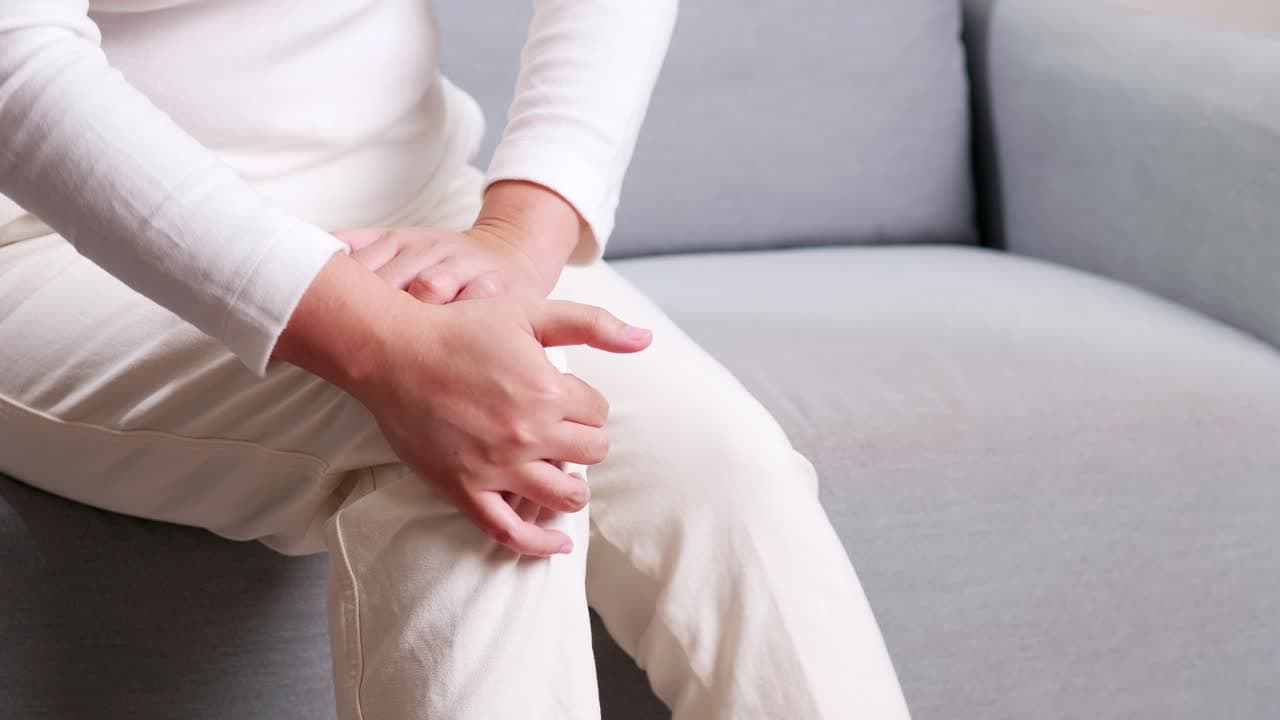
There was a folded paper on the kitchen counter with a single line written in shaky handwriting: “This is not normal — but it is happening.” That note came on a day when limbs felt like borrowed things, when sleeves filled with a gentle, persistent pressure that didn’t match any bruise or injury.
The discomfort was small and quiet at first — then loud enough to pull attention away from work, from sleep, from the small rituals that usually held the day together.
Learning which kinds of swelling are “just fibro” and which are flags for something else has been a patient, emotional work of listening to the body and learning to speak clearly about it.
Disclaimer: This article is for education and support, not medical diagnosis. If you notice sudden, severe, or unexplained swelling, or symptoms like chest pain, shortness of breath, fever, or redness and warmth over a swollen area — seek immediate medical care.

Why This Matters
Swelling (edema or the feeling of swelling) shows up in many ways for people with fibromyalgia. Sometimes it’s fluid, sometimes it’s a sensation without visible puffiness, and sometimes it’s the result of medication, another condition, or a preventable complication.
Knowing the patterns — what they feel like, why they happen, and when to seek help — gives you back a measure of safety and agency.
Below are swelling patterns I’ve learned to watch for, each with plain explanations, quick red flags, and simple strategies that actually help when used early.
Quick Reference Table: Swelling Patterns At A Glance
| # | Pattern | How It Looks/Feels | Common Triggers | When To Seek Help |
|---|---|---|---|---|
| 1 | Localized Hand And Finger Puffiness | Rings tight, fingers look puffy | Weather changes, carpal tunnel, meds | Rapid asymmetry, severe pain, discoloration |
| 2 | Puffy Face / Periorbital Puffiness | Tired, swollen eyelids, puffy cheeks | Poor sleep, salt, steroid meds | Vision changes, eye pain |
| 3 | Ankle And Foot Edema | Shoes feel tight, with visible swelling around the ankles | Standing long, salt, venous insufficiency | One-sided swelling, warmth/redness |
| 4 | Unilateral Leg Swelling | One leg is noticeably bigger | DVT risk, injury | Sudden onset, pain, warmth — immediate care |
| 5 | Core / Abdominal Bloating | Tight trousers, fullness, fluid feeling | IBS, pelvic congestion, meds | Severe pain, fever, persistent vomiting |
| 6 | Joint Swelling (Knees, Wrists) | Joints look puffed, ache with motion | Overuse, arthritis overlap | Hot, red joint; high fever |
| 7 | Lymphatic-Like Puffiness (Lymphedema) | Limb feels heavy, skin tight | Surgery, injury, chronic inflammation | Rapid worsening, infection signs |
| 8 | Facial Soft-Tissue Swelling (Allergic) | Itchy, hives, lips or tongue swell | Allergens, meds | Airway compromise — emergency |
| 9 | Diffuse “Whole-Body” Puffy Feeling | Clothes feel tighter evenly | Corticosteroids, fluid retention | Rapid change, breathing problems |
| 10 | Localized Muscle-Associated Swelling | Bulges near muscles, localized warmth | Overuse, strain, inflammatory flare | Fever, spreading redness |
| 11 | Scalp Or Forehead Puffiness | Helmet-like tightness, hairline pressure | Migraine meds, sleep issues | Severe headache with vision changes |
| 12 | Tongue / Oral Puffiness | Numbness, lisp, swollen tongue | Allergic reactions, ACE inhibitors | Difficulty breathing/speaking — call emergency |
| 13 | Chest Wall Or Breast Puffiness | Tightness under clothing | Hormonal changes, costochondritis | Chest pain, breathlessness — urgent |
| 14 | Intermittent “Fluid Shift” Swelling | Swelling that moves through the day | Postural changes, autonomic dysfunction | Unpredictable rapid swelling; dizziness |
Localized Hand And Finger Puffiness
What It Feels Like
Fingers that once slipped easily off a ring now pause at the knuckle. Sleeves feel snug. The joints may feel stiff in the morning and more flexible by evening, or the opposite.
Why It Happens
Hands and fingers are sensitive to small changes in fluid balance, temperature, and activity. In fibro, autonomic dysregulation, inflammatory overlap, and medications (such as certain antidepressants or steroids) can contribute. Repetitive strain or carpal tunnel can cause local swelling that feels like fluid but is really soft-tissue inflammation.
What It Really Means
If swelling is mild, symmetrical, and closely tied to weather, activity, or medication changes — it’s often manageable with conservative care. But sudden, one-sided swelling, severe pain, or numbness/tingling beyond your usual pattern needs immediate evaluation.
What Helps (Practical Tools)
- Remove rings at night; keep them in a safe place with a reminder.
- Gentle compression gloves for daytime tasks.
- Micro-breaks during repetitive tasks: the 20/40 rule — 20 seconds of movement every 40 minutes of repetitive hand use.
- Track new medications and their start dates; talk to your clinician about alternatives if swelling begins after a med change.
Puffy Face / Periorbital Puffiness
What It Feels Like
A morning face you don’t recognize — eyelids heavy, eyelid creases softened, cheeks fuller. It may feel tender or simply strange, like the face is quieter than usual.
Why It Happens
Sleep quality, salt intake, hormonal shifts, and steroid medications are frequent culprits. Lymphatic drainage is also part of the picture: the tissues around the eyes are thin and show fluid shifts quickly.
What It Really Means
Transient facial puffiness is often benign but can be a sign of medication side effects or allergic reaction. If you notice eye pain, vision changes, or swelling around the throat, get emergency help.
What Helps
- Elevate your head at night with an extra pillow.
- Limit late-night salty meals.
- Use cool compresses for immediate relief.
- If you suspect medication, make a dated note and speak with your prescriber.
Ankle And Foot Edema
What It Feels Like
A slow, predictable heaviness around the ankle after a day of standing. Socks leave a visible indentation. Shoes feel tighter in the late afternoon.
Why It Happens
Gravity matters. Venous return can be sluggish with long standing, low activity, or varicose veins. Medications, low-protein states, and heart or kidney issues can also cause edema.
What It Really Means
Mild, bilateral ankle swelling that eases overnight is common and often less urgent. However, sudden swelling in one leg, associated pain, heat, or redness — that’s a potential DVT and requires urgent care.
What Helps
- Elevate feet above heart level for 20 minutes, 2–3 times daily.
- Compression socks (fitted by a professional when possible).
- Hydration and salt moderation.
- Gentle ankle pumps every 30–60 minutes when sitting.
Unilateral Leg Swelling
What It Feels Like
One calf or thigh distinctly larger than the other, possibly tender to touch. The leg may feel heavy or hot.
Why It Happens
Deep vein thrombosis (DVT) is the primary danger here. Injury, prolonged immobility, hormonal factors, and some medications increase risk.
What It Really Means
This pattern deserves urgent attention. DVT can be limb- and life-threatening if it leads to a pulmonary embolism.
What Helps / Red Flags
- Red Flag: Sudden one-sided swelling + pain + warmth — go to ER or urgent care.
- Avoid massaging a suspected DVT.
- If traveling long distances, move often and wear compression stockings.
Core / Abdominal Bloating (Fluid Or Gas)
What It Feels Like
Tight waistband, clothes that feel smaller after a meal, a sense of fullness that’s more than hunger.
Why It Happens
GI co-conditions (IBS, SIBO), pelvic congestion, or ascites (in rare cases) can cause abdominal swelling. Fibromyalgia often coexists with sensitive gut symptoms that mimic fluid-related fullness.
What It Really Means
Gas and functional bloating are common and usually managed with diet and behavioral strategies. Rapid, hard distension with pain or breathing difficulty requires urgent assessment.
What Helps
- Keep a simple food and symptom log for 2 weeks to spot triggers.
- Try low-FODMAP or elimination plans under guidance.
- Gentle walking after meals helps GI motility.
- If swelling is persistent and hard, ask your clinician about imaging.
Joint Swelling (Knees, Wrists, Ankles)
What It Feels Like
A joint that holds a little more fluid than it should — movement is harder, it creaks or grinds, and it feels fuller.
Why It Happens
Arthritic overlap (rheumatoid or osteoarthritis), inflammation from overuse, or autoimmune conditions can create true synovial swelling — fluid inside a joint.
What It Really Means
If joints are warm, red, or severely limited, this could be inflammatory arthritis or infection. Long-term, unchecked inflammation can damage joints.
What Helps
- Rest and ice during acute flares.
- Gentle range-of-motion exercises to prevent stiffness.
- Track persistent or worsening joint swelling with photos and dates for your clinician.
Lymphatic-Like Puffiness (Lymphedema)
What It Feels Like
A limb that feels full, heavy, and less responsive to elevation. Skin may feel tight and resist pinching.
Why It Happens
Surgery, trauma, chronic inflammation, or congenital issues can impair lymphatic drainage. Fibromyalgia’s chronic inflammation may make lymph-related sensations more noticeable.
What It Really Means
Lymphedema is a chronic condition that benefits from early management. Left untreated, it can lead to skin changes and infections.
What Helps
- Manual lymphatic drainage — trained therapists can teach gentle techniques.
- Compression garments specially fitted for you.
- Skin care to prevent breaks and infections.
- Prompt treatment for any redness, warmth, or skin changes.
Facial Soft-Tissue Swelling From Allergies
What It Feels Like
Prickly, itchy skin, hives, or localized facial puffiness after exposure to a new food, medication, or environment.
Why It Happens
Allergic reactions cause histamine release, which increases capillary permeability and fluid leakage.
What It Really Means
Mild hives can be managed at home, but swelling of the lips, tongue, or throat is a life-threatening emergency.
What Helps / Red Flags
- Red Flag: Any breathing difficulty, drooling, hoarseness, or feeling of throat tightness — call emergency services immediately.
- Antihistamines for mild reactions (follow medical advice).
- Keep a dated list of suspected triggers and reactions.
Diffuse “Whole-Body” Puffy Feeling
What It Feels Like
A general sense that everything is slightly larger — clothes fit differently all over. There may be no single swollen spot to point to.
Why It Happens
Systemic fluid retention — from corticosteroids, low albumin, heart or kidney issues — can cause widespread puffiness. In fibro, dysautonomia can create shifts in fluid distribution that feel like general swelling.
What It Really Means
While many causes are reversible or medication-related, sudden diffuse swelling with breathing problems or dizziness requires urgent evaluation.
What Helps
- Review medications for steroids or drugs known to cause fluid retention.
- Keep a symptoms timeline tied to any new meds or dosage changes.
- Daily weight tracking can reveal subtle rapid gains (sudden weight gain may indicate fluid retention).
Localized Muscle-Associated Swelling
What It Feels Like
A swollen spot close to a muscle — a palpable lump, or a bulge that’s tender after exercise.
Why It Happens
Muscle strain, localized inflammation, or soft-tissue injury can cause local swelling that isn’t true systemic edema.
What It Really Means
Usually benign and self-limiting, but if there’s spreading redness, fever, or inability to move the limb, seek care.
What Helps
- RICE (Rest, Ice, Compression, Elevation) for acute soft-tissue injuries.
- Gradual return to activity with guided physiotherapy.
- Keep a photo record if it persists.
Scalp Or Forehead Puffiness
What It Feels Like
A helmet-like tightness — as if the scalp is under pressure. It may be accompanied by headaches.
Why It Happens
Migraine, fluid shifts during sleep, or medication effects can contribute. The scalp tissues are richly vascularized and can reflect systemic changes quickly.
What It Really Means
If coupled with severe headache, vision changes, or neurologic symptoms, seek urgent medical assessment. Otherwise, this pattern often responds to migraine management or sleep hygiene.
What Helps
- Track headache patterns and associated swelling.
- Use cool compresses and scalp-directed massage.
- Consult a headache specialist if patterns change.
Tongue / Oral Puffiness
What It Feels Like
A subtle numbness, difficulty articulating, or a fuller tongue that feels heavy.
Why It Happens
Allergic reactions, side effects of medications like ACE inhibitors, or angioedema can be responsible.
What It Really Means
Oral swelling can progress to airway compromise quickly — always treat new tongue or throat swelling as potentially serious.
What Helps / Red Flags
- Red Flag: Difficulty breathing, swallowing, or speaking — call emergency services.
- Note the timing of medications; discuss alternatives with your prescriber.
Chest Wall Or Breast Puffiness
What It Feels Like
A sensation of tightness across the chest or fullness in the breasts that’s new or different.
Why It Happens
Hormonal shifts, costochondritis (inflammation of chest wall cartilage), lymphatic changes, or benign breast conditions can cause this. Fibro-related connective tissue sensitivity also plays a role.
What It Really Means
New, unexplained breast swelling or a hard lump should always be assessed by a clinician; chest tightness with breathlessness or pressure may need urgent evaluation to rule out cardiac or pulmonary causes.
What Helps
- Record timing relative to menstrual cycle or medications.
- Use supportive garments to ease discomfort.
- Seek prompt assessment for lumps, retractions, or discharge.
Intermittent “Fluid Shift” Swelling
What It Feels Like
Swelling that migrates — fingers puff in the morning, ankles puff by evening, and the pattern changes day to day.
Why It Happens
Postural changes, autonomic dysfunction, and daily activity levels influence where fluid pools. Fibromyalgia often coexists with dysautonomia, which can create unpredictable shifts.
What It Really Means
These patterns are usually non-emergent but can be very disruptive. Understanding personal triggers makes them more manageable.
What Helps
- Keep a simple daily log: morning vs evening photos, activity level, salt intake, and sleep.
- Small, regular movement breaks to prevent pooling.
- Gentle compression for predictable problem areas.
Practical Tools — A Small Action Kit You Can Start Today
Daily Symptom Snapshot (2-Minute Habit)
- Morning photo (face, hands, ankles) — label with time.
- Evening photo — label with time.
- Quick note: medications taken that day, major meals, long travel or unusual activity.
This creates a visual timeline your clinician will love and helps you see triggers.
Script For The Doctor (Pocket Script)
“Lately, I’ve noticed [describe pattern — e.g., ‘one ankle swelling in the afternoons’], started on [date], and I tried [home strategies]. It feels [describe: heavy, tight, painful]. I’m concerned about [DVT/med side effect/lymph issue]. What tests or referrals do you recommend?”
Quick Home Checklist For Mild Swelling
- Remove jewelry before swelling worsens.
- Elevate the limb above heart level for 20 minutes, twice daily.
- Compression socks during long standing.
- Track weight and photos for 7–14 days.
When To Worry — Red Flags To Never Ignore
- Sudden one-sided limb swelling with pain/warmth.
- Shortness of breath, chest pain, or sudden dizziness.
- High fever with a hot, red swollen area.
- Rapid swelling of the face, lips, tongue, or throat.
- New, hard, breast lumps or skin changes.
If any of these happen, get emergency care.
FAQs
Q: Can fibromyalgia cause real swelling, or is it always just “sensations”?
A: Both. Fibromyalgia commonly causes sensations of swelling (subjective puffiness) due to central sensitization and autonomic imbalance. However, true edema from fluid accumulation or inflammation can and does occur, often from other causes that can coexist with fibro (medications, venous issues, autoimmune disease). Treat new or changing swelling as potentially significant.
Q: Are there medications that make swelling worse?
A: Yes. Corticosteroids, certain antidepressants, calcium channel blockers, some diabetic medications, and hormonal therapies can contribute. Always review new symptoms with your prescriber and keep a dated list when starting or stopping meds.
Q: Will compression make fibromyalgia pain worse?
A: Compression can help reduce fluid pooling and might ease pain from swelling for many people. Start gently — short periods at first — and check fit. If compression increases pain, stop and consult a clinician or certified fitter.
Q: How can I tell lymphatic swelling from other swelling?
A: Lymphedema often feels heavy, resists elevation, and can produce pitting that doesn’t fully resolve. A trained clinician or lymphedema therapist can assess skin changes, Stemmer’s sign, and recommend targeted therapy.
Q: Are there long-term risks if I ignore swelling?
A: Yes. Untreated swelling may lead to skin changes, infections (like cellulitis), joint damage (if inflammation persists), and in rare cases severe complications like DVT. Early evaluation reduces risk.
Simple Lifestyle Adjustments That Actually Help
- Hydrate consistently — paradoxically, dehydration can worsen fluid retention.
- Move a little and often: set a gentle timer for movement.
- Sleep in a slightly elevated position for facial/neck swelling.
- Reduce evening salt and heavy late meals.
- Talk to your prescriber about medication review before making changes on your own.
When Tests Help — What Your Clinician Might Order
- Doppler ultrasound for suspected DVT.
- Basic metabolic panel and albumin when generalized swelling is present.
- Thyroid tests (hypothyroidism can cause puffiness).
- Autoimmune panels if joint swelling suggests inflammatory arthritis.
- Imaging (ultrasound/CT) for unexplained abdominal distension.
Keep copies of previous results and bring your symptom timeline — it speeds up diagnosis.
A Short, Gentle Closing
Swelling in the body is a language your system uses. Sometimes it’s whispering — a tiredness after a long day — and sometimes it shouts. Learning the dialect takes patience: photo logs, scripts for clinicians, small daily habits, and the courage to ask for help when something doesn’t feel right. You deserve clarity, not anxiety. You deserve a plan that fits into your day.
If one small thing helps you feel steadier, let it be this: when a swelling pattern appears, name it, capture it (photo + short note), and decide one small action — elevate, compress, call your clinician, or go to emergency. Those small choices add up to safety and steadier days.
Quick Reference Checklist You Can Screenshot
- Photo Morning / Photo Evening (7–14 days)
- Note New Meds / Date Started
- Measure Shoes / Ring Fit Weekly
- Elevate Problem Limb 20 min, 2×/day
- Compression If Recommended (fitted)
- Seek Urgent Care For Red Flags (see list)
You are not alone in decoding these signals. Listening closely, documenting gently, and asking clearly will help you cut through fear and find the right care when it matters most.