
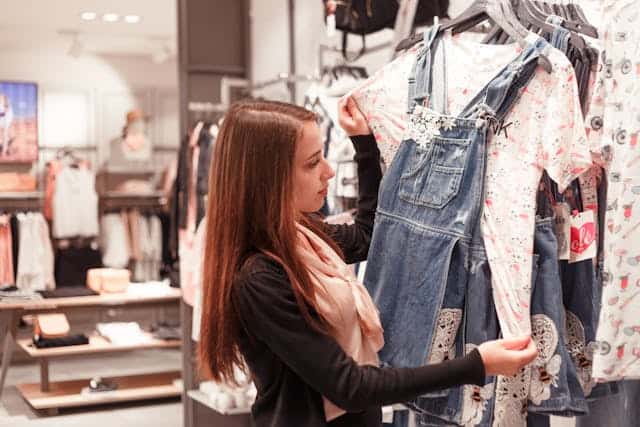
After years of guessing which sweater would be a hug and which would be a trap, I learned that dressing with fibromyalgia is part science, part detective work, and mostly listening to your body.
There are days when a cashmere wrap feels like heaven and days when the same wrap makes my joints scream (yes, fabrics have favorites).
In this piece, I’ll share what actually helped me—fabric secrets, layering tricks, adaptive styles, and shopping habits—so you can build a wardrobe that reduces sensory friction, keeps you warm without overheating, and actually makes leaving the house feel doable again.

Why Clothing Matters More Than You Think
Have you noticed how something as small as a scratchy label can ruin a good day? For people with fibromyalgia, clothing isn’t just about fashion or modesty; it’s a frontline tool in symptom management.
Temperature swings, tactile sensitivity, circulation issues, and joint stiffness can all be influenced by what you wear. The right clothes can soothe and stabilize; the wrong ones can turn a quiet ache into a flare.
Think of clothing as your thermal and tactile buffer. It’s the soft wall between your nervous system and the world. When we get this buffer right, everyday life gets a little easier—walking to the bus stop doesn’t feel like training for a triathlon, and sitting through a movie isn’t an endurance exercise.
Understanding Fibro Sensitivities: Temperature, Touch, And Movement
Temperature Regulation And Fibromyalgia
Do you get chills in a warm room or heat flashes in a cool one? Fibromyalgia often comes with dysregulated temperature sensing. That means we can feel cold where others feel neutral—or hot when they’re comfortable. Because of that, flexible clothing wins over rigid temperature rules.
Tactile Sensitivity And Fabric Reactivity
Some fabrics are neutral; others are like sandpaper to our nerves. Sensitivity isn’t just about itchiness—sometimes a smooth fabric can create static shocks or cling that sets off pain. We need materials that behave—no surprise pilling, minimal friction, soft seams.
Joint Mobility And Clothing Design
Buttons, high collars, tight cuffs—these can become mini obstacles. When joints flare, bending and stretching are limited. Clothing that offers easy on/easy off and enough give for movement saves energy and reduces pain.
Fabric Choices That Help (And Fabrics To Avoid)
Below is a practical table comparing fabrics most of us encounter, how they feel against sensitive skin, and whether they’re a go-to for warmth and comfort.
| Fabric | Feel Against Skin | Warmth Level | Breathability | Notes |
|---|---|---|---|---|
| Cotton (Combed/ Pima) | Soft, neutral | Moderate | High | Great for base layers; avoid rough knits |
| Bamboo/Modal | Very soft, silky | Moderate | High | Naturally breathable, less static |
| Merino Wool (Fine) | Soft, non-itchy (if high-quality) | High | Medium | Excellent thermal regulation; avoid cheap wool |
| Cashmere | Very soft, luxurious | High | Medium | Warm without bulk; can be pricey |
| Silk | Smooth, light | Low–Moderate | Low | Good as a next-to-skin layer in cold climates |
| Polyester/ Microfiber | Variable (can be clingy) | Moderate | Low–Medium | Good for performance layers but watch for static |
| Fleece (Synthetic) | Soft, plush | High | Low | Very warm; can trap sweat |
| Acrylic | Often itchy | Moderate | Low | Generally avoid if you’re sensitive |
| Linen | Crisp, textured | Low | High | Breathable but may feel scratchy to some |
| Spandex/Elastane (in blends) | Stretchy | N/A | N/A | Provides movement; keep content low to avoid cling |
Quick Rules From Experience
- For base layers, choose cotton, bamboo, or merino—something that wicks or breathes.
- For outer layers, merino, cashmere, or quality fleece are great for warmth without compression.
- Avoid cheap synthetic knits and rough wool that can irritate. Labels, side seams, and bulky zippers matter as much as fabric names.

Layering: The Art And Science (So You Can Adjust On The Fly)
Layering is the single most useful skill we can adopt. Why? Because it turns temperature into a variable you can control, it’s not a surprise that you have to endure.
Layering also protects sensitive areas (neck, shoulders, lower back) and lets you move without putting strain on joints.
The Three-Layer System (Simple And Reliable)
- Base Layer (Next-To-Skin): Breathable, soft, moisture-wicking. Examples: bamboo tee, cotton/merino long sleeve.
- Insulation Layer: Traps warmth but is still breathable. Examples: thin merino sweater, lightweight fleece.
- Shell Layer: Blocks wind/rain and provides an easy remove/put-on barrier. Examples: soft-shell jacket, roomy cardigan, hooded coat.
Layering Table: Outfit Examples For Different Temperatures
| Weather | Base Layer | Insulation Layer | Shell Layer | Notes |
|---|---|---|---|---|
| Mild (15–20°C / 59–68°F) | Lightweight bamboo tee | Thin merino or cardigan | Light windbreaker or drapey sweater | Keep layers loose for circulation |
| Cool (5–15°C / 41–59°F) | Cotton long sleeve | Merino sweater | Soft-shell jacket or fleece-lined coat | Add a scarf for neck warmth |
| Cold (Below 5°C / 41°F) | Thermal merino base | Thick cashmere/merino pullover | Insulated coat with room for layering | Use insulated boots, hat, gloves |
| Indoor With AC | Bamboo/Modal top | Light cardigan | — | Carry scarf or shawl to drape if cold |
Layering Tips
- Choose layers that compress minimally. Tight elastic bands at the wrists or waist can worsen circulation and pain.
- Use open-front layers (cardigans, wraps) that don’t require overhead pulling or complex fasteners.
- Keep a lightweight, packable shawl or pashmina in your bag—more flexible than a bulky coat.
Clothing Features That Reduce Pain And Effort
Not every comfortable outfit looks sporty. The design details make a massive difference.
Look For:
- Flat Seams or Interior Binding: Reduces friction and pressure points.
- Tagless Labels Or Laser-Cut Tags: No scratchy neck tags.
- Soft, Stretchy Waistbands: Avoids pinching and allows for abdominal bloating.
- Magnetic Closures Or Velcro (If Appropriate): For those with stiff fingers, magnets make dressing easier—choose low-profile ones to avoid skin pinching.
- Wide Necklines And Front-Opening Tops: Less overhead reach, less shoulder strain.
- Roomy Sleeves (Dolman Or Batwing): Easier arm movement without tight cuffs.
- Layer-Friendly Lengths: Tops that sit mid-hip help reduce tugging over pants when reaching or bending.
Adaptive And Modified Clothing Options
Adaptive clothing doesn’t mean medical-looking garments. Many brands now offer stylish pieces with hidden adaptive features—side zips for easy dressing, elastic panels, and seamless construction. These are worth seeking out if dressing is painful or slow.

Footwear: Support, Warmth, And Ease
Feet are often overlooked but are core to comfort—especially when fibromyalgia affects circulation, balance, or plantar sensitivity.
What To Prioritize
- Cushioning With Firm Support: You want a balance—too soft and your foot fatigues; too hard and pain transfers upward.
- Wide Toe Box: Reduces pressure on toes and bunions.
- Slip-On Or Zip Entry: Less bending and fiddly laces on tougher days.
- Non-Slip Soles: Reduce risk of falls when you’re dizzy or fatigued.
- Insulated Linings (When Cold): But ensure breathability to avoid sweat buildup.
Sock Choices
- Seamless socks or socks with flat toe seams reduce irritation.
- Natural fibers (merino) or blends with moisture-wicking properties help maintain a comfortable microclimate.
Accessories That Do More Than Look Cute
Accessories can be functional allies.
Scarves And Neck Wraps
A scarf is a mobility-friendly heater—you can drape it, fold it, or use it as lumbar support. A pashmina is less restrictive than a structured scarf and easy to stow.
Hats And Ear Covers
Head warmth preserves body heat efficiently. Choose stretch-fit beanies that don’t press on temples or ears.
Gloves And Hand Warmers
Fingerless gloves (soft knit) are great for warmth while allowing dexterity. For severe cold, invest in insulated gloves with a soft lining—avoid tight wrist cuffs.
Compression (Use Carefully)
Light compression can help with swelling and circulation, but tight compression can exacerbate pain. If using compression garments (socks, sleeves), start with mild grades and test for comfort.
Dressing For Flare Days: Simplify With Strategy
Flare days are the worst—they come without warning and strip you of energy. Make dressing on those days easy.
Create A Flare-Day Kit
- Soft, tagless tee or tank
- Elastic-waist bottoms or joggers
- Open-front cardigan or wrap
- Slip-on supportive shoes
- Lightweight pashmina or blanket scarf
Keep this kit in an easy-to-reach drawer or fold it into a tote. When you feel the first twinges, switch into the set and save energy.
Outfit Formula For Flares (No Thinking Required)
- Breathable base (soft tee or tank)
- Elastic waist pants or leggings with a wide waistband
- Open cardigan or zip-up hoodie (easy to remove)
- Slip-on shoes
- Wrap/scarf for neck or shoulders
If dressing feels impossible, don’t fight it—use layers that allow you to sit and put on shoes with minimal bending (slip-on shoes or a shoehorn help).
Nightwear And Sleep Clothing: Temperature, Comfort, And Motion
Sleep clothing plays an outsized role in rest quality. Fibro-related sleep disruption is real, and pajamas can help regulate night sweats, chills, and stiffness.
What To Wear To Bed
- Lightweight, Breathable Fabrics (bamboo/silk blends) if you sweat at night.
- Loose-Fitting Pieces to avoid pressure points.
- Layered Bedding (thin blanket + heavier throw) so you can adjust without getting out of bed.
- Socks For Some Of Us: Warm feet can reduce overall shivering and help with sleep initiation—but only if they are comfortable.
Temperature-Control Strategies
- Use a body thermometer (like a small bedside device) to learn your nighttime temperature patterns. (Okay, that’s a tiny gear nerd suggestion—but it helps.)
- If you have hot flashes, sleep in moisture-wicking base layers and keep a fan or breathable bedding nearby.
How To Shop Smart: Buying For Comfort, Not Hype
Shopping while managing pain is exhausting—so make the trip count.
Online Shopping Tips
- Read fabric content first (percentages matter: higher natural fiber content = better breathability).
- Look for measurements rather than size labels; compare to clothing that already fits you.
- Check return policies—free returns make trying new brands less risky.
- Search for “tagless,” “flat seam,” “adaptive,” and “soft waistband.”
In-Store Shopping Tips
- Bring a list and try on multiple sizes—some brands fit differently.
- Test fabrics with your hands: does it pill? Does it stretch? Is the fiber soft when you rub it against the inside of your wrist?
- Sit while trying on pants to check the waistband comfort.
- Judge seams and tags by feel—don’t just assume.
Budgeting For Better Basics
Invest in a few high-quality base pieces (merino base layer, a good wrap, supportive shoes). These will serve as the foundation of many outfits and save energy and money in the long run.
Caring For Clothing So It Keeps Being Kind To You
A lot of irritation comes from clothing that’s worn, snagged, or stretched out of shape.
Laundry And Care Tips
- Use a gentle detergent and avoid fabric softeners (they can reduce the breathability of performance fabrics).
- Wash on a gentle cycle and air-dry when possible to preserve fabric hand.
- For wool/cashmere, use a delicates bag or hand-wash to prevent felting.
- Replace elastic waistbands when they lose stretch; a loose band can lead to sagging and tugging that pulls painfully on the hips and lower back.

Outfit Examples: Practical, Real-World Combinations
Below are several outfit tables to help you visualize comfortable and warm combos for various activities.
Everyday Errands Outfit Table
| Item | Why It Works |
|---|---|
| Bamboo short-sleeve tee | Soft, breathable base |
| Mid-rise jogger with wide elastic waist | No pinching, easy movement |
| Open-front cardigan (midweight merino) | Easy to put on and remove |
| Slip-on sneakers with arch support | Easy entry, stable sole |
| Lightweight scarf | Neck warmth and sensory comfort |
Office Or Zoom-Friendly Outfit Table
| Item | Why It Works |
|---|---|
| Modal or bamboo blouse (soft collar) | Smooth under lights, won’t irritate |
| Stretch ponte pants or tailored joggers | Structured yet forgiving |
| Longline cardigan or blazer with soft lining | Professional, but easy to remove |
| Low-heel boot or supportive flat | Comfortable at desk and on feet |
| Lap blanket or shawl nearby | For chilly conference rooms |
Outdoor Cold Weather Outfit Table
| Item | Why It Works |
|---|---|
| Merino thermal base layer | Insulates without bulk |
| Cashmere or thick merino sweater | High warmth-to-weight ratio |
| Insulated coat with room for layers | Keeps draft out without compressing |
| Thermal leggings under pants | Extra warmth for the lower body |
| Insulated boots and warm socks | Maintain foot health and warmth |
Travel And Packing Tips For The Fibro Traveler
Traveling amplifies everything—temperature swings on planes, cramped seats, public restrooms, and luggage to manage. Pack smart so the journey doesn’t become its own flare trigger.
Travel Capsule Wardrobe (Mix & Match)
- 2 breathable base tops (one long sleeve, one short)
- 1 insulating sweater (merino or cashmere)
- 1 pair of stretchy pants (joggers or ponte)
- 1 packable shell or soft coat
- Scarf/pashmina that doubles as a blanket
- Slip-on shoes and a spare pair of light socks
Airport And Flight Comfort
- Dress in layers and avoid tight belts or restrictive clothing.
- Bring a soft neck pillow and use a lap blanket to avoid sudden drafts.
- Wear compression socks only if recommended by your doctor; start mild.
Practical Modifications You Can Do At Home
You don’t need to be a seamstress to make small changes that increase comfort.
Easy DIY Hacks
- Remove neck tags or stitch them into seams so they don’t scratch.
- Replace hard buttons at necklines with softer snap buttons or magnetic closures.
- Sew a flat strip of ribbon inside collars to cover rough seams.
- Add soft, removable liners to shoe interiors for extra cushioning.
- For bulky zippers, add a small fabric gusset to prevent chafing against skin.
When To See A Professional (Tailoring And Medical Advice)
If you frequently avoid clothing because it hurts, a professional tailor can make garments more comfortable—shortening hems, replacing bands, or moving seams. For circulatory or swelling concerns, consult your healthcare provider about appropriate compression levels and safe fabrics.
Frequently Asked Questions (FAQs)
Q: What Fabrics Should I Buy If I’m Unsure What Triggers My Sensitivity?
A: Start with bamboo, modal, cotton (Pima), and high-quality merino. These are less likely to cause friction or itch. Buy one piece at a time and wear it next to your skin for a day to see how your body reacts before committing to multiples.
Q: How Do I Balance Being Warm Without Overheating?
A: Layer in thin, breathable pieces. Base layers that wick plus an insulation layer that traps air (like merino) give you control. Keep a light scarf or shawl to cover or uncover areas quickly. If you sweat, remove a layer and choose fabrics that dry fast.
Q: Are There Brands That Cater Specifically To Fibromyalgia?
A: Many adaptive clothing brands now focus on comfort and ease of dressing—magnetic closures, soft seams, and elastic waistbands. You don’t need to buy “medical” clothes; look for terms like tagless, flat-seam, adaptive, and easy-on. (Note: brand names aren’t listed here—test the features instead.)
Q: What If I Hate Wearing Layers Because They Feel Bulky?
A: Choose thinner, high-quality materials like merino or silk blends. These trap heat efficiently without adding bulk. Also, try drapey wraps (pashminas) rather than structured coats—less restricting and easier to arrange.
Q: How Can I Make Shoes More Comfortable Without Buying New Ones?
A: Add cushioned insoles, use seamless socks, and try wider laces or elastic laces for a custom fit. For slip-on ease, use a shoehorn to avoid bending. Replace worn-out insoles—fresh support makes a surprising difference.
Q: What Should I Do On A Very Bad Flare Day When Even Dressing Hurts?
A: Prioritize ease: elastic waist bottoms, a soft tee, and an open-front cardigan. Keep things loose and avoid any clothing that requires overhead reach. If possible, let someone you trust help—no shame in accepting assistance.
Q: Is Compression Helpful Or Harmful For Fibromyalgia?
A: It depends. Light compression can help with swelling and support, but tight compression may increase pain and reduce circulation. Start with mild compression and test it briefly. Always follow your doctor’s guidance if you have circulatory issues.
Q: Can I Wear Layered Jewelry Or Accessories?
A: Light jewelry is usually fine. Heavy or tight pieces (chokers, stiff bracelets) can become pressure points. Use soft fabric wraps for wrist warmth rather than tight bands.
Quick Checklist: What To Keep In Your Wardrobe Right Now
| Item | Why It’s Useful |
|---|---|
| 2–3 Soft Base Tops (bamboo/merino) | Next-to-skin comfort |
| 1–2 Insulating Sweaters (merino/cashmere) | Warmth without bulk |
| 1 Open-Front Cardigan or Wrap | Easy layering, mobility-friendly |
| Elastic-Waist Pants or Ponte Leggings | Comfort and posture-friendly |
| Slip-On Supportive Shoes | Easy to wear, stable sole |
| Scarf/Pashmina | Multi-use: warmth, privacy, lumbar support |
| Tag Remover Tool | Small investment, big comfort gain |
| Lightweight Packable Coat | Travel-friendly warmth |
| Sock Variety (seamless, thermal) | Foot comfort and temperature control |
Final Thoughts And Conclusion
Dressing when you have fibromyalgia is not vanity—it’s self-care. It’s about building an armor that’s soft, warm, and forgiving; an outfit that respects your nervous system and your energy.
When we treat clothing as part of symptom management, we reclaim tiny victories: fewer flares triggered by a scratchy label, fewer painful bends for stubborn buttons, and the ability to step outside without planning a recovery day.
Start small. Replace one irritating item with a soft substitute. Invest in a reliable merino layer. Teach yourself the three-layer system. Keep a flare-day kit. Over time, these small choices add up to a wardrobe that works with you, not against you.
You don’t have to sacrifice style to be comfortable—think drapey silhouettes, rich textures, and smart details that make getting dressed a kinder act. And remember: the right outfit is the one that helps you move, breathe, and live your day with a fraction less friction. That’s the sort of fashion that actually matters.