
You and I both know fibromyalgia likes to be dramatic. One day it’s a dull, constant hum in your muscles; the next day it’s a pop quiz in the middle of the grocery store (“Can you name three items without forgetting why you walked in?”).
So when a simple-sounding promise like CBD might help floats across a forum or an Instagram reel, it hooks us fast. Who wouldn’t want something that whispers, maybe less pain, maybe better sleep?
This article walks through the science, the real-world reports, and the messy middle ground between anecdote and evidence — in a voice that treats you like a fellow traveler, not a lab rat.
We’ll cover what studies show (and don’t show), how people actually use CBD, what side effects and interactions to watch for, and practical questions you’re probably already asking in your head. Expect metaphors, a little gallows humor, and concrete takeaways we can actually use.
I started trying low-dose CBD after a sleepless month where my tender points felt like they were hosting a rave. I wasn’t expecting miracles — more like a truce. Over a few weeks I noticed nights weren’t as shattered and the morning ache had fewer sharp surprises.
It didn’t make the fibro vanish, but it turned the volume down from an 8 to a 6 on rough days — enough to get out the door. That handful of better mornings made me curious enough to read the studies, because if we’re going to let something live on our medicine shelf, it should earn the rent.

What The Research Landscape Looks Like
Let’s cut to the chase: the research on cannabinoids for fibromyalgia is growing, but it’s patchy. Some studies and reviews report short-term improvements in pain and quality of life, while others say the evidence is low quality, inconsistent, or confounded by THC-containing products and variable dosing. In plain English: there are promising signals, but not one unarguable headline that says, CBD cures fibromyalgia.
A few themes repeat across reviews and trials:
- A lot of evidence is observational (people reporting benefits after using cannabis or CBD products), which risks bias — folks who try cannabis-based products and like them are more likely to reply to surveys.
- Many controlled trials use whole-plant or mixed THC/CBD products, not pure CBD alone; that makes it harder to attribute effects specifically to CBD versus THC or other cannabinoids.
- Very recently, there have been randomized, placebo-controlled trials looking at CBD specifically, but the literature is still small and the results are mixed — meaning we can’t make blanket claims yet.
Think of the literature like a patchwork quilt made from many different fabrics: observational stories, small trials, registry data, and the occasional cleaner randomized study. Nice to look at, but don’t expect it to keep you uniformly warm.
Types Of Evidence And What They Mean
| Evidence Type | What It Tells Us | Strength For Fibromyalgia |
|---|---|---|
| Randomized Controlled Trials (CBD alone) | Best design for cause/effect; small number so far | Limited / Promising |
| RCTs With THC+CBD | Helpful but confounds which compound helps | Suggestive |
| Observational Studies & Patient Surveys | Real-world experiences; bias possible | Moderate, but uncontrolled |
| Clinical Registries (medical cannabis patients) | Longer-term outcomes; mixed dosing | Useful for safety and patterns |
| Systematic Reviews / Meta-analyses | Synthesise many studies; limited by heterogeneity | Conservative summaries |
Why CBD Might Work (The Biology, Without The Boring Jargon)
CBD — cannabidiol — is one of many compounds in the cannabis plant. It doesn’t make people high (that’s THC’s job), but it does interact with a vast network in our body loosely referred to as the endocannabinoid system (ECS). The ECS helps regulate pain, sleep, mood, and immune function — basically, the parts of life fibromyalgia loves to mess with.
A few mechanisms researchers keep an eye on:
- Modulating pain signals. CBD can influence receptors and pathways involved in how we feel pain. Imagine turning down the sensitivity of an alarm system that’s stuck on “shout.”
- Reducing inflammation and neuroinflammation. Fibro isn’t a classic inflammatory disease, but low-level inflammation and immune activity may play a role for some people. CBD seems to nudge inflammatory signals down in lab studies.
- Helping sleep and anxiety. If CBD improves sleep or eases anxiety, the downstream effect could be less overall symptom burden; sometimes treating the sleep problem alone shifts the whole day.
That’s the “why it could work.” The trick is proving it works in people with fibromyalgia — reliably, safely, and in a way doctors can recommend.
What The Trials Say — The Short Version
- Most systematic reviews conclude the evidence is low to very low quality, but several report short-term pain reduction and improved quality of life in some studies. That’s not the same as a green light for universal use, but it is a reason to keep studying CBD and cannabinoids for fibromyalgia.
- A recent randomized double-blind placebo-controlled trial directly compared CBD to placebo in people with fibromyalgia; it’s important because the design reduces bias — results are mixed, and larger confirmatory trials are needed.
- Many trials involve THC or THC+CBD, and those often report beneficial effects on pain — but THC carries psychoactive effects and different safety considerations than CBD.
In short: the clinical-science lamp is on, but it’s a desk lamp — bright in one spot and leaving shadows elsewhere.
Real-World Use: How People With Fibromyalgia Are Actually Using CBD
If you scroll forums or read patient surveys, you’ll see a mosaic of usage patterns:
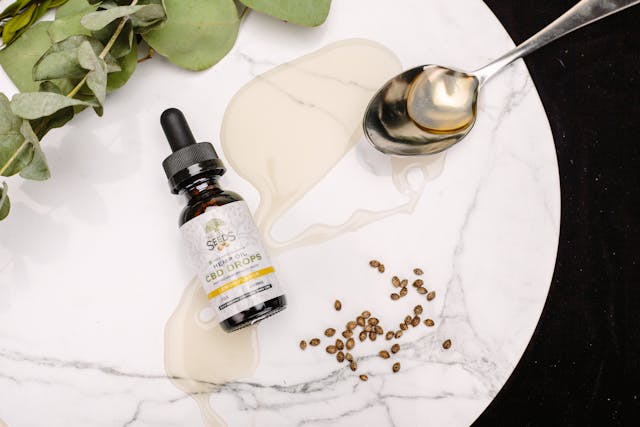
- Forms Used: Oils/tinctures, sublingual drops, capsules, topical creams/balms, vapes (less recommended due to lung risks), and edibles.
- Reasons People Try It: Pain, sleep, anxiety, muscle tension, and to reduce use of other medications (like opioids or benzodiazepines).
- Dosing Is All Over The Map: Some people microdose (small amounts daily), others use higher “as needed” doses. Studies and surveys show huge variability in dosage and frequency. That makes it hard to generalize what works for most people.
It helps to think of CBD use like tuning an old radio. Some folks find a station and get crystal clear sound; others hear static and keep changing knobs. That variability is real, and it’s partly why research struggles to show consistent effect sizes.

Common CBD Delivery Methods, Pros & Cons
| Delivery Method | Pros | Cons |
|---|---|---|
| Oil/Tincture (sublingual) | Fast-ish onset, easy to dose | Taste, product variability |
| Capsules/Tablets | Convenient, consistent dosing | Slower onset |
| Topicals (creams, balms) | Good for localized pain; low systemic exposure | May not reach deep pain; variable absorption |
| Edibles (gummies) | Discreet, long-lasting | Slow onset; variable absorption |
| Vaping | Rapid onset | Lung risks; not recommended long-term |
| Transdermal patches | Steady delivery | Fewer products available; cost |
Safety, Side Effects, And Drug Interactions — The Not-So-Fun But Necessary Stuff
If CBD were only helpful and totally harmless, we’d all be handing out samples. But it’s not that simple. Common side effects reported include drowsiness, dry mouth, gastrointestinal upset (nausea, diarrhea), and sometimes dizziness. For some people these are minor; for others they’re reason enough to stop.
A few important safety notes:
- CBD interacts with many medications. It can influence liver enzymes (especially CYP450 enzymes), which changes how other drugs are metabolized. That includes some antidepressants, antiepileptics, blood thinners (e.g., warfarin), and more. If you take prescription meds, check with your clinician or pharmacist before starting CBD.
- Product quality is variable. Many over-the-counter CBD products have inconsistent concentrations, impurities, or undisclosed THC. That means you might not be getting what the label promises. Choosing reputable brands with third-party lab testing matters.
- THC content matters. Products with THC can cause intoxication, cognitive effects, and legal complications depending on where you live. Even low-THC products might show up on drug tests.
- Long-term safety data is limited. Most studies are short-term. We need longer trials and surveillance to understand chronic use effects fully.
Short version: CBD is not risk-free. It can help some people, but stepping into it without a plan is like trying a new exercise routine by doing a marathon on day one.
Dosing: The Great Unknown (But Here’s Practical Guidance)
There’s no single “fibromyalgia dose” that science universally endorses. Doses in studies vary hugely — from small daily microdoses to several hundred milligrams in formal trials. Because the dose-response curve is still fuzzy, the safest practical path is start low and go slow, while noting effects and side effects.
A practical, clinician-friendly approach many people use:
- Start Very Low. e.g., 5–10 mg CBD once daily for 3–7 days.
- Titrate Slowly. If tolerated, increase by 5–10 mg every 3–7 days until you find benefit or side effects occur.
- Track Results. Use a symptom diary: pain score, sleep quality, daytime sleepiness, mood, and any adverse effects.
- Consider Timing. Some take CBD mainly at night for sleep; others split doses (morning + evening). Topicals are applied directly to aching areas.
- Consult Your Provider. Especially if you take other meds.
This approach is cautious and sensible: we’re optimizing for safety while trying to find if there’s meaningful benefit for you.
Example Titration Plan (Illustrative Only)
| Week | Daily Total CBD (mg) | Notes |
|---|---|---|
| 1 | 5–10 mg | Start after clinician ok; take at night if anxious about sleep effects |
| 2 | 10–20 mg | If tolerated, split AM/PM or continue single dose |
| 3 | 20–30 mg | Evaluate benefits after 2–3 weeks |
| 4 | 30–40 mg | Stop if side effects; consult clinician about interactions |
| 5+ | Adjust up/down | Many people stabilize in 20–50 mg/day; some need more, some less |
CBD vs THC: What’s The Difference For Fibromyalgia?
- CBD (cannabidiol): Non-psychoactive. Thought to have anti-inflammatory, anxiolytic, and analgesic-modulating properties without intoxication.
- THC (tetrahydrocannabinol): Psychoactive. Stronger analgesic reports in some studies but carries intoxication, cognitive effects, and higher regulatory/legal complexity.
Many studies showing benefit in fibromyalgia use THC+CBD blends. That raises the question: are the benefits from CBD, THC, or their combination? The honest answer is: we don’t always know. That’s why newer trials focusing on CBD alone are important — they help isolate which compound does what.
If you want to avoid psychoactive effects or legal complications, choose CBD-dominant, low-THC products — but remain aware that some benefit observed in mixed-product trials may be due partly to THC.
Special Populations And Considerations
- Pregnancy / Breastfeeding: Avoid — there isn’t enough safety data.
- Liver Disease: Use caution — CBD may affect liver enzyme function.
- Older Adults: Might be more sensitive to drowsiness and interactions; start extra low.
- People On Blood Thinners / Antidepressants / Antiepileptics: Discuss with prescriber because of possible interactions.
What Clinicians Are Saying (And Why Guidance Is Cautious)
Many clinicians are cautiously open to cannabinoids for refractory chronic pain, but they emphasize:
- We need better-quality evidence (larger RCTs, standardized dosing, longer follow-up).
- Use shared decision-making: clinicians and patients should discuss goals (e.g., reduced pain intensity, better sleep, fewer opioid doses), potential side effects, legal status, and interactions.
- Document baseline status and track outcomes: if you start cannabinoids, record baseline pain, sleep, mood, and function so you can objectively evaluate benefit.
Indeed, recent consensus and reviews urge careful, individualized approaches rather than blanket prescriptions. Guidelines vary by country, and many national bodies list cannabinoids as an option to consider when other treatments have failed — but with caveats about evidence strength and safety monitoring.
Practical Tips If You’re Considering CBD
- Talk To Your Healthcare Provider First. Especially if you’re on other meds.
- Choose Reputable Brands. Look for third-party lab testing (COA: Certificate Of Analysis).
- Check THC Labels. Even “CBD” products may contain THC — and drug tests may detect THC.
- Start Low, Go Slow. Keep a symptom and side-effect diary.
- Prefer Non-Smoked Routes. Avoid vaping for chronic use; consider oils, capsules, or topicals.
- Set Clear Goals. Are you after better sleep, less pain, reduced medication use, or improved daily function? Measure that specifically.
- Give It Time. Some people notice changes in days; others take weeks. If no benefit after a reasonably titrated trial (e.g., 4–8 weeks), reassess.
- Watch For Drug Interactions. Pharmacists are great at this — bring the CBD product label.
The Legal And Quality Maze
Depending on where you live, CBD availability and legal status change dramatically. Some places allow over-the-counter CBD with minimal regulation; others restrict CBD heavily or only allow medical cannabis through a licensed program. That legal patchwork affects product quality and access.
Quality issues are real: independent testing often finds mislabeled potency, contaminants, or undisclosed THC. That’s why product transparency (lab testing, clear ingredient lists, batch numbers) should be non-negotiable when buying CBD.
What To Expect If CBD Helps — And If It Doesn’t
If it helps, you might notice:
- Lower pain intensity on bad days
- Fewer nighttime awakenings or deeper sleep cycles
- Reduced muscle tension or fewer spasms
- Slight improvements in mood or anxiety
If it doesn’t help, common next steps are:
- Re-evaluate dosing or timing with a clinician
- Try another delivery method (e.g., topical vs oral)
- Reconsider expectations (maybe it helps sleep but not pain)
- Stop and consider other evidence-based options (exercise, cognitive behavioral therapy, approved medications)
Research Gaps And What Newer Studies Are Trying To Fix
Researchers are pushing to answer the big unknowns:
- Which cannabinoid(s) work best for which symptoms? CBD alone? CBD+THC? Minor cannabinoids?
- What is the optimal dosing strategy? Microdosing vs higher targeted doses.
- Long-term safety and efficacy. Most current studies are short; we need long-term data.
- Who benefits most? Fibromyalgia is heterogeneous — some people may respond much better than others depending on phenotype (sleep-dominant vs pain-dominant, etc.).
One good sign: research activity is increasing. Newer randomized trials and living reviews are trying to bring clarity rather than clickbait.
FAQs
Q: Will CBD cure fibromyalgia?
A: No. There’s no cure yet. CBD may help some symptoms for some people, but it’s not a magic bullet. Think symptom management, not cure.
Q: Is CBD addictive?
A: CBD itself is not considered addictive in the way opioids or nicotine can be. However, dependence and problematic patterns are more associated with THC or whole-plant cannabis in some users.
Q: Will CBD show up on a drug test?
A: It can, especially if the product contains THC or traces of THC. Even full-spectrum CBD products labeled as low-THC sometimes contain enough THC to trigger some tests.
Q: Can CBD replace my current medications (like opioids or antidepressants)?
A: Don’t stop prescription meds without medical guidance. Some people reduce other meds under supervision, but this must be done carefully with clinician oversight because of withdrawal or interaction risks.
Q: How long before I see effects?
A: It varies. Some people notice sleep or pain changes within days; others need weeks. A reasonable trial period is often 4–8 weeks with careful tracking.
Q: Are topical CBD products useful for fibromyalgia?
A: Topicals can help localized tenderness for some people, but fibromyalgia is widespread and systemic, so topicals may only target part of the problem.
Q: Is CBD safe long-term?
A: We lack robust long-term safety data. Short-term use appears reasonably safe for many, but interactions, liver effects, and other concerns mean monitoring is sensible.
Quick Summary — The Cliff Notes Version
- Is there potential? Yes — many people report benefits, and some studies show short-term improvements in pain and quality of life.
- Is the evidence conclusive? Not yet. The evidence quality varies and more robust trials are needed.
- Is CBD safe? Often tolerated, but not risk-free. Watch for interactions, product quality issues, and side effects.
- Practical approach: Talk with your provider, choose verified products, start low, go slow, and track results.
A Few Final Thoughts (From Us, Not From A Lab Coat)
Fibromyalgia is a stubborn, shape-shifting beast — it’s rarely solved by a single intervention. CBD sits in that middle ground where real people report real help, but researchers still want cleaner trials before ringing church bells. That doesn’t mean you can’t try it — it means do so with a toolkit: reputable product, cautious dosing, clear goals, and clinician communication.
If CBD turns down the volume even slightly on your worst days, that’s meaningful. If it does nothing, that’s meaningful too — because you’ll have ruled out one possibility and can redirect energy elsewhere. Either way, treat yourself like the research subject you actually are: curious, careful, and ready to track outcomes.
Concrete Next Steps If You Want To Try CBD
- Print or screenshot the product’s Certificate of Analysis (COA).
- Ask your pharmacist about interactions with current meds.
- Start at a low dose (e.g., 5–10 mg/day) and record pain/sleep scores.
- Reassess after 2–4 weeks; titrate slowly if needed.
- If benefit is minimal or side effects occur, stop and re-evaluate with your clinician.