
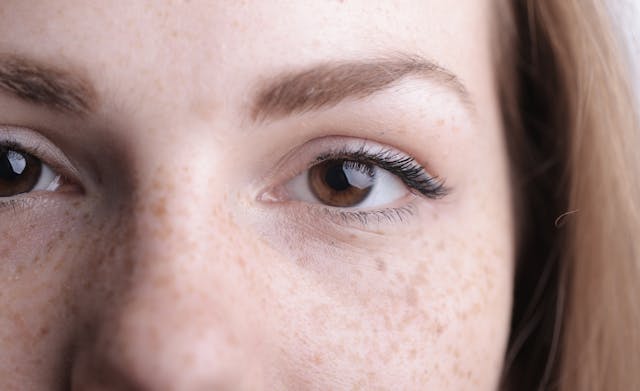
Some mornings my eyes feel like they have their own small, grumpy engine — a flutter under the lid that won’t quiet no matter how many cups of tea I drink or how many deep breaths I take.
It’s not dramatic, just persistent and strange: a blink that lingers, a tremor that wakes me during a quiet moment and reminds me my nervous system is still tuned a little too loudly.
Over years of living with fibromyalgia, I’ve learned to notice those tiny alarm bells — the little physical signals that whisper, “something is different today.”
If you’ve ever had your eyelid twitch for no obvious reason and wondered whether it’s connected to fibromyalgia, you’re not alone.
In this article I’ll walk through what an eye twitch feels like, why it might be more common when you have fibromyalgia, the surprising signs that the twitch is part of a bigger pattern, and practical, low-fuss strategies you can try.
This is written from that messy, lived-in place where pain, fatigue, and anxiety overlap — not as a replacement for medical care, but as a companion map that helps you notice patterns and take small steps forward.

What Is An Eye Twitch?
An eye twitch — medically known as myokymia when it’s the eyelid — is a small, involuntary movement of the muscles around the eye. It can feel like:
- A fluttering under the eyelid.
- A rhythmic twitch every few seconds.
- A brief spasm that comes and goes over hours or days.
Eye twitches are usually harmless and self-limited, but they’re annoying, distracting, and sometimes alarming — especially when they arise in the context of chronic conditions like fibromyalgia where the nervous system is already sensitive.
Why Might Fibromyalgia Be Linked To More Eye Twitches?
Fibromyalgia is complicated, but one clear theme is that the nervous system is more reactive — it amplifies signals. That hypersensitivity doesn’t only make pain louder; it can make tiny muscle contractions and subtle sensory changes more noticeable. Several overlapping forces can explain why you might notice more eye twitching if you have fibromyalgia:
- Central Sensitization: The brain and spinal cord amplify input; small signals become louder and more persistent.
- Autonomic Dysregulation: The nerves that control automatic functions (heart rate, digestion, muscle tone) may be jumpier, which can create more muscle twitching.
- Sleep Disruption: Poor sleep and fragmented rest reduce the brain’s ability to regulate motor control and recovery.
- Medication Effects: Some medications used for pain, mood, or sleep can increase muscle twitching as a side effect.
- Anxiety And Hypervigilance: Constant low-level anxiety — a common companion to fibromyalgia — can create muscle tension and small spasms.
- Nutritional Or Metabolic Factors: Dehydration, caffeine, or electrolyte imbalance can trigger twitches in sensitive people.
Put simply: when the system that filters noise is turned up, tiny twitches that most people barely notice can become noticeable and distressing.
How Eye Twitching Shows Up When You Have Fibromyalgia
Eye twitching doesn’t always appear alone. In the fibromyalgia context it often arrives alongside other symptoms or follows certain patterns. Here are the ways it commonly presents:
- Intermittent Fluttering That Follows Poor Sleep
You sleep poorly, wake groggy, and your eyelid flutters during the morning. The twitch often quiets as the day goes on — or it can worsen toward evening when fatigue builds. - Twitching During Stressful Periods
During days of higher worry, appointment anxiety, or when you’re bracing for pain, the eyelid twitch becomes more frequent. - Twitching That Precedes Or Follows A Flare
For some people, increased twitching is an early warning sign that a pain flare or exhaustion spike is coming. - Twitching With Jaw, Neck, Or Facial Tension
If your fibro manifests with neck or jaw tightness, you might notice twitches in the face or around the eye area too. - Short-Burst Spasms Versus Persistent Tremor
Short bursts (seconds to minutes) are common and usually benign. Persistent, strong spasms that affect vision or don’t settle deserve medical review.
Signs That The Twitch Is Part Of A Larger Problem
Most eye twitches are harmless, but sometimes they’re a clue that something else is happening. Watch for these signs that suggest you should seek medical advice:
- Twitching is accompanied by drooping of the eyelid or changes in your vision.
- Twitching is continuous for days without respite.
- Twitching spreads to other parts of your face, neck, or arms.
- You have new neurological symptoms — weakness, numbness, slurred speech, or dizziness.
- You have severe new pain, fever, or other systemic changes.
If any of those are present, contact a healthcare provider promptly. Otherwise, many twitches can be managed by addressing sleep, stress, medications, and simple lifestyle tweaks.
Common Triggers And How They Relate To Fibromyalgia
| Trigger | How It Affects People With Fibromyalgia | How To Start Addressing It |
|---|---|---|
| Poor Sleep | Increases nervous system reactivity, lowers motor control | Stabilize sleep schedule; short sleep diary; try 5–10 min wind-down |
| Stress / Anxiety | Boosts muscle tension and hypervigilance | Daily micro-practices (breathing, grounding) |
| Caffeine / Stimulants | Heightens nervous system; can provoke twitches | Reduce or time caffeine; switch to decaf after midday |
| Medications | Some meds can cause myokymia or tremor | Review meds with prescriber before changes |
| Electrolyte Imbalance / Dehydration | Muscle excitability rises | Maintain hydration and balanced sodium/potassium intake |
| Eye Strain / Screen Time | Fatigue in ocular muscles increases twitching | Follow the 20-20-20 rule; adjust brightness |
| Chronic Muscle Tension | Neck/jaw tension can trigger facial twitches | Gentle stretching, physical therapy, self-massage |
Practical Tools: What You Can Try Today (Low-Fuss, High-Return)
Below are small, immediately actionable steps you can test. Try one or two for a week and observe changes.
Daily Micro-Habits
- 4–6 slow deep breaths first thing in the morning for 2–5 minutes.
- Short, intentional hydration — a glass of water within 30 minutes of waking.
- Eye breaks: every 20 minutes, look 20 feet away for 20 seconds (20-20-20 rule).
- Reduce evening caffeine and stimulants.
Sleep-Focused Moves
- Keep the sleep window consistent (same bedtime and wake time).
- Wind-down ritual: 15–30 minutes of calming activity before bed (no doomscrolling).
- If you’re awake in bed >20 minutes, get up and return when sleepy.
Stress-Reduction Tools
- 5-minute grounding practice: notice 5 things you can see, 4 you can touch, 3 you can hear, 2 you can smell, 1 you can taste.
- Quick muscle release: tense and relax shoulders and jaw, hold 5 seconds, release.
- Micro-CBT move: label the thought (“That’s worry”) and then refocus on a neutral activity.
Eye-Specific Tips
- Warm compress for 5–10 minutes on the closed eyelid to relax muscles.
- Gentle eyelid massage with clean hands (light circular strokes).
- Avoid rubbing; use lubricating eye drops if dryness is present.
- Adjust screen ergonomics — good distance, slight downward gaze, minimize glare.
Lifestyle Adjustments
- Slightly reduce caffeine; try substituting herbal tea in mid-afternoon.
- Check hydration and small salty snacks if you’re prone to low sodium from sweating.
- Short, gentle movement — a 3–5 minute walk or neck stretches to break muscle tension.
Quick Comparison Of Strategies For Eye Twitching In Fibromyalgia
| Strategy | What It Helps | How To Start | Evidence / Practical Notes |
|---|---|---|---|
| Sleep Stabilization | Reduces baseline reactivity | Set fixed sleep/wake; short wind-down | Strongly helpful for many with fibro |
| Stress Management | Lowers muscle tension and twitch frequency | 5-min daily breathing | Immediate symptom relief likely |
| Reduce Caffeine | Lowers nervous system arousal | Cut after noon | Often helpful within days |
| Screen Management | Reduces eye strain | 20-20-20 rule, adjust brightness | Prevents ocular fatigue |
| Hydration / Electrolytes | Reduces muscle excitability | Small, regular fluids; balanced diet | Simple and safe first step |
| Medication Review | Identify side effects | Discuss with prescriber | Necessary if twitching started with a new drug |
| Warm Compress / Eye Drops | Local symptom relief | 5–10 min warm compress | Low risk, easy to try |
The Nervous System Angle (Without Getting Too Nerdy)
Think of the nervous system like an amplifier. In fibromyalgia, the amplifier’s volume knob for incoming signals is turned up: pain feels louder, sounds feel sharper, and even tiny muscle contractions can be perceived as big. An eyelid twitch that someone else barely notices can feel relentless and intrusive to a person with fibromyalgia.
Two useful concepts:
- Sensitization: The system gets better at detecting threat — helpful in acute danger, less helpful when it’s chronic.
- Autonomic Balance: Your automatic nervous system has two main modes — “fight/flight” and “rest/digest.” If your system spends too much time primed for fight/flight, small muscle twitches and sleep problems follow.
So when you address twitches, you’re not just fixing the eye — you’re gently nudging the amplifier to a lower setting.
When A Twitch Is Probably Harmless (And When It Isn’t)
Probably Harmless If:
- The twitch is brief and intermittent.
- It does not affect your vision or eyelid function.
- It improves with sleep, reduced caffeine, or stress management.
- There are no other new neurological symptoms.
Seek Medical Advice If:
- The twitch is persistent for many days and won’t settle.
- There is drooping of the eyelid or changes in vision.
- Twitching spreads to other parts of the face or body.
- You have weakness, numbness, or other concerning symptoms.
Safety first: if anything feels drastically new, severe, or frightening, check in with a clinician.

Medication And Eye Twitching: What To Know
Some medicines can make muscle twitching or tremors more likely. If you started a new medication and then noticed twitching, don’t stop the medication without talking to your prescriber — but do flag it. Common classes that occasionally cause twitching include:
- Certain antidepressants and antipsychotics.
- Some medications used for migraine or neuropathic pain.
- Stimulant medications.
If medication could be the culprit, the prescriber can help weigh risks and benefits, adjust dosing, or suggest alternatives. For many people with fibromyalgia, a combined plan (therapies + lifestyle + medication if needed) works best.
A Realistic Three-Month Plan For Tackling Eye Twitches
A short, doable plan helps you test what works without feeling overwhelmed. The aim is not to “cure” overnight but to collect data about which changes reduce twitch frequency and intensity.
Weeks 1–2: Stabilize And Track
- Keep a simple diary: note sleep hours, caffeine intake, twitch intensity (0–5), and stress level daily.
- Start a 5-minute morning breathing routine.
- Cut caffeine after noon.
Weeks 3–6: Build Core Habits
- Add a nightly wind-down (no screens 30 minutes before bed if possible).
- Introduce warm compresses if twitch occurs frequently in the evening.
- Begin short, gentle neck stretches twice daily.
Weeks 7–12: Refine And Review
- If twitches persist, schedule a medication review with your clinician.
- Consider a short course of CBT-based stress management or guided relaxation.
- Reassess the diary: what changed? Reduce or keep the strategies that helped.
Celebrate small wins: even a 1-point drop in twitch intensity matters. Keep the data simple — the diary is your experiment log.
Nonpharmacologic Therapies That Often Help
- Gentle Physical Therapy / Pain Physiotherapy: A therapist who understands pacing can help release neck and facial tension and teach safe graded movement.
- CBT / ACT: These therapies reduce hypervigilance, anxiety, and the vicious loop of worry that can amplify twitches.
- Sleep Work (CBT-I): Better sleep reduces nervous system reactivity.
- Mindfulness / Relaxation Practices: Even short daily practices lower baseline arousal.
- Occupational Adjustments: Modifying workstations and screen time reduces eye strain.
These are low-risk, skill-based approaches that often produce steady improvement.
Simple Scripts To Use When You Talk To Clinicians Or Loved Ones
To Your Clinician:
“My eyelid has been twitching for X days. I track sleep, caffeine, and stress. It gets worse when I’m tired. Can we review my meds and consider whether this is related to fibromyalgia or something else?”
To A Friend Or Family Member:
“My eyes have been twitching — it’s small but distracting. I might need to skip late plans or rest early tonight.”
To Yourself (Daily Reminder):
“This is a signal, not a catastrophe. I can try one small thing now.”
Frequently Asked Questions
Q: Can fibromyalgia directly cause eye twitching?
A: Fibromyalgia makes the nervous system more reactive, which increases the likelihood of noticing small muscle twitches. The condition itself doesn’t “cause” eye twitching in the direct sense of structural damage, but the altered nervous system environment makes twitches more likely and more bothersome.
Q: How long do eye twitches usually last?
A: Most twitches are temporary — minutes to days. If twitching persists beyond several weeks or worsens, it’s worth getting medical attention.
Q: Could my medication be causing my eye twitch?
A: Yes, some medications have twitching or tremor as a side effect. If you recently started a new medicine, talk to your prescriber before making any changes.
Q: Will cutting out caffeine stop the twitch?
A: Reducing caffeine often helps, but it’s not a guaranteed cure. Try cutting back for 1–2 weeks and note any change. Combine this with better sleep and stress reduction for best results.
Q: Are eye drops helpful?
A: If dryness is contributing, lubricating eye drops can reduce irritation-driven twitches. They won’t cure nervous-system-driven myokymia, but they’re a low-risk step to try.
Q: When should I worry?
A: Worry when twitching is continuous, affects vision, causes eyelid droop, or is accompanied by weakness or numbness. Those signs merit urgent medical review.
Q: Can relaxation techniques actually reduce twitching?
A: Yes — lower baseline stress and muscle tension tend to reduce twitch frequency for many people. Start small: 5 minutes a day can make a difference.
Common Mistakes People Make (And How To Avoid Them)
- Chasing One Quick Fix: Expect gradual improvement; combine sleep, stress, and simple physical changes.
- Putting Off A Medication Review: If twitching starts after a new prescription, don’t ignore it.
- Over-Reliance On Quick Remedies: Eye drops and compresses help symptoms but don’t address the nervous system or sleep.
- Catastrophizing: A twitch is rarely a sign of a serious neurological disease, especially when it’s isolated. Track and seek help if other red flags appear.
Tiny Experiments You Can Run This Week
- Day 1–3: No caffeine after 12pm. Note twitch intensity each evening.
- Day 4–6: Add a 10-minute warm compress before bed. Compare with Days 1–3.
- Day 7: Try a 3-minute grounding practice at the first sign of twitching. Record what changes.
Treat each trial like a data point — small, reversible, and informative.
Final Thoughts
Eye twitches are a small, annoying, and often temporary thing — but when you live with fibromyalgia, they can feel disproportionately big. That’s because chronic pain and nervous system sensitivity change how you perceive small signals.
The best approach is practical and kind: track a few variables (sleep, caffeine, stress), try one simple change at a time, and lean into low-cost tools like warm compresses, brief relaxation practices, and gentle movement.
If the twitch is stubborn, spreading, or accompanied by worrying neurological signs, get medical input. If it’s part of the familiar rhythm of fibromyalgia — worse when tired, better with rest — then use this as a cue: prioritize sleep, reduce late caffeine, and give yourself permission to rest without guilt.
We may not be able to flip a switch and turn the nervous system volume down forever, but we can learn which small dials help: a consistent bedtime, a short breathing practice, a warm compress, or a tiny walk. Those are not dramatic cures — they’re resilience deposits that add up.
What’s one tiny change you could try today to test whether it helps your eye twitch? Would you try a warm compress tonight, or skip caffeine after noon? Tell me which you pick, and we’ll make a one-week plan together.