
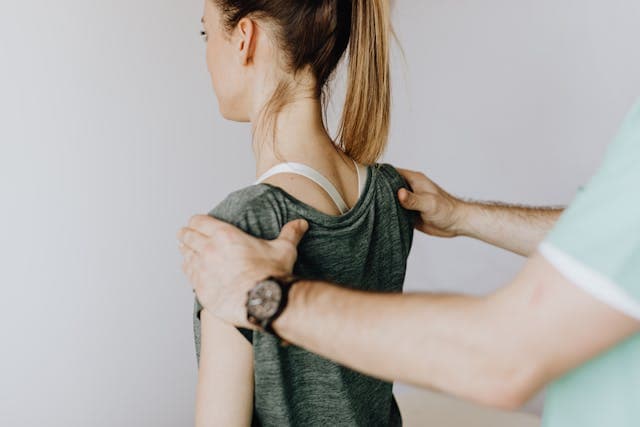
I remember the morning my body decided to audition for a medieval torture reenactment: my shoulders felt like two stubborn knots, my calves cramped every time I stood, and my thighs seemed to have forgotten they were part of my legs.
One minute I was moving through my day; the next I was wondering how a quick walk to the mailbox turned into a triathlon for disaster. That’s fibromyalgia for you — unpredictable, humiliating, and annoyingly personal.
Some days my muscles behave like well-trained employees; other days they unionize and go on strike. If any of that sounds familiar, grab a chair (or a heating pad) — we’re diving into the muscle part of the Fibro Mystery, together.

What Are Muscle Knots, Cramps, And Weakness?
Let’s start with plain talk. Muscle knots (often called trigger points or myofascial knots) feel like tight nodules you can press and make worse.
Cramps are sudden, involuntary muscle contractions — sharp and punchy. Weakness is the maddening feeling of your muscles not doing the job they used to: heavy, sloppy, or simply unreliable.
In fibromyalgia, these three often arrive as a package deal. They’re not always caused by the same thing, and they don’t always respond to the same fixes. That’s the frustrating bit — one-size-fits-none.
How Fibromyalgia Affects Muscles: The Short Version
Fibromyalgia isn’t a muscle disease per se — it’s a pain-processing disorder. Your nervous system turns the volume up on ordinary signals (and sometimes invents new ones), altering how muscles feel and function.
Imagine your nerve pathways as badly-tuned speakers: whispers become shouting, and sometimes the music skips. That’s what makes fibromyalgia muscle pain feel both real and baffling to others.
Why Symptoms Travel And Change
Why does it hurt in your knee today and your shoulder tomorrow? Think of your pain like a tourist with commitment issues — it moves around, leaves a mess, and sometimes overstays its welcome.
Central sensitization (your nervous system being overly reactive) and faulty signaling make pain migratory and unpredictable. That’s why keeping a symptom diary can feel like trying to catch a ghost with sticky notes: useful, weird, and occasionally enlightening.
Common Muscle Symptoms In Fibromyalgia
Knots (Trigger Points)
- Localized, tender nodules within a muscle.
- Pain that can refer to other areas (press one spot, feel it somewhere else).
- Often worse with pressure, cold, or stress.
Cramps
- Sudden, intense tightening — usually short-lived but memorable.
- Can strike at rest or during activity, and sometimes at night.
- May be muscle-specific (calves, thighs, hands).
Weakness
- Heavy limbs, trouble lifting, feeling like muscles “won’t cooperate.”
- Can be functional (the muscle is fine but the brain won’t recruit it) or true weakness (less common).
- Often worsens after activity or during flares.
Spasms And Twitching
- Brief contractions or tremor-like movements.
- Not the same as cramps but equally annoying.
Stiffness
- Morning or inactivity stiffness that eases (or sometimes doesn’t).
- May follow prolonged sitting or standing.
Quick Comparison: Knots vs Cramps vs Weakness
| Feature | Knots (Trigger Points) | Cramps | Weakness |
|---|---|---|---|
| Sensation | Localized tight nodule | Sudden tight contraction | Heaviness/loss of strength |
| Onset | Gradual or after activity | Abrupt | Gradual or post-exertion |
| Duration | Minutes to persistent | Seconds to minutes | Hours to ongoing |
| Response to Pressure | Tender, may increase pain | Often relieved by stretching | Not helped by pressing |
| Common Locations | Neck, shoulders, back | Calves, thighs, hands | Proximal muscles, legs, arms |
| Typical Triggers | Overuse, poor posture | Electrolyte issues, dehydration, overexertion | Deconditioning, central fatigue |
Underlying Mechanisms (What’s Actually Going On)
There’s no single culprit, but several overlapping reasons explain why muscles misbehave in fibromyalgia:
- Central Sensitization: The brain and spinal cord amplify pain signals. Minor muscle sensations register as severe pain.
- Dysregulated Autonomic Nervous System: Blood flow, temperature control, and muscle tone can be affected. Hello, cold hands and warm feet drama.
- Disordered Sleep: Poor restorative sleep interrupts muscle repair and increases sensitivity.
- Neurochemical Imbalance: Low levels of certain neurotransmitters (like serotonin/norepinephrine) make pain processing worse.
- Peripheral Contributors: Muscle microtrauma, trigger points, and small fiber neuropathy can add local pain signals.
- Inflammation? Fibromyalgia doesn’t show classic inflammation like autoimmune diseases, but low-grade, localized inflammatory processes can play a role in some people.
Triggers And Flare Factors (What Makes Muscles Revolt)
- Physical overexertion or sudden increases in activity.
- Poor sleep and missed restorative cycles.
- Stress, emotional upheaval, or anxiety.
- Weather changes — barometric pressure can be a traitor.
- Illness, infections, or long travel.
- Certain medications (ask your doc).
- Dehydration and electrolyte imbalance.
- Hormonal shifts (hello, monthly cycles).

Diagnosis: What Your Doctor Will (And Won’t) Do
There’s no single blood test that shouts “fibromyalgia.” Diagnosis is clinical — doctors look for widespread pain, symptom patterns (like Fibro Fog), and rule out other causes (thyroid disease, inflammatory myopathies, vitamin deficiencies).
Trigger point counts used to be a thing; now overall symptom indices and patient history matter more.
How To Track And Communicate Your Muscle Symptoms
Want to be taken seriously by a clinician? Bring receipts. A simple tracking table helps you spot patterns and communicate clearly.
| Item | Details To Note |
|---|---|
| Date/Time | When did it start? |
| Location | Where does it hurt? Be specific. |
| Type | Knot, cramp, weakness, spasm, stiffness |
| Intensity (1–10) | Helps track trends |
| Trigger | Activity, food, weather, sleep, stress |
| Relief Measures Tried | Heat, stretching, meds, rest |
| Outcome | Improved, same, worse; how long it lasted |
Daily Management: Pacing, Energy Conservation, And Realistic Goals
We love motivational slogans, but fibromyalgia laughs at “push-through” culture. The practical stuff:
- Pace Like Your Future Depends On It. Break tasks into 10–15 minute chunks. Alternate sitting and standing.
- Plan Your Peaks. If you want to attend an event, plan rest before and after.
- Use The Two-Day Rule. Don’t use all your energy on a good day — you’ll pay the next day.
- Prioritize Tasks. Which things absolutely need your best energy? Let the rest wait.
- Ask For Help. Delegate, hire, barter — your dignity is not tied to doing everything yourself.
Targeted Approaches For Knots (Hands-On Fixes)
- Self-Massage And Trigger Point Release: Gentle pressure, small circular motions. Pain is okay but avoid making things worse.
- Heat Therapy: Warmth relaxes fascia and muscle — think heating pad or warm shower.
- Professional Massage: Seek therapists experienced with chronic pain. Deep tissue can help but can also trigger flares — proceed cautiously.
- Myofascial Release And Foam Rolling: Gentle, controlled rolling on big muscles (not near bones or joints).
- Topical Agents: Capsaicin, lidocaine patches, or menthol rubs can provide relief for some. (Patch-test first.)
- Mindful Movement: Slow yoga or gentle mobility drills reduce tension.
Targeted Approaches For Cramps (Stop The Pinch)
- Stretching Immediately: Slow, sustained stretch of the affected muscle often eases a cramp.
- Hydration And Electrolytes: Ensure you’re not chronically low on fluid, sodium, potassium, or magnesium.
- Magnesium (Cautiously): Some people find relief; start low and talk to your doc.
- Warmth: Heat reduces muscle contraction and pain.
- Avoid Quick Fixes That Backfire: Cranking on a cramp too aggressively can snap muscles into more pain.
Targeted Approaches For Weakness (Rebuilding Trust)
- Graded Activity: Start tiny. Five-minute strength sessions several times a day beats one brutal hour once a week.
- Physical Therapy: PT can teach neuromuscular re-education — how to “remind” the brain to recruit muscles properly.
- Resistance Training (Low Weight, High Frequency): Build slowly. Think body weight, light bands, or little dumbbells.
- Functional Exercises: Sit-to-stand, step-ups, and gentle balance work. Make gains that help daily life.
- Energy Management: Don’t push into collapse; rebuild within safe limits.
Sleep, Rest, And Recovery (Because Muscles Hate Bad Sleep)
- Sleep Hygiene: Keep a regular schedule, cool dark room, wind-down routine.
- Treat Sleep Disorders: If you snore, wake gasping, or stop breathing, get evaluated. Sleep apnea and restless legs worsen muscle symptoms.
- Nap Smart: Short, timed naps (20–30 minutes) — not marathon naps that wreck nighttime sleep.
- Guided Relaxation: Breathing, progressive muscle relaxation, or brief meditations reduce muscle tension.
Medication And Medical Treatments (Use With Care)
I’m not prescribing, just explaining options people commonly try. Consult your clinician.
- Analgesics: Acetaminophen, NSAIDs (short term), and topical analgesics.
- Neuromodulators: Gabapentin, pregabalin — used to reduce nerve-related pain.
- Antidepressants: SNRIs and TCAs (in low doses) can help both pain and sleep.
- Muscle Relaxants: Short-term use may ease spasms but can cause drowsiness.
- Trigger Point Injections: Lidocaine or dry needling can help specific, stubborn knots.
- Botox? Rarely used, occasionally helpful for focal issues.
- Always Monitor Side Effects: Many drugs affect energy, concentration, and mood.
Physical Therapy, Occupational Therapy, And Rehab
- Physical Therapy (PT): Builds mobility, strength, and teaches pacing. PTs can tailor graded programs.
- Occupational Therapy (OT): Focuses on adaptations in daily tasks and tools to conserve energy.
- Aquatic Therapy: Buoyancy reduces load and helps movement with less pain.
- Multidisciplinary Rehab: Programs that mix PT, counseling, and education often outperform single treatments.
Complementary Therapies: What Helps Some People
- Acupuncture: Mixed evidence, but many patients report symptom relief.
- TENS: Transcutaneous electrical nerve stimulation provides short-term pain relief for some.
- Yoga, Tai Chi, Qi Gong: Gentle movement plus breath — good for stiffness and mood.
- Mindfulness And CBT: Change how the brain interprets pain and improve coping.
- Massage And Myofascial Work: Short-term relief, but beware aggressive techniques that spark flares.
Nutrition, Supplements, And Muscle Health
No miracle diet exists, but some strategies help:
- Balanced Diet: Protein for repair, vegetables for micronutrients, whole foods over processed.
- Anti-Inflammatory Foods: Omega-3s (fish, flax), colorful fruits and veggies.
- Magnesium: May reduce cramps and improve sleep for some.
- Vitamin D: Low vitamin D correlates with more muscle pain; check your level with your doctor.
- Hydration: Regular fluids throughout the day matter.
- Watch For Triggers: Some people notice worse symptoms with gluten, dairy, or additives — be methodical before cutting things out.
Mental Health, Stress, And Muscle Symptoms
Pain and mood are stuck in a loop: pain worsens mood, poor mood amplifies pain. Anxiety tightens muscles; depression drains motivation to care for them.
- Therapy Helps: CBT, acceptance and commitment therapy (ACT), or counseling help reframe pain.
- Stress Reduction: Build small rituals: a short walk, tea, deep breathing. Little things lower baseline tension.
- Community: Talk to friends, support groups, or online Fibro communities — validation matters.
Equipment, Adaptive Tools, And When To Use Them
You’re not weak. You’re smart if you use adaptations to protect your energy.
| Tool | Why It Helps |
|---|---|
| Ergonomic Chair | Reduces postural muscle knots |
| Lightweight Vacuum | Less strain during chores |
| Grab Bars/Long-handled Tools | Avoid bending/twisting that triggers symptoms |
| Compression Sleeves | Some find warmth/pressure soothing |
| Cane or Walking Stick | Stabilizes balance and reduces fall risk |
Communicating With Others: How To Explain Muscle Symptoms Without Losing Your Mind
- Use metaphors: “My muscles feel like pulled taffy” — vivid and concise.
- Bring proof: symptom diary, photos (e.g., limited mobility) — healthcare responses improve with data.
- Set boundaries: “I can help for 20 minutes, then I need a break.”
- Educate gently: Short, clear explanations beat long lectures. “Fibro ups the volume on pain signals — sometimes my muscles do their own thing.”
Work, Productivity, And Reasonable Accommodations
You don’t need to burn bridges, but you do need accommodations.
- Flexible hours or work-from-home days.
- Frequent short breaks.
- Ergonomic setup and standing desks.
- Job task redistribution on bad days.
- Speak to HR or an occupational health provider about formal accommodations where available.
When To See A Doctor Or Seek Urgent Care
Seek urgent help if you have:
- New, severe weakness or sudden inability to move a limb.
- Chest pain, shortness of breath, or symptoms suggesting heart issues.
- Sudden loss of bowel/bladder control or numbness in saddle area.
See your doctor for:
- New or worsening muscle weakness.
- Symptoms that suddenly change pattern.
- No response to conservative care and significant functional decline.

Long-Term Strategies: Building A Toolbox That Works For You
Think of long-term management like assembling a Swiss Army knife: a mix of tools works better than one thing.
- A daily gentle movement plan.
- A sleep routine.
- Pacing and activity planning.
- A few trusted meds/therapies for flares.
- A list of go-to self-care strategies (heat, bath, gentle walk, breathwork).
- A clinician team: PCP, rheumatologist, PT, and a mental health provider if needed.
Common Myths And Misconceptions (Table)
| Myth | Reality |
|---|---|
| “If You Can Move, You’re Not Sick.” | Visibility ≠ reality. Pain and fatigue can be invisible but disabling. |
| “Exercise Will Cure It.” | Exercise helps but must be paced and individualized. Overdoing harms. |
| “It’s Just In Your Head.” | The brain is involved, yes — but symptoms are real and physiological. |
| “Only Older People Get It.” | People of all ages can have fibromyalgia. |
| “You Must Rest All The Time.” | Rest helps, but complete inactivity often worsens function long-term. |
Sample Day: Planning Around Muscle Symptoms
- Morning: Gentle mobility (5–10 minutes), shower with warm water, protein-rich breakfast.
- Mid-morning: Short focused task (20 minutes), light stretch break.
- Noon: Rest and nutritious lunch; quick 15-minute walk if tolerated.
- Afternoon: Low-energy tasks, seated work, pacing.
- Evening: Heat pad on sore areas, calming activity, early wind-down.
- Night: Short relaxation and consistent bedtime.
FAQs
Below are questions I get asked all the time. Short, honest answers.
Q: Are muscle knots the same as trigger points?
A: Yes — many people use the terms interchangeably. They’re tender, tight spots that can refer pain elsewhere.
Q: Will exercise make my muscles worse?
A: Not if it’s paced and gradual. Start small, increase slowly, and listen to your body.
Q: Can dehydration cause cramps in fibromyalgia?
A: Dehydration and electrolyte imbalances can trigger cramps. Hydrate and monitor salt/potassium/magnesium if cramps are frequent.
Q: Why do my muscles feel weak if I’m not losing muscle mass?
A: Often it’s not true muscle loss; it’s the brain not fully recruiting the muscle — neuromuscular coordination and central fatigue play roles.
Q: Do muscle relaxants help?
A: They can for short-term spasms, but side effects like drowsiness limit long-term use.
Q: Will massage cure my knots?
A: Massage helps some people short-term, but aggressive techniques can cause flares. Gentle, trained therapists are best.
Q: Is there a supplement that fixes muscle pain?
A: No magic pill. Magnesium and vitamin D help some people; always consult your clinician.
Q: What about trigger point injections or dry needling?
A: They help many people with stubborn knots but are not universally effective.
Q: Are cramps linked to restless leg syndrome?
A: They can be related. Many people with fibromyalgia also have RLS or sleep-related issues.
Q: How do I convince my employer I’m sick?
A: A symptom diary, a clear doctor’s note, and a discussion about reasonable accommodations help. Keep it factual and solution-oriented.
Q: Can weather really affect muscle pain?
A: Many people report sensitivity to barometric changes. The mechanism isn’t fully understood, but the effect can be real for individuals.
Q: Is surgery a solution for chronic muscle pain in fibromyalgia?
A: Surgery rarely helps fibromyalgia pain and may sometimes worsen symptoms. Approach surgical options carefully and discuss with your team.
Q: How long until I feel better?
A: There’s no timetable. Improvements happen in small increments. Celebrate the tiny wins.
Conclusion
Let’s be blunt: fibromyalgia complicates muscle life in a way that’s confusing, exhausting, and often infuriating. Knots, cramps, and weakness are not random nuisances; they’re symptoms with patterns, triggers, and — yes — strategies that help.
You don’t need to swallow disbelief or accept “just deal with it” as an answer. Build a toolbox: pacing, gentle movement, smart sleep, targeted self-care, professional support, and the courage to ask for help.
Remember: you’re not broken. You’re adapting to a body with a noisy nervous system. We adapt, we learn, we rest, and on our best days, we laugh about the absurdity of it all.
Keep a few go-to tools handy — a heating pad, a stretch sequence, a trusted clinician, and a supportive friend — and chip away at the mystery one small step at a time.