
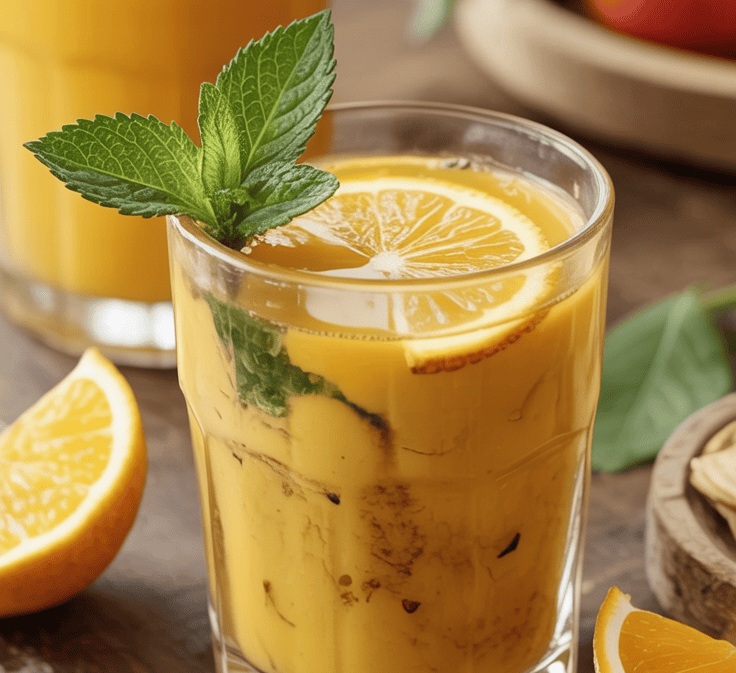
Okay — confession time. I first heard about the Japanese Mounjaro on a sleepy scroll through my phone on a day when my brain fog was particularly stubborn and my patience was thin.
It sounded exotic, a little mysterious, and promising a sense of “reset” that I desperately wanted. So of course I had to try it. Did it taste like a spa in a glass? Not exactly. Did it give me a tiny bright moment in a week that felt otherwise heavy? Absolutely.
This article isn’t here to sell you a miracle. It’s here to share what the Japanese Mounjaro is, why people are sipping it, how to make it several ways, and how to fold it into a life that may — like mine — include chronic health ups and downs.
I’ll walk you through recipes (from simple to fancy), troubleshooting, quick tips, a few tables for clarity, and a friendly FAQ. Think of this as a cozy kitchen chat where we swap notes, laugh at our attempts, and walk away with a drink we can actually make without losing our minds.
Ready? Let’s make something warm (or cool), practical, and a little bit uplifting.

What Is Japanese Mounjaro?
A Simple Definition
Japanese Mounjaro is not an ancient, single-origin elixir passed down by hush-hush monks. It’s a modern wellness beverage inspired by Japanese pantry staples — matcha, umeboshi (pickled plum), kombu (seaweed), ginger, and sometimes citrus or seeds — blended into a drink meant to boost digestion, wake up your senses, and offer a gentle metabolism-friendly nudge. People use it as a morning ritual, a pre-meal tonic, or a refreshing pick-me-up.
Why The Name Feels Mysterious
“Mounjaro” is a trendy label — part wellness branding, part creative mashup. The “Japanese” refers to the traditional Japanese ingredients that often form the backbone of the recipes. If you’re picturing a single strict recipe, breathe: it’s more of a family of recipes united by a few key flavors.
`Why I Like It (And Why You Might Too)
- It’s customizable. Whether you want caffeine (matcha) or not, spicy ginger or gentle daikon — you can switch things up.
- It feels intentional. Making it slows me down for five minutes. That ritual matters on days when everything else feels out of control.
- It’s gentle on the gut — in theory. Umeboshi and kombu are traditionally used to support digestion.
- It’s a low-barrier wellness habit. Easier than meal-prepping, more comforting than a green juice that leaves you hungry.
But let’s be blunt: it is not a magic weight-loss potion. It’s a tasty, potentially beneficial drink you can add to a balanced life.
Core Ingredients Explained (So You Know What You’re Working With)
| Ingredient | What It Is | Why People Use It |
|---|---|---|
| Matcha | Finely ground green tea powder | Antioxidants, gentle caffeine, and a pleasant grassy bite |
| Umeboshi (or Ume vinegar) | Pickled plum or plum vinegar | Tangy, salty, traditionally used for digestion support |
| Kombu | Dried kelp/seaweed strip | Umami, minerals like iodine, and a savory broth base |
| Daikon | Japanese white radish, grated or powdered | Gentle digestive aid, a peppery counterpoint |
| Ginger | Fresh or powdered | Anti-inflammatory, warms the gut |
| Lemon | Citrus juice | Brightness and digestion help |
| Chia Seeds | Hydrophilic seeds that gel in liquid | Fiber, texture, and satiety |
| Honey/Maple | Natural sweeteners | To balance acidity (optional) |
| Turmeric/Kelp Powder/Miso | Optional boosters | Anti-inflammatory/umami/depth of flavor |
The Basic Philosophy: Balance, Not Extremes
Here’s the mental model I use: every Japanese Mounjaro recipe balances four things — umami (kombu/umeboshi), brightness (lemon/ume), warmth (ginger/matcha), and body (chia/matcha). Tweak any of the four to suit your mood. If you’re anxious, fewer caffeine-forward ingredients; if you’re sluggish, a little matcha or ginger might help.
Four Recipes You Can Make Tonight (Or Tomorrow Morning)
Below I give you four tested (by me) variations: Simple Starter, Classic Matcha Ume, Refreshing Chia Mint, and a Comforting Kombu Broth Version. I include step-by-step instructions and tiny troubleshooting notes — because I’ve spilled matcha more than once, and I want to save you that grief.
Recipe 1 — Simple Starter: Ume Vinegar & Daikon Tonic
Why This One? Tiny ingredient list, big gut-friendly vibes. Low fuss, low caffeine, good for mornings when you need a reset.
Ingredients (Single Serving)
- 1 cup (240 ml) room-temperature filtered water
- 1 tbsp ume plum vinegar (or 1 tsp umeboshi paste)
- 1 tsp freshly grated daikon (or ¼ tsp powdered daikon/ginger)
- Optional: 1 tsp raw honey or maple syrup
- Optional: pinch of sea salt
Instructions
- Add ume vinegar and grated daikon to a mug.
- Pour in water and stir vigorously.
- Taste — if it’s too bright, add honey; too flat, add a pinch of salt.
- Sip slowly before breakfast or before a meal.
Troubleshooting
- Too salty? Dilute with more water and add a drop of lemon.
- Too vinegary? A tiny swirl of oil (olive) smooths the edge — weird but true.
Recipe 2 — Classic Matcha Ume: The Morning Stir
Why This One? For matcha lovers who want caffeine, umami, and a ritualistic whisk.
Ingredients (Single Serving)
- 1 tsp matcha powder
- 1 umeboshi plum (pitted and mashed) or 1 tsp umeboshi paste
- 6–8 oz (180–240 ml) warm water (not boiling — ~80°C / 175°F)
- 1 thin slice fresh ginger (optional)
- Optional: ½ tsp honey or a squeeze of lemon
Instructions
- Warm the water to about 80°C (hot but not boiling).
- Place matcha in a small bowl or mug. Add a splash of warm water and whisk into a smooth paste (use a bamboo whisk if you have one; a small whisk or frother works too).
- Remove the pit from the umeboshi, mash the flesh into the matcha paste. Add grated ginger if using.
- Pour the rest of the warm water, whisk until frothy. Taste and sweeten if desired.
Troubleshooting
- Matcha clumps? Always make a paste first with minimal liquid.
- Ume too salty? Use just a dab of umeboshi paste or dilute more.

Recipe 3 — Refreshing Chia Matcha Mint: Cold & Satisfying
Why This One? A chilled version that also keeps you full longer thanks to chia.
Ingredients (Single Serving)
- 1 tsp matcha powder
- 1 tbsp chia seeds
- Juice of ½ lemon
- 1 cup (240 ml) cold filtered water
- A few mint leaves, torn
- Optional: ½ tsp sweetener (maple/honey)
Instructions
- In a small jar, combine chia seeds with ½ cup water. Let sit 10 minutes until gel forms.
- Whisk matcha with a splash of cold water until smooth.
- Stir matcha into chia gel, add lemon juice and mint. Top with remaining water.
- Chill or serve over ice.
Troubleshooting
- Chia too gloopy? Use less chia (½ tbsp) or let it sit longer before adding matcha.
- Mint overpowering? Clap the leaves before adding to release aroma without bitterness.
Recipe 4 — Comforting Kombu Broth Mounjaro (Savory Option)
Why This One? When you need warmth and grounding — great on foggy, achy days.
Ingredients (Single Serving)
- 2–3 inches kombu (dried kelp)
- 1 cup (240 ml) simmered water (just under boiling)
- ½ tsp umeboshi paste (or splash of ume vinegar)
- ½ tsp grated ginger
- Optional: 1 tsp miso (dissolved off heat), scallion slices
Instructions
- Soak kombu in cold water for 10–20 minutes. Slowly heat the water with kombu until just before it boils, then remove kombu (don’t let it boil long — bitter).
- Add umeboshi paste and ginger to the warm kombu water. Stir.
- If using miso, dissolve it in a little warm water then stir into the cup (do not boil miso). Garnish with scallions.
Troubleshooting
- Too briny? Dilute and add lemon.
- Kombu leftover? Chop and use in salads or stews.
Quick Comparison Table — Which Recipe Fits Your Mood?
| Recipe | Best For | Caffeine | Prep Time | Texture |
|---|---|---|---|---|
| Simple Starter | Gut reset, morning ease | No | 3 min | Smooth |
| Classic Matcha Ume | Ritual, gentle energy | Yes | 5 min | Frothy |
| Chia Matcha Mint | Satiety, hot afternoons | Yes | 15 min (rest) | Gel-like |
| Kombu Broth | Cozy, digestive calm | No | 15–25 min | Brothy |
How To Choose Ingredients (A Tiny Buying Guide)
- Matcha: Look for bright green powder. The cheaper stuff tastes grassy and bitter; decide how picky you are. If you’re new, buy a small tin.
- Umeboshi/Ume Vinegar: Umeboshi is strong and salty — a little goes a long way. Ume vinegar gives the flavor with easier dosing.
- Kombu: A strip lasts forever in your pantry. Use sparingly; it’s potent.
- Chia: Any brand is fine; check for freshness (smell test).
- Ginger: Fresh is best. Frozen grated ginger works in a pinch.
When To Drink Japanese Mounjaro (Timing Tips)
- Morning Ritual: If your stomach tolerates it, before breakfast can be a gentle way to wake digestion.
- Before Meals: Ume-based tonics may signal your gut to start working, especially if digestion is sluggish.
- Afternoon Pick-Me-Up: Matcha versions offer caffeine without the jitter crash for some people.
- On Achey Days: Kombu broth is soothing on days you feel cold, stiff, or nauseated.
How It Fits With Medicines And Conditions (Bottom-Line Practicalities)
I’m not your doctor. But from kitchen experience and common sense: if you have thyroid issues, be cautious with frequent kombu (iodine). If you’re on blood thinners, check about turmeric or high-dose ginger. If you have high blood pressure, watch how much umeboshi/ume vinegar you use — it can be salty.
When in doubt: ask your healthcare provider. Small culinary experiments are fun, but safety first.
Customization Tricks (Make It Yours)
- Less Salt: Use less umeboshi; balance with lemon.
- No Caffeine: Skip matcha and go kombu or daikon-based.
- Sweet Tooth: A small spoon of honey or maple yields a smoother sip.
- Spice It Up: Add cayenne (tiny pinch) for a metabolism kick.
- Texture Swap: Replace chia with ground flax if you prefer nuttiness.
- Protein Boost: Stir in collagen powder (unflavored) for satiety.
Nutrition Snapshot — Ballpark Values (Single Serving Estimates)
Note: These are rough estimates for household measurements. If you need exact macro counts, use a nutrition app.
| Component | Typical Amount (Estimate) |
|---|---|
| Calories | 5–80 kcal (most recipes are low; chia adds ~60 kcal per tbsp) |
| Protein | 0–2 g (collagen or chia adds more) |
| Fat | 0–4 g (chia contributes most) |
| Carbohydrates | 0–10 g (lemon/honey/chia) |
| Caffeine | 0–35 mg (matcha amount varies) |
| Sodium | Variable — watch umeboshi (can be high if used liberally) |
| Micronutrients | Some iodine (kombu), vitamin C (lemon), antioxidants (matcha) |
Pairings — What To Eat With Your Mounjaro
- Light Breakfast: Oatmeal, yogurt with fruit, or a soft-boiled egg.
- Before Lunch: Small protein snack — a boiled egg or a handful of nuts.
- Not With Large Meals: Strong kombu/miso drinks can clash with heavy flavors; keep it simple.
Troubleshooting Common Problems (Because Life Happens)
It’s Too Salty
- Add water, a squeeze of lemon, or a tiny bit of honey to cut edge.
Matcha Tastes Bitter
- You whisked it with boiling water or use too much. Try cooler water (80°C / 175°F) and less matcha.
Chia Is Slimy
- That’s literally the point. Reduce chia or let it sit longer so it forms a smoother gel.
I Feel Nauseous After Drinking
- Umeboshi and vinegar can be intense. Try a milder recipe (matcha + lemon) and sip slowly.
I’m Afraid I’ll Get Addicted
- Relax. It’s delicious, but it’s not a drug. You can enjoy it daily or when needed.
Ritual Tips — Make This a Tiny Self-Care Moment
- Use a favorite mug. Ritual matters.
- Make one portion, not a batch (fresh is best).
- Breathe for 30 seconds before sipping. You deserve a mini pause.
- Journal one tiny thing you’re grateful for while it steeps.
My Personal Tweaks — What I Do (And Why)
- I often skip matcha in the evening. My sleep is precious (yes, even with fibro fatigue).
- On rough days, I make the kombu broth with ginger and a half-squeeze lemon — it calms my stomach and my racing thoughts.
- If mornings are hectic, I prepare chia matcha the night before and keep it in the fridge — no excuses, easy sip.
- I never use too much umeboshi; one small dab is enough for me. Otherwise it feels like licking a salt block.
The Sciencey Bit (But Not Too Deep) — What To Expect
People report benefits like improved digestion, mild energy increases (from matcha), and a sense of calm from ritual and savoring. Umeboshi and kombu are traditional for digestion in Japanese cuisine, while matcha brings antioxidants and gentle caffeine.
That said: none of these are cure-alls. If you want better sleep, mood, or pain control, combine small lifestyle changes with professional advice. Use Mounjaro as a companion, not a commander.
Eco And Ethical Notes
- Buy kombu and matcha from respected sources when possible — some seaweed is harvested unsustainably.
- Umeboshi buyers: check ingredient labels; some brands use a lot of salt or additives.
- Less packaging = better. A little goes a long way (one pack of kombu lasts ages).
FAQs
1. Is Japanese Mounjaro Safe For Everyone?
Mostly yes, but not universally. If you have thyroid issues (iodine), blood-thinning medications, or salt-sensitive conditions, check with your healthcare provider. Pregnant people should check about caffeine (matcha) and strong herbal/or iodized seaweed.
2. Does It Help With Weight Loss?
Not by itself. Some ingredients (matcha, ginger) may slightly increase metabolism, but this drink is best viewed as a supportive habit alongside balanced eating and movement.
3. Can I Drink It Every Day?
Yes, many people do. Rotate recipes to avoid overdoing any single ingredient (like kombu). If you notice adverse effects, scale back.
4. What’s The Best Time To Drink It?
Before meals or in the morning are popular. Avoid heavy matcha late at night if you’re caffeine-sensitive.
5. Can I Use Instant Powdered Versions?
You can, but fresh ingredients taste better. If convenience matters, choose high-quality instant matcha and real ume paste or vinegar.
6. What If I Hate Umeboshi?
You’re not alone. Use lemon and a touch of vinegar instead for brightness, or try the kombu broth if you prefer savory without sour.
7. Can I Use Store-Bought Ume Vinegar Instead of Umeboshi?
Yes. Ume vinegar offers the tang and is easier to measure. Taste and adjust.
8. Is Kombu Necessary?
No. It adds umami and minerals, but many recipes skip it and still taste wonderful.
9. Does This Interact With Fibromyalgia Meds?
Not commonly, but always consult your doctor about supplements and dietary changes with prescription meds.
10. How Long Does It Keep?
Made fresh is best. Chia versions last 24–48 hours refrigerated. Kombu broths can be refrigerated for 48 hours; reheat gently (don’t boil miso).
Quick Recipe Cheatsheet (For Your Kitchen Door)
| Recipe | Key Flavor | Quick Measure (Single) | Temp | Make-Ahead? |
|---|---|---|---|---|
| Simple Starter | Tangy/Umami | 1 tbsp ume + 1 tsp daikon in 1 cup water | Room temp | No |
| Matcha Ume | Bright/Earthy | 1 tsp matcha + 1 umeboshi in 6–8 oz warm water | Warm (~80°C) | No |
| Chia Mint | Fresh/Sit-Full | 1 tsp matcha + 1 tbsp chia + lemon + mint | Cold | Yes (overnight) |
| Kombu Broth | Savory/Calm | 2–3″ kombu steeped in 1 cup water + ume + ginger | Warm | Yes (48h) |
Real Talk — When It Doesn’t Work
You might make a drink and feel… nothing. That’s okay. Sometimes the ritual matters more than the beverage. Other times, symptoms are medical and need medical answers.
If you’re trying Mounjaro for digestion and it’s not helping after a few weeks, see your provider. If it helps even a little, that’s a win.
Variations From Around The House (Because We’re Creative Like That)
- Sunshine Version: Matcha + orange peel + honey (bright, dessert-like).
- Savory Soup: Kombu + small mushroom simmer + splash of soy — like a micro miso.
- Berry Twist: Add a few crushed berries to the chia matcha for natural sweetness and color.
Safety And Moderation Checklist
- Rotate kombu use (don’t eat it daily in large amounts).
- Don’t overdo umeboshi if you’re sodium-conscious.
- Keep matcha amounts reasonable (1 tsp is enough).
- Talk to your clinician about supplements if you’re on meds.
My Favorite Routine (A Mini Ritual I Swear By)
- Wake slowly. Drink a glass of water.
- Make my Mounjaro (usually kombu or matcha, depending on the day).
- Sit down for five slow minutes. Breathe. Plan one small task.
- Move into the day with intention.
It’s low drama. High comfort. And on the worst days, that tiny rhythm helps anchor me.
Conclusion — Sipping With Intention
Japanese Mounjaro is more than a recipe; it’s a little moment of care you can draw on in the middle of a day that might otherwise feel busy, foggy, or painful. It mixes old-school Japanese ingredients with modern wellness curiosity. You can treat it like a morning ritual, a pre-meal tonic, or a cozy broth for an achy afternoon.
Does it fix everything? No. Does it help sometimes? Often. Will you enjoy experimenting? Probably. The most important thing is that you make it your own: the flavors you like, the ritual that grounds you, and the pace that honors your energy levels.
If you try one of these recipes, tell me which one — and any tweaks you made. I love hearing what worked (and what went hilariously wrong). And if you want, I can help you adapt a recipe to specific dietary needs (low sodium, caffeine-free, IBS-friendly). We’ll make it together — slowly, with humor, and with the kind of practical kindness we all deserve.
Invitation (Because Community Helps)
What recipe are you trying first? Have you used umeboshi or kombu before? Drop your choice below or tell me your favorite swap — I’m here, notebook open, ready to try your version next.