
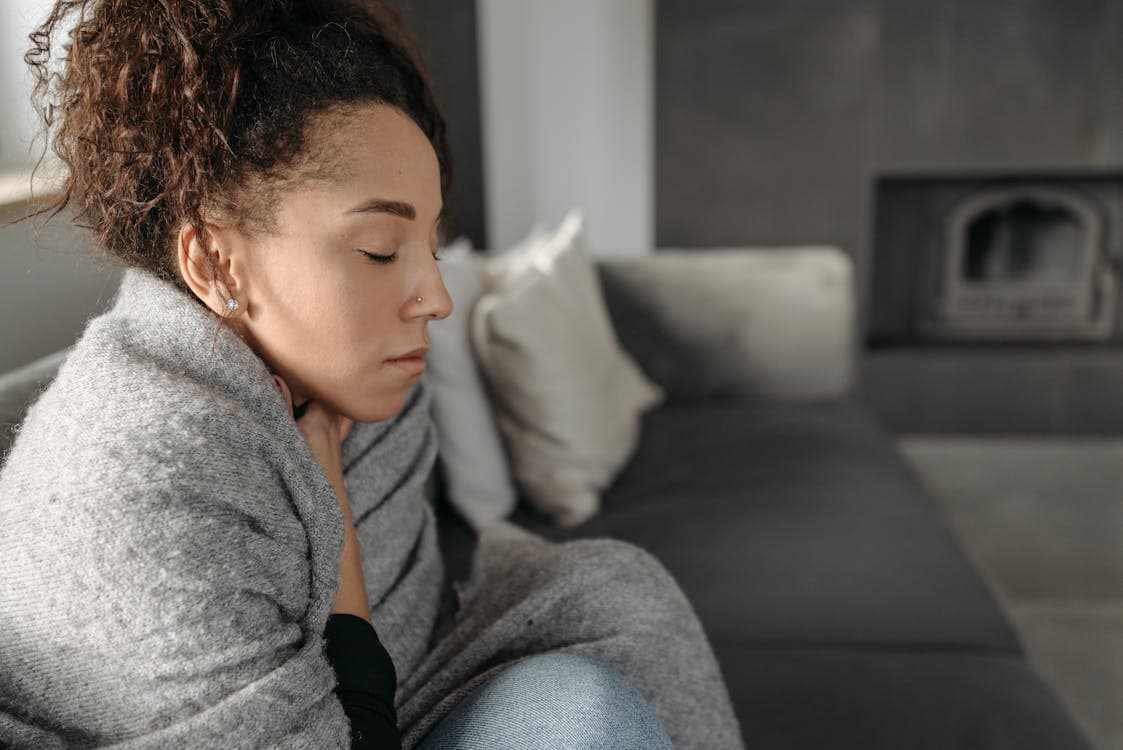
I used to laugh at weather forecasters until fibromyalgia taught me to read the thermometer with my knees. Winter used to mean cozy sweaters and hot cocoa; now it often means a slow slide into stiffness, pins-and-needles, and a whole-body grumpiness that no blanket seems to fix.
I’ve learned the hard way that feeling cold isn’t just uncomfortable — for us it can trigger flare-ups, fatigue, and days lost to bedrest. Over the years I’ve tried electric blankets, heated socks, mindful pacing, and more than one questionable coat.
This article gathers everything that’s helped me (and fellow Fibro Warriors) survive — and sometimes thrive — when the temperature drops.

What Cold Sensitivity Feels Like For Fibro Warriors
Cold sensitivity for those of us with fibromyalgia isn’t the same as being chilly. It’s a deep, bone-tiring ache that creeps into muscles and joints, makes trigger points scream, and amplifies fog and fatigue. Imagine your internal thermostat is broken and your nervous system keeps misreading signals — that’s close.
Your hands get numb, your feet go from warm to icicle in minutes, and your muscles tighten like cords. Simple tasks — opening a jar, walking the dog, answering the phone — suddenly require strategy.
Cold often acts like a bully: it doesn’t just make you uncomfortable, it destabilizes sleep, mood, digestion, and pain thresholds.
For many of us, cold sensitivity predicts a flare. For others, it’s a daily nuisance that forces us to adapt constantly. Whatever your experience, you’re not alone — and there are smart, practical ways to fight back.
Why The Cold Feels Worse With Fibromyalgia
Nervous System Overreaction
Fibromyalgia is, at its core, a nervous system condition. Signals get amplified, misrouted, and misunderstood. When temperature sensors send “cold” messages, the brain and nerves can overreact, causing exaggerated pain, numbness, or blood-flow changes.
Circulation And Tiny Blood Vessel Responses
Cold triggers vasoconstriction — your body tightens blood vessels to keep your core warm. For many Fibro Warriors, that response is erratic. Hands and feet lose warmth quickly, leading to pins-and-needles or acrocyanosis-like sensations (cold, sometimes bluish extremities).
Muscle Tension And Stiffness
Cold causes muscles to tense up reflexively. Add fibromyalgia’s predisposition toward muscle pain and trigger points, and you’ve got stiffness that lasts for hours — sometimes days.
Sleep Disruption And Domino Effects
Being cold interferes with the quality and depth of sleep. Since fibromyalgia already makes deep, restorative sleep rare, colder nights can turn mild pain into a full-blown flare. Poor sleep then worsens pain sensitivity — vicious cycle.
Mindset First: Accepting The Reality (But Not Giving Up)
Before diving into tools and tactics, let’s set the tone. Accept that your body will react differently to cold. Acceptance doesn’t mean resignation — it means being realistic so you can plan.
Stop feeling guilty for wearing socks in bed or using a heater at the desk. Fibromyalgia isn’t visible; your comfort is valid. From that place of acceptance you can build realistic, sustainable strategies rather than fighting an invisible, exhausting battle.
Layering: The Art And Science Of Warmth
Layering isn’t fashion; it’s survival.
Why Layering Works
- Layering traps pockets of warm air close to your body, creating insulation.
- Multiple thinner layers are better than one bulky layer because you can adjust easily.
- Layers reduce the shock to your nervous system when you move between temperatures.
Practical Layering Approach
- Base Layer (Next-To-Skin): Breathable and moisture-wicking — think lightweight cotton blends, silk, or merino wool. Keeps you dry so you don’t lose heat from dampness.
- Middle Layer (Insulation): Fleece, wool, or quilted materials. This is your warmth reservoir.
- Outer Layer (Barrier): Windproof or water-resistant jacket to block drafts and maintain the microclimate you’ve created.

Clothing Table: Suggested Layers And When To Use Them
| Layer | Material Examples | Use Case |
|---|---|---|
| Base | Merino wool, silk, bamboo blends | Indoors, light movement |
| Mid | Fleece, lightweight down, knit | Cold homes, brief outdoor errands |
| Outer | Windbreaker, softshell, insulated coat | Proper outdoor use, windy conditions |
| Accessories | Thermal socks, glove liners, neck gaiter | Extremity protection |
Pro Tips
- Keep a small “warm kit” in your bag: a thin pashmina, light gloves, and an emergency pair of warm socks.
- Wear layers that don’t require much movement to put on — zippers and pullovers are easier than tights or complicated fasteners on bad days.
Protecting Extremities: Hands, Feet And The Neck Matter Most
My hands betray me more than any other part of my body. Cold fingers mean dropped mugs, dropped keys, and lots of “oops.” Protecting extremities is non-negotiable.
Hands
- Glove Liners: Thin liners warm your hands without sacrificing dexterity.
- Fingerless Gloves: Great indoors — keep palms warm while allowing you to type and text.
- Hand Warmers: Rechargeable or disposable packs fit in gloves or pockets.
- Desk Options: Heated mouse pads, heated wrist rests, or small desk heaters aimed at your hands.
Feet
- Thick Socks + Insoles: Wool or thermal socks with heated insoles or microwavable foot warmers.
- Slippers With Support: Good for circulation and preventing pain from walking on cold floors.
- Sleep Socks: Keep a pair for nighttime to reduce sleep disruptions.
Neck And Chest
- Neck Gaiters/Scarves: Warm the carotid region which helps your whole body feel warmer.
- Vests: Core warmth is crucial — a thin insulated vest under your top can be magic.
Heat Therapy: Short-Term Relief, Long-Term Strategy
Heat is an immediate, glorious relief for muscles and trigger points. It’s not a cure, but it’s one of the best tools in our bag.
Approaches To Heat Therapy
- Heating Pads: Electric or microwavable pads applied to sore areas.
- Hot Water Bottles: Old-school but effective, especially for the lower back or abdomen.
- Warm Baths/Showers: Let the water work on muscles; add Epsom salts if they help you.
- Infrared Heating Devices: Some Fibro Warriors find infrared warmth penetrates deeper and feels better.
- Sauna Or Steam Rooms: If safe and accessible, these can help with circulation and stiffness — but only in moderation and with doctor approval.
Tips For Safe Heat Use
- Avoid overheating the skin — burns happen when you’re in pain and less likely to notice.
- Alternate heat with gentle movement: heat to relax, then move to maintain circulation.
- Electric blankets are wonderful, but unplug before getting up to avoid tripping or burns.
Move To Warm Up: Gentle Exercise And Circulation Boosters
When the cold makes you sluggish, paradoxically moving helps more than resting — as long as movement is gentle and paced.
Low-Impact Options
- Gentle Stretching: Upper body rotations, neck circles, ankle pumps.
- Chair Yoga: Perfect for low-energy days; helps circulation.
- Short Walks Indoors: 5–10 minutes every hour can keep hands and feet warmer.
- Under-Desk Pedals or Bikes: Keeps circulation going while seated.
- Isometric Moves: Squeeze and release motions to generate warmth without strain.
Pacing Is Key
- Use the “can-do” approach: do a little when you can, and stop when it’s enough.
- Use timers or gentle reminders so you don’t overdo it on a “good” day.
Warm Food And Drink: Internal Heat Helpers
Sipping warmth works: tea, broth, and a soothing mug of soup can make the difference between feeling frozen and functional.
Ideas That Actually Help
- Spiced Teas: Ginger, cinnamon, or chai boosts circulation and feels cozy.
- Warm Soups and Broth: Bone broth or vegetable soups are easy to digest and warming.
- Thermic Foods: Proteins and complex carbs increase the thermic effect of food — think nuts, beans, whole grains.
- Avoid Ice-Cold Beverages: They can chill you from within.
Quick Warm Snacks For On-The-Go
- Thermos of soup
- Instant oat packets (add hot water)
- Hot tea in insulated mug
Home Environment: Make Your Space Work For You
Small adjustments at home can massively reduce cold-triggered flares.
Heating And Draft Control
- Seal Drafts: Weather-strip windows and doors; draft stoppers for under doors.
- Smart Heating: Use programmable thermostats to keep rooms at consistent temps during peak use.
- Zone Heating: Space heaters in the room you use most — but keep safety in mind.
Flooring
- Rugs and carpet reduce cold floors. If you have tile, insulate with rugs or wear slippers with solid soles.
Bed And Sleep Setups
- Heated Mattress Pads: Warm the bed before you get in — heavenly.
- Layered Bedding: Start with a breathable sheet, then insulating layers you can remove at night.
- Cool-To-Warm Strategy: Start warm to fall asleep, then keep a light layer to avoid waking chilled.
Clothing And Tech: Modern Tools That Help
Technology and smart textiles have made winter survival easier.
Heated Clothing
- Battery-heated jackets, vests, and gloves exist — use them carefully and don’t over-rely on them.
- Heattech fabrics (from various brands) provide thermal efficiency without bulk.
Socks And Insoles
- Heated insoles, wool socks, and compression socks (if recommended by your doctor) support circulation.
Wearables For Comfort
- Portable USB heaters, heated seat cushions, and wearable shawls can be discreet and effective.
Nutrition, Supplements, And Medical Considerations
Food and nutrients won’t make you impervious to cold, but they support overall resilience.
Nutrition Tips
- Keep protein and healthy fats in your diet to support metabolism.
- Small, frequent warm meals can help maintain baseline warmth.
Supplements That Some Find Helpful
- Vitamin D (especially in winter months) — many of us are low and feel worse when deficient.
- Magnesium for muscle relaxation.
- Always check with your healthcare provider before starting supplements.
Check For Comorbid Conditions
- Raynaud’s, hypothyroidism, anemia, and peripheral vascular issues can worsen cold sensitivity. If your hands/feet change color or you have other unusual symptoms, see your doctor for testing.
Pacing, Planning, And Lifestyle Adjustments
Cold sensitivity isn’t only physical — it impacts how we plan our days and lives.
Plan Around Temperature
- Schedule outdoor tasks for the warmest part of the day.
- Keep errands consolidated so you don’t go in and out multiple times.
- Use curbside pickup or delivery when temperature makes going out risky.
Pacing Strategy
- On “good” warmer days, split tasks into smaller chunks.
- Rest before leaving the house — pre-warm with a heating pad so you don’t go out chilled.
Emotional Pacing
- It’s okay to say no. Social activities during winter are optional. Choose what fills you rather than drains you.
Workplace And Public Spaces: Advocating For Comfort
Cold at work or in public spaces can be a daily challenge. You have the right to comfort.
Practical Workplace Solutions
- Keep a small heater (if allowed) or a heated cushion under your chair.
- Ask about dress-code flexibility — layers or slippers discreetly covered by indoor shoes.
- Use noise-cancelling headphones with heat-retaining ear pads if your ears get cold.
How To Ask Without Guilt
- Explain briefly: “I have a medical condition that makes me sensitive to cold — would it be okay if I used a small heater?” Most people are understanding when you talk honestly and calmly.
- Provide solutions: offer to keep it safe, low-watt, or turn it off when leaving.
Travel Tips: Staying Warm On The Move
Traveling exposes you to unpredictable temperatures — plan for it.
Long Car Rides
- Use insulated seat covers, keep a travel blanket, and plan frequent stops to move.
- Portable heated seats or travel heating pads are compact and effective.
Public Transit And Planes
- Dress in layers and bring a compact blanket or pashmina.
- Wear compression socks on flights if you have circulation concerns.
Road Trips And Errands
- Keep a “car kit” with warm socks, gloves, hand warmers, and a thermos of warm drink.
Social And Emotional Strategies: You’re Not Alone
Cold sensitivity is isolating, but community eases that feeling.
Build A Support Network
- Share tips with friends and family so they understand your needs.
- Find online Fibro groups for winter survival ideas and emotional support.
Normalize Self-Care
- Stop apologizing for comfort tools. If a heated blanket makes your life better, say it proudly.
- Share your experiences with humor — it helps others understand without pity.
Mental Tricks: Reframing The Cold
Sometimes mindset helps more than you’d expect.
Use Small Rituals
- Make the act of warming a ritual: tea, blanket, five minutes of breathing. Rituals create predictability and soothe nerves.
Gratitude With Limits
- Appreciate small wins (a warm pair of socks!) while still acknowledging the struggle. Gratitude without minimization.
Visualizations
- Visualize warmth flowing into the part of the body that hurts. This isn’t magic, but relaxation can reduce tension and perceived pain.
Tools, Gadgets, And A Practical Checklist
Here’s a no-nonsense checklist to keep on your fridge or phone for cold days:
- Layered base, mid, and outer (easy on/off).
- Warm socks and spare pair in bag.
- Neck gaiter or scarf.
- Heating pad or hot water bottle.
- Hand and foot warmers (rechargeable if possible).
- Heated insoles or supportive slippers.
- Thermos with warm drink.
- Under-desk heater or heated cushion.
- Rug for cold floors; slippers for quick trips.
- Car kit: blanket, warm socks, thermos, hand warmers.
Strategy, Best Use, Quick Tip
| Strategy | Best Use | Quick Tip |
|---|---|---|
| Layering | All-day wear | Keep a thin scarf in every bag |
| Heat Therapy | Targeted pain | Use 20-30 minute sessions |
| Extremity Protection | Hands/Feet | Always carry spare socks |
| Movement | Circulation | 5-minute hourly breaks |
| Warm Foods | Internal warmth | Carry tea in an insulated mug |
| Home Modifications | Daily life | Seal drafts; add rugs |
| Workplace Tools | At desk | Small, safe space heater |
| Travel Kit | On the go | Compression socks + thermos |
When To Seek Medical Advice
Some cold-related symptoms aren’t just annoying — they may indicate something else. Talk to your doctor if you notice:
- Fingers or toes turning white, blue, or very painful in cold (possible Raynaud’s).
- Sudden, dramatic changes in circulation or color.
- Excessive intolerance to cold with weight loss or other systemic signs.
- Your medications might be affecting temperature regulation — review with your prescriber.
FAQs
1. Why Do I Feel So Cold All The Time With Fibromyalgia?
Fibromyalgia affects the nervous system and how it interprets signals. Your body may misread normal temperature cues, overreact, or constrict blood flow too much. Add muscle tension and sleep disruption and the cold feels amplified.
2. Will Heating Pads Make My Fibro Worse?
No — when used safely, heat is a frontline symptom reliever. Avoid heat directly on skin for extended periods; alternate with movement and follow manufacturer safety guidelines.
3. Are Heated Clothes Safe For Fibromyalgia Sufferers?
Yes, in moderation. Battery-heated gear can be a lifesaver, but avoid overheating and ensure batteries and devices are in good condition. Don’t sleep in active heating gear unless it’s explicitly designed for overnight use.
4. Can Certain Foods Actually Warm Me Up?
Warm beverages and thermic foods (which raise metabolic heat) can help. Spicy ginger tea, broths, and proteins are simple, effective choices.
5. Is Cold Sensitivity A Sign Of Something Else, Like Raynaud’s?
Sometimes. If your fingers or toes change color or become painful with cold, get evaluated for Raynaud’s or vascular issues.
6. How Do I Ask For Accommodations At Work Without Feeling Embarrassed?
Be direct and short. Explain you have a medical condition causing sensitivity and propose simple, safe solutions (small heater, dress code flexibility). Most employers will accommodate reasonable requests.
7. Will Moving More Make The Cold Go Away?
Movement improves circulation and can reduce cold’s immediate effects, but balance is key. Gentle, paced movement is better than over-exerting on “good” days.
8. Is There A Cure For Cold Sensitivity In Fibromyalgia?
There’s no one cure because cold sensitivity is part of a broader nervous system dysregulation. But many strategies — layering, heat therapy, nutrition, environment control, and medical management — can reduce impact dramatically.
9. How Do I Prepare For A Travel Day In Winter?
Pack layers, a travel blanket, warm socks, hand warmers, an insulated mug with a warm drink, and a small “comfort kit.” Allow extra time and choose the warmest travel windows.
10. Can Supplements Help With Cold Sensitivity?
Some people benefit from vitamin D or magnesium, but talk to your doctor before starting anything. Supplements aren’t substitutes for practical warmth strategies.
Real-Life Mini-Stories From The Fibro Trenches (Because We Love Relatable Truths)
- The Heated Mouse Revelation: I thought a heated mouse pad sounded ridiculous until I typed for an hour without my fingers going numb. Tiny luxuries = big wins.
- Thermos To The Rescue: I started bringing soup in a thermos on icy days and found I could stay out longer without my core collapsing into pain.
- Blanket On The Plane: I once used a small fleece blanket and a neck gaiter on a cold flight and arrived home with a fraction of the typical stiffness. Simple, often overlooked wins.
Self-Care Ritual: A Quick 7-Minute Warm-Up Sequence
Use this sequence before you leave the house or when you come inside from the cold:
- Sip 1 cup of warm tea (30–60 seconds while seated).
- Neck circles and shoulder rolls (1 minute).
- Ankle pumps and toe wiggling (1 minute).
- Seated knee lifts or march in place (1 minute).
- Hands squeeze – open – repeat (1 minute).
- Hug yourself and breathe deeply for 1 minute.
- Apply a warm pack to lower back or chest for 1 minute.
This short routine jumpstarts circulation and readies your nervous system for the day.
Emotional Honesty: When The Cold Feels Crushing
Cold sensitivity isn’t just physical; it can be emotionally crushing. You might feel left out of winter activities, guilty for declining invitations, or helpless. Acknowledge those feelings. Reach out to friends and Fibro communities for empathy, not solutions. Sometimes people don’t get it — that’s on them, not you.
Teaching Others Without The Drama
Want people to stop making comments like “But you look fine!”? Try one of these lines:
- Short and factual: “Fibromyalgia is mostly invisible. Cold makes my symptoms worse.”
- Light and honest: “I look okay, but my body’s thermostat is broken — I need a few extra layers, thanks.”
- Teach with humor: “My superpower? Predicting weather with my knees. My weakness? Cold.”
Keep it simple — most folks respond well when you avoid long medical lectures.
Building A Winter Survival Kit For Fibro Warriors
Essentials:
- Heated socks or insoles
- Neck gaiter or scarf
- Thin layers for easy on/off
- Heating pad (portable)
- Emergency pair of wool socks in bag
- Thermos for warm drinks
- Disposable or rechargeable hand warmers
- Small rug or lap blanket for public seating
Optional Luxuries:
- Heated vest or jacket
- Infrared lamp for targeted warmth
- Electric blanket for bed warm-up
- Under-desk heater for work
When The Cold Brings On Guilt: A Gentle Reminder
You are not lazy. You are not weak. You are managing an invisible illness in a world built for someone else’s thermostat. It’s okay to prioritize your comfort. It’s okay to say no. Comfort is a strategy, not a concession.
Conclusion
Cold sensitivity is one of those sneaky fibromyalgia challenges that shows up uninvited and insists on making everything harder. But it doesn’t have to win.
By taking a multi-pronged approach — mindset, layers, extremity protection, heat therapy, gentle movement, smart nutrition, home fixes, and strategic planning — we can reduce cold’s hold on our lives.
The goal isn’t perfection; it’s predictability and small wins. Wear the sweater, use the heated blanket, keep the thermos, and be unapologetic about protecting your body.
Life with fibromyalgia is often about creativity and small rituals — and when the temperature drops, those small rituals are how we stay upright, warm, and human.
We’re in this together. What’s one cold-fighting trick that saved you a flare? Share it — your tip may be exactly what another Fibro Warrior needs today.