
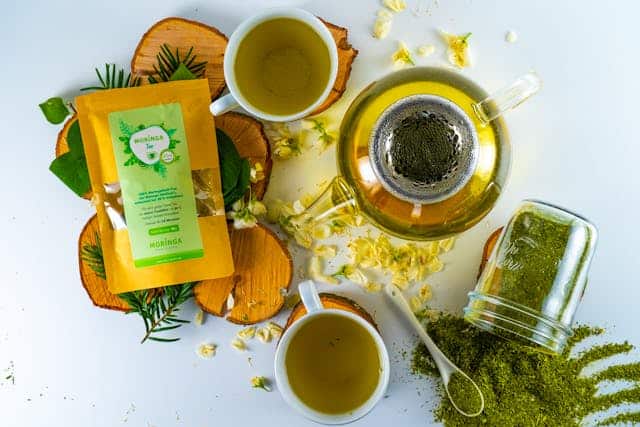
Moringa, often called the “miracle tree,” is gaining popularity as a nutrient-packed superfood that delivers a host of health benefits. With its rich profile of vitamins, minerals, proteins, and antioxidants, moringa has been used for centuries in traditional medicine and is now making its way into modern kitchens and wellness routines.
In this article, we break down the top health benefits of moringa in a clear, friendly, and helpful way. Whether you’re looking to boost your immune system, support heart health, or simply add a nutritious twist to your meals, read on to discover how moringa can be a versatile ally in your journey to better health.

Antioxidant Powerhouse
Moringa is renowned for its high antioxidant content. Antioxidants play a crucial role in neutralizing free radicals—unstable molecules that can damage cells and contribute to chronic diseases such as cancer, heart disease, and diabetes.
Key Points:
- Rich in Vitamin C & Beta-Carotene: Moringa leaves are loaded with vitamin C and beta-carotene, two potent antioxidants that help protect cells from oxidative stress.
- Polyphenols and Flavonoids: Compounds like quercetin, rutin, and chlorogenic acid add to its antioxidant capacity.
- Cellular Protection: These nutrients work together to safeguard your cells, support healthy aging, and reduce inflammation.
By including moringa in your diet, you give your body a natural shield against the damage caused by environmental toxins and stress. Enjoy a cup of moringa tea or add a teaspoon of moringa powder to your smoothie to take advantage of these benefits.
Balances Blood Sugar Levels
Blood sugar regulation is vital for maintaining energy levels and preventing chronic conditions like type 2 diabetes. Research indicates that moringa may play a supportive role in balancing blood sugar levels.
Key Points:
- Insulin Function Support: Bioactive compounds in moringa may help stimulate the pancreatic cells responsible for insulin production.
- Animal and Human Studies: Several studies—mostly in animals—have shown that moringa extracts can reduce blood sugar spikes. A small human study found that daily consumption of moringa leaf powder helped lower post-meal blood sugar levels.
- Natural Alternative: While more research is needed, especially in larger human trials, moringa shows promise as a natural adjunct to support blood sugar control.
For those looking to maintain stable energy levels throughout the day, adding moringa to your diet might just be a tasty way to support your body’s insulin response.
Boosts Immune System
A robust immune system is your body’s best defense against illness. Moringa’s dense nutrient profile is particularly supportive of immune health.
Key Points:
- Nutrient Density: The leaves are a powerhouse of vitamins A, C, and E, all known to enhance immune cell function.
- Essential Minerals: Moringa supplies vital minerals like calcium and potassium, which contribute to overall health and a balanced immune response.
- Antioxidant Synergy: The combination of antioxidants helps reduce oxidative stress, further supporting the immune system.
Regularly incorporating moringa into your meals or beverages can help strengthen your body’s natural defenses. Whether in a smoothie, salad, or tea, moringa is a simple way to give your immune system a little extra support.

Promotes Healthy Skin & Hair
Looking for a natural way to enhance your skin and hair? Moringa might be your new beauty secret. Its rich blend of vitamins and antioxidants not only nourishes your body from within but also shows positive effects on external appearance.
Key Points:
- Collagen Support: Vitamins C and E in moringa help promote collagen production, essential for maintaining skin elasticity and firmness.
- Nutrient-Rich: The blend of minerals and proteins aids in maintaining healthy hair and skin, contributing to a natural glow.
- Anti-Aging Properties: Antioxidants combat oxidative stress, which can lead to premature aging, wrinkles, and dull skin.
Using moringa-based skincare products or adding moringa powder to your diet can contribute to smoother skin and stronger, shinier hair. A daily intake of moringa might be the natural boost you need to look and feel your best.
Anti-Inflammatory Benefits
Chronic inflammation is at the root of many health issues, from arthritis to heart disease. Moringa offers natural anti-inflammatory benefits that can help reduce this persistent condition.
Key Points:
- Natural Inhibitors: Moringa contains bioactive compounds that help block the production of inflammatory molecules.
- Research Insights: Studies have demonstrated that moringa extracts can reduce markers of inflammation in animal models.
- Overall Health: By lowering inflammation, moringa may help protect against chronic diseases and support overall well-being.
Whether you enjoy it as a tea or incorporate the powder into your cooking, moringa’s anti-inflammatory properties can be a valuable addition to your daily routine, promoting a balanced inflammatory response in your body.
Supports Cardiovascular Health
Heart health is a top priority for long-term wellness, and moringa may offer support in several ways. Its unique nutrient composition can contribute to a healthier cardiovascular system.
Key Points:
- Cholesterol Control: Some studies suggest that moringa can help lower bad cholesterol (LDL) while supporting good cholesterol (HDL).
- Blood Pressure Regulation: Moringa’s vasodilator properties may assist in lowering blood pressure, reducing strain on the heart.
- Antioxidant Protection: The antioxidants in moringa help protect heart tissues from oxidative stress, potentially reducing the risk of cardiovascular disease.
By incorporating moringa into your diet, you’re providing your heart with nutrients that may help maintain its function and resilience. Consider adding moringa powder to a morning smoothie or tea for a heart-friendly boost.
Aids Digestion
A healthy digestive system is essential for absorbing nutrients and maintaining overall health. Moringa’s natural fiber and bioactive compounds make it a supportive addition to your digestive regimen.
Key Points:
- High Fiber Content: Moringa leaves are a good source of dietary fiber, which aids in regulating digestion and preventing constipation.
- Digestive Enzymes: Certain compounds in moringa help stimulate the production of digestive enzymes, facilitating better nutrient absorption.
- Gut Health: By supporting a healthy gut environment, moringa may contribute to improved digestion and overall gastrointestinal comfort.
Enjoying a cup of moringa tea after a meal or sprinkling moringa powder on your salad can help enhance your digestive process and keep your gut happy.
Nutrient-Dense Superfood
Moringa is celebrated as a superfood because of its impressive nutritional profile. Its leaves, in particular, are packed with essential nutrients that can help fill gaps in your diet.
Nutritional Snapshot (per 2-teaspoon serving of moringa powder):
| Nutrient | Amount | % Daily Value* |
|---|---|---|
| Calories | 15 kcals | — |
| Protein | 1 g | — |
| Fat | 0 g | — |
| Carbohydrates | 2.6 g | — |
| Fiber | 1 g | — |
| Iron | 4.8 mg | 25% |
| Calcium | 100 mg | 8% |
*Percent daily values are based on a 2,000 calorie diet.
Key Points:
- Complete Protein: Moringa leaves contain all nine essential amino acids.
- Vitamins & Minerals: Rich in vitamins A, C, and E, and minerals like calcium, potassium, and iron.
- Versatility: This nutrient-dense profile makes moringa a powerful tool for combating malnutrition and supporting overall health.
This table provides a quick overview of why moringa is considered one of nature’s nutritional powerhouses. Its balanced nutrient content supports a wide range of bodily functions, from energy production to cellular repair.
Enhances Cognitive Function & Mood
Emerging research suggests that moringa may have a positive effect on brain health and mood. Its antioxidant properties help protect brain cells, while certain bioactive compounds may promote neurotransmitter balance.
Key Points:
- Brain Protection: The antioxidants in moringa help reduce oxidative stress in brain cells, potentially slowing cognitive decline.
- Mood Support: Preliminary studies in animal models indicate that moringa extract may help alleviate symptoms of depression and anxiety.
- Memory and Focus: Nutrients such as vitamin B complex support neurotransmitter function, which is essential for memory, focus, and overall cognitive function.
While more research is needed to fully understand these benefits in humans, incorporating moringa into your daily diet might offer a gentle boost for your brain and mood.
Versatile for Culinary & Lifestyle Uses
One of the best things about moringa is its versatility. Not only does it offer remarkable health benefits, but it also easily integrates into a variety of culinary dishes and lifestyle products.
Key Points:
- Smoothies & Teas: Moringa powder is a popular addition to smoothies, teas, and juices, providing a nutritional boost with a subtle earthy flavor.
- Curries & Soups: In many cultures, especially in South Asia, moringa is used in curries and soups. Its drumstick pods, also known as “drumsticks,” add flavor and nutrients to your meals.
- Skincare Products: Moringa oil and extracts are increasingly used in natural skincare products for their moisturizing, anti-aging, and anti-inflammatory properties.
- Culinary Creativity: Whether you sprinkle the powder on a salad, mix it into a sauce, or blend it into a homemade energy bar, moringa is a simple way to enhance your diet.
By experimenting with different recipes and product forms, you can easily incorporate this superfood into your daily life, enjoying both its nutritional benefits and its diverse flavors.
Conclusion
Moringa stands out as a truly remarkable plant—a nutrient-dense superfood that offers a wealth of health benefits. From its antioxidant prowess and blood sugar regulation to its support for heart health, digestion, and even cognitive function, moringa is a versatile addition to any wellness routine.
Whether you prefer it as a powder, tea, or oil, incorporating moringa into your diet can help boost your overall health naturally.
Remember to consult with a healthcare provider before adding new supplements to your routine, especially if you have underlying health conditions or are taking medication. Start small, experiment with recipes, and enjoy the journey toward a healthier you with moringa!
FAQs
Q1: How do I add moringa to my diet?
A1: You can add moringa powder to smoothies, teas, soups, or sprinkle it over salads. It’s also available in capsule form for easy supplementation.
Q2: Are there any side effects of consuming moringa?
A2: Moringa is generally safe when consumed in moderate amounts. However, excessive intake may cause digestive issues. Avoid consuming the roots or bark, as they can be toxic.
Q3: Can moringa help manage blood sugar levels?
A3: Preliminary research suggests that moringa may support blood sugar regulation by enhancing insulin function, but more human studies are needed to confirm this effect.
Q4: Is moringa beneficial for skin and hair?
A4: Yes, the vitamins and antioxidants in moringa can promote collagen production, improve skin elasticity, and contribute to healthier, stronger hair.
Q5: Who should avoid taking moringa supplements?
A5: Pregnant women, young children, and individuals on certain medications (such as antidiabetics or thyroid drugs) should consult a healthcare provider before using moringa supplements.
By taking the time to understand and appreciate the many benefits of moringa, you can make informed choices about incorporating this versatile plant into your diet and lifestyle. Enjoy the natural boost and explore the many ways moringa can help support your overall health!