
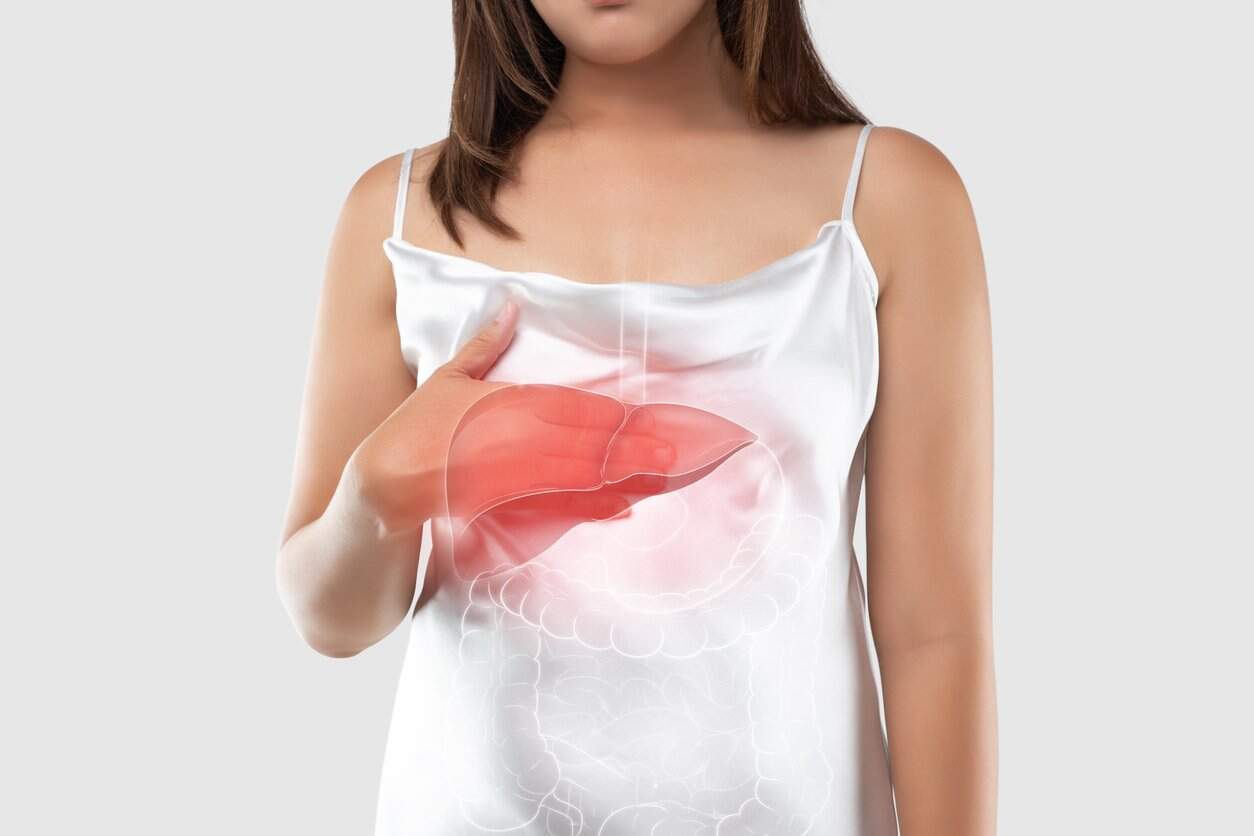
Fatty liver disease, officially known as nonalcoholic fatty liver disease (NAFLD), affects millions worldwide.
It occurs when excess fat builds up in liver cells, interfering with important functions like detoxification, energy storage, and nutrient processing.
While mild cases often go unnoticed, untreated fatty liver can progress to inflammation, fibrosis, and even cirrhosis.
The good news? Dietary changes are one of the most powerful tools you have to reverse or manage this condition.
This article cuts through the noise to give you a friendly, step-by-step guide to the optimal fatty liver diet—what to eat, what to avoid, practical meal ideas, and simple lifestyle tweaks that make a real difference.

What Is Fatty Liver Disease and Why Diet Matters
Fatty liver disease ranges from simple steatosis (fat accumulation) to nonalcoholic steatohepatitis (NASH), where inflammation and liver cell damage occur.
Key drivers include excess calories, high sugar intake, and sedentary habits—all directly tied to what we eat and how active we are.
By shifting toward nutrient-dense, whole foods and cutting back on refined carbs, unhealthy fats, and alcohol, you can:
- Reduce liver fat by encouraging your body to burn stored triglycerides.
- Lower inflammation through antioxidants and anti-inflammatory compounds in fruits, vegetables, and healthy oils.
- Improve insulin sensitivity so your body uses glucose more effectively, preventing further fat buildup.
Core Principles of a Fatty Liver Diet
- Aim for Gradual Weight Loss
Losing just 5–10% of body weight can slash liver fat by nearly half. Focus on sustainable changes: small calorie deficits, balanced meals, and regular activity. - Embrace a Mediterranean-Style Pattern
Think olive oil, nuts, seeds, legumes, whole grains, fish, and plenty of colorful produce. This pattern is rich in monounsaturated fats, fiber, and antioxidants—all liver-friendly nutrients. - Balance Macronutrients
- Protein: Moderate portions support muscle health and help you feel full.
- Carbohydrates: Opt for whole-grain and fiber-rich sources to stabilize blood sugar.
- Fats: Prioritize unsaturated fats; limit saturated and trans fats.
- Practice Mindful Eating
Slow down, savor each bite, and stop when you’re comfortably satisfied. This reduces overeating and supports better digestion.
Foods to Include
1. Colorful Fruits and Vegetables
- Why: Packed with fiber, vitamins, minerals, and phytonutrients that protect liver cells and reduce inflammation.
- Key Picks: Berries (blueberries, strawberries), leafy greens (spinach, kale), cruciferous veggies (broccoli, Brussels sprouts), bell peppers, carrots, and tomatoes.
- Tips: Aim for at least five servings a day. Blend berries into smoothies, sneak extra greens into omelets or soups, and roast mixed vegetables as a side.
2. Whole Grains and Fiber
- Why: Slow-digesting carbs that prevent blood sugar spikes and feed beneficial gut bacteria, which in turn support liver health.
- Key Picks: Oats, quinoa, brown rice, barley, whole-wheat pasta, and bulgur.
- Tips: Swap white rice for brown, start breakfast with steel-cut oats, and choose whole-grain bread.
3. Lean Proteins
- Why: Builds and repairs tissues without the saturated fat load of red meat. Protein also increases satiety.
- Key Picks: Skinless poultry, fish (especially fatty types like salmon and mackerel, which supply omega-3s), legumes (beans, lentils, chickpeas), and low-fat dairy or dairy alternatives.
- Tips: Grill or bake chicken breast instead of frying, make fish tacos with whole-grain tortillas, and add beans to salads for extra protein.
4. Healthy Fats
- Why: Unsaturated fats help lower bad cholesterol and curb inflammation. Omega-3s specifically are linked to reduced liver fat.
- Key Picks: Extra-virgin olive oil, avocado, nuts (almonds, walnuts), seeds (flaxseed, chia), and fatty fish.
- Tips: Drizzle olive oil on salads, snack on a handful of nuts, and stir ground flaxseed into yogurt or oatmeal.
5. Beneficial Beverages
- Why: Proper hydration and certain compounds in coffee and tea support liver detoxification and antioxidant activity.
- Key Picks: Water (infused with citrus or cucumber), black coffee (limit additions), and green tea.
- Tips: Aim for 8–10 cups of water daily, enjoy 2–3 cups of coffee if tolerated, and sip green tea between meals.
Foods to Avoid
| Category | What to Skip | Why It Hurts |
|---|---|---|
| Saturated & Trans Fats | Red meat, full-fat dairy, fried foods, and pastries | Increases LDL cholesterol and liver fat storage |
| Refined Carbs & Sugars | White bread, pastries, sugary cereals, soda | Spike insulin, drive de novo lipogenesis (new fat) |
| Alcohol & Sweetened Drinks | Beer, wine, spirits, fruit juices, energy drinks | Direct liver toxin; adds empty calories |
| Highly Processed Foods | Fast food, chips, processed meats | High in salt, additives, unhealthy fats, and sugar |

Sample 1-Day Meal Plan
| Meal | Menu |
|---|---|
| Breakfast | Bowl of steel-cut oats topped with mixed berries, a tablespoon of chopped walnuts, and a sprinkle of ground flaxseed. |
| Mid-Morning Snack | A cup of plain Greek yogurt with sliced peaches or a small handful of almonds. |
| Lunch | Grilled salmon over a bed of mixed greens, cherry tomatoes, cucumber, chickpeas, and a lemon-olive oil dressing. |
| Afternoon Snack | Carrot sticks and bell pepper slices with hummus or a piece of whole fruit. |
| Dinner | Stir-fry with skinless chicken, broccoli, bell peppers, snap peas, garlic, and ginger served over brown rice. |
| Evening | A cup of green tea or herbal infusion. |
Cooking Tips & Portion Control
- Cooking Methods: Grill, bake, steam, or sauté using minimal oil.
- Plate Portioning: Fill half your plate with non-starchy veggies, one quarter with lean protein, and one quarter with whole grains.
- Mindful Practices: Eat without screens, chew each bite 20–30 times, and pause halfway through to assess fullness.
Lifestyle Habits Outside the Kitchen
- Physical Activity
- Aim for at least 150 minutes of moderate aerobic exercise (brisk walking, cycling) per week.
- Incorporate strength training (twice weekly) to boost metabolism.
- Even gentle movement—gardening, dancing, or yoga—supports liver function.
- Sleep & Stress Management
- Prioritize 7–9 hours of quality sleep; poor sleep can worsen insulin resistance.
- Practice stress-reduction techniques like meditation, deep breathing, or journaling. Chronic stress can drive inflammation.
- Regular Monitoring
- Work with your healthcare provider to check liver enzymes every 3–6 months.
- Consider imaging to track fat levels and fibrosis over time.
Frequently Asked Questions
Q1: How quickly can I see improvements in liver fat?
A: With consistent diet and exercise, many people notice better energy levels and mild liver enzyme improvements within 8–12 weeks. Significant reductions in liver fat often take 3–6 months of sustained change.
Q2: Is it okay to have fruit if I’m cutting sugar?
A: Yes. Whole fruits contain fiber and nutrients that slow sugar absorption. Limit fruit juices and dried fruits, and choose berries, apples, and pears over tropical fruits high in natural sugars.
Q3: Can I ever eat dessert again?
A: Occasional small treats are fine if factored into your daily calorie goal. Opt for dark chocolate (70% cocoa+) or fruit-based desserts, and practice portion control.
Q4: What if I don’t like fish?
A: You can get omega-3s from walnuts, flaxseeds, chia seeds, and algae-based supplements. Focus on plant proteins like beans and lentils alongside healthy fats.
Q5: Are smoothies a good meal replacement?
A: They can be, but watch portions. Blend vegetables, a small piece of fruit, protein (Greek yogurt or protein powder), and a healthy fat source. Avoid adding sweeteners.
Q6: How much coffee is safe?
A: Up to 3 cups of black coffee per day is generally safe and may lower liver fat. Avoid excessive sugar or high-fat dairy in your coffee.
Q7: Should I track macros or calories?
A: Tracking can help build awareness, especially early on. Focus first on whole-food choices and portion sizes, then fine-tune with tracking if weight loss stalls.
Q8: Can intermittent fasting help?
A: Some people see benefits with time-restricted eating (e.g., 12–16 hour fasts), which may improve insulin sensitivity. Choose an approach that fits your lifestyle and doesn’t lead to overeating.
Conclusion
Reversing fatty liver disease is within your grasp when you prioritize a balanced, Mediterranean-style eating plan rich in whole fruits, vegetables, whole grains, lean proteins, and healthy fats.
Pair these dietary changes with regular physical activity, sufficient sleep, and stress management to unlock real improvements in liver health.
Remember: small, consistent changes—like swapping white rice for brown, sipping green tea instead of soda, or adding an extra serving of greens—add up to big results over time.
Empower yourself with knowledge, stay patient, and celebrate every step toward a healthier liver and a healthier you.