
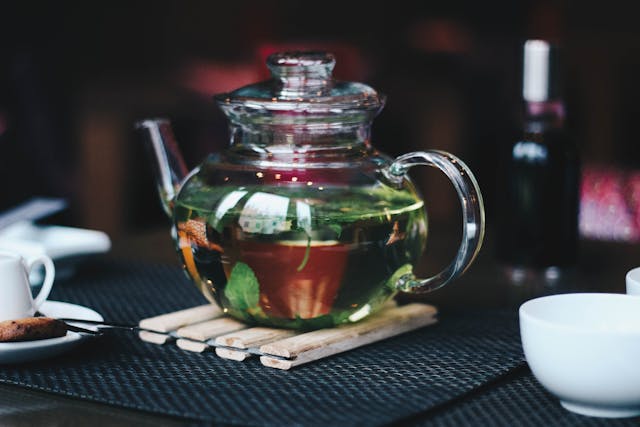
A healthy liver is essential for detoxification, metabolism, and overall well-being. While the body is quite capable of cleansing itself, certain herbal and true teas can lend a helping hand, thanks to their antioxidant, anti-inflammatory, and bile-stimulating compounds.
Below, you’ll find an in-depth guide to the seven best teas for supporting liver health, complete with detailed brewing instructions, recommended intakes, safety notes, and an FAQ section to address common questions.

Understanding Liver Cleansing with Tea
What Is a Liver Cleanse?
A “liver cleanse” generally refers to practices or supplements aimed at supporting the liver’s own detoxification pathways. Your liver processes toxins, drugs, and metabolic waste, converting them into forms your body can safely eliminate.
While dramatic “flush” regimens lack solid scientific backing, integrating specific liver-supportive teas into your daily routine can offer gentle, evidence-based support.
Why Tea?
Teas—both herbal tisanes and true teas—contain polyphenols, flavonoids, and other bioactive compounds. These molecules can:
- Neutralize free radicals (antioxidant action)
- Reduce inflammation in liver cells
- Stimulate bile flow, aiding fat-soluble toxin removal
- Modulate liver enzymes critical to Phase I & II detoxification
Integrating these teas into a balanced diet alongside fresh produce, lean protein, and proper hydration provides a holistic approach to liver health.
Choosing the Right Tea: Key Criteria
Before diving into individual teas, consider three factors:
| Criterion | What to Look For |
|---|---|
| Active Constituents | EGCG (green tea), silymarin (milk thistle), curcumin (turmeric), taraxasterol (dandelion) |
| Evidence Base | Preference: human clinical trials > animal studies; traditional use as supportive, but always seek peer-reviewed data |
| Safety Profile | Known herb–drug interactions, contraindications (e.g., gallstones, pregnancy), caffeine content |
The Top Teas for Liver Support
Green Tea
Key Benefits
- Rich in catechins (especially EGCG), which lower liver enzymes (ALT, AST) in fatty liver studies.
- May protect against cirrhosis, hepatitis, and hepatocellular carcinoma.
How to Brew (Detailed Steps)
- Heat water to 80 °C (176 °F)—just below boiling.
- Add 1 teaspoon loose leaves or 1 teabag to a pre-warmed mug.
- Pour water over leaves and steep 3–5 minutes (longer yields a stronger brew but more astringency).
- Strain leaves or remove the teabag, then enjoy—optionally with a slice of lemon to boost absorption.
Recommended Intake
- 2–3 cups daily. Spread throughout the day—avoid on an empty stomach if you’re sensitive to tannins.
Precautions
- Contains caffeine (≈30–50 mg per cup).
- High-dose extracts (e.g., supplements) may stress the liver—stick to brewed tea.
- Those with iron-deficiency anemia should drink between meals to minimize iron-absorption interference.
Dandelion Tea
Key Benefits
- Acts as a natural diuretic, helping flush water-soluble toxins.
- Taraxasterol and chicoric acid support bile production and antioxidant defenses.
How to Brew
- Boil water to 100 °C (212 °F).
- Add 1–2 teaspoons dried root or leaf to a teapot or infuser.
- Pour boiling water and steep 10 minutes for full extraction.
- Strain and sip—can be blended with mint or ginger for taste.
Recommended Intake
- 1–2 cups per day, preferably mid-morning and mid-afternoon.
Precautions
- May amplify effects of prescribed diuretics—monitor for dehydration.
- If you’re allergic to ragweed or daisies, start with a small dose to check tolerance.
Milk Thistle Tea
Key Benefits
- Contains silymarin, a flavonolignan complex that reduces liver inflammation, encourages new cell growth, and stabilizes cell membranes.
How to Brew
- Lightly crush 1 teaspoon of milk thistle seeds with a mortar and pestle.
- Boil water and pour over seeds in an infuser.
- Steep 10–15 minutes, then strain.
- Optionally, add honey or lemon for flavor.
Recommended Intake
- 1–2 cups daily—morning and evening.
Precautions
- Generally safe; occasional mild digestive upset possible.
- Consult your doctor if you take hormonal therapies, as milk thistle can modulate estrogen receptors.
Ginger Tea
Key Benefits
- Gingerols and shogaols exhibit anti-inflammatory properties.
- Small clinical trials show improvements in liver enzymes among NAFLD (nonalcoholic fatty liver disease) patients.
How to Brew
- Peel and thinly slice 1 inch of fresh ginger.
- Place slices in a saucepan with 2 cups of water.
- Bring to a boil, then simmer 10 minutes.
- Strain into a cup; add a squeeze of lime or a teaspoon of honey if desired.
Recommended Intake
- 1 cup, up to twice daily.
Precautions
- May worsen symptoms if you have gallstones—use under medical guidance.
- High doses can cause heartburn or stomach upset.
Turmeric Tea
Key Benefits
- Curcumin stimulates Phase II liver enzymes that neutralize toxins; it is also a potent antioxidant.
How to Brew
- Combine ½ teaspoon turmeric powder (or 1 inch fresh root) in 1 cup water.
- Simmer 5–10 minutes.
- Add a pinch of black pepper to enhance curcumin absorption.
- Strain and serve; a dash of coconut milk yields a creamy “golden latte.”
Recommended Intake
- 1 cup daily, ideally with or after a meal containing healthy fats.
Precautions
- High doses may irritate the stomach.
- If you take anticoagulants or antiplatelet drugs, consult your healthcare provider.
Burdock Root Tea
Key Benefits
- Contains arctigenin and other phenolic acids that may enhance Phase I detoxification.
- Traditionally used in TCM for blood “purification.”
How to Brew
- Boil water to 100 °C (212 °F).
- Add 1 teaspoon dried burdock root to an infuser.
- Steep 10 minutes, then strain.
- Drink plain or with a dash of apple cider vinegar.
Recommended Intake
- 1 cup daily, preferably in the morning.
Precautions
- Mild diuretic effect—ensure adequate fluid intake.
- Those with low blood pressure should monitor for lightheadedness.
Pu-erh Tea
Key Benefits
- Fermentation increases levels of unique antioxidants; studies suggest benefits in reducing liver fat and improving lipid profiles.
How to Brew
- Rinse 1 teaspoon pu-erh leaves with hot water to remove dust and awaken the leaves.
- Steep in 95 °C (203 °F) water for 3 minutes.
- Pour off rinse water and then steep again for a full-flavored cup.
Recommended Intake
- 1–2 cups daily—best between meals to maximize fat-metabolism benefits.
Precautions
- Contains caffeine (≈60–70 mg per cup).
- Avoid late-day consumption if sensitive to stimulants.

Safety & Precautions
- Consult Your Healthcare Provider: Especially important if you’re on prescription medications (e.g., blood thinners, diuretics, hormonal therapies).
- Know Potential Interactions: Many herbs can amplify or inhibit drug actions—milk thistle and turmeric are common culprits.
- Monitor for Adverse Reactions: Nausea, allergic rash, or unexpected changes in blood pressure warrant pausing intake.
- Avoid Excessive Doses: Stick to the recommended cups per day—“more” doesn’t always mean “better” and may stress the liver.
Summary Table of Brewing & Dosage
| Tea Type | Brewing Temperature & Time | Serving Size & Frequency | Key Precaution |
|---|---|---|---|
| Green | 80 °C, 3–5 min | 1 tsp leaves → 2–3 cups/day | Caffeine: avoid on empty stomach |
| Dandelion | 100 °C, 10 min | 1–2 tsp root/leaf → 1–2 cups/day | May worsen dehydration with diuretics |
| Milk Thistle | 100 °C, 10–15 min | 1 tsp seeds → 1–2 cups/day | Possible estrogenic effects |
| Ginger | Simmer 10 min | 1 inch root → 1–2 cups/day | Avoid if gallstones present |
| Turmeric | Simmer 5–10 min | ½ tsp powder → 1 cup/day | Can irritate stomach; anticoagulant interaction |
| Burdock | 100 °C, 10 min | 1 tsp root → 1 cup/day | Mild diuretic; hydrate well |
| Pu-erh | 95 °C, 3 min (after rinse) | 1 tsp leaves → 1–2 cups/day | Contains caffeine |
FAQs
Q1: Can I mix multiple teas in one day?
A1: Yes—rotating or combining teas (e.g., green tea in the morning, dandelion in the afternoon) can deliver varied phytochemicals. Just stay within the recommended cups per tea.
Q2: How long before I see benefits?
A2: Subtle improvements in energy, digestion, or mild reductions in liver enzymes may appear in 4–8 weeks of consistent use. Major changes typically require dietary and lifestyle adjustments.
Q3: Are tea supplements as good as brewed tea?
A3: Whole-leaf or root brews deliver a broad spectrum of compounds. Supplements often isolate one molecule (e.g., silymarin), which isn’t always superior and may carry higher risk of side effects.
Q4: What if I don’t like the taste?
A4: Add natural flavor enhancers—lemon, honey, mint, or cinnamon. Blending two compatible teas (e.g., milk thistle with peppermint) can also improve palatability.
Q5: Can pregnant or breastfeeding women drink these teas?
A5: Approach with caution. Green tea in moderation is generally safe, but many herbal tisanes lack rigorous safety data. Always consult an obstetrician before starting.
Q6: Should I stop drinking tea if I experience stomach upset?
A6: Pause intake and reassess. Tannins, ginger, and turmeric can irritate sensitive stomachs. Try a gentler option like milk thistle or dilute your brew.
Q7: Does caffeine affect liver cleansing?
A7: Moderate caffeine (≤400 mg/day) can boost metabolism, but excess may elevate stress hormones. Opt for herbal (caffeine-free) teas in the afternoon or evening.
Conclusion
Supporting your liver with nourishing teas is a gentle, science-backed way to enhance natural detox pathways.
From antioxidant-rich green and pu-erh to bile-stimulating dandelion and milk thistle, each tea offers unique benefits.
Remember to brew correctly, stick to recommended servings, and always check for potential interactions.
With a mindful diet, regular exercise, and these liver-loving brews, you’ll empower your body’s own cleansing powerhouse. Cheers to your health!