
I’ll be honest: when I first heard about CBD (cannabidiol) as a potential fibro-flare lifesaver, I was skeptical. Isn’t that just hemp’s hyped-up cousin, hawked by glossy influencers in tie-dye shirts?
Could something derived from the same plant as marijuana really tame the roaring beast of fibromyalgia pain?
Spoiler alert: it’s complicated—but let’s dive in together, Fibro Warriors, so you can decide if CBD deserves a spot in your medicine cabinet.

Why I Even Considered CBD
You know the drill: you wake up feeling like you’ve been trampled by a herd of elephants. Every muscle is on fire, and your bones practically scream when you move.
Traditional pain meds help, sure, but the side effects can leave you feeling groggy, nauseated, or worse. I found myself wondering, is there something more natural—something that might calm my nervous system rather than knock me out?
Then came the flight-attendant-turned-blogger who swore by CBD oil for her migraines and anxiety. Could it help me, too?
At first, I brushed it off: “Great. Another fad.” But after months of hearing fellow Fibro Warriors report fewer flares, milder pain spikes, and even better sleep, I thought, why not try it?
What Is CBD, Really?
CBD is one of over a hundred cannabinoids found in the cannabis plant—but unlike THC, it won’t get you high.
Think of THC as the party animal cousin who turns up the volume; CBD is the calm roommate who dims the lights and reads you a bedtime story.
It interacts with your body’s endocannabinoid system (ECS), which helps regulate pain, mood, appetite, and sleep.
- Non‑psychoactive: No “stoned” feeling.
- Widely available: Oils, capsules, gummies, creams—you name it.
- Legal in most places (as long as THC content is under 0.3%).
But is it magic? Not quite. Much like fibromyalgia itself, CBD’s effects are personal, unpredictable, and often subtle.
Fibro Flares 101: A Quick Refresher
Before we get too deep into cannabinoids, let’s remember what a fibro flare looks like:
- Muscle and joint pain that shifts like a roaming tourist.
- Brain fog so thick it could clog your coffee machine.
- Fatigue that swings from “I could run a marathon” to “I can’t open my eyelids.”
- Mood swings, digestive issues, headaches, and more—a buffet of invisible symptoms.
When a flare hits, your world becomes a minefield of movement, sound, and even light. You just want relief—and fast.
Putting CBD to the Test: My Personal Trial
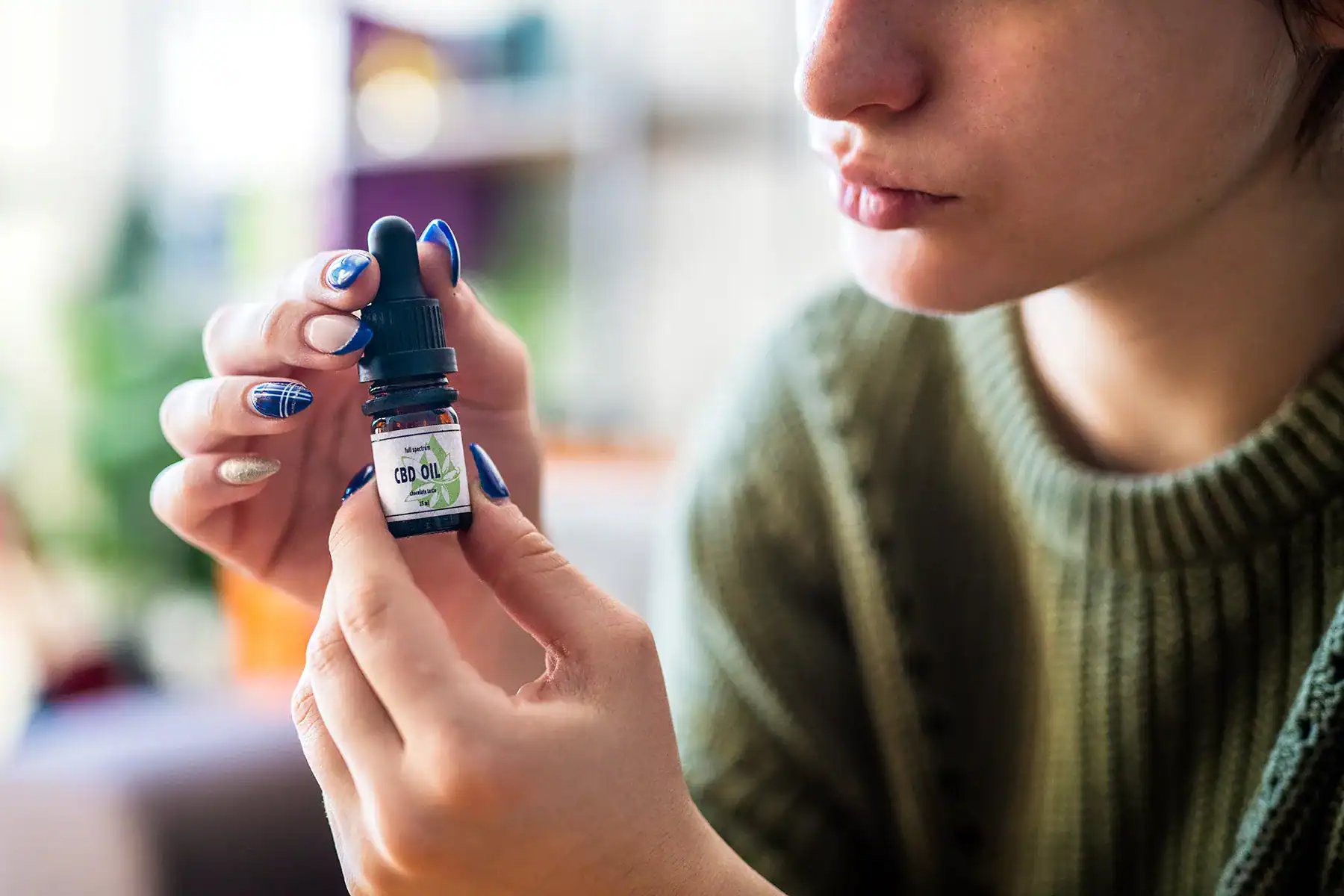
I decided on a tincture (oil dropper) for maximum flexibility: start low, go slow, and adjust. Here’s the regimen I followed for six weeks during my last three flares:
- Week 1: 10 mg CBD in the morning, 10 mg at night.
- Week 2: Bumped up to 15 mg morning, 15 mg night.
- Week 3–4: Kept at 30 mg/day, added a topical CBD cream on my shoulders and lower back.
- Week 5–6: Tried swapping one oral dose for a CBD gummy (25 mg) to test bioavailability.
I tracked pain levels, sleep quality, mood, and flare duration in a notebook—yes, like a mad scientist.
Week 1: The Waiting Game
Expectation versus Reality
- Expect: Instant relief.
- Reality:…Well, nothing dramatic. My pain felt about the same, and I wondered if I’d wasted $60 on CBD oil.
What I Noticed
- Slightly less tension in my neck by bedtime.
- A calmer mind: fewer obsessive worry loops about tomorrow’s flare.
Verdict: No fireworks, but a whisper of calm.
Week 2: The Subtle Shift
After two weeks at 30 mg/day, I finally felt something. During a mild flare that used to crush me for four days:
- Day 1: Pain peaked at 7/10 instead of the usual 9/10.
- Day 2–3: The ache felt duller, like wearing a cozy sweater instead of a steel corset.
- Brain fog: Lifted just enough that I could read a chapter of a book.
Key Takeaway: CBD didn’t obliterate pain, but it nudged the dial down.
Week 3–4: Topicals Join the Party
I slathered a 500 mg CBD cream on trigger points—shoulders, lower back, knees—twice daily.
- Topical Action: Within 20 minutes, a soothing warmth. Not heat from capsaicin, but a gentle “un-knotting” sensation.
- Mobility: I could twist in my chair without wincing. Even bent to pick up my cat with less groan.
Unexpected Bonus: Less evening leg cramps. My restless legs eased enough that I slept through the night two nights in a row (miraculous!).
Week 5–6: Gummies—Yum, but Less Potent?
Swapping a morning oral dose for a 25 mg gummy was mouthwatering, but…
- Onset: Took longer (90 minutes vs. 30 for tincture).
- Effect: Slightly softer relief. By midday, I craved a second dose more urgently.
Conclusion: Gummies are great for discretion and taste, but oil gets into your bloodstream faster and stronger.
What the Science Says (or Doesn’t)
If you’ve poked around PubMed, you know the research on CBD and fibromyalgia is in its infancy.
- Small 2019 study: 20 women with FM tried medical cannabis (including CBD). Over three months, 70% reported reduced pain and improved sleep—but the mix of THC and CBD muddies the waters.
- Animal models: Rodents given CBD show reduced inflammation and pain sensitivity. Translating that to humans is a leap, though.
- Pilot trials: A handful show promise for chronic pain, anxiety, and sleep—but sample sizes are tiny, and methodologies vary.
Bottom line: There’s biological plausibility—CBD interacts with pain receptors and mood centers—but definitive clinical proof for fibromyalgia is still pending.
Pros & Cons: Should You Give It a Shot?
| Pros | Cons |
|---|---|
| Non‑intoxicating—no high, just relief. | Variable quality—unregulated market = inconsistent products. |
| Anti‑inflammatory potential | Costly—premium oils can run $50+ per bottle. |
| May improve sleep & anxiety | Trial‑and‑error dosing—no one‑size‑fits‑all. |
| Topicals target specific flare spots | Possible side effects: drowsiness, dry mouth |
| Legal (mostly) | Drug interactions—check with your physician. |

Tips for CBD Newcomers
- Start Low, Go Slow. Begin with 5–10 mg once a day, and increase by 5 mg every few days until you find your sweet spot.
- Check Third‑Party Lab Tests. Ensure purity and potency—look for COA (Certificate of Analysis).
- Decide Your Delivery Method. Tinctures for fast relief, gummies for convenience, topicals for targeted pain.
- Keep a Flare Journal. Note dose, method, pain level, mood, sleep. Data = clarity.
- Consult Your Doctor. Especially if you’re on medications like blood thinners.
Common Questions & Concerns
- Will CBD show up on a drug test?
Pure CBD shouldn’t, but full-spectrum products contain trace THC. If tests are a concern, choose broad-spectrum or CBD isolate. - Is CBD addictive?
No evidence supports CBD dependence; it’s generally considered non‑addictive. - Can I use CBD during pregnancy?
Safety data are limited; most experts advise against it. - How long before I know if it’s working?
Some people feel changes in days; others need weeks. Commit to at least 4–6 weeks for a fair trial.
My Personal Takeaway After 6 Weeks
- Pain Intensity: Down by about 1–2 points on my worst days.
- Flare Duration: Shortened by roughly half a day.
- Sleep Quality: Two extra “through-the-night” sleeps out of six.
- Mood & Anxiety: Noticeably calmer mornings—less pre-flare dread.
Would I continue? Absolutely—with caveats. I’ll use CBD oil for acute flares and topicals for stubborn trigger points. But on good days, I might skip it to preserve tolerance (yes, you can build some).
Beyond Pain: The Unexpected Perks
- Better digestion. My IBS symptoms seemed to quiet down—fewer cramps and bloating.
- Eased muscle tension. I felt less like a rigid statue and more like a limber noodle.
- Sharper focus. Brain fog still invades on bad days, but the edges are less ragged.

When CBD Didn’t Deliver
Not every flare bowed to CBD. During my worst week (possibly triggered by weather and stress), the oil barely took the edge off.
Pain still hit 8/10, and sleep was patchy. This reminded me that CBD isn’t a cure—it’s one tool in our arsenal.
Is It Worth the Hype (and the Price)?
If you’re chasing a miracle, you’ll be disappointed. But if you’re open to incremental gains—less pain here, better sleep there—CBD might fit neatly into your fibro toolkit.
Think of it like tuning a piano. CBD tweaks a few strings in your nervous system, helping things resonate more smoothly.
It won’t transform a rusty upright into a grand concert piano overnight, but it can make the music a little sweeter.
Final Thoughts: My CBD Verdict
- Does CBD help during a fibro flare? Yes, in my experience—but expect modest improvements.
- Is it a standalone solution? No. Combine with sleep hygiene, gentle movement, stress reduction, and prescribed meds.
- Should you try it? I say give it a fair shake: 4–6 weeks at a consistent dose, paired with careful journaling.
Remember, every Fibro Warrior is unique. What works for me might be noise for you—or vice versa. At the very least, you’ll learn more about your body’s responses and gain another data point in your personal pain map.
What about you? Have you dipped a toe into the CBD pool? Did it soothe your pain or leave you scratching your head?
Share your experiences, success stories, and cautionary tales in the comments below—because in the Fibro Army, knowledge is power!