
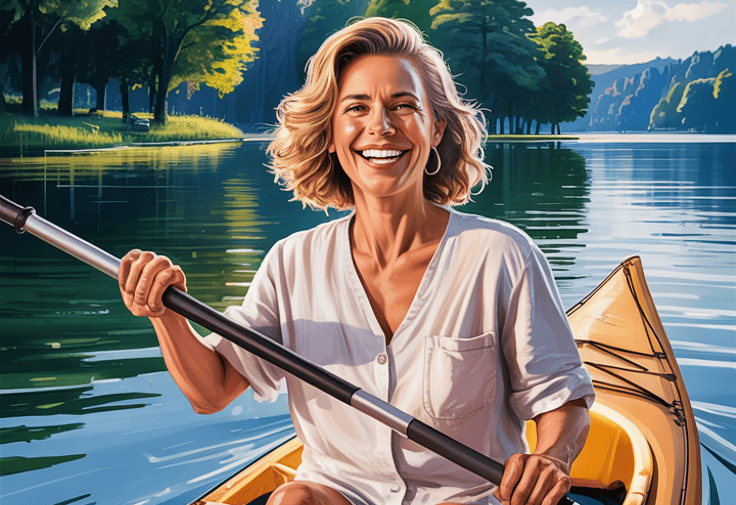
Summer’s warmth and longer days can feel out of reach when you’re managing fibromyalgia. But gentle movement, cooling strategies, and creative adaptations mean you don’t have to sit on the sidelines.
Living with fibromyalgia often means juggling pain, fatigue, and sensitivity to heat. But summer’s joys don’t have to be off-limits.
By choosing low-impact activities, pacing yourself, and leaning into self-care, you can create a season filled with small victories: a few gentle laps in the pool, a shady picnic with friends, or a creative afternoon of easy crafting.
Let’s dive into ways to escape the couch—at your own pace, with your comfort front and center.

Cooling & Aquatic Activities
Water is your friend: its buoyancy supports sore muscles, while its cooling effect helps stave off heat-related pain.
Pool Exercises
-
- What: Gentle laps, water walking, or simple leg kicks in waist-deep water.
- Why: Buoyancy reduces joint stress; water’s resistance tones muscles without overexertion.
- How: Start with just 5–10 minutes. Use a pool noodle or flotation belt if balance is an issue. Rest as needed.
Cool Epsom Salt Baths
-
- What: A lukewarm soak with 1–2 cups of Epsom salts.
- Why: Magnesium sulfate can ease muscle tension; cool water soothes heat sensitivity.
- How: Limit to 10–15 minutes. Keep water at a comfortable 28–32 °C (82–90 °F). Pat skin dry and apply a moisturizer to prevent tightness.
Stand-Up Paddleboarding (SUP)
-
- What: Balance on a board in calm water—a lake or a gentle river.
- Why: Core engagement with minimal impact; you control the pace and rest whenever you kneel.
- How: Rent a board with a wide base. Paddle for short bursts (5–7 minutes), then drift or kneel for breaks.
Water Walking
-
- What: Walking in chest-high water, forwards, backward, or sideways.
- Why: Builds strength and cardiovascular health gently, with cooling support.
- How: Walk circles around the shallow end. Use goggles or a kickboard for variety.
Community Aquatic Therapy Classes
-
- What: Supervised group classes led by physical therapists in a heated or cooled pool.
- Why: Guided, safe environment; classes often include stretching, range-of-motion work, and social support.
- How: Check local YMCAs or community centers. Opt for small-group or one-on-one sessions if possible.
Gentle Movement & Meditative Practices
Mind-body practices and very low-impact movement help maintain flexibility, reduce stiffness, and calm your nervous system.
Tai Chi in a Shaded Park
-
- What: Slow, flowing martial-arts–inspired movements.
- Why: Improves balance, coordination, and relaxation without straining muscles.
- How: Join a beginner’s group or follow a short (10–15 minute) routine online. Focus on smooth, gentle transitions.
Chair Yoga
-
- What: Traditional yoga poses adapted to sitting or using a chair for support.
- Why: Releases tension in back, neck, and hips; boosts circulation.
- How: Find guided videos or local classes. Hold each stretch for 3–5 breaths, moving slowly.
Qigong for Breath & Movement
-
- What: Coordinated breathing with gentle arm, leg, and torso movements.
- Why: Enhances energy flow (qi), reduces anxiety, and loosens tight muscles.
- How: Practice 5–10 minutes daily. Wear breathable clothing and choose a peaceful, shaded spot.
Foam Roller Stretching Indoors
-
- What: Light myofascial release using a soft roller.
- Why: Alleviates muscle knots, improves range of motion, and can be done at home.
- How: Target calves, quads, and upper back. Roll gently for 15–20 seconds per spot, avoiding direct pressure on joints.
Guided Mindful Walking
-
- What: Slow walking with attention to breath and surroundings.
- Why: Combines light exercise with meditation, reducing pain perception and stress.
- How: Walk for 5–10 minutes. Inhale for three steps, exhale for three. Pause to notice sounds or scenery.
Adapted Outdoor Adventures
Enjoy fresh air and sunshine—without overdoing it—by choosing the right time and setting.
Early Morning or Evening Nature Walks
-
- What: Short strolls in parks or along waterfronts when temperatures are coolest.
- Why: Limits heat exposure; softer light can boost mood.
- How: Aim for 15–20 minutes. Carry water in a lightweight backpack and wear a brimmed hat.
Shaded Picnic Setup
-
- What: Gather friends or family under a canopy, tree, or portable umbrella.
- Why: Social connection plus restful environment; you can recline and chat without standing.
- How: Pack cushy pillows or a low camp chair. Bring chilled drinks and pre-cut fruits.
Historic Walking Tours with Rest Stops
-
- What: Guided city tours or audio tours focusing on architecture or history.
- Why: Mental engagement keeps you motivated; planned stops let you pace.
- How: Reserve a small-group tour. Request frequent 5-minute rests or bring a collapsible seat.
Botanical Garden Visits
-
- What: Leisurely wander through shaded garden paths or greenhouses.
- Why: Gentle terrain; you control distance and can sit to admire blooms.
- How: Check for wheelchair or scooter rentals. Bring binoculars for bird or butterfly watching.
Scenic Sunday Drives
-
- What: Short car rides along coastal roads, mountain passes, or countryside loops.
- Why: Fresh air through open windows; visual therapy without physical strain.
- How: Map a 30- to 60-minute route. Stop at a lookout point for photos or a snack.
Creative & Home-Based Hobbies
Sometimes the best “outings” happen in your own space, at the pace your body allows.
Craft Projects (Knitting, Cross-Stitch)
-
- What: Gentle handwork that keeps hands busy without tension.
- Why: Focused, repetitive motions can be soothing and rewarding.
- How: Choose ergonomic tools—lightweight needles, soft yarn. Work in 10-minute bursts with wrist stretches.
Audiobook or Podcast Relaxation
-
- What: Immersive storytelling or guided meditations.
- Why: Mental escape distracts from pain; listening is passive and restful.
- How: Pick uplifting or soothing content. Listen lying down or in a zero-gravity chair.
Birdwatching from Home
-
- What: Set up a feeder or birdbath on a balcony or near a window.
- Why: Engaging with nature promotes calm; zero travel needed.
- How: Keep binoculars handy. Log species you spot—this gentle “hobby journal” adds purpose.
Cozy, Low-Stress Video Gaming
-
- What: Relaxing games like “Stardew Valley” or “Animal Crossing.”
- Why: Interactive but low-intensity, encouraging routine and gentle goals.
- How: Limit sessions to 20–30 minutes. Use a supportive chair and keep wrists neutral.
Easy Indoor Gardening
-
- What: Caring for potted herbs or succulents.
- Why: Light watering and pruning build a connection to growth; the indoor climate stays cool.
- How: Use self-watering pots. Keep plants at eye level to avoid bending or lifting.
Build Your Self-Care Summer Kit
Rather than listing each self-care tip separately, combine them into one essential “go-to” strategy.
Create a Personalized Summer “Spoonie” Kit
-
- What: A curated collection of tools and routines to manage pain, heat, and fatigue.
- Core Elements:
- Personal Cooling: Mini battery-powered fan, cooling towel, and small ice packs in insulated pouches.
- Hydration Helpers: Insulated water bottle with marked time goals, electrolyte packets if needed.
- Skin Protection: High-SPF mineral sunscreen, wide-brim hat, and UV-blocking sunglasses.
- Pacing Tools: Timer or smartphone alarms for movement/rest cycles (“20 minutes on, 10 minutes off”).
- Rest Aids: Travel‐size neck pillow or inflatable lumbar support for chairs, lightweight blanket for cool evenings.
How to Use:
-
-
- Pack everything into a soft-sided tote or fanny pack.
- Check your kit before leaving home—refill water, charge fans, pack medications.
- Schedule short breaks using an alarm so you don’t overdo it.
- Adjust on the go: if you feel tingly or overheated, pause, rehydrate, apply a cooling towel, and rest 5–10 minutes.
-

Best Times & Tips Table
| Activity Category | Ideal Time of Day | Rest Strategy |
|---|---|---|
| Pool Exercises | Early morning (7–9 AM) | Sit on the pool edge between sets |
| Tai Chi / Chair Yoga | Mid-morning (9–11 AM) | Hold each pose only 3–5 breaths |
| Nature Walks | Evening (6–8 PM) | Carry a folding stool; rest every 5 min |
| Creative Hobbies at Home | Flexible—listen to your body | Pause after 10–15 minute sessions |
| Scenic Drives | Any time—avoid midday heat | Stop at air-conditioned spots |
Frequently Asked Questions
1. How long should each activity session last?
Aim for 10–20 minutes per session, depending on how you feel. It’s better to start short and add time gradually than to push through pain.
2. What if I experience a flare during an activity?
Stop immediately. Use your cooling towel or ice pack, rehydrate, and rest. Resume only when pain levels drop at least 2 points on your 0–10 scale.
3. Do I need special equipment?
Most activities use minimal gear—comfortable shoes, a supportive chair, and basic pool supplies. The key is adaptation, not expensive tools.
4. Can I combine activities on the same day?
Yes—space them out. For example, do a 10-minute pool session in the morning, a short walk mid-afternoon, and an audiobook hour in the evening, interspersed with rest.
5. How do I know if I’m overdoing it?
Watch for increased pain or fatigue lasting more than two hours after activity. That’s a sign to dial back next time.
6. What if I live far from a pool or garden?
Focus on home-based options: chair yoga, guided mindful walking indoors or in your yard, birdwatching by the window, and creative hobbies.
7. How often should I repeat these activities?
Aim for 3–5 days per week, varying activities. Rest days are just as important—listen to your body and adjust frequency.
Conclusion
Summer doesn’t have to be a season of missed opportunities. By embracing water’s support, choosing the coolest hours, practicing meditative movement, exploring creative pastimes, and packing your personalized self-care kit, you can reclaim moments of joy, one gentle step at a time. Remember: every small victory counts.
Celebrate your progress, rest when needed, and let these 21 fibromyalgia-friendly activities guide you “from couch to sunshine.”
Now, pick one idea, set your timer for ten minutes, and let summer begin—on your terms.
