
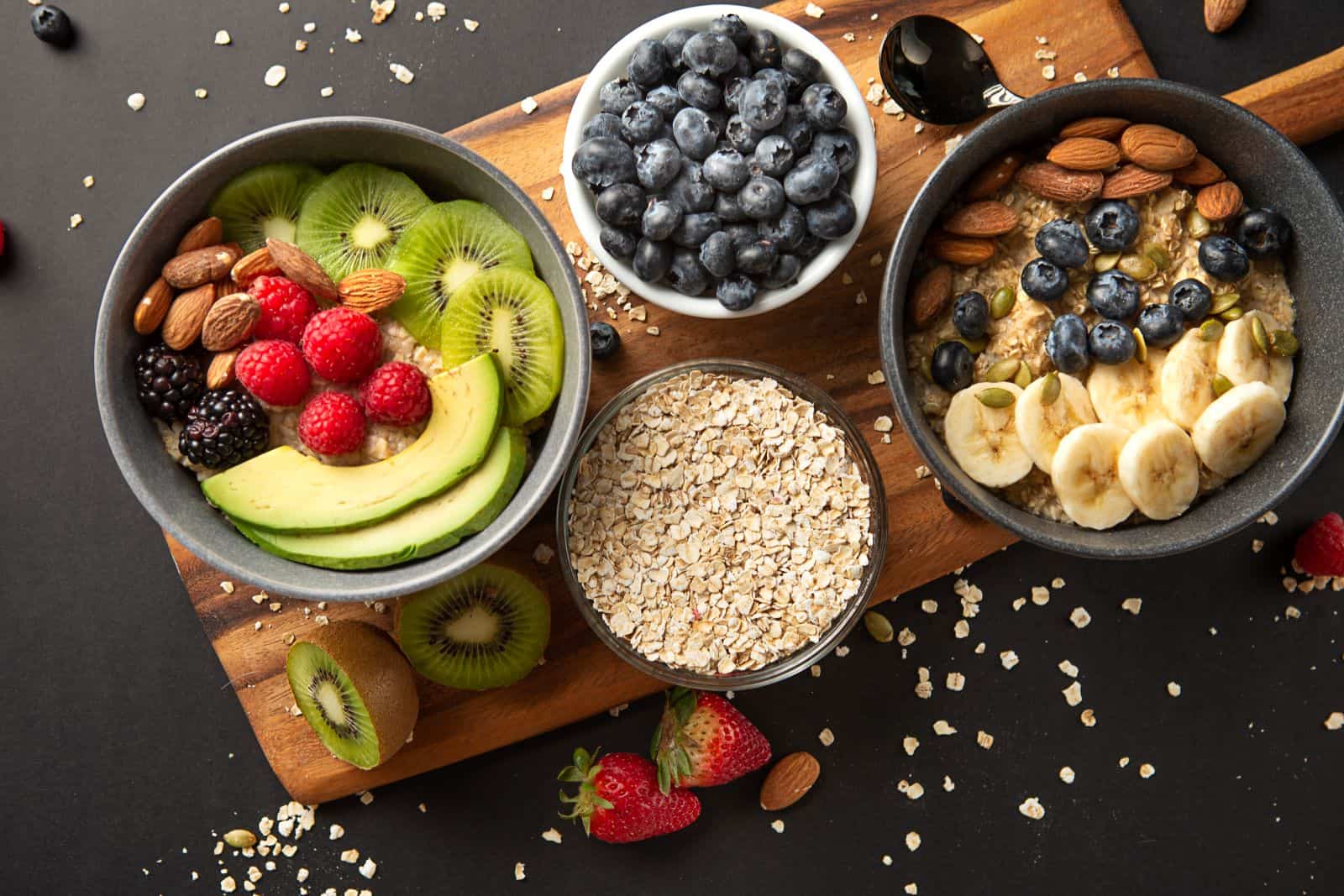
Caring for your heart doesn’t always require expensive treatments or complicated regimens. Sometimes, the secret to a healthier cardiovascular system is already in your kitchen.
Below, you’ll discover 17 delicious and nutrient-packed foods that can naturally help unclog arteries, boost blood flow, and keep your heart happy and strong.
1. Avocado – Creamy Heart-Healthy Goodness
Benefits:
Avocados are rich in monounsaturated fats, which help lower LDL (bad) cholesterol levels. Their high fiber content also aids in reducing overall cholesterol, while potassium supports healthy blood pressure.
How to Enjoy:
- Spread mashed avocado on whole-grain toast.
- Add it to salads or smoothies for a creamy texture.
- Enjoy as a topping for your favorite Mexican dishes.
Quick Tip:
Keep the skin and pit for easy storage—simply sprinkle lemon juice to prevent browning.

2. Salmon – Omega-3 Rich Fatty Fish
Benefits:
Salmon is loaded with omega-3 fatty acids, which help reduce inflammation and support the health of your blood vessels. Regular consumption can lead to lower blood pressure and reduced risk of heart disease.
How to Enjoy:
- Grill or bake with herbs like dill and lemon.
- Add to salads or enjoy as part of a hearty dinner.
- Consider smoked salmon on a light, whole-grain bagel.
Quick Tip:
Opt for wild-caught salmon when possible for a higher omega-3 content.
3. Blueberries – Antioxidant-Packed Berries
Benefits:
Blueberries are small but mighty. They’re rich in antioxidants that combat oxidative stress and reduce inflammation in the arteries. Their fiber content also aids in regulating cholesterol.
How to Enjoy:
- Mix into your morning oatmeal or yogurt.
- Blend into a delicious smoothie.
- Enjoy a handful as a mid-day snack.
Quick Tip:
Fresh or frozen, blueberries pack the same nutritional punch—ideal for any season!
4. Nuts – Crunchy Heart Helpers
Benefits:
Nuts like almonds and walnuts contain healthy fats, fiber, and protein. These components help reduce cholesterol levels and lower the risk of plaque formation.
How to Enjoy:
- Snack on a small handful of mixed nuts.
- Sprinkle chopped nuts over salads and cereal.
- Blend into nut butter for a heart-healthy spread.
Quick Nutrient Snapshot:
| Nut Type | Key Benefit |
|---|---|
| Almonds | High in vitamin E and fiber |
| Walnuts | Rich in omega-3 fatty acids |
| Pistachios | Low in calories, high in protein |
Quick Tip:
Keep portions in check—a small handful can reap the benefits without overdoing calories.
5. Olive Oil – Liquid Gold
Benefits:
Extra virgin olive oil is celebrated for its heart-friendly monounsaturated fats and polyphenols. These compounds help reduce inflammation and maintain a healthy cholesterol balance.
How to Enjoy:
- Drizzle over salads, vegetables, or whole-grain dishes.
- Use as a base for dressings or marinades.
- Replace butter with olive oil in cooking.
Quick Tip:
Choose cold-pressed, extra virgin olive oil for maximum benefits and flavor.
6. Leafy Greens – Nature’s Cholesterol Busters
Benefits:
Leafy greens like spinach, kale, and arugula contain vitamins, minerals, and fiber. They help lower blood pressure and improve overall cardiovascular health.
How to Enjoy:
- Toss in salads or blend into a green smoothie.
- Sauté with garlic for a quick side dish.
- Add to soups and stews for extra nutrients.
Quick Tip:
Experiment with different greens to keep your meals varied and interesting.
7. Garlic – Flavorful & Functional
Benefits:
Garlic contains allicin, a compound known for its antioxidant and anti-inflammatory properties. Regular consumption can help reduce blood pressure and slow down plaque formation in the arteries.
How to Enjoy:
- Use fresh garlic in your cooking for a flavor boost.
- Add minced garlic to sauces, dressings, and marinades.
- Roast garlic to bring out its natural sweetness.
Quick Tip:
Crushing or chopping garlic before cooking can enhance its beneficial properties.
8. Turmeric – The Golden Spice
Benefits:
Turmeric’s active compound, curcumin, is a potent anti-inflammatory that supports vascular health by reducing inflammation. When paired with black pepper, its absorption is significantly increased.
How to Enjoy:
- Stir into curries, soups, and stews.
- Add to warm milk for a soothing turmeric latte.
- Sprinkle over roasted vegetables.
Quick Tip:
Mix turmeric with a pinch of black pepper to maximize its benefits.
9. Legumes – Protein-Packed Powerhouses
Benefits:
Beans, lentils, and chickpeas are excellent plant-based protein and fiber sources. They help lower cholesterol and support overall heart health by improving blood lipid profiles.
How to Enjoy:
- Incorporate into salads, soups, and stews.
- Make a hearty bean chili.
- Blend into dips like hummus.
Quick Tip:
Soak dried legumes overnight to reduce cooking time and improve digestibility.
10. Tomatoes – Red for a Reason
Benefits:
Tomatoes are rich in lycopene, an antioxidant that reduces oxidative stress and improves blood flow. They’re also a great source of vitamins A and C.
How to Enjoy:
- Slice into salads or sandwiches.
- Enjoy as a base for a fresh salsa.
- Roast with herbs for an intensified flavor.
Quick Tip:
Cooking tomatoes can increase the bioavailability of lycopene, making them even more beneficial.

11. Green Tea – Sip Your Way to Heart Health
Benefits:
Green tea has catechins and other antioxidants that improve blood vessel function and reduce inflammation. It’s a gentle way to boost your heart health throughout the day.
How to Enjoy:
- Sip a hot cup in the morning or afternoon.
- Enjoy iced green tea for a refreshing beverage.
- Use matcha powder in smoothies for an extra antioxidant kick.
Quick Tip:
Avoid adding too much sugar to keep your green tea as heart-healthy as possible.
12. Strawberries – Sweet & Heart-Smart
Benefits:
Strawberries offer a rich supply of vitamin C and antioxidants that support blood vessel health. Their natural sweetness makes them a delightful addition to any meal.
How to Enjoy:
- Add to yogurt, cereals, or salads.
- Blend into a smoothie or a nutritious dessert.
- Enjoy fresh as a snack on their own.
Quick Tip:
Pair strawberries with a source of healthy fat (like yogurt) to enhance vitamin absorption.
13. Red Grapes – Little Bites of Resveratrol
Benefits:
Red grapes are a natural source of resveratrol, a compound linked to improved circulation and reduced arterial inflammation. They also provide beneficial antioxidants that protect heart cells.
How to Enjoy:
- Enjoy as a quick snack.
- Toss into salads or cheese platters.
- Freeze for a refreshing treat during hot weather.
Quick Tip:
Enjoy red grapes in their whole form rather than as juice to retain fiber content for maximum benefits.
14. Whole Grains – Fiber-Filled Fundamentals
Benefits:
Whole grains such as oats, barley, and brown rice are high in fiber, which helps lower cholesterol and regulate blood sugar. They provide essential nutrients that support sustained energy and heart health.
How to Enjoy:
- Start your day with a bowl of oatmeal.
- Use whole grains in salads and side dishes.
- Replace refined grains with whole-grain options in recipes.
Quick Tip:
Experiment with different grains to add texture and variety to your meals.
15. Broccoli – The Green Powerhouse
Benefits:
Broccoli is a nutrient-dense vegetable loaded with vitamins, minerals, and antioxidants. Its anti-inflammatory properties support cardiovascular health and overall well-being.
How to Enjoy:
- Steam or roast broccoli for a tasty side dish.
- Add to stir-fries or casseroles.
- Blend into soups for a creamy consistency without the cream.
Quick Tip:
Lightly cooking broccoli can preserve its crunch while making nutrients easier to absorb.
16. Pomegranate – The Jewel of Antioxidants
Benefits:
Pomegranate seeds and juice are rich in polyphenols, powerful antioxidants that improve blood flow and reduce plaque buildup in the arteries.
How to Enjoy:
- Sprinkle seeds over salads or yogurt.
- Enjoy a glass of fresh pomegranate juice.
- Use as a garnish in healthy desserts.
Quick Tip:
Look for pomegranate arils (seeds) in the frozen section during the off-season for a convenient alternative.
17. Dark Chocolate (70%+ Cocoa) – Decadence with Benefits
Benefits:
High-quality dark chocolate is rich in flavonoids and antioxidants, which help relax blood vessels and improve circulation. Consumed in moderation, it can be a heart-healthy indulgence.
How to Enjoy:
- Enjoy a small piece as an afternoon treat.
- Melt into a dip for fruits like strawberries.
- Add chunks to the homemade trail mix.
Quick Tip:
Choose dark chocolate with at least 70% cocoa content to ensure maximum heart benefits without too much added sugar.
Quick Reference Table
Here’s a handy table summarizing the key benefits of these 17 foods:
| Food | Key Heart Benefits |
|---|---|
| Avocado | Lowers LDL cholesterol; high in fiber and healthy fats |
| Salmon | Rich in omega-3s; reduces inflammation |
| Blueberries | Packed with antioxidants; improves circulation |
| Nuts | Contains healthy fats, fiber, and protein; lowers cholesterol |
| Olive Oil | Anti-inflammatory; supports cholesterol balance |
| Leafy Greens | High in vitamins and fiber; lowers blood pressure |
| Garlic | Contains allicin; reduces plaque buildup |
| Turmeric | Anti-inflammatory; enhances vascular health |
| Legumes | High in fiber and protein; lowers cholesterol |
| Tomatoes | Rich in lycopene and vitamins it boosts blood flow |
| Green Tea | Full of catechins; improves vessel function |
| Strawberries | High in vitamin C and antioxidants; supports vessels |
| Red Grapes | Contains resveratrol; enhances circulation |
| Whole Grains | High in fiber; regulates cholesterol and blood sugar |
| Broccoli | Nutrient-dense; anti-inflammatory |
| Pomegranate | Loaded with polyphenols, it improves blood flow |
| Dark Chocolate | Rich in flavonoids, it relaxes blood vessels |
Frequently Asked Questions (FAQs)
1. Can these foods reverse existing arterial plaque?
While these foods help improve heart health and reduce further buildup, they work best as part of an overall heart-healthy lifestyle.
2. How long will it take to see improvements in heart health?
Results vary by individual, but consistent dietary changes can show benefits in a few months when combined with exercise and other healthy habits.
3. Should I replace my medications with these foods?
No, these foods are a complementary approach. Always consult your healthcare provider before changing your medication or treatment plan.
4. Can I enjoy these foods if I have dietary restrictions?
Absolutely! Most of these foods are naturally gluten-free, dairy-free, or vegan. However, adjust portions and combinations based on your individual needs.
5. What’s the best way to incorporate these into my diet?
Start by adding one or two items to your meals each day. Gradually expand your menu until these foods become a regular part of your heart-healthy lifestyle.
Conclusion
Improving your heart health naturally can be as simple as rethinking what’s on your plate. By incorporating these 17 nutrient-rich foods into your daily diet, you enhance blood flow, reduce plaque buildup, and enjoy a vibrant, varied menu that supports overall wellness. Remember, a healthier heart is built one meal at a time.
Feel free to save and share this guide on Pinterest to help spread the word about natural ways to support cardiovascular health. Happy eating, and here’s to a healthier, happier heart!
