
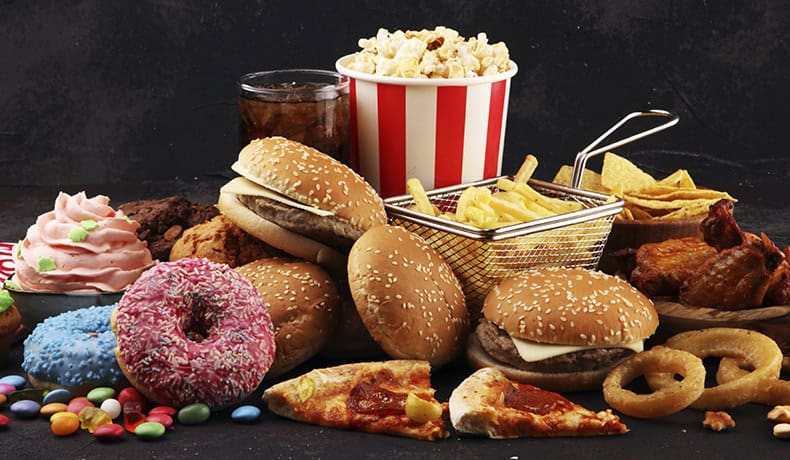
Eating well doesn’t mean you must follow strict rules or feel deprived. In this guide, we break down the common unhealthy foods that can derail your health goals and offer practical alternatives that are as satisfying as they are nutritious.
Whether you’re revamping your diet or simply looking for a few healthier swaps, this article provides clear, actionable advice in an engaging and friendly tone.
1. Sugary Beverages
What to Avoid
Sugary drinks—such as sodas, energy drinks, and sweetened teas—are a major source of empty calories. They contribute to weight gain, spike blood sugar levels, and increase the risk of type 2 diabetes.
Why They’re a Problem
When you consume these beverages, you’re getting a quick sugar rush and a crash later on. The constant highs and lows can leave you feeling tired and hungry, which may lead to overeating later in the day.
Healthier Alternatives
- Infused Water: Add slices of lemon, cucumber, or berries for a hint of flavor without the extra sugar.
- Herbal Teas: These come in many varieties and can be enjoyed hot or cold.
- Sparkling Water with a Splash of Juice: This gives you a touch of sweetness without all the calories.
Breaking the cycle of sugary beverages can be a game changer in maintaining steady energy levels and reducing your overall calorie intake.

2. Processed Meats
What to Avoid
Processed meats like bacon, sausages, and hot dogs are tasty and high in unhealthy fats, sodium, and preservatives.
Why They’re a Problem
These meats are linked to an increased risk of heart disease, diabetes, and certain types of cancer. The preservatives and additives often found in processed meats can be particularly harmful if consumed regularly.
Healthier Alternatives
- Lean Meats: Chicken and turkey are excellent alternatives with lower fat content.
- Plant-Based Proteins: Beans, lentils, and tofu can be versatile replacements that also add fiber and nutrients to your diet.
Switching to these alternatives not only improves nutrient intake but can also help maintain a healthier heart and reduce disease risk.
3. Refined Grains
What to Avoid
Foods like white bread, pastries, and many breakfast cereals are made from refined grains that have been stripped of their natural fiber and nutrients.
Why They’re a Problem
Refined grains cause rapid spikes in blood sugar levels, leading to energy crashes and cravings. The lack of fiber means these foods are less filling, which can result in overeating.
Healthier Alternatives
- Whole Grain Bread: Opt for breads that list whole grains as the first ingredient.
- Oatmeal: A warm, hearty option that keeps you full longer.
- Quinoa: A versatile grain that is rich in protein and fiber.
Incorporating whole grains into your meals helps keep your energy levels stable and supports overall digestive health.
4. Fried Foods
What to Avoid
Fried foods such as French fries, fried chicken, and doughnuts are delicious but have many unhealthy fats and calories.
Why They’re a Problem
The high fat content in these foods can contribute to inflammation, clogged arteries, and an increased risk of heart disease. They’re also calorie-dense, meaning consuming too many calories in one sitting is easy.
Healthier Alternatives
- Baked or Air-Fried Options: Try making your favorite fried foods in the oven or using an air fryer for a similar crunch with less fat.
- Roasted Vegetables: These can be seasoned in many ways to provide a satisfying and nutrient-packed side dish.
Choosing baked or air-fried alternatives can help you enjoy the flavors you love without compromising your health.
5. High-Sodium Snacks
What to Avoid
Snacks like chips, pretzels, and salted nuts may seem harmless, but they pack a high dose of sodium that can affect your blood pressure.
Why They’re a Problem
Too much sodium can lead to high blood pressure and increase the risk of heart disease. Even seemingly innocent snacks can contribute to these issues if eaten in large quantities.
Healthier Alternatives
- Unsalted Nuts: These still offer the crunch you crave without the added salt.
- Fresh Fruit: Nature’s snack is naturally sweet and full of vitamins.
- Vegetable Sticks with Hummus: A satisfying and nutrient-rich option that adds fiber and protein to your snack.
By opting for lower-sodium snacks, you help keep your blood pressure in check while still enjoying tasty treats.
6. Sugary Breakfast Cereals
What to Avoid
Many commercial breakfast cereals, especially those marketed towards children, are loaded with added sugars and provide little nutritional value.
Why They’re a Problem
High sugar content in cereals can lead to an energy spike followed by a crash, causing early hunger and overeating later in the day. Additionally, they often lack the fiber necessary to keep you full.
Healthier Alternatives
- Homemade Oatmeal: Top with fresh fruit and nuts for natural sweetness and added protein.
- Whole Grain Cereals: Choose options with low sugar and high fiber content.
- Greek Yogurt with Berries: A protein-rich breakfast that can be quickly assembled.
Switching to a more balanced breakfast can set a positive tone for your entire day.
7. Packaged Baked Goods
What to Avoid
Store-bought cakes, cookies, and muffins might be convenient, but they’re often filled with trans fats, excess sugars, and preservatives.
Why They’re a Problem
Regular consumption of these baked goods can lead to weight gain and increased risk of heart disease. Refined sugars and unhealthy fats can also negatively impact your energy levels and overall mood.
Healthier Alternatives
- Homemade Baked Goods: Making your own treats allows you to control the ingredients and reduce sugar and unhealthy fats.
- Fresh Fruit: Satisfy your sweet tooth with nature’s candy without the additives.
- Dark Chocolate: In moderation, it offers antioxidants and a satisfying flavor without the extra sugar load.
By preparing your own baked goods, you can enjoy your favorite treats without compromising your health goals.
8. Instant Noodles
What to Avoid
Instant noodles and cup noodles are popular for their convenience, but they are typically high in sodium and lack essential nutrients.
Why They’re a Problem
The seasoning packets that come with instant noodles are notorious for their high sodium content. Additionally, these meals don’t provide enough vitamins, minerals, or fiber to be considered balanced.
Healthier Alternatives
- Whole Grain Pasta: Paired with a vegetable-rich sauce, this option is much healthier.
- Homemade Noodle Soups: Use fresh ingredients and lean proteins to create a nourishing bowl of soup.
- Zoodles (Zucchini Noodles): A low-calorie alternative that’s rich in vitamins.
These alternatives satisfy your craving for a comforting bowl of noodles and nourish your body with essential nutrients.
9. Margarine and Shortening
What to Avoid
Margarine and shortening, often used in baking, are made from hydrogenated vegetable oils and contain trans fats.
Why They’re a Problem
Trans fats are harmful because they increase bad cholesterol (LDL) and decrease good cholesterol (HDL), which significantly raises the risk of heart disease and stroke.
Healthier Alternatives
- Butter (in Moderation): While still fat, it doesn’t contain harmful trans fats.
- Plant-Based Oils: Olive oil or avocado oil are excellent choices for cooking and baking.
- Nut Butter: These can be used in recipes as a healthier fat source while adding flavor and nutrients.
Replacing margarine with these alternatives can help improve your overall cholesterol profile and reduce heart disease risk.
10. High-Calorie Coffee Drinks
What to Avoid
Flavored lattes, frappuccinos, and other specialty coffee drinks can be deceptively high in calories, sugars, and fats.
Why They’re a Problem
These beverages can turn a simple coffee run into an unintentional calorie bomb. The extra sugars and creams often lead to an energy spike followed by a crash, affecting your concentration and mood.
Healthier Alternatives
- Black Coffee is a low-calorie option that still boosts your caffeine.
- Coffee with Plant-Based Milk: Choose unsweetened versions to keep calories in check.
- Homemade Versions: Control the amount of sugar and cream by making your own coffee drinks at home.
A switch to these alternatives can help you enjoy your coffee habit without the added calories and sugar crash.
Summary Table: Unhealthy Foods vs. Healthier Alternatives
| Unhealthy Food | Healthier Alternative |
|---|---|
| Sugary Beverages | Infused water, herbal teas, sparkling water with fruit juice |
| Processed Meats | Lean meats (chicken, turkey), plant-based proteins |
| Refined Grains | Whole grain bread, oatmeal, quinoa |
| Fried Foods | Baked/air-fried options, roasted vegetables |
| High-Sodium Snacks | Unsalted nuts, fresh fruit, vegetable sticks with hummus |
| Sugary Breakfast Cereals | Homemade oatmeal, whole grain cereals, Greek yogurt with berries |
| Packaged Baked Goods | Homemade treats, fresh fruit, dark chocolate |
| Instant Noodles | Whole grain pasta, homemade noodle soups, zoodles |
| Margarine and Shortening | Butter (in moderation), olive oil, avocado oil |
| High-Calorie Coffee Drinks | Black coffee, unsweetened plant-based milk, homemade drinks |
Frequently Asked Questions (FAQs)
Q: What are the health risks associated with sugary beverages?
A: Sugary beverages contribute to weight gain, type 2 diabetes, and energy crashes due to rapid sugar spikes and subsequent drops.
Q: Why should processed meats be limited to a healthy diet?
A: Processed meats are high in unhealthy fats, sodium, and preservatives, which have been linked to heart disease, diabetes, and cancer.
Q: How do refined grains affect my energy levels?
A: Refined grains lack fiber, leading to quick blood sugar spikes and crashes, which can cause fatigue and overeating.
Q: Are there any benefits to switching from fried foods to baked alternatives?
A: Yes, baked or air-fried options provide a similar texture and flavor with significantly fewer unhealthy fats and calories.
Q: What makes high-sodium snacks problematic?
A: High-sodium snacks can increase blood pressure and put you at risk for heart disease over time.
Q: How can I improve my breakfast without sacrificing taste?
A: Opt for homemade oatmeal, whole grain cereals, or Greek yogurt with berries—each offers a balanced mix of protein, fiber, and natural sweetness.
Q: Is it really necessary to replace packaged baked goods?
A: Yes, many packaged baked goods contain trans fats and high sugar levels, so making your own or choosing healthier snacks can improve overall health.
Q: What are some quick, healthy alternatives to instant noodles?
A: For a low-calorie alternative, try whole-grain pasta with a vegetable-based sauce, homemade noodle soups, or zucchini noodles (zoodles).
Q: How do trans fats in margarine affect my health?
A: Trans fats increase bad cholesterol while lowering good cholesterol, raising your heart disease and stroke risk.
Q: Can I still enjoy coffee without consuming too many calories?
A: Absolutely—choose black coffee, or use unsweetened plant-based milk and make your own drinks to control added sugars and fats.
Final Thoughts
Making healthier food choices doesn’t have to be overwhelming. By swapping out these common unhealthy foods for better alternatives, you can gradually improve your overall health and energy levels.
Remember, small changes over time lead to big results. Experiment with these alternatives, find what works for you, and enjoy the journey towards a healthier lifestyle.
