
Fatty liver disease is becoming increasingly common due to poor diet, obesity, and a sedentary lifestyle. The good news is that simple changes in your diet can have a significant impact on liver health.
The liver plays a crucial role in detoxifying your body, metabolizing nutrients, and storing energy, so it’s vital to keep it healthy. Incorporating the right foods into your meals can help fight fatty liver disease and improve your liver function.
Below are 15 fatty liver-fighting foods that you should never miss out on!
1. Leafy Greens (Spinach, Kale, etc.)
Leafy greens are a powerful addition to any liver-friendly diet. Packed with fiber, vitamins, and antioxidants, they support liver detoxification and reduce inflammation.
They contain chlorophyll, which helps eliminate toxins from the bloodstream and liver. This detoxification process reduces the strain on the liver and encourages better function.
How to Use:
Leafy greens can easily be added to your meals. Try adding them to salads, blending them into smoothies, or sautéing them with olive oil and garlic. Consuming these greens daily will ensure you’re getting a steady supply of liver-friendly nutrients.

2. Garlic
Garlic is more than just a flavorful kitchen ingredient; it also offers numerous health benefits for your liver. Garlic contains sulfur compounds like allicin, which help activate enzymes that support detoxification.
These compounds have also been shown to reduce liver fat accumulation, making garlic a crucial food in combating fatty liver disease.
How to Use:
Garlic can be easily incorporated into your diet. Crush or mince it and add it to your favorite dishes, such as soups, sauces, salads, or even roasted vegetables. You can also use it in teas or stir-fry for a flavor boost.
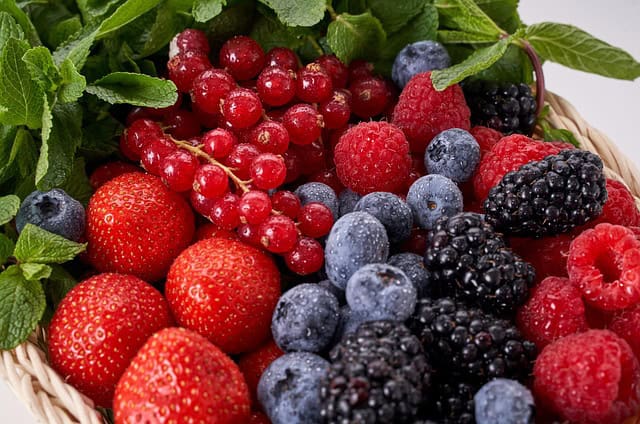
3. Berries (Blueberries, Strawberries)
Berries, especially blueberries and strawberries, are packed with antioxidants like anthocyanins and flavonoids, which help combat oxidative stress in the liver.
Oxidative stress can cause inflammation and damage to liver cells, leading to fatty liver disease. The antioxidants in berries can protect liver cells, improve function, and even help reduce liver fat.
How to Use:
You can incorporate berries into your diet by adding them to smoothies, oatmeal, or yogurt. You can also enjoy them fresh as a snack or add them to baked goods.
4. Turmeric
Turmeric is another liver hero, a bright yellow spice commonly used in curry dishes. Its active compound, curcumin, has potent anti-inflammatory and antioxidant properties.
Curcumin can help reduce liver inflammation, protect liver cells from damage, and even support the liver’s detoxification ability. Studies suggest curcumin may also help reduce liver fat and improve overall health.
How to Use:
Sprinkling turmeric over rice, soups, or curries can enhance its absorption. You can also make turmeric tea by adding it to warm water with a bit of black pepper.
5. Avocados
Avocados are nutrient-dense fruits packed with healthy fats, vitamins, and antioxidants. They contain glutathione, a compound that helps the liver detoxify by neutralizing free radicals and removing toxins from the body.
Avocados also have anti-inflammatory properties, which can help reduce liver inflammation and improve overall liver function.
How to Use:
Avocados are versatile and can be used in many ways. You can mash them into guacamole, slice them on top of salads, or spread them on toast. You can also add them to smoothies or enjoy them as a healthy snack.
6. Olive Oil
Olive oil is a heart-healthy fat that can also benefit your liver. Rich in monounsaturated fats and antioxidants, olive oil helps reduce fat accumulation in the liver and decreases inflammation. It’s also been shown to enhance liver enzyme levels, improving overall liver health.
How to Use:
Extra virgin olive oil can be used to make salad dressings, drizzle it over roasted vegetables, or sauté foods. It’s also great for making homemade dips like hummus.
7. Green Tea
Green tea is known for its antioxidant properties, primarily due to catechins, which help protect the liver from oxidative stress. Studies suggest that green tea can reduce fat buildup in the liver and improve liver function. The antioxidants in green tea can also promote liver detoxification and reduce inflammation.
How to Use:
Drink 1-2 cups of green tea daily to enjoy its benefits. You can also use it as a base for smoothies or iced tea.
8. Beets
Beets are a powerhouse when it comes to supporting liver health. High in fiber and antioxidants, they help cleanse the liver by promoting bile flow and supporting the detox process.
Beets contain betalains, compounds that help reduce inflammation and protect the liver from damage caused by oxidative stress.
How to Use:
Beets can be enjoyed roasted, boiled, or raw in salads. Beet juice is also a popular option, and it can be blended into smoothies for added nutritional benefits.
9. Nuts (Almonds, Walnuts)
Nuts, such as almonds and walnuts, are rich in healthy fats, vitamin E, and antioxidants, which protect the liver from damage and reduce inflammation. Walnuts, in particular, contain omega-3 fatty acids, which are excellent for reducing liver fat accumulation. Almonds also provide fiber, which can help detoxify.
How to Use:
Snack on a handful of nuts, add them to your oatmeal, sprinkle them over salads, or blend them into smoothies for extra crunch and nutrition.
10. Lemon
Lemon is another citrus fruit that can help cleanse the liver. Rich in vitamin C and antioxidants, lemon stimulates liver detoxification and supports bile production. The citric acid in lemons can also help balance the body’s pH levels, reducing the liver’s toxic load.
How to Use:
Start your day with a glass of warm water and lemon juice. For a tangy twist, add lemon to salads, use it as a marinade for meat, or add it to your favorite dishes.
11. Carrots
Carrots are rich in beta-carotene, an antioxidant that helps reduce liver inflammation and supports the detox process. They also contain fiber, which aids in the removal of toxins from the body and improves liver function.
How to Use:
Enjoy raw carrots as a snack, blend them into smoothies, or add them to stir-fries, soups, and stews. Carrot juice is also a refreshing and liver-friendly drink.
12. Cabbage
Cabbage is another vegetable that supports liver health. It’s high in sulfur-containing compounds that help detoxify the liver and support its natural ability to break down and eliminate toxins. Cabbage is also high in fiber, which helps with digestion and detoxification.
How to Use:
You can add cabbage to salads, make coleslaw, sauté it as a side dish, or use it in soups or wraps.
13. Apple Cider Vinegar
Apple cider vinegar (ACV) is a natural detoxifier and can support liver function. It helps balance the body’s pH, promotes bile production, and aids in the digestion of fats.
ACV can also help reduce liver fat accumulation and improve insulin sensitivity, making it beneficial for fatty liver disease.
How to Use:
Mix 1-2 tablespoons of apple cider vinegar in a glass of water and drink it before meals. You can also use it in salad dressings or in cooking recipes.
14. Chia Seeds
Chia seeds are rich in omega-3 fatty acids, which help reduce liver inflammation and promote healthy fat metabolism. They also contain fiber, which supports detoxification and digestion. Chia seeds are an excellent addition to a liver-friendly diet.
How to Use:
Sprinkle chia seeds on your oatmeal, yogurt, or salads. You can also mix them into smoothies or make chia pudding for a nutritious snack.
15. Pumpkin Seeds
Pumpkin seeds are packed with magnesium, zinc, and antioxidants, all of which support liver health. Magnesium plays a role in detoxification, while zinc helps the liver regenerate and repair itself. The antioxidants in pumpkin seeds also reduce oxidative stress in the liver.
How to Use:
Snack on raw pumpkin seeds, sprinkle them over salads or add them to smoothies or baked goods.
Conclusion
Incorporating these 15 fatty liver-fighting foods into your diet can greatly improve your liver health. Each food provides unique nutrients from leafy greens to pumpkin seeds that help detoxify, reduce inflammation, and support liver function.
Consistently including these foods in your daily meals will benefit your liver and contribute to your overall well-being. Start small, make simple swaps, and work towards a healthier liver today!
FAQs
1. Can I reverse fatty liver disease with diet?
While diet plays a crucial role in managing and improving fatty liver disease, it’s important to follow a comprehensive treatment plan under the guidance of a healthcare professional. Eating liver-friendly foods can reduce liver fat and inflammation, which can help in reversing early-stage fatty liver.
2. How long does it take to see improvements in liver function?
Improvement can vary from person to person. With consistent dietary changes, you may notice improvements in liver function within a few weeks to a few months. However, results depend on the severity of the liver condition and other lifestyle factors.
3. Are there any foods I should avoid for fatty liver?
Yes, it’s important to avoid processed foods, sugary beverages, alcohol, and excessive fats, especially trans fats. These foods can exacerbate liver fat accumulation and inflammation, hindering the recovery process.
4. How can I ensure I eat enough of these liver-healthy foods?
Plan your meals in advance to include a variety of these foods. Incorporate them into each meal, whether in salads, smoothies, snacks, or as main dishes. Experiment with different recipes and flavors to keep your meals exciting and nutrient-packed.
