
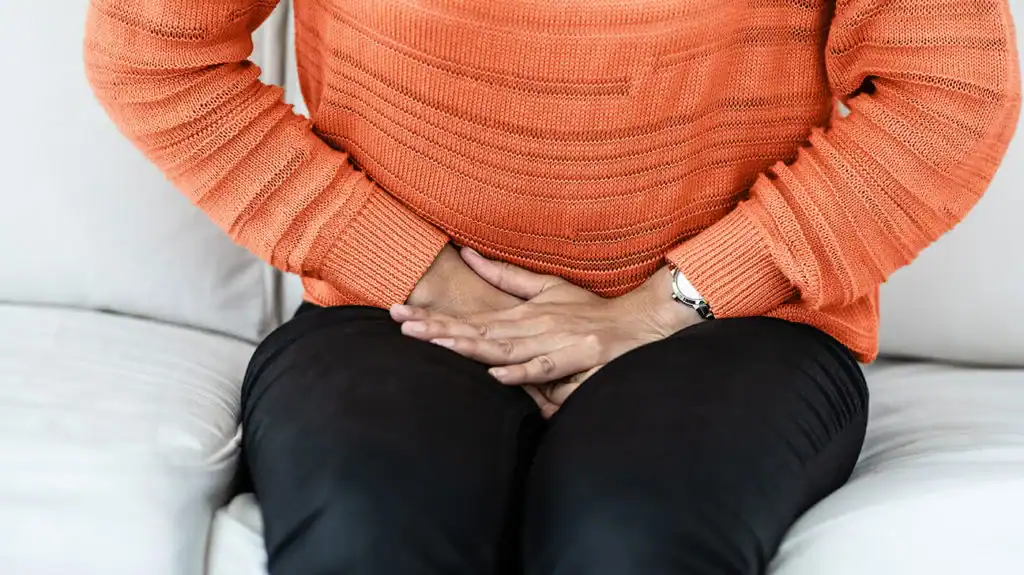
Pain in the thigh and groin can be unsettling, especially when it appears out of nowhere. For women, this discomfort may come from several surprising sources.
Often, we assume pain in the groin or thighs is related to a minor injury, muscle strain, or even a temporary imbalance. However, many underlying causes could be at the root of this pain.
In this article, we’ll explore 10 unexpected reasons you might be experiencing thigh and groin pain, from hormonal changes to pelvic floor issues, and offer tips on managing and preventing these uncomfortable episodes.
Hormonal Changes: The Hidden Culprit
One of the most common reasons for thigh and groin pain in women is hormonal changes. Whether it’s menstruation, pregnancy, or menopause, fluctuations in hormone levels can affect muscle function and cause discomfort in the lower body.
During menstrual cycles, for instance, higher levels of estrogen and progesterone can make the pelvic region more sensitive. This can lead to aches and pains in areas like the thighs and groin.
Pregnancy brings its own set of challenges. As your body changes to accommodate a growing baby, the ligaments and muscles around the pelvis are stretched, leading to pain in the groin or thighs.
Even menopause, with its hormonal fluctuations and the decline of estrogen, can contribute to joint stiffness and pain in the pelvic area.
To manage this pain, consider gentle stretching, maintaining a balanced workout routine, and using heat packs or over-the-counter pain relievers when needed. Speak to your healthcare provider if the pain becomes severe or persistent.

Pelvic Floor Dysfunction: An Overlooked Problem
Pelvic floor dysfunction is another possible culprit behind thigh and groin pain. The pelvic floor consists of muscles that support the bladder, bowel, and uterus.
When these muscles weaken or become tight, they can cause pain in the pelvic region, the thighs, and the groin. Many women don’t realize how much pelvic floor health affects their entire body.
Symptoms of pelvic floor dysfunction include pelvic pain, urinary incontinence, and lower back pain. The discomfort can radiate to your thighs, causing pain in areas unrelated to the pelvic region. Activities like heavy lifting, childbirth, and even sitting for prolonged periods can lead to pelvic floor issues.
To alleviate this pain, pelvic floor physical therapy is an excellent treatment option. Exercises to strengthen or relax these muscles can help relieve pressure and discomfort. Additionally, paying attention to posture and avoiding prolonged sitting can reduce strain on the pelvic floor.
Hip Impingement: When Your Hips Are Out of Whack
Hip impingement, also known as femoroacetabular impingement (FAI), occurs when there is an abnormal contact between the bones in the hip joint. This condition can cause sharp or aching pain in the groin and thighs, particularly when you bend or twist.
Women are more likely to experience hip impingement, especially during activities that require repetitive hip movement, such as running, cycling, or dancing.
The pain associated with hip impingement often becomes more pronounced during physical activity or specific movements. You may notice it when squatting, getting up from a seated position, or performing exercises that involve the hips. Ignoring this issue can lead to further damage to the joint, so it’s essential to consult a healthcare provider for a proper diagnosis and treatment plan.
In many cases, physical therapy focusing on strengthening the hip muscles can help. In more severe cases, surgery may be necessary to correct the impingement and alleviate the pain.
Sciatica: The Nerve Pain You Can’t Ignore
Sciatica is nerve pain caused by compression or irritation of the sciatic nerve, which runs from your lower back down through your hips, buttocks, and legs. Sciatica pain can radiate into the thighs and groin, causing discomfort that might feel sharp, burning, or numb.
The most common causes of sciatica include herniated discs, spinal stenosis, or muscle imbalances. When the sciatic nerve is compressed, it can lead to pain in the lower back, legs, thighs, and groin area. People with sciatica may also experience tingling or weakness in the affected leg.
A combination of rest, physical therapy, and anti-inflammatory medications can provide relief from sciatica. In severe cases, injections or surgery may be needed to address the underlying issue. Stretching exercises and maintaining good posture are essential in preventing flare-ups.
Muscle Strain or Overuse: Did You Push Too Hard?
Overuse or strain of the muscles in the thigh and groin is a common source of pain, especially in active women. If you’ve been engaging in high-intensity workouts, running, or lifting heavy weights, your muscles may become overstressed, leading to strain.
Sometimes, simple everyday activities like bending over, lifting children, or engaging in sports can cause muscle fibers to stretch beyond their limit, resulting in pain.
The pain from muscle strain often starts gradually and may feel tender or stiff. You may also experience swelling or bruising in the affected area. To treat muscle strains, rest and ice can help reduce inflammation. Once the initial pain subsides, gentle stretching and strengthening exercises can help prevent further injuries.
Avoid returning to intense physical activity too quickly if you suspect you’ve overused or strained your muscles. Gradual stretching and conditioning will help you recover without reinjuring yourself.
Endometriosis: More Than Just Period Pain
Endometriosis is a condition in which tissue similar to the lining of the uterus grows outside of it, causing inflammation and pain. This condition can lead to severe pelvic pain, which may radiate into the thighs and groin. Endometriosis often causes pain during menstruation, but it can also result in chronic pelvic discomfort throughout the month.
Women with endometriosis may experience a variety of symptoms, including painful periods, heavy bleeding, pain during sex, and digestive issues. Because the condition affects the pelvic area, the pain can often spread to the thighs and groin, causing additional discomfort.
Managing endometriosis may require medication to control symptoms or even surgical intervention in some cases. If you suspect endometriosis, it’s essential to consult with a healthcare provider for an accurate diagnosis and treatment options.
Infections and STDs: Don’t Ignore the Signs
Infections, including pelvic infections and sexually transmitted diseases (STDs), can also cause pain in the groin and thighs. Conditions like pelvic inflammatory disease (PID) or urinary tract infections (UTIs) may cause localized pain in the lower abdomen, groin, or thighs. STDs like chlamydia, gonorrhea, or herpes can also lead to groin discomfort, along with other symptoms such as unusual discharge or painful urination.
These infections can worsen over time if left untreated and may lead to more serious health problems. It’s essential to seek medical care immediately if you suspect an infection or STD.
Treatment for infections typically involves antibiotics or antiviral medications. To prevent further transmission, be sure to follow the prescribed treatment plan and inform your partner(s).
Varicose Veins: The Swelling You Can’t See
Varicose veins are swollen, twisted veins that can form in the legs and pelvis. While they are often associated with the legs, varicose veins in the pelvic area can lead to pain and discomfort that radiates into the groin and thighs. The veins may enlarge and cause a feeling of heaviness, aching, or throbbing in the affected areas.
Women are more likely to develop varicose veins due to factors like pregnancy, prolonged standing, or hormonal changes. Elevating the legs, wearing compression stockings, and avoiding long periods of standing can help relieve the discomfort.
In more severe cases, medical treatment such as laser therapy or vein stripping may be necessary to address the issue.
Ovarian Cysts: The Silent Pain Triggers
Ovarian cysts are fluid-filled sacs that can develop on the ovaries. While many cysts are harmless and go unnoticed, others can cause significant pain in the pelvic region, often radiating to the groin and thighs. When an ovarian cyst grows, it may press on nearby organs, causing discomfort or sharp pain.
Women with larger cysts may experience irregular periods, bloating, and pain during intercourse. If the cyst ruptures, it can lead to severe pain that requires immediate medical attention.
Treatment for ovarian cysts depends on their size and symptoms. If the cyst causes significant pain, your healthcare provider may recommend surgery to remove it.
Poor Posture and Alignment: It All Starts with Your Spine
Poor posture and spine misalignment can lead to discomfort in the back, groin, and thighs. When your posture is off, it places undue stress on the muscles and joints in your hips and legs. Over time, this misalignment can lead to pain in various areas, including the thighs and groin.
Improving posture can have a significant impact on reducing pain. Focus on maintaining a neutral spine while sitting and standing. Regular stretching, yoga, and strengthening exercises for the core and lower body can help correct alignment and alleviate pain.
Conclusion
Thigh and groin pain in women can stem from many different causes. Whether it’s due to hormonal changes, muscle strain, pelvic floor dysfunction, or more serious conditions like endometriosis or sciatica, understanding the underlying causes can help you manage the discomfort more effectively.
Always consult a healthcare provider if you experience persistent or severe pain. Proper care and lifestyle adjustments can help you find relief and improve your overall quality of life.
FAQs
How do I know if my thigh pain is related to a serious condition? If your thigh pain is sharp, persistent, or accompanied by other symptoms like swelling, redness, or fever, it’s essential to see a healthcare provider for an evaluation.
Can hormonal changes cause groin pain? Yes, hormonal fluctuations, particularly during menstruation, pregnancy, and menopause, can affect the muscles and joints, leading to discomfort in the groin and thighs.
What are the best exercises to alleviate thigh and groin pain? Gentle stretches like hamstring stretches, hip flexor stretches, and pelvic floor exercises can help reduce tightness and discomfort in these areas.
Can sciatica cause pain in the groin area? Yes, sciatica can cause pain that radiates from the lower back down to the thighs, groin, and even the feet.
How can I prevent pelvic floor dysfunction from affecting my thighs? Regular pelvic floor exercises, such as Kegels, combined with proper posture and avoiding excessive strain, can help maintain pelvic floor health and prevent pain in the groin and thighs.
