
Iron deficiency is one of the most common nutritional deficiencies worldwide. While it can affect anyone, it’s especially prevalent in women, children, and those with certain medical conditions.
Iron is crucial in transporting oxygen through the bloodstream to various tissues and organs, making it essential for overall health.
When iron levels drop too low, your body can show different symptoms that indicate a need for immediate attention. Here are some of the most common iron deficiency symptoms you should never ignore.
Extreme Fatigue and Weakness
Fatigue is the most common and recognizable symptom of iron deficiency. Iron is a critical component of hemoglobin, a protein in red blood cells that carries oxygen throughout the body.
When you don’t have enough iron, your body has more difficulty producing enough hemoglobin, which leads to less oxygen reaching your tissues.
This results in feelings of extreme tiredness and weakness, even after a whole night’s rest. If you find yourself constantly exhausted or unable to complete your daily tasks, it’s a strong indicator that your iron levels might be low.
It’s important to note that not all fatigue is caused by iron deficiency, but if you’re feeling excessively tired or weak, it’s worth getting your iron levels checked. Iron supplementation, along with dietary changes, can help restore energy levels and reduce feelings of exhaustion.

Pale Skin and Lips
If your skin looks paler than usual, this could be another sign of iron deficiency. Hemoglobin gives your skin its healthy, pinkish tone, and when there’s not enough iron to produce adequate hemoglobin, your skin may appear paler. This symptom can be especially noticeable around the lips and inside the eyelids.
Paleness can also signify other conditions, such as anemia or a lack of sunlight. However, if you’re also experiencing other symptoms of iron deficiency, like fatigue or dizziness, it’s a good idea to consult your healthcare provider. As your iron levels stabilize, you can expect your complexion to improve with proper iron supplementation.
Shortness of Breath and Dizziness
When iron levels are low, the body struggles to transport oxygen to vital organs, resulting in shortness of breath and dizziness.
These symptoms occur because, without sufficient oxygen, the heart has to work harder to pump blood, and the body may not receive the oxygen it needs during physical activity or even at rest.
If you feel winded after minor physical exertion or frequently feel lightheaded or dizzy, these could be red flags that your body lacks iron.
It’s important to pay attention to these warning signs, especially if they occur without any obvious cause, like intense physical activity. Seeking medical advice can help determine the underlying cause and guide you toward appropriate treatments.
Cold Hands and Feet
Cold extremities, especially hands and feet, are another symptom of iron deficiency. When iron is low, it can negatively affect circulation.
This means that blood may not flow efficiently to your extremities, causing them to feel unusually cold. It’s not just a mild inconvenience, either—it can lead to numbness or tingling in the hands and feet.
While cold hands and feet can be caused by many factors, including temperature changes or poor circulation, if they’re accompanied by other iron deficiency symptoms like fatigue, dizziness, or pale skin, they could be signaling an iron shortage.
Making dietary changes to include more iron-rich foods or considering supplements can help restore proper circulation and temperature regulation.
Headaches and Migraines
Iron deficiency can also trigger frequent headaches and migraines. These occur due to a lack of oxygen being delivered to the brain, which can lead to increased pressure in the head. If you notice that headaches have become more frequent, intense, or persistent, it might be related to your iron levels.
Many people dismiss headaches as a normal part of life, but it’s time to investigate further when they become chronic or are paired with other symptoms like dizziness or fatigue. If your headaches persist despite normal treatments, it may be worth consulting your doctor to check for underlying conditions like iron deficiency.
Brittle Nails and Hair Loss
Another noticeable side effect of iron deficiency is brittle nails and hair loss. Iron is essential for the health of your hair and nails; without enough iron, it can become weak and brittle. You may notice that your nails break easily or your hair starts thinning or falling out.
While hair loss and brittle nails can be caused by other factors like stress or hormonal changes, if you’re experiencing these and other signs of iron deficiency, it’s time to consider testing your iron levels.
Incorporating iron-rich foods like spinach, red meat, and lentils into your diet or taking an iron supplement can help restore the health of your hair and nails.
Restless Legs Syndrome
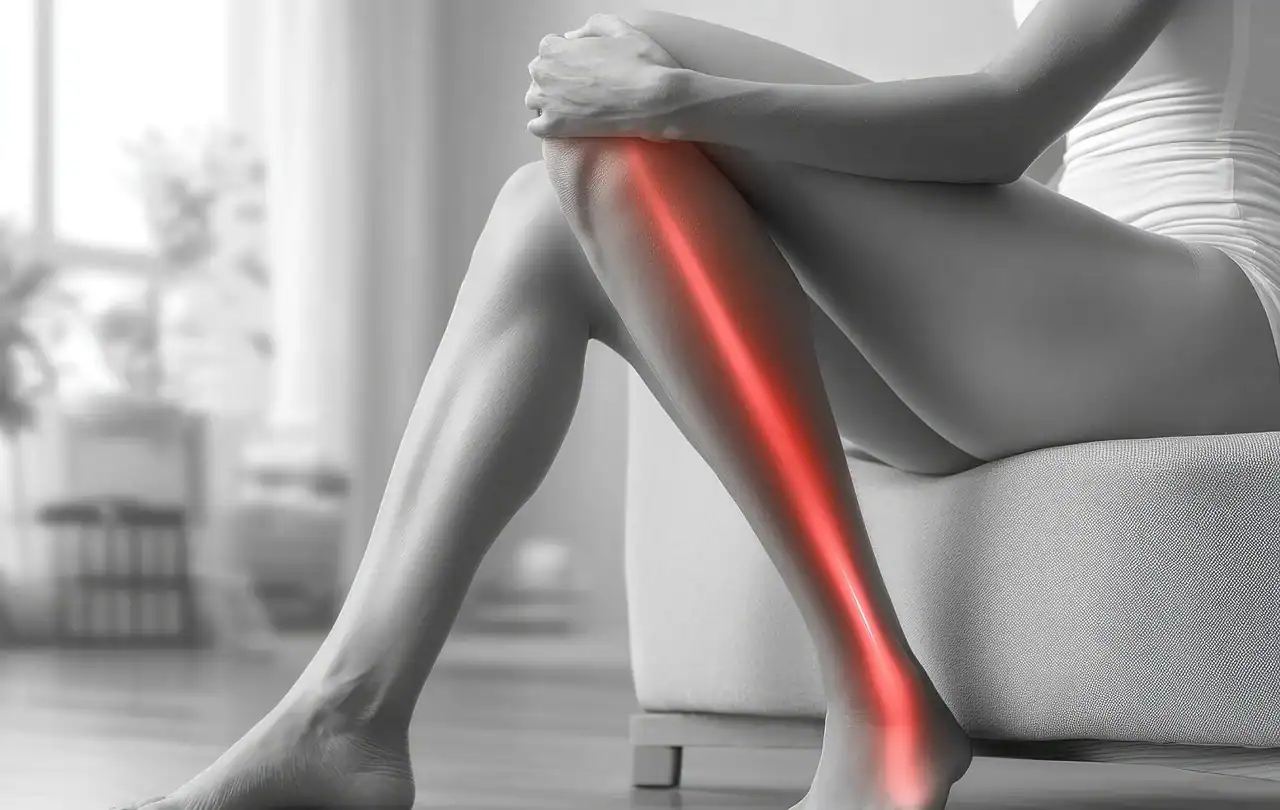
Restless Legs Syndrome (RLS) is a condition that causes an uncontrollable urge to move your legs, usually accompanied by uncomfortable sensations like itching, tingling, or crawling. This can be exceptionally bothersome when trying to fall asleep.
Research suggests that there is a strong link between iron deficiency and RLS. Iron is necessary for the proper functioning of the brain’s dopamine system, which controls leg movement.
If you find it difficult to rest or relax without constantly moving your legs and you’re also noticing other symptoms of iron deficiency, it’s worth bringing this up to your healthcare provider. If a deficiency is confirmed, restless legs can be managed with lifestyle changes and iron supplements.
Increased Heart Rate or Palpitations
When your body is low on iron, your heart has to work harder to supply oxygen to the tissues. This can lead to an increased heart rate or palpitations, which may feel like your heart is racing, fluttering, or pounding in your chest.
This symptom can be alarming, as it may feel like your heart is irregular. However, it’s important to remember that iron deficiency can affect your cardiovascular system, and managing your iron levels can help alleviate this symptom.
If you notice frequent or severe palpitations or feel lightheaded or faint along with a racing heart, consult a doctor immediately.
Cravings for Non-Food Items (Pica)
Pica is a condition in which individuals crave non-food items such as dirt, clay, chalk, or ice. It is a rare but serious symptom of iron deficiency, often seen in children and pregnant women. If you suddenly want to eat things that aren’t food, it could be due to low iron levels.
While it might seem unusual, pica can be dangerous if left unchecked, as it can lead to choking hazards, digestive issues, or poisoning. If you’re experiencing this symptom, seeing a healthcare provider to assess your iron levels and discuss treatment options is important.
Irregular Menstrual Cycles or Heavy Periods
Women with iron deficiency often experience heavier periods or irregular menstrual cycles. Blood loss during menstruation can exacerbate the problem, leading to lower iron levels. Heavy bleeding increases the risk of developing anemia and worsening symptoms like fatigue and dizziness.
If you notice a change in your menstrual cycle or experience weighty periods, it’s important to address this with your doctor. They can help you manage your iron levels and prevent further complications related to excessive blood loss.
Conclusion
Iron deficiency is a serious condition that can cause many symptoms, many of which are easily overlooked or dismissed as part of everyday life.
However, it’s crucial to check your iron levels if you’re experiencing multiple symptoms, such as extreme fatigue, dizziness, headaches, or restless legs.
Iron supplements, dietary adjustments, and addressing the underlying cause of the deficiency can help alleviate these symptoms and restore your overall health.
FAQs
Q: How can I prevent iron deficiency?
A: To prevent iron deficiency, ensure your diet includes plenty of iron-rich foods such as spinach, red meat, legumes, and fortified cereals. Vitamin C can also help your body absorb iron more effectively. In some cases, your doctor may recommend iron supplements.
Q: Can iron deficiency cause anxiety?
A: While iron deficiency can cause fatigue and dizziness, which may contribute to feelings of anxiety, it’s not directly linked to anxiety disorders. However, if your symptoms are causing significant stress or affecting your mental health, it’s worth addressing with a healthcare provider.
Q: How quickly can iron supplements work?
A: Iron supplements typically show effects after a few weeks of consistent use. However, restoring your iron levels fully may take a few months. Always follow your doctor’s guidance on dosage and duration.
