
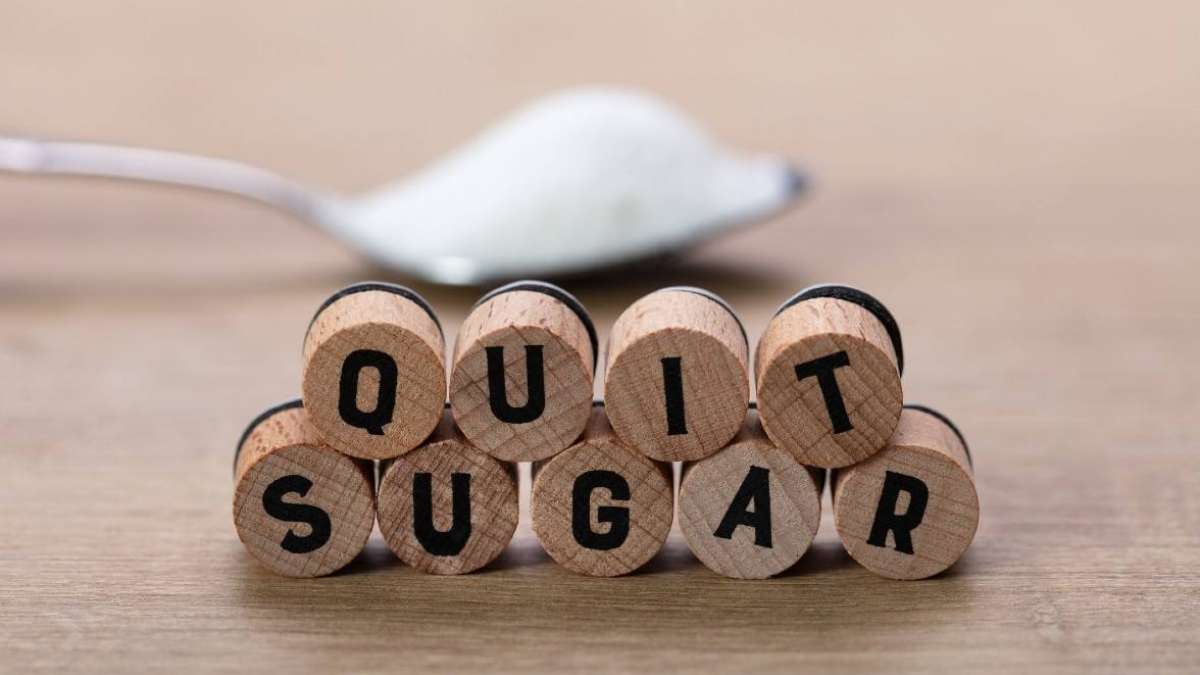
Quitting sugar can feel daunting, but it’s one of the best decisions you can make for your health. Cutting back on sugar helps with weight loss, boosts your energy, improves your skin, and supports better overall health.
The best part? You don’t have to overhaul your life overnight completely. Following these 7 simple steps, you can significantly reduce your sugar intake in just one week. Let’s dive into how small changes can have a significant impact and how you can finally break free from sugar’s grip.
Step 1: Assess Your Sugar Intake
The first step to quitting sugar is understanding exactly how much you consume. Hidden sugars are everywhere, from packaged foods to drinks, and it’s easy to lose track of just how much you’re eating.
Start by keeping a food journal for a few days, noting everything you consume, and reading ingredient labels carefully. Common culprits include soft drinks, sauces, and even certain breads. Look for ingredients such as high-fructose corn syrup, cane sugar, or any of the many forms of sugar (like sucrose or agave) hiding in your food.
Tracking your sugar intake helps you become more mindful about your eating. Once you have a clearer picture, you can start making informed decisions.
Consider replacing sugary snacks with healthier options like fresh fruit and nuts or homemade snacks like energy bars. This simple step sets you up for success as you prepare to reduce your sugar consumption.

Step 2: Purge Your Pantry
Once you’ve identified where sugar is sneaking into your diet, it’s time to take action. Start by clearing out your pantry, fridge, and snack drawer of all sugary foods and drinks. This includes candies, cookies, chips, sugary cereals, soda, and even processed foods disguised as healthy but containing hidden sugars. Don’t just toss these items – give them away or donate them to avoid temptation.
Next, restock your kitchen with nutrient-dense whole foods. Focus on fresh fruits, vegetables, lean proteins, and healthy fats that support your overall health and energy.
Having healthy snacks available will help prevent sugar cravings and make it easier to stick to your new, healthier habits. If craving something sweet, reach for fresh fruit or a handful of raw nuts instead of a sugary snack.
Step 3: Drink More Water
One of the easiest yet most powerful ways to cut sugar cravings is to stay hydrated. Often, thirst is mistaken for hunger or sugar cravings. When you’re dehydrated, your body signals hunger, which can lead to unnecessary sugar consumption. Drinking water throughout the day can help curb these cravings and keep you feeling fuller longer.
Try infusing your water with lemon, cucumber, or mint to add flavor without sugar. This not only makes drinking water more enjoyable but can also help reduce cravings. You could also carry a colorful water bottle to remind yourself to drink more.
Aim to drink at least 8 cups daily, but remember, your hydration needs might vary based on activity levels and climate. Keep a log of your water intake to ensure you stay on track.
Step 4: Switch to Natural Sweeteners
If you still crave something sweet, switching to natural sweeteners is a good way to satisfy that urge without the negative effects of refined sugar. Stevia, monk fruit, and raw honey are excellent alternatives that provide sweetness without spiking blood sugar levels. However, using these in moderation is essential since they still provide some calories.
Natural sweeteners offer additional health benefits, too. For instance, monk fruit is rich in antioxidants, and stevia has been shown to have potential benefits for blood sugar control.
Add these to your coffee, tea, or smoothies as a substitute for regular sugar. But remember, it’s not about overindulging – moderation is key to ensuring you’re not trading one unhealthy habit for another.
Step 5: Prioritize Protein & Healthy Fats
One of the biggest reasons people reach for sugary snacks is hunger. Sugar gives us a quick energy boost but is short-lived and often followed by a crash. To prevent this, focus on eating meals balanced with protein and healthy fats. Protein helps stabilize blood sugar and keeps you satisfied longer, while healthy fats provide sustained energy without the spikes from sugary snacks.
Include foods like eggs, lean meats, avocados, nuts, and seeds in your meals and snacks. For example, a handful of almonds or a hard-boiled egg can help curb sugar cravings and keep you full until your next meal.
Starting your day with a protein-packed breakfast, such as scrambled eggs or a smoothie with protein powder, will help regulate your blood sugar levels and reduce the temptation to snack on sugary foods.
Step 6: Plan and Prep Sugar-Free Meals
Meal planning is one of the best ways to ensure you stick to your goals. If you’re prepared with healthy, sugar-free meals, you’ll be less likely to grab unhealthy snacks when hunger strikes.
Spend some time each week prepping your meals always to have nutritious options. Batch cook meals like stir-fries, salads, or smoothie bowls, and portion them into containers for easy grab-and-go options.
By cooking your meals at home, you also have full control over what goes into them, avoiding the hidden sugars often found in take-out and pre-packaged meals. Simple, nutritious meals can be quick to prepare, and planning will prevent last-minute temptations that could derail your sugar-free journey.
Step 7: Cultivate Mindful Eating Habits
Mindful eating is a powerful tool for managing sugar cravings. Emotional eating or eating out of habit can lead to unnecessary sugar consumption. Practicing mindfulness can help you identify why you’re eating and break the cycle of reaching for sugar when you’re not truly hungry.
Start by slowing down and savoring each bite, paying attention to how the food tastes and makes you feel. This can help prevent overeating and make you more aware of your body’s hunger cues.
Keeping a food journal to reflect on your emotions before and after eating can also help you identify triggers that lead to sugar cravings. Incorporating mindfulness techniques like meditation or deep breathing can help you manage stress, another common trigger for emotional eating.
Conclusion
Quitting sugar doesn’t have to be overwhelming. By following these 7 simple steps, you can take control of your health and kick your sugar habit in just one week. Start by assessing your current sugar intake, clearing your pantry, and making small, manageable changes to your diet.
Stay hydrated, incorporate healthier sweetener alternatives, and fill your meals with protein and healthy fats. Plan and prep your meals ahead of time, and practice mindful eating to stay in tune with your body. It’s about lasting changes to improve your energy, mood, and overall well-being.
Bonus Tips:
- Create a support system: Share your journey with friends, family, or online communities for encouragement and accountability.
- Stay consistent: It takes time to break habits, so be patient and don’t give up if you slip up.
- Track progress: Use a journal or an app to track your meals, water intake, and cravings to stay on track.
FAQs:
Q: How long will it take to notice the benefits of quitting sugar? A: Many people notice improvements within the first week, including increased energy, clearer skin, and reduced cravings. However, the full benefits of quitting sugar may take a few weeks to manifest fully.
Q: Will I experience sugar withdrawal? A: Yes, especially if you’re used to consuming too much sugar. Symptoms can include headaches, fatigue, or irritability, but these typically subside after a few days to a week.
Q: Can I still eat fruits while quitting sugar? A: Yes! Whole fruits are packed with vitamins, fiber, and antioxidants, making them a healthy and natural source of sweetness. Just be mindful of portion sizes to avoid overconsumption.
Q: Can I drink alcohol while quitting sugar? A: It’s best to limit alcohol, as many alcoholic drinks contain added sugars. Opt for lower-sugar options like dry wine or spirits mixed with sparkling water.
