
Living with fibromyalgia can feel like navigating a storm. Chronic pain, fatigue, and heightened sensitivity often make everyday life challenging. Stress amplifies these symptoms, creating a vicious cycle that’s hard to break.
The good news? Relaxation techniques can help you manage stress and alleviate symptoms. Here are proven, practical strategies you can use today to de-stress instantly and regain control of your well-being.
Deep Breathing Exercises
Deep breathing is one of the simplest yet most effective relaxation techniques. It calms the nervous system, lowers the heart rate, and reduces muscle tension—all common stress responses exacerbated by fibromyalgia.
How to Practice:
- Sit or lie down in a comfortable position.
- Place one hand on your chest and the other on your abdomen.
- Inhale deeply through your nose for a count of four, feeling your abdomen rise.
- Hold your breath for four seconds.
- Exhale slowly through your mouth for six seconds, feeling your abdomen fall.
- Repeat for 5-10 minutes.
This practice triggers your body’s relaxation response, making it an excellent tool for stressful moments or as part of your daily routine.
Progressive Muscle Relaxation (PMR)
Progressive Muscle Relaxation helps you release physical tension by focusing on one muscle group at a time. This technique is particularly beneficial for fibromyalgia patients, as muscle stiffness and pain often accompany stress.
How to Practice:
- Sit or lie in a comfortable position.
- Start with your feet: tense the muscles for 5 seconds, then release and focus on the sensation of relaxation.
- Gradually move up your body—calves, thighs, abdomen, chest, arms, neck, and face.
- Take deep breaths between muscle groups to enhance relaxation.
Regular practice reduces stress and increases your awareness of physical tension, helping you address it early.
Guided Imagery
Guided imagery involves visualizing calming and peaceful scenes to help your mind and body relax. This technique can distract you from pain and stress, providing a mental escape from the demands of fibromyalgia.
How to Practice:
- Find a quiet, comfortable place where you won’t be disturbed.
- Close your eyes and take a few deep breaths.
- Imagine a serene location—a sunny beach, a lush forest, or a cozy cabin.
- Engage your senses: hear the waves, feel the warm sun, smell the fresh air.
- Stay in this mental scene for 5-10 minutes.
Audio guides and apps can be helpful for beginners, offering soothing narratives to guide your visualization.
Mindful Meditation
Mindful meditation trains your brain to focus on the present moment, reducing stress and improving your ability to cope with pain. It’s a powerful tool for fibromyalgia patients, helping to manage both physical and emotional symptoms.
How to Practice:
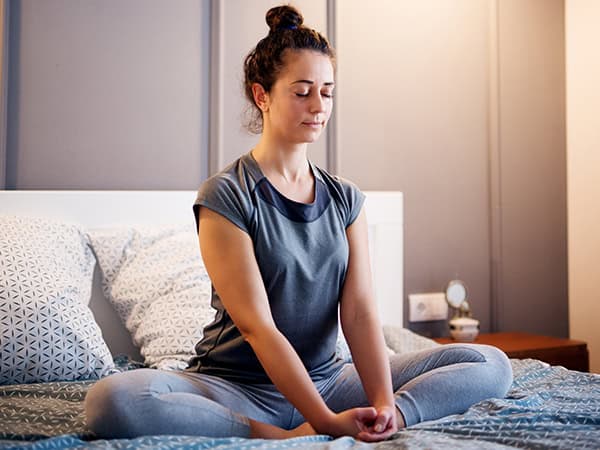
- Sit comfortably with your back straight and hands resting on your lap.
- Close your eyes and take a few deep breaths.
- Focus on your breath—the sensation of air entering and leaving your nose.
- When your mind wanders (and it will), gently bring your focus back to your breath.
- Start with 5 minutes and gradually increase the duration as you get comfortable.
Incorporate mindfulness into daily activities like eating or walking for ongoing benefits.
Gentle Stretching or Yoga
Movement can be both relaxing and therapeutic for fibromyalgia. Gentle stretching and yoga improve flexibility, reduce muscle stiffness, and enhance overall well-being.
Examples of Stretches and Poses:
- Child’s Pose: Kneel on the floor, extend your arms forward, and rest your forehead on the ground. This pose gently stretches your back and shoulders.
- Cat-Cow Stretch: Alternate between arching your back upward (cat) and downward (cow) while on your hands and knees to relieve tension in your spine.
- Seated Forward Bend: Sit with extended legs and gently reach for your toes to stretch your hamstrings.
Always listen to your body and avoid overexertion. Consider joining a fibromyalgia-friendly yoga class for guided practice.
Aromatherapy for Instant Calm
Essential oils can enhance relaxation and reduce stress. Aromatherapy is a simple, non-invasive way to create a soothing environment.
Popular Essential Oils for Relaxation:
- Lavender: Known for its calming properties, lavender can help reduce anxiety and improve sleep.
- Chamomile: Promotes relaxation and helps ease tension.
- Eucalyptus: Relieves muscle pain and creates a refreshing atmosphere.
How to Use:
- Add a few drops of essential oil to a diffuser.
- Mix with a carrier oil (like coconut or almond oil) and apply to your skin.
- Inhale directly from the bottle for a quick stress-relief boost.
Be cautious with essential oils if you have allergies or sensitive skin.
Music Therapy
Music has the power to influence mood and stress levels. Soothing sounds can provide much-needed comfort and relaxation for fibromyalgia patients.
How to Use Music for Relaxation:
- Create a playlist of calming music or nature sounds.
- Use noise-canceling headphones to block out distractions.
- Play music softly in the background during relaxation exercises.
Classical music, ambient sounds, or a favorite melody can profoundly impact stress levels. Experiment to find what works best for you.
Warm Baths or Heat Therapy
Heat is a natural muscle relaxant and pain reliever, making warm baths an excellent choice for instant relaxation. Adding soothing elements can enhance the experience.
How to Use Heat Therapy:
- Take a warm bath with Epsom salts to ease muscle tension and reduce inflammation.
- Add a few drops of lavender or chamomile essential oil for added relaxation.
- Use a heating pad or warm compress on sore areas for localized relief.
Limit bath time to 20 minutes to prevent fatigue, and make it part of your bedtime routine for better sleep.
Conclusion
Relaxation techniques are powerful tools in managing fibromyalgia symptoms. By incorporating deep breathing, PMR, guided imagery, mindfulness, gentle stretching, aromatherapy, music therapy, and heat therapy into your daily life, you can reduce stress and improve your overall quality of life. Experiment with these methods to find what works best for you and make self-care a priority.
FAQs
Q: How often should I practice these relaxation techniques?
A: Consistency is key. Aim to practice at least one technique daily for 10-15 minutes. Over time, you’ll notice improvements in your stress levels and symptom management.
Q: Are these techniques safe for everyone with fibromyalgia?
A: Most techniques are safe, but listening to your body is essential. Avoid overexertion during stretching or yoga, and consult your healthcare provider if you have specific concerns.
Q: Can I combine multiple techniques?
A: Absolutely! For example, you can use aromatherapy during a warm bath or play calming music while practicing deep breathing. Combining techniques can enhance their effectiveness.
Q: How soon will I see the results?
A: Some techniques, like deep breathing and heat therapy, offer immediate relief. Others, such as mindfulness and yoga, may take a few weeks of regular practice to show noticeable benefits.
Q: Are there resources to help me get started?
A: Yes, many apps, videos, and guides are available for free online. Look for reputable resources tailored to fibromyalgia or chronic pain management.
