
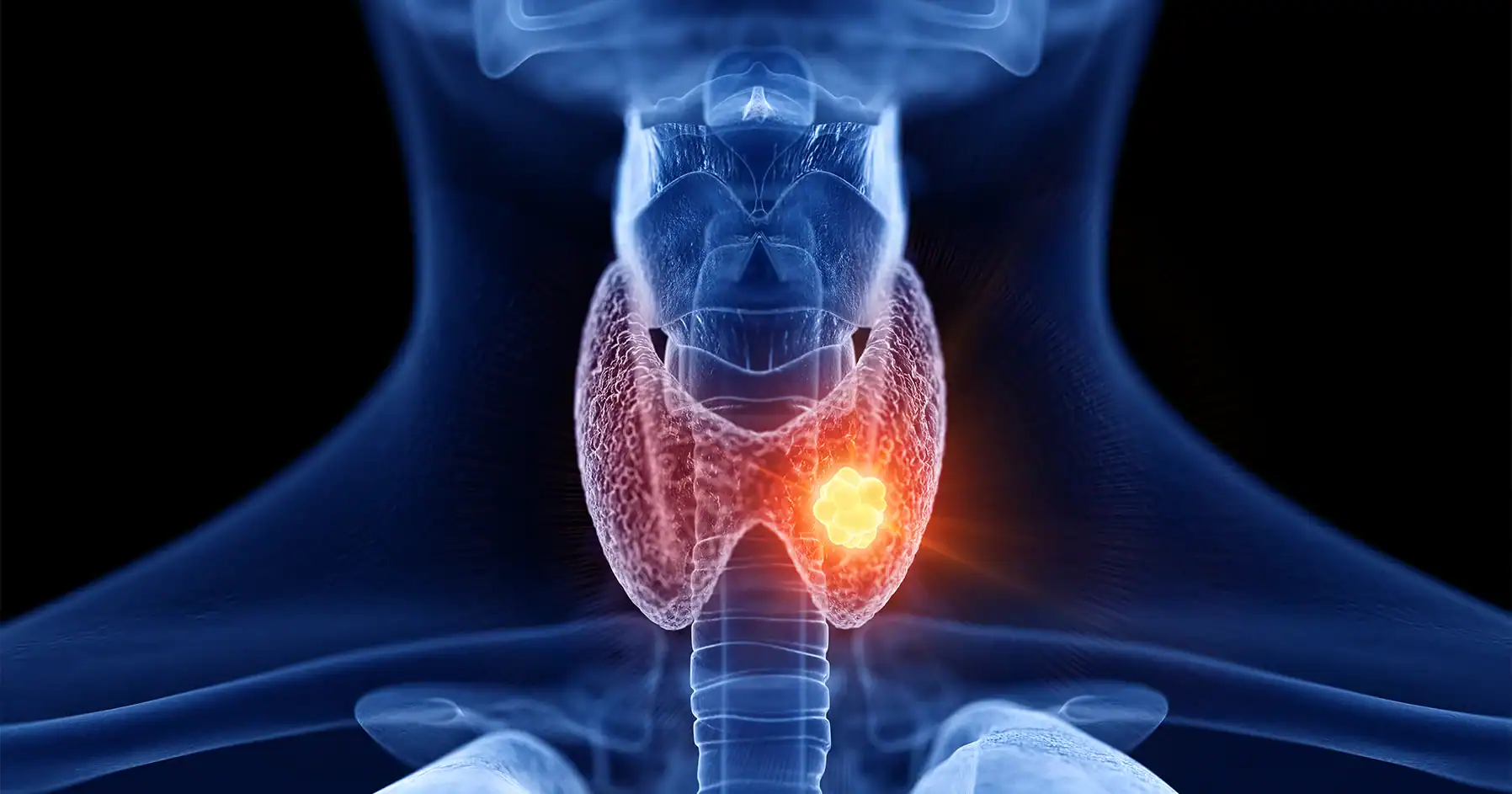
Hashimoto’s thyroiditis is when the immune system attacks the thyroid gland, often leading to hypothyroidism or an underactive thyroid. Managing this autoimmune disorder requires a holistic approach, and diet plays a key role in reducing symptoms and preventing flare-ups.
Some foods can contribute to inflammation, interfere with thyroid function, or worsen the autoimmune response. Below, we’ll explore the nine foods you should avoid to manage Hashimoto’s effectively and help keep your thyroid and immune system in check.
Gluten
Gluten is a protein found in wheat, barley, and rye. For individuals with Hashimoto’s, gluten can trigger immune responses that worsen thyroid function. Studies show that gluten intolerance and Hashimoto’s often go hand in hand. Gluten can cause inflammation in the gut, leading to intestinal permeability, commonly known as “leaky gut,” which further triggers the immune system.
Consuming gluten may increase the likelihood of autoimmune flare-ups. Gluten can also affect the absorption of thyroid medications. The inflammation it causes can exacerbate symptoms such as fatigue, weight gain, and joint pain. Avoiding gluten can reduce inflammation, support thyroid health, and improve overall well-being.
Alternative: Opt for gluten-free grains like quinoa, rice, and oats, which are safer and less likely to trigger Hashimoto’s symptoms.

Soy Products
Soy products contain goitrogens, including tofu, tempeh, soy milk, and edamame. Goitrogens can interfere with the thyroid’s ability to absorb iodine, a mineral required for thyroid hormone production. This is particularly concerning for individuals with Hashimoto’s, as their thyroid is already under attack.
Consuming large amounts of soy may inhibit thyroid function and could exacerbate Hashimoto’s symptoms, such as fatigue and brain fog. While moderate amounts of soy may be tolerable for some, it is best to limit soy intake to ensure optimal thyroid health.
Alternative: Non-soy protein sources like chicken, turkey, eggs, legumes, and lentils are great alternatives that won’t interfere with thyroid function.
Cruciferous Vegetables (Raw)
Cruciferous vegetables such as broccoli, cauliflower, kale, cabbage, and Brussels sprouts contain naturally occurring substances called goitrogens.
These compounds can disrupt thyroid function by blocking the thyroid’s ability to absorb iodine, potentially leading to further thyroid dysfunction. However, cooking these vegetables can reduce the goitrogenic effects.
When eaten raw or in large quantities, cruciferous vegetables can suppress thyroid hormone production in individuals with Hashimoto’s. While these vegetables offer essential nutrients, moderation and cooking can make them safer.
Alternative: Opt for cooked versions of cruciferous vegetables to reduce their goitrogenic properties. Cooking breaks down the compounds that can interfere with iodine absorption.
Dairy Products
Dairy is a controversial food for individuals with Hashimoto’s, as it can cause inflammation in some people, especially those with lactose intolerance or sensitivity to dairy proteins.
The link between Hashimoto’s and gut health is significant. Dairy can exacerbate gut inflammation, disrupt digestion, and even cause bloating, which may worsen autoimmune symptoms.
Additionally, dairy can sometimes interfere with thyroid function and the absorption of thyroid medications. While some people with Hashimoto’s can tolerate dairy in small amounts, it’s often best to avoid or limit it to keep inflammation under control.
Alternative: Consider switching to lactose-free dairy products or non-dairy options such as almond milk, coconut yogurt, or oat-based products.
Processed Foods and Refined Sugar
Processed foods and refined sugar are major contributors to inflammation. For people with Hashimoto’s, inflammation is a key factor exacerbating the autoimmune response. Highly processed foods often contain unhealthy fats, refined sugars, and artificial additives that increase oxidative stress, worsening symptoms.
Refined sugars cause blood sugar spikes and crashes, worsening fatigue and other Hashimoto-related issues. Additionally, the preservatives and chemicals found in processed foods may trigger an inflammatory response that interferes with thyroid function. Reducing or eliminating these foods will support a more stable immune response and better health.
Alternative: Focus on whole foods, including fruits, vegetables, lean proteins, and healthy fats. Opt for natural sweeteners like stevia or monk fruit if you need a sweet fix.
Vegetable Oils (e.g., Canola, Soybean)
Vegetable oils such as canola, soybean, and sunflower oil are high in omega-6 fatty acids. While omega-6 fatty acids are essential in moderation, excessive consumption can lead to an imbalance in the omega-3 to omega-6 ratio. This imbalance promotes inflammation, which can trigger autoimmune responses and worsen Hashimoto’s symptoms.
Inflammation is a central issue for those with Hashimoto’s, so it’s vital to avoid these oils and opt for healthier alternatives that support thyroid health.
Alternative: Choose healthier fats such as olive oil, coconut oil, avocado oil, and grass-fed butter. These fats help reduce inflammation and support optimal thyroid function.
Caffeine
Caffeine is a stimulant found in coffee, tea, and some sodas. While moderate caffeine intake is generally safe for most people, it can be problematic for those with Hashimoto’s.
Caffeine can interfere with the absorption of thyroid medications, making them less effective. It may also cause jitteriness, anxiety, and sleep disturbances, which can worsen the fatigue and stress often associated with Hashimoto’s.
Furthermore, caffeine may elevate cortisol levels, the stress hormone, which can further stress the thyroid and immune system. Reducing or eliminating caffeine can help improve thyroid function and manage symptoms.
Alternative: Herbal teas such as chamomile, peppermint, or rooibos can be soothing and caffeine-free alternatives.
Nightshade Vegetables (Tomatoes, Potatoes, Peppers)
Nightshade vegetables contain compounds called alkaloids, including tomatoes, potatoes, peppers, and eggplants. These compounds can cause inflammation and exacerbate autoimmune responses in some people with Hashimoto’s. While nightshades are generally healthy for many people, they can trigger joint pain, digestive issues, and inflammation in those with thyroid conditions.
If you have Hashimoto’s, you may find that nightshades worsen symptoms like joint pain or bloating, which can be uncomfortable and counterproductive to your treatment.
Alternative: Non-nightshade vegetables like leafy greens, zucchini, and squash can provide similar nutrients without triggering inflammation.
Artificial Sweeteners
Artificial sweeteners such as aspartame, sucralose, and saccharin are often used in sodas, sugar-free snacks, and processed foods. While they are low in calories, they can disrupt gut health and thyroid function.
Studies suggest that these sweeteners may affect the gut microbiota, which plays a significant role in immune regulation. Since Hashimoto’s is an autoimmune disorder, any disruption to the gut can trigger inflammation and worsen symptoms.
Moreover, artificial sweeteners may increase insulin resistance and blood sugar fluctuations, further stressing the thyroid. It’s best to avoid these synthetic sweeteners in favor of natural options.
Alternative: Consider using natural sweeteners like stevia or monk fruit, which are safer and less likely to cause adverse effects.
Conclusion
Managing Hashimoto’s thyroiditis effectively involves a comprehensive approach that includes proper medical care, lifestyle changes, and diet adjustments.
Avoiding certain foods—gluten, soy, cruciferous vegetables (raw), dairy, processed foods, vegetable oils, caffeine, nightshades, and artificial sweeteners—can help reduce inflammation, improve thyroid function, and alleviate symptoms. Focusing on whole, nutrient-dense foods and healthy fats will give your thyroid the support it needs to function optimally.
Remember, each person’s experience with Hashimoto is unique, so it’s essential to consult a healthcare professional before making significant dietary changes.
FAQs
1. Can I eat soy in moderation if I have Hashimoto’s? Moderate soy intake may be okay for some people with Hashimoto’s, but it’s best to limit soy products, especially in large quantities. The goitrogens in soy can interfere with thyroid function, particularly in individuals already dealing with thyroid issues.
2. Is gluten-free a necessity for everyone with Hashimoto’s? While not everyone with Hashimoto’s is gluten-sensitive, a gluten-free diet is often recommended. It can reduce inflammation and improve gut health, crucial in managing autoimmune conditions.
3. What are goitrogens, and why should I avoid them? Goitrogens are substances in certain foods (such as soy and raw cruciferous vegetables) that can interfere with the thyroid’s ability to absorb iodine. Iodine is essential for producing thyroid hormones, so consuming goitrogens can hinder thyroid function.
4. Can dairy affect thyroid medication absorption? Dairy products, significantly high in fat, can interfere with the absorption of thyroid medication. It’s best to take thyroid medication on an empty stomach and wait at least 30-60 minutes before consuming dairy.
5. Are there any more foods I should eat for Hashimoto’s? Focus on anti-inflammatory foods, such as fruits, vegetables, lean proteins, and healthy fats like omega-3-rich foods (salmon, walnuts, flaxseeds). These can help reduce inflammation and support overall health.
