
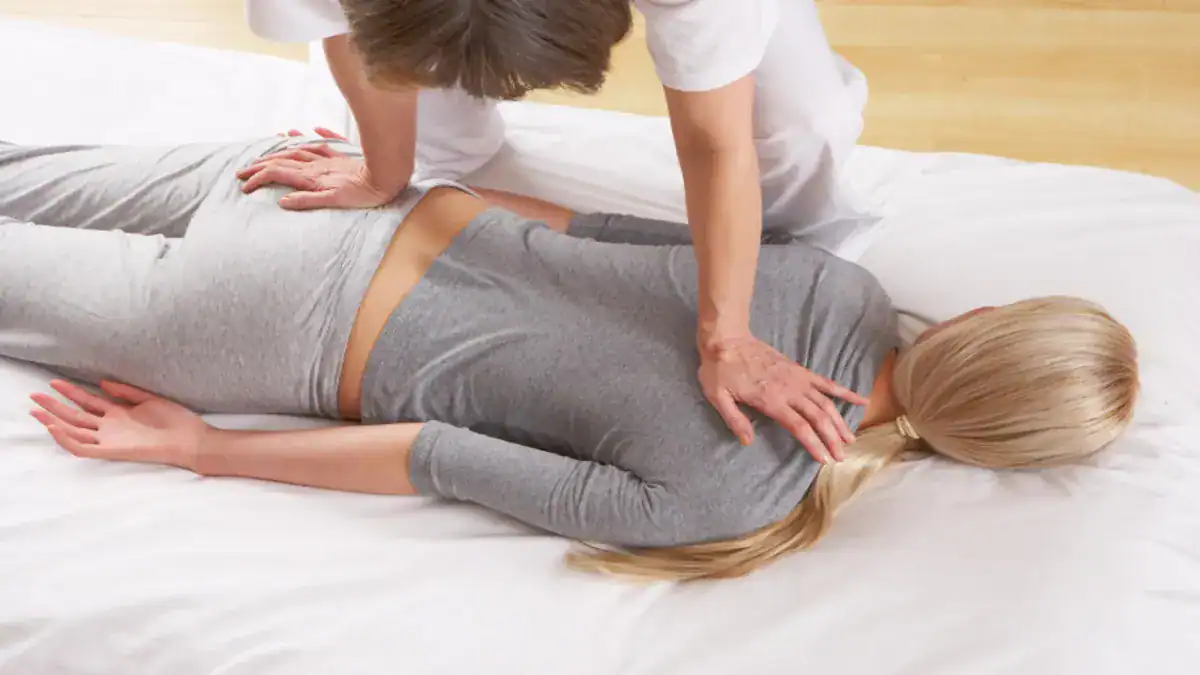
Sciatica pain can be debilitating, affecting your lower back and radiating down one or both legs. This discomfort can stem from a herniated disc, spinal stenosis, or muscle tension, which may pressure the sciatic nerve.
Fortunately, massage therapy can be an effective way to manage and reduce sciatic pain. This article will explore some of the best massage therapies for sciatica pain, explaining how each technique works, its benefits, and what you can expect during treatment.
Deep Tissue Massage
What it is: Deep tissue massage is a hands-on technique that targets the deeper layers of muscle tissue. By using firm, sustained pressure and slow strokes, this therapy releases tension in the muscles and fascia, which are the connective tissues surrounding muscles.
How it helps with sciatica: For people with sciatica, muscle tension in the lower back, hips, and legs is often a contributing factor to nerve compression. Deep tissue massage helps alleviate this tension, which can reduce the irritation of the sciatic nerve. The increased circulation by deep tissue massage also promotes healing by delivering more oxygen and nutrients to the affected areas.
Best for This type of massage is particularly helpful for individuals dealing with chronic sciatica or long-term muscle stiffness. It’s great for those with tight muscles from prolonged sitting, poor posture, or physical exertion, all of which can contribute to sciatica pain.
What to expect: During a deep tissue massage, the therapist applies firm pressure to the affected areas, such as the lower back, hips, and legs. Some discomfort is normal, especially if the therapist is working out muscle knots or tightness. However, this pressure should not cause pain—only discomfort that helps to release the muscle tension.
Swedish Massage
What it is: Swedish massage is a gentler form of massage that uses long, flowing strokes, kneading, and circular movements. It’s designed to relax the body and promote overall wellness.
How it helps with sciatica: While Swedish massage doesn’t focus on deep muscle work like deep tissue massage, it still significantly relieves sciatica pain. The rhythmic strokes help improve circulation, reduce muscle tension, and promote relaxation. This can ease inflammation around the sciatic nerve and help calm the nervous system, reducing pain levels.
Best for: Swedish massage is ideal for people experiencing acute sciatica pain or who prefer a lighter touch. It’s also great for beginners to massage therapy or those who want to combine sciatica relief with a full-body relaxation experience.
What to expect: Swedish massage involves light to medium pressure, with long strokes that can cover the whole body. The focus will likely be on the areas where you feel the most pain, such as the lower back or legs. It’s a soothing experience, and you should leave the session feeling relaxed and rejuvenated.

Trigger Point Therapy
What it is: Trigger point therapy targets specific areas of muscle tightness called “trigger points,” often resulting from muscle overuse or injury. These points, also known as muscle knots, can refer to pain in other body areas, including the sciatic nerve.
How it helps with sciatica: Sciatica pain is often associated with lower back, glutes, and leg muscle knots. Trigger point therapy works by applying pressure directly to these trigger points to release muscle tightness and alleviate pain. By reducing the muscular restrictions that affect the sciatic nerve, this therapy helps ease discomfort and improve mobility.
This technique is excellent for individuals with localized pain due to muscle knots, particularly those with muscle tightness or tension contributing to sciatica if you’ve identified specific areas of discomfort, trigger point therapy can effectively address the root cause.
What to expect: The therapist will apply deep, focused pressure to specific tight or tender areas. This may feel uncomfortable or mildly painful, but the goal is to release the tension in these areas. Relief usually comes after the pressure is released, and the therapist may use various techniques to ensure that the knot is fully addressed.
Myofascial Release
What it is: Myofascial release is a technique that targets the fascia, the connective tissue that surrounds muscles and organs. When fascia becomes tight or restricted, it can contribute to muscle stiffness and nerve compression, including sciatica.
How it helps with sciatica: Myofascial release releases tightness and restrictions within the fascia, improving the range of motion and decreasing pain. In the case of sciatica, fascia restrictions in the lower back and gluteal muscles are often a source of discomfort. By working gently but profoundly to release this tension, myofascial release can provide long-term relief for sciatic pain.
This therapy mainly benefits individuals with chronic sciatica or ongoing muscle stiffness that hasn’t responded to other treatments. It’s also practical for anyone with pain rooted in fascia tightness rather than muscle knots alone.
What to expect: Myofascial release is a slow and gentle technique. The therapist uses sustained pressure to release fascia tension, focusing on areas of restriction. You may feel a gentle stretch or tension release as the therapist works through the affected areas.
Hot Stone Massage
What it is: Hot stone massage uses smooth, heated stones on specific body points. The warmth of the stones helps relax tight muscles and increase circulation, which can enhance the massage’s effects.
How it helps with sciatica: Heat therapy can be incredibly effective for sciatica. The warmth from the stones helps to relax muscles and increase blood flow, which can reduce inflammation and ease nerve pain. This combination of heat and massage can be particularly soothing for sciatic pain caused by muscle spasms or inflammation.
Best for: Hot stone massage is ideal for those seeking a more relaxing massage experience. It’s beneficial if you have chronic sciatica with muscle tension, and it’s also a good option for individuals who enjoy the benefits of heat therapy in combination with massage.
What to expect: During a hot stone massage, the therapist places warm stones on your back, legs, or other affected areas. These stones are combined with traditional massage techniques, applying gentle pressure and heat. The warmth of the rocks promotes relaxation and can help ease muscle tension.
Shiatsu Massage
What it is: Shiatsu is a Japanese form of massage that uses finger pressure, stretches, and joint manipulation to balance the body’s energy. It is based on the concept of Qi (vital energy), which flows through meridian pathways.
How it helps with sciatica: In shiatsu therapy, pressure is applied to specific points along the meridians that correspond to the areas affected by sciatica. By balancing energy flow and releasing tight muscles, this therapy can reduce nerve compression and alleviate pain associated with sciatica.
Best for Shiatsu is an excellent option for those seeking a holistic approach to sciatica pain. Shiatsu may be a practical solution if you want to balance your body’s energy flow while addressing muscle tension.
What to expect: The therapist will apply finger pressure to key points on your body, focusing on the lower back, legs, and other affected areas. The massage may also include stretches and joint manipulations to relieve pain further and improve mobility.
Pregnancy Massage (for Pregnant Women with Sciatica)
What it is: Pregnancy massage is a gentle technique explicitly designed for expectant mothers. It uses safe positions and pressure to relieve common discomforts experienced during pregnancy, including sciatica.
How it helps with sciatica: During pregnancy, the growing uterus can pressure the sciatic nerve, leading to pain in the lower back and legs. Pregnancy massage focuses on easing this pressure by relaxing the muscles, improving circulation, and reducing stress. It’s a safe way to address sciatic pain during pregnancy without harming the baby.
Best for This therapy is ideal for pregnant women experiencing sciatica pain. It’s also a great way to promote relaxation and comfort during the later stages of pregnancy.
What to expect: The therapist will use gentle techniques to ensure you are positioned comfortably throughout the session. This may involve lying on your side or being supported with pillows to ensure safety and comfort.
Reflexology
What it is: Reflexology involves applying pressure to specific points on the feet, hands, or ears, which are believed to correspond to different areas of the body. This therapy is based on the idea that stimulating these points can improve overall health.
How it helps with sciatica: Reflexology can stimulate the nervous system and improve circulation, helping to relieve sciatica pain. By focusing on reflex points related to the lower back and legs, this therapy may help release muscle tension and reduce nerve irritation.
Best for Reflexology is an excellent complementary therapy for sciatica pain. It’s also a good choice for those seeking a non-invasive, holistic approach to pain relief.
What to expect: A reflexology session typically involves gentle pressure applied to reflex points on your feet or hands. The therapist will focus on areas related to your sciatic pain, helping to alleviate discomfort and promote healing.
Conclusion
Massage therapy can be an effective way to manage sciatica pain, offering both immediate relief and long-term benefits. Whether you prefer deep tissue massage to target muscle tension or Swedish massage for a more relaxing experience, there’s a technique that can help.
Always consult a healthcare provider to ensure you choose the right massage therapy. With the right approach, you can experience significant improvement in your sciatica symptoms and enjoy a better quality of life.
FAQs
Q: How often should I get a massage for sciatica? A: The frequency depends on your condition. For chronic sciatica, weekly or biweekly sessions may be beneficial. For acute pain, start with more frequent sessions and reduce as symptoms improve.
Q: Can massage cure sciatica? A: While massage can help relieve symptoms, it is not a cure for sciatica. It’s most effective when combined with other treatments, such as physical therapy, exercise, and proper posture.
Q: Is massage safe for pregnant women with sciatica? A: Pregnancy massage is specifically designed to be safe for expectant mothers. Always consult your doctor before starting any new treatment during pregnancy.
Q: How long do the effects of a massage last? A: The effects of a massage can vary, but many people experience relief for several days after a session. Regular massage sessions can help maintain long-term relief from sciatica pain.
