At the Movies 34 Years Ago, A Cult Sci-Fi Movie’s History Got Complicated And Started a Major Fan Debate: A Practical Look
Blade Runner is one of the most iconic sci-fi movies of all time, and while it hit theaters 42 years ago, the debate surrounding the film got a lot more complicated 34 years ago today. Ridley Scott’s adaptation of Philip K. Dick’s Do Androids Dream of Electric Sheep? has gone on to spawn a franchise that continued with the legacy sequel film Blade Runner 2049, as well as an upcoming TV show, Blade Runner 2099.
While there are tons of fan theories surrounding the franchise, the greatest debate is still regarding the original film. Although there is only one Blade Runner, the film has three different endings, and fans still can’t decide which one is best.
The Blade Runner Director’s Cut Was Released 34 Years Ago Today
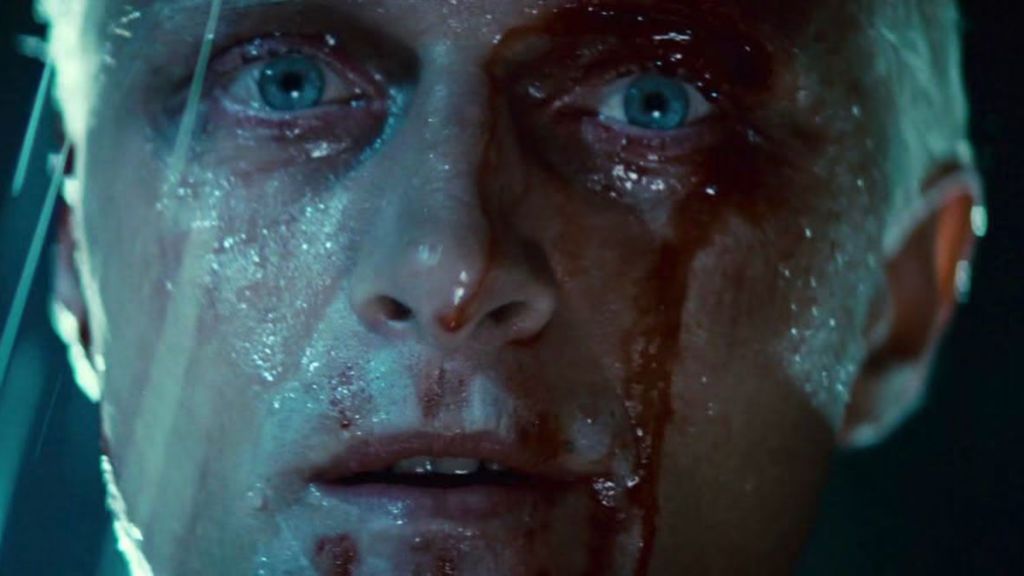
Principal photography for 1982’s Blade Runner ended in Summer 1981, and soon after, test screenings began. However, these screenings revealed that audiences weren’t fans of the downer ending that Scott originally wanted, leading the studio to make some major changes. A new ending was shot, combining new footage of Rick Deckard and Rachael leaving Los Angeles with leftover helicopter shots from Stanley Kubrick’s The Shining. On top of that, a voiceover from Rick wraps up the film, overexplaining elements and dumbing the film down immensley.
This was the ending that Blade Runner viewers would know for over a decade, with the film ending on an incredibly low note. This undoubtedly contributed to the initial mixed reviews that the film received, which, combined with Blade Runner‘s low box office, made the film seem like a dud. However, tales of the original workprint version that was shown at test screenings indicated that there was a better version out there. Unofficial screenings of the workprint version took place in 1990 and 1991, leading to a push for a director’s cut. So, Ridley Scott’s Blade Runner Director’s Cut was released in 1992, which led to Blade Runner‘s cult status taking off.
This cut made significant changes to the theatrically released version, with Scott getting rid of the studio-mandated happy ending and voice-over. This version also reinserted cut sequences focused on the unicorn motif, bringing back some of Blade Runner‘s most iconic visuals. Scott provided notes to Michael Arick, the film preservationist who used the workprint to compile this version, which was finally released on September 11, 1992.
Ever since the release of this version of the film, a debate has raged regarding which version of Blade Runner new viewers should watch first. The Director’s Cut is obviously better, but the theatrical cut is the one that most viewers were exposed to. Some argued that the Director’s Cut is supplemental to the theatrical release, while others say that the theatrical should be ignored in favor of the Director’s Cut. The conversation went on throughout the 1990s and early 2000s, but nobody could have predicted that things would only get worse right around the corner.
The Final Cut Only Made The Blade Runner Ending Debate Worse
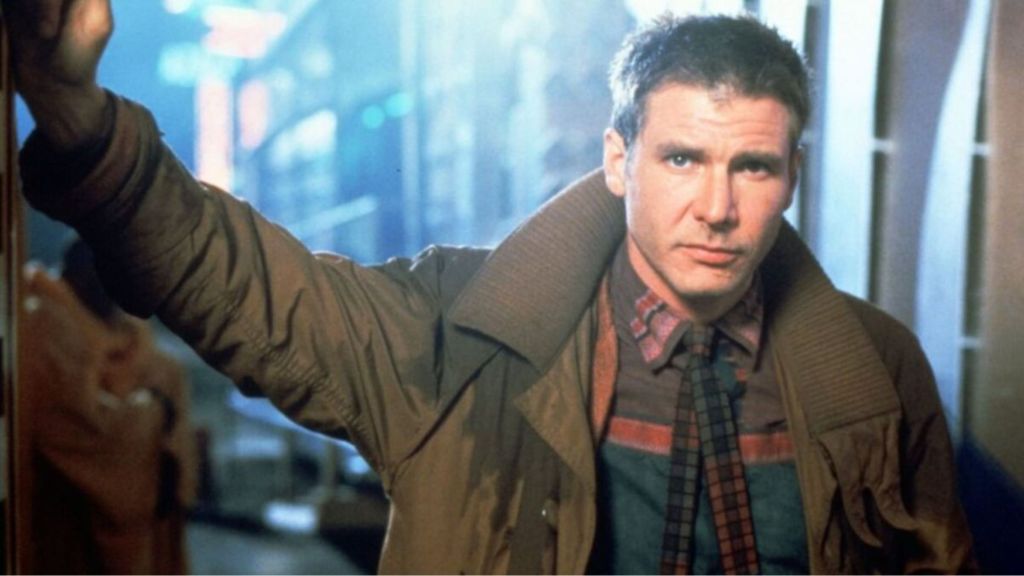
On October 5, 2007, Warner Bros. theatrically released Blade Runner: The Final Cut, a new cut of the film over which Ridley Scott was given complete directorial and editorial control. This version was only a minute longer than the Director’s Cut, with both being incredibly similar. One of the biggest differences is that The Final Cut includes a lot of the violence that was cut from the previous two versions, making the film as a whole feel more gritty. Other small changes include alterations to the sky in the shot of the dove flying away after Roy Batty’s death, a slightly new version of Zhora’s death scene, and changes to the unicorn vision sequence.
The Final Cut is essentially a fine-tuned version of The Director’s Cut, but since it exists as a third alternate version of Blade Runner, it too has entered the controversial ending debate. Some have compared this version to the Special Editions of Star Wars, highlighting that this version is simply Ridley Scott making changes to his already-complete cut rather than reinstating elements that were forcibly removed by the studio. Others, however, say that this is the definitive version of Blade Runner, as it is seemingly the closest version to Scott’s original intent for the film.
So, now diehard Blade Runner fans are split into three camps, and for newcomers, the decision of which version to watch first is more difficult than ever. The versions that come to various streaming services constantly change, but since they’re all easily accessible, it is up to each individual viewer to decide which cut to watch. While watching all three cuts is the best way to be fully knowledgeable about the development of Blade Runner, it is impossible to definitively say which cut is best, and which one newcomers should watch first.