Disney Admits Two of Its Summer Blockbusters Were Flops (But They’re Not Worried for 2 Reasons)
It isn’t a stretch to say that Disney was the most dominant studio in Hollywood in the 2010s. Between Marvel, Lucasfilm, Pixar, and its own in-house releases, the Mouse House routinely released blockbuster hit after blockbuster hit. Many of these films broke all-time box office records, capped off by Avengers: Endgame becoming the highest-grossing film worldwide (at least for a brief period before an Avatar re-release put James Cameron’s film back on top). Things have changed a bit in the 2020s. While Disney is still more than capable of producing a commercial success, their track record is far more mixed these days. Multiple Marvel and Pixar films have underperformed in theaters, and now a couple more Disney releases have gone down as flops. However, the studio isn’t worried.
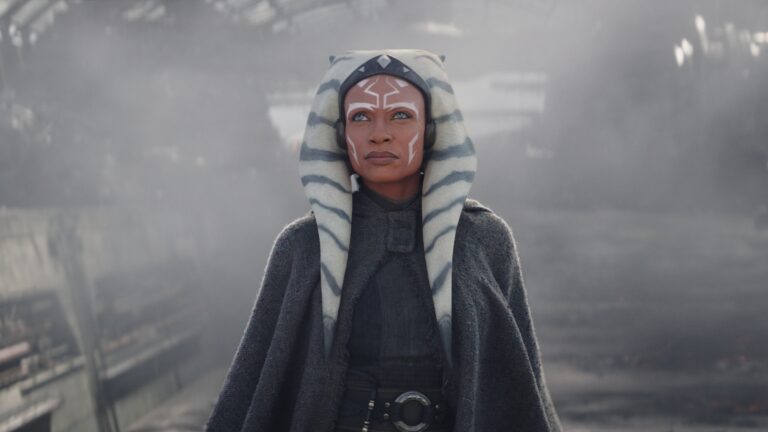
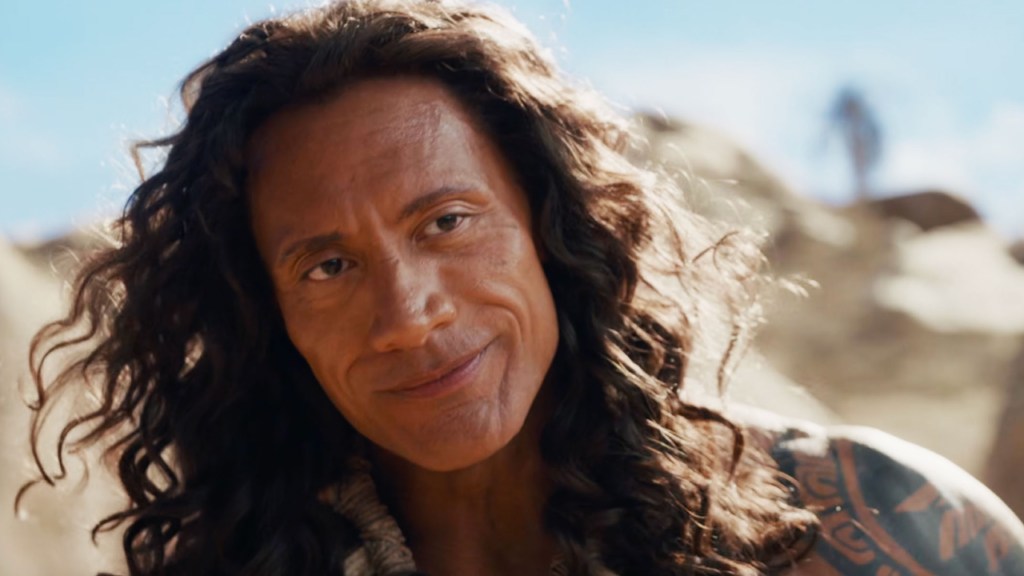
During an earnings call with investors (via The Hollywood Reporter), Disney admitted that summer movies The Mandalorian and Grogu and Moana disappointed at the box office, but the company still made up for those performances in other areas. “Even when our franchise films don’t meet our box office expectations, as with The Mandalorian and Grogu and the live-action Moana, our investments in these core properties fuel other parts of our company,” said CEO Josh D’Amaro. “The Mandalorian and Grogu drove healthy growth in retail sales for the Star Wars franchise and drew guests to the updated Millennium Falcon attraction at Disneyland and Walt Disney World, and led to significant engagement in gaming as well. And the live-action Moana is expected to be a strong title on Disney+, building on the success of the original film, which is one of the most-streamed movies of all time.”
Added Disney CFO Hugh Johnston, “Look, theatrical performance is important to us, of course, and we certainly aspire to deliver consistent financial results for our films, but the nature of the film industry is such that it is more of a portfolio game. The good news for us is our diversified business helps us basically cover the volatility that comes out of the film business.”
Disney Is Right About the Box Office, But They Still Need Hit Movies
Disney’s overview of their financials is an illustration of how box office grosses are not necessarily the end-all, be-all when determining whether a film was a success or not. As Johnston says, the studio doesn’t just completely neglect the box office or downplay its significance, but the box office is just one revenue stream that’s available to a movie. It’s worth keeping in mind that The Mandalorian and Grogu was never expected to be one of the highest-grossing Star Wars movies; projections heading into its opening weekend were soft when compared to other installments in the franchise. Disney was probably always banking on merchandise sales and theme park admissions to supplement the film’s box office haul. The character of Grogu has been a merchandising juggernaut since his debut, appealing to fans of all ages.
Streaming is also a key component here, even as there are growing signs that producing new live-action TV shows for Disney+ is no longer a top priority for the Mouse House. Marvel and Lucasfilm might be scaling back on output, but the streaming service isn’t going anywhere any time soon. New titles like The Mandalorian and Grogu and the live-action Moana provide Disney+ with fresh offerings to either keep people subscribed or draw in new subscribers, adding additional dollars to Disney’s bottom line. The Mandalorian and Grogu should do very well on streaming as well, especially considering The Mandalorian was Disney+’s flagship original series for many years.
It’s great that Disney has ways to compensate for lackluster box office runs, but they still need to find a way to get back to the way things were in the 2010s, when the idea of a Marvel or Pixar movie bombing in theaters was unfathomable. That way, any money made from merchandise sales or theme park attractions are just icing on the cake instead of being a necessity to turn a profit. Obviously, Disney executives would like to see a higher return on their investments. The Mandalorian and Grogu had the lowest production budget of the Disney-era Star Wars movies, but $165 million isn’t exactly pocket change. Moana cost $250 million to produce. Those figures do not account for marketing and distribution expenses, and when you then factor in Disney splitting ticket sales with theaters, those other revenue streams have to do a lot of heavy lifting to make up for underwhelming worldwide grosses. There shouldn’t be as much pressure on toy sales to bring a movie into the black.
Not every movie is going to be a winner, but too many box office flops in a row can communicate to the studio that certain franchises and strategies aren’t resonating strongly with audiences, which could have long-term repercussions. If Star Wars movies continue to disappoint in theaters, that could theoretically have a negative impact on merchandise sales. The Mandalorian and Grogu was able to benefit from the built-in fandom surrounding Grogu, but the same won’t be true for Star Wars: Starfighter, which revolves around a cast of all-new characters. Star Wars is always going to have some level of appeal for kids, but if Starfighter isn’t a hit (particularly in that demographic), there may not be as much interest in the toys and other merchandise. Moana is one of the worst-received live-action Disney remakes and could sour moviegoers on other remakes. With Disney moving away from TV and shifting back to putting a priority on feature films, they need the next crop to deliver much better results.