
4 Things That Prove Stuart Fails to Save the Universe Is Already The Big Bang Theory’s Best Spin-Off
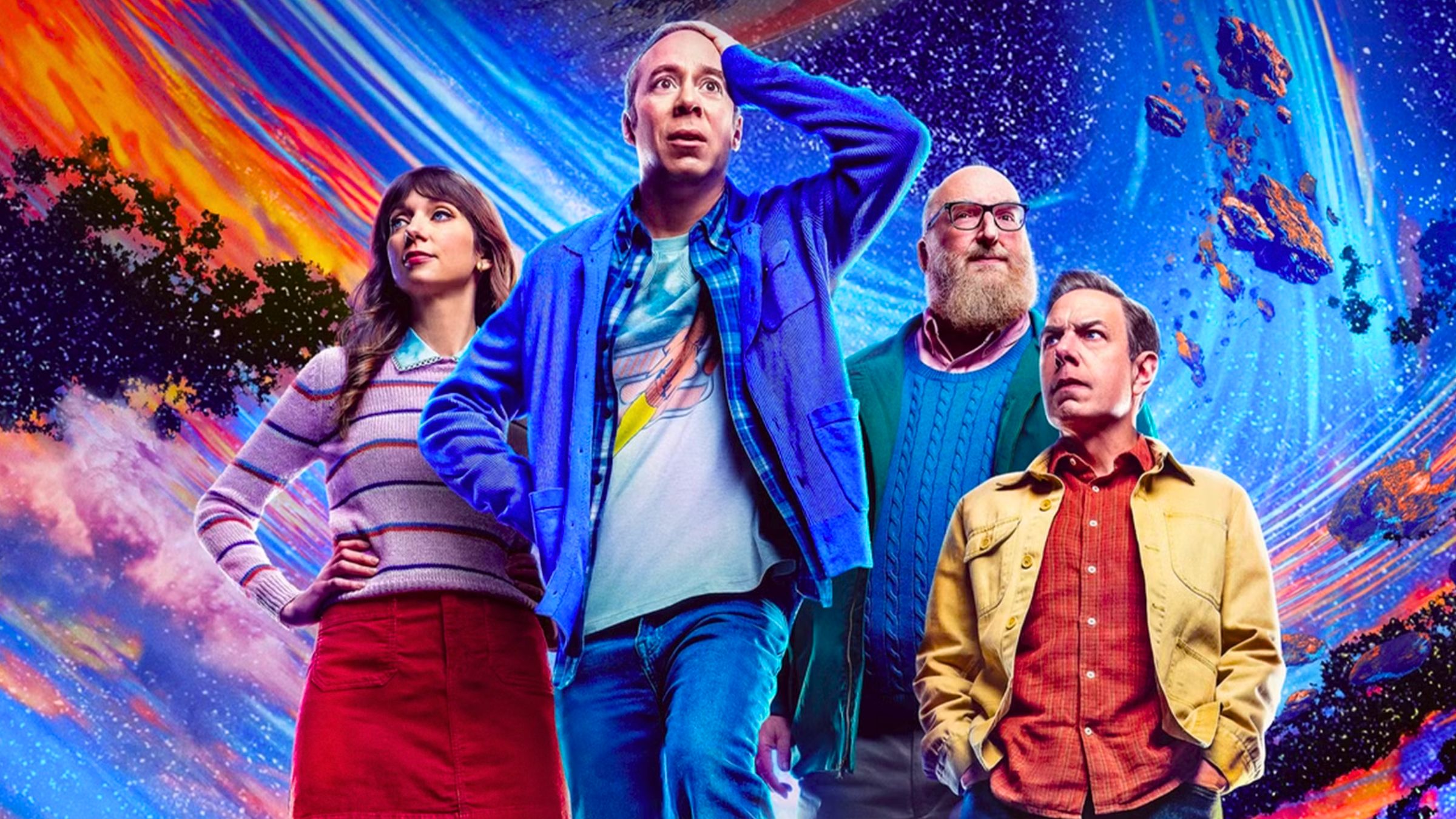
When Stuart Fails to Save the Universe was announced, it was easy to assume it would be just another extension of The Big Bang Theory. After all, the other spin-offs, Young Sheldon and even Georgie & Mandy’s First Marriage, took relatively safe approaches, whether by going back to the past or sticking with the sitcom format. But just two episodes in, it’s already clear that this new series wants to do something completely different: instead of relying only on nostalgia, it takes a universe that was always used to talking about sci-fi and finally goes all in on the genre (and really goes all in). And the most interesting part is the way the story is executed, whether through the choice of characters, the ambitious tone, or the references.
While TBBT spent years talking about sci-fi concepts, Stuart Fails to Save the Universe finally turns those concepts into reality. But let’s break down what really makes the spin-off the coolest expansion of the original show.
4) More Mature Tone Than The Big Bang Theory
TBBT is a 2000s sitcom, which naturally brings to mind that traditional, lighthearted structure built around making people laugh. So when Stuart Fails to Save the Universe was announced, no one really expected something this different (let alone something with a more dramatic approach like Young Sheldon). However, the new spin-off is surprisingly more mature in its approach, both when it comes to the humor and the story itself. And it’s not because the show is trying to be some kind of dark comedy filled with edgy jokes, but because the premise simply demands it.
When the story revolves around a disaster threatening the multiverse, it’s pretty difficult to keep everything at the same level as conflicts about relationships, roommates, or workplace disagreements. The idea here is to explore something new, especially because the sitcom format itself has had to evolve over time. According to the creators, the goal was always to move away from the formula, with the fun coming from seeing characters who still talk and behave exactly like they did in TBBT, but now placed inside a completely absurd sci-fi adventure (with violent scenes as well). It’s about bringing more ambition to this universe, and it works because it shows genuine evolution.
3) Familiar Side Characters in a Fresh Story
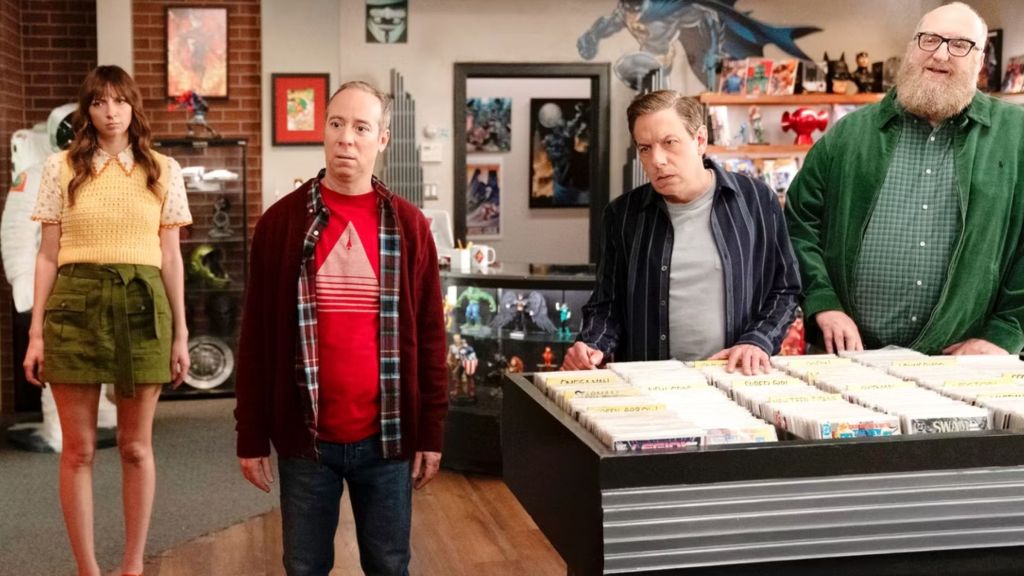
Another important choice was not trying to sell the series as another Sheldon story or a new opportunity to explore a different main character from the original show. Stuart Fails to Save the Universe has one of its best ideas by focusing on the characters who always orbited the main story — the ones who worked incredibly well in small doses but never really had the chance to grow. Stuart, Denise, Bert, and Kripke were extremely secondary characters (even though Stuart eventually became a main character toward the end of the show), but they were always interesting because of their unique traits and personalities that made them stand out from one another.
Now, for the first time, they are the ones carrying an entire show on their own. And the best part is that they feel completely unfit for a sci-fi story involving multiple realities, creating this contrast between a serious adventure and comedy that comes from watching these characters try to handle something they are clearly not prepared for. According to one of the creators, Zak Penn, “These are the wrong people to be in this show. That’s the point.” Plus, the fact that the creators never even considered introducing new figures for the spin-off helps with the emotional connection, because all of TBBT‘s side characters were already beloved by the audience (even Kripke).
2) It’s More Sci-Fi Than The Big Bang Theory

For years, TBBT was synonymous with geek culture and science, but in practice, those elements existed much more in the characters’ conversations than in the actual narrative. They spent plenty of episodes discussing time travel, alternate universes, futuristic technology, and different theories — and that was mostly it. Stuart Fails to Save the Universe completely changes that approach: instead of just talking about sci-fi, the series actually does sci-fi. And that is clear from the very beginning, when, without wasting time in the opening of episode 1, Stuart connects with his variant, who immediately starts talking about Sheldon and Leonard’s quantum interference device.
From there, the references to Back to the Future, Airplane!, Doctor Who, Star Trek, and others become part of the actual story, rather than just existing through quotes or dialogue. The multiverse becomes the main conflict, as they have to fix everything, involving experimental technology, creatures, alternate versions of characters from the original show, and a mission with much bigger stakes. As the creators themselves explained, they wanted to make a series that the main characters from TBBT would watch. So with this spin-off, they stop just paying tribute to the genre and finally fully embrace it.
1) The Multiverse Creates Endless Possibilities

After the Marvel Cinematic Universe invested in the multiverse, the concept has definitely become a little oversaturated. However, none of the studio’s movies could be as creative with the idea as Stuart Fails to Save the Universe. By removing practically every limitation, the series opens itself up to exploring any kind of reality, from the simplest variations to the most absurd ones. Want to show a completely different version of a classic character? It’s possible. Bring back someone who would never make sense in the main timeline? Also possible. Explore scenarios that the original show would have never dared to introduce? Absolutely.
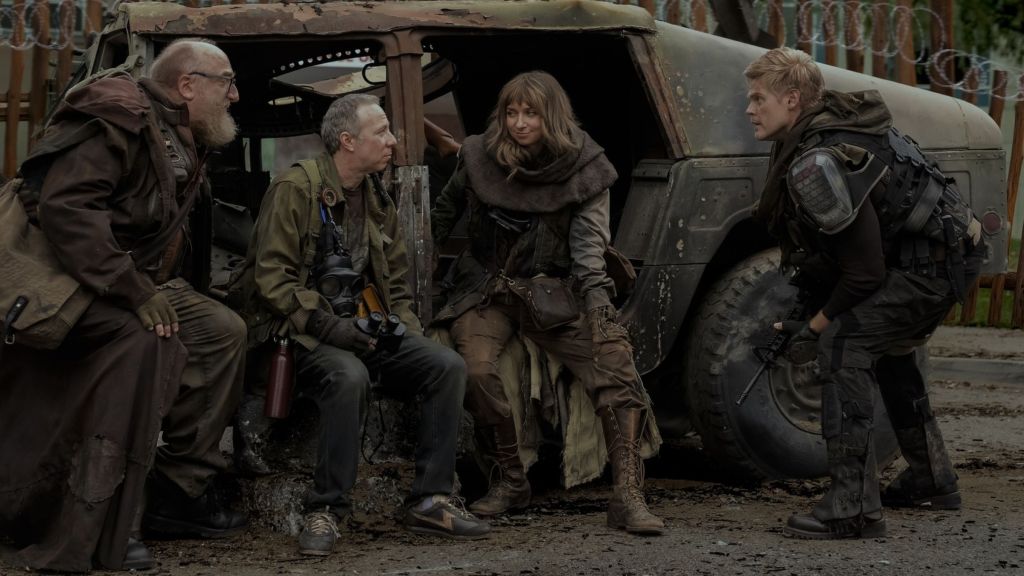
And that freedom is exactly what makes the series so exciting to watch. In episode 1, we saw a post-apocalyptic world with a very Mad Max vibe. In episode 2, the characters end up in a reality controlled by an AI, with a very Terminator-like feel (especially with the introduction of a Penny variant). And by the end, we already know the next world they will explore is one based around magic, with a very Harry Potter-like atmosphere. In other words, there is an endless amount of ideas waiting to surprise the audience. And considering that TBBT spent more than a decade mostly contained within the same apartments, laboratories, and comic book store, watching its spin-off feels like stepping into something fresh and full of potential.


