X-Men ’97 Season 2 Officially Expands the MCU Multiverse With 4 New Canon Twists
X-Men ’97 Season 2 may not be set on Earth-616, but it’s still important to the Multiverse Saga. Two seasons in, Marvel’s X-Men relaunch is pulling no punches. Season 2 uses time travel to explore ancient history and the distant future, revealing the origin and destiny of Apocalypse. Along the way, we’ve had side-stories exploring the Weapon X Project, a trip to the Savage Land, and so much more. The story has been more than a little disjointed, but Season 2 wrapped up in a satisfactory manner – as Rogue and the X-Men fought to save own of their own, Gambit, from Apocalypse’s possession.
Time travel has been at the heart of the Multiverse Saga. The MCU hasn’t always been particularly consistent when it comes to its temporal mechanics, of course; still, for all that’s the case, X-Men ’97 Season 2 has added quite a bit to the wider shared universe. Here are four major canon twists you need to know about as the Multiverse Saga builds to a head.
4. X-Men ’97 Just Brought Back Eson the Searcher
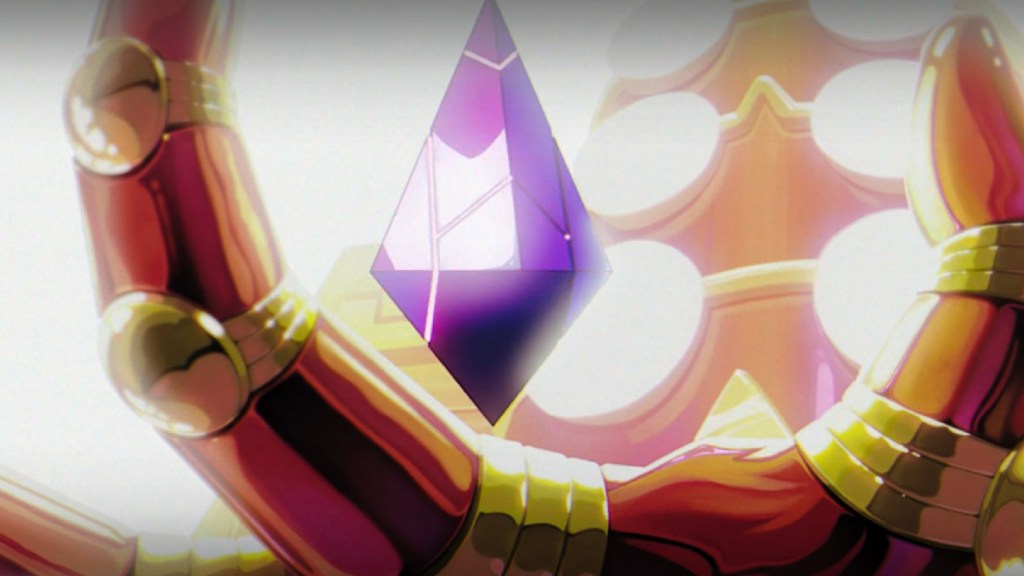
Let’s start with Eson the Searcher, a powerful Celestial who’s been seen before in the MCU. In the comics, Eson is one of a group of Celestials who call themselves “Gardeners,” and he believes evolution requires pain and suffering. X-Men ’97 Season 2’s version is pretty much the same, and it’s the reason he creates Apocalypse. “All creation must crash against the eternal shore,” he said as he transformed En Sabah Nur into Apocalypse. “In order to thrive and grow.” Crucially, he’s seen wielding what seems to be one of this universe’s Infinity Stones, the Power Stone.
We’ve seen Eson before, in Guardians of the Galaxy. There, the Collector showed Peter Quill ancient footage of Eson as he traveled the galaxy, judging entire civilizations – with the Power Stone, no less. It’s worth noting that, in the comics, Celestials are pan-dimensional beings; each is an aspect of the same entity. The same could easily be true in the MCU as well, explaining why the two versions of Eson correspond so clearly. It’s thrilling to see Celestials officially return to the wider Marvel multiverse.
3. Is Eson in the White Hot Room?
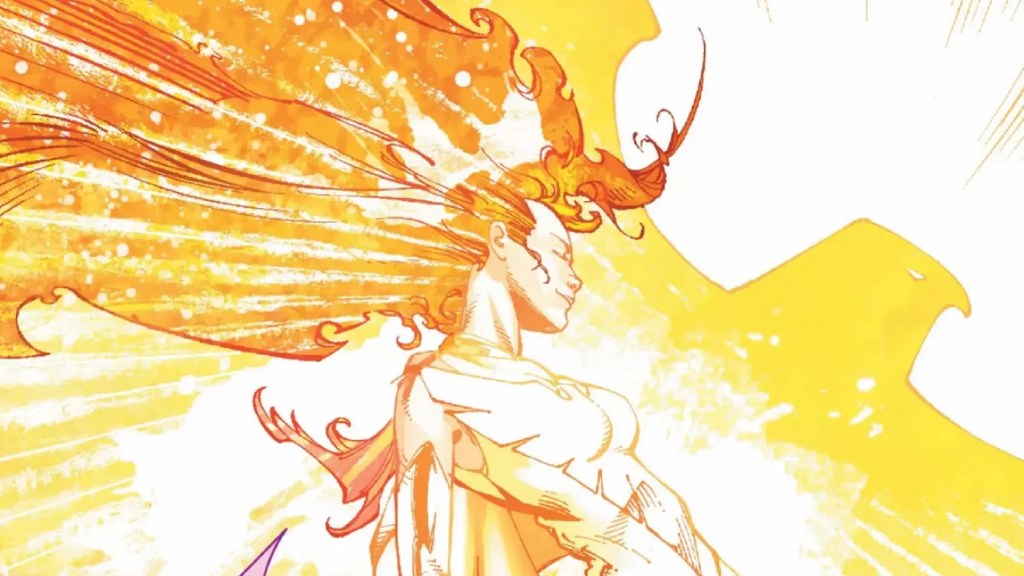
Apocalypse, Rogue, and Nightcrawler encounter Eson in a mysterious white void. Most viewers probably assume this is just intended to be a sort of cosmic place beyond reality, and there’s truth in that; because it corresponds to an important concept from the comics, the White Hot Room. One of the most mysterious realms of all, it’s been described as the “mysterium tremendum,” the “elemental cosmic heart,” the “white-hot room of secret fire,” and the “excelso prae omnibus aliis” (loosely translated, “exalted above all others”). It’s the crucible of creation itself, the heart of the Phoenix Force from which all life in the entire multiverse flows.
So, yes, this is a big deal.
If Eson exists in this realm, it’s likely the other Celestials do too. This perhaps explains a mystery that’s been troubling viewers since Guardians of the Galaxy, when we learned the Celestials had vanished from existence millennia ago. It would make sense for the Celestials to have established themselves in the White Hot Room, only stepping into a universe at key moments when one of their race is being born. But what is happening to the White Hot Room as the MCU’s multiverse collapses, in Avengers: Secret Wars and beyond? That, perhaps, is a mystery to be answered elsewhere.
2. Marvel Brought Back Kang the Conqueror

Marvel originally planned Kang the Conqueror to serve as the Multiverse Saga’s main villain, but plans changed; partly because of audience reactions to Ant-Man & the Wasp: Quantumania, and partly because of Jonathan Majors’ scandals. Marvel instead pivoted away from Kang to Doctor Doom, casting Robert Downey Jr. to return as one of the multiverse’s biggest villains. But, surprisingly, X-Men ’97 Season 2 played its Apocalypse origin straight by giving us a new version of Kang the Conqueror.
In the X-Men ’97 timeline, Kang the Conqueror traveled back in time to rule ancient Egypt under the alias of Rama-Tut. But this variant of Kang confirmed he had been known by other names, too, even name-dropping Victor – a reference to Loki Season 2’s “Victor Timely.” This Kang was apparently seeking the Celestial technology that created Apocalypse, and fled when he realized he’d failed in that objective; he didn’t dare risk the wrath of Apocalypse. His ultimate fate is unknown, but he presumably joined the multiversal Council of Kangs.
1. Mutant Powers Can Transport People Through Time

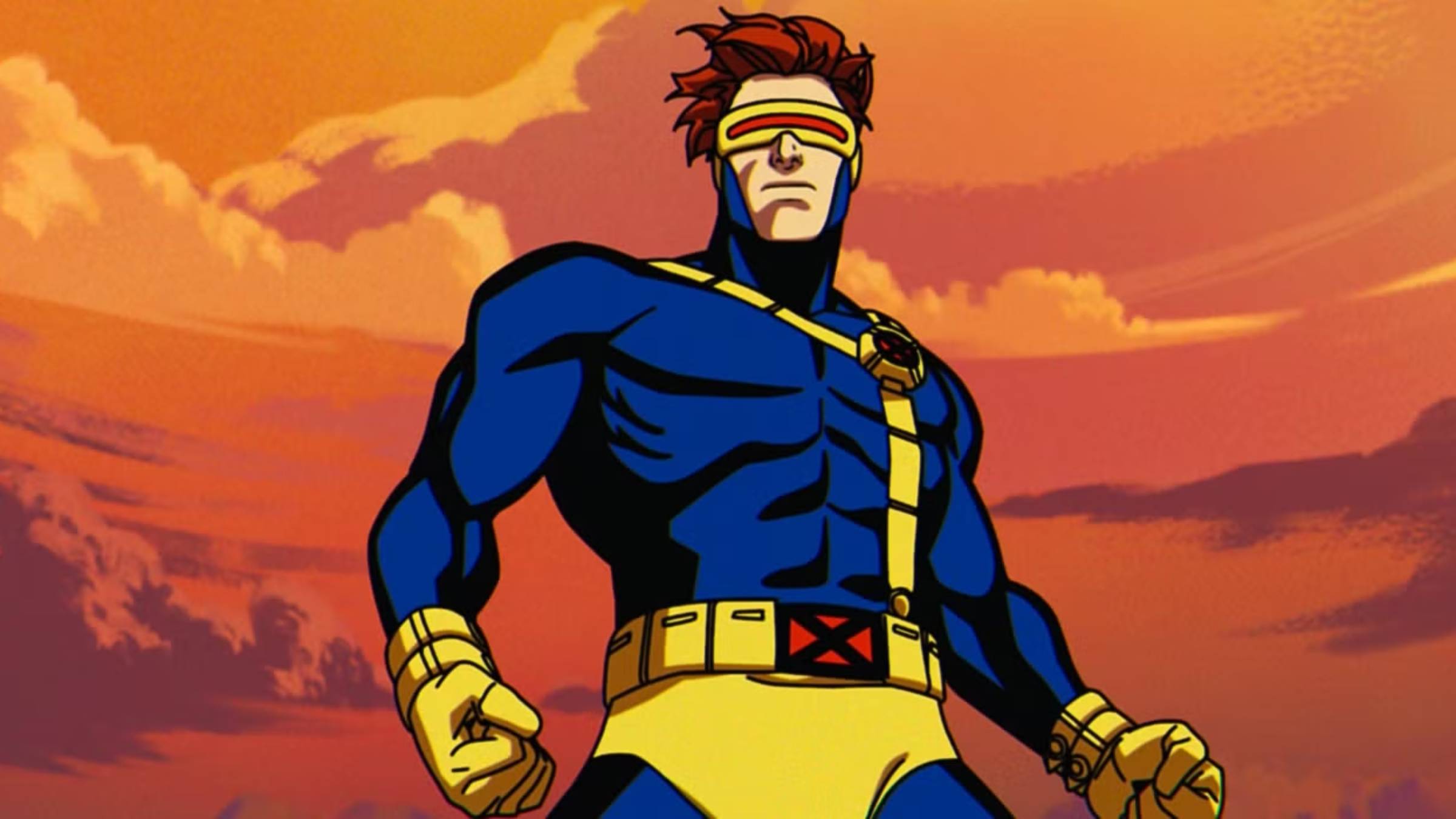
X-Men ’97 also introduced us to Rachel Summers, aka Mother Askani, a time-lost daughter of Cyclops and Jean Grey from a branched timeline that’s been erased. Hailing from the comics, Mother Askani has the power to manipulate time itself. Not only does she have a sense of what s destined to happen, she is also able to transport people physically through time and space. This is a mutant power we’ve never seen before in the MCU’s multiverse; the closest we came was with Kitty Pryde in X-Men: Days of Future Past, but she was only able to transport minds. If mutants can manipulate time itself, then they’re truly powerful.
I doubt Rachel will play a major role in the MCU’s Multiverse Saga. Her story is a little too complex for the films themselves, while – as Mother Askani – we see her die in some of the official X-Men ’97 Season 2 tie-ins. Still, she establishes a clear precedent for mutants to manipulate time at will, and Rachel is far from the only X-Man in the comics with that kind of power. Mother Askani therefore helps set up a throughline between the Multiverse Saga and the coming Mutant Saga, and that could be very useful indeed.