Teenage Mutant Ninja Turtles Writer Gene Luen Yang Reveals How “Opposite” Versions of the Iconic Heroes Resonated With Him [EXCLUSIVE]
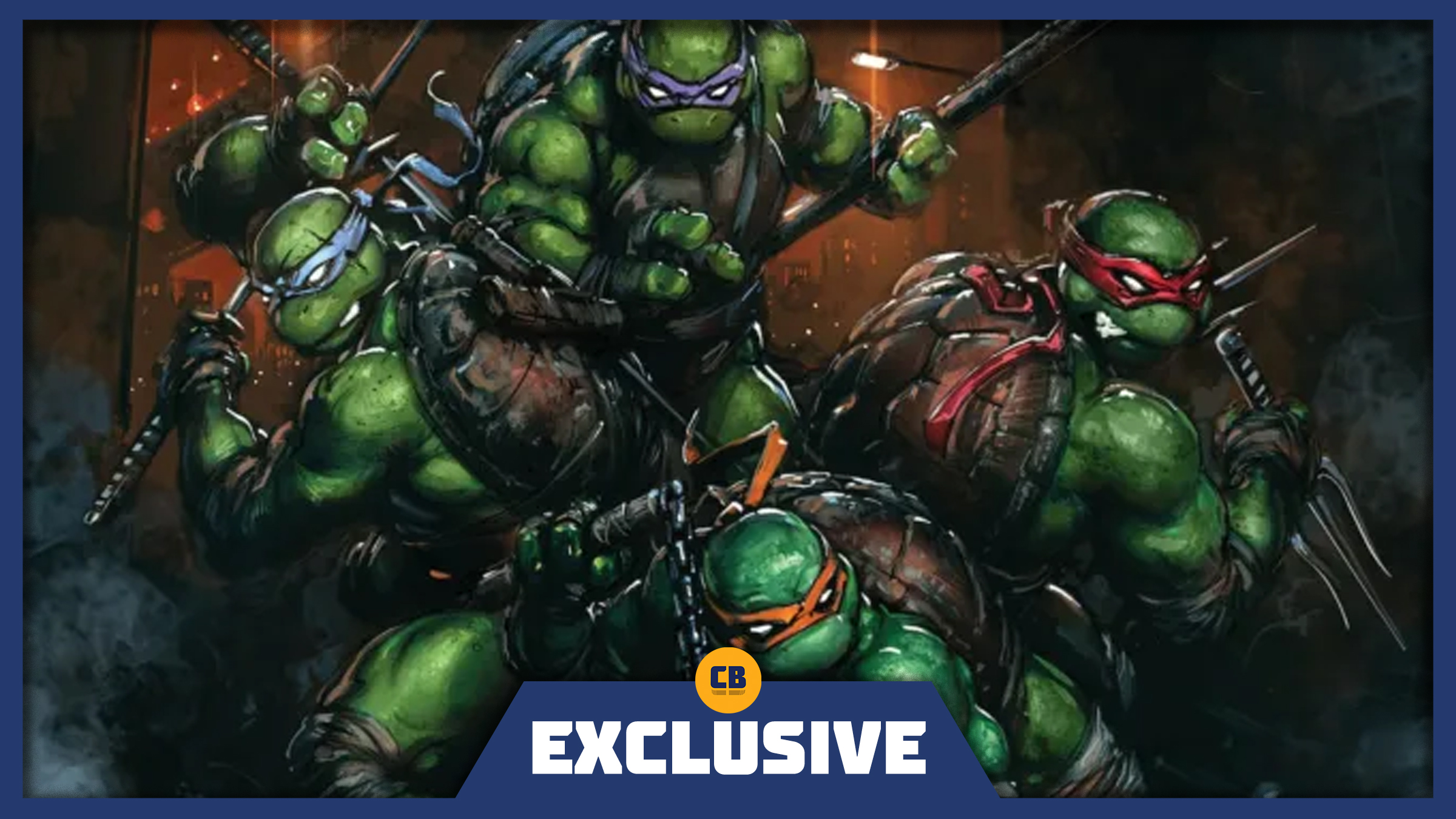
Teenage Mutant Ninja Turtles recently celebrated its epic 300th issue with several compelling teases of future storylines to come, and at the helm of those adventures is the ever-talented Gene Luen Yang. At San Diego Comic-Con, ComicBook had the chance to sit down with Luen Yang and talk all about the series’ landmark issue, but we also had the chance to discuss how the opposite versions of the Teenage Mutant Ninja Turtles resonated with him and had a hand in creating his love of the franchise.
Part of what makes the Turtles so timeless is that the Turtles themselves are so versatile in terms of the stories you can tell with them, and for a perfect example, one need look no further than the original comics series and the first animated series. “I’m a child of the 80s, so there were two and they kind of were almost opposites of each other. So one was the old Mirage comics. The very first time I encountered the turtles was actually a black-and-white comic that a kid in my sixth-grade class brought. I think it was like a third printing of Turtles Number Two or something. And I remember watching the boys in my class flip through that book and seeing the grittiness of the story kind of, paired with these strange-looking characters,” Yang said.
“Then maybe a year or two later, the show came up on the air, you know, the old 80s cartoon show, and that was like happy and bouncy and colorful, kind of the opposite of those old black and whites. Right? But I kind of think that’s what the turtles are,” Yang said. “They’re among the few characters that kind of work in almost any context. They can work in a funny context. They can work in a horror context. It’s very iconic like that. Batman can do that too.”
The Turtles’ Versatility Is A Big Part Of Why They Continue To Be So Popular
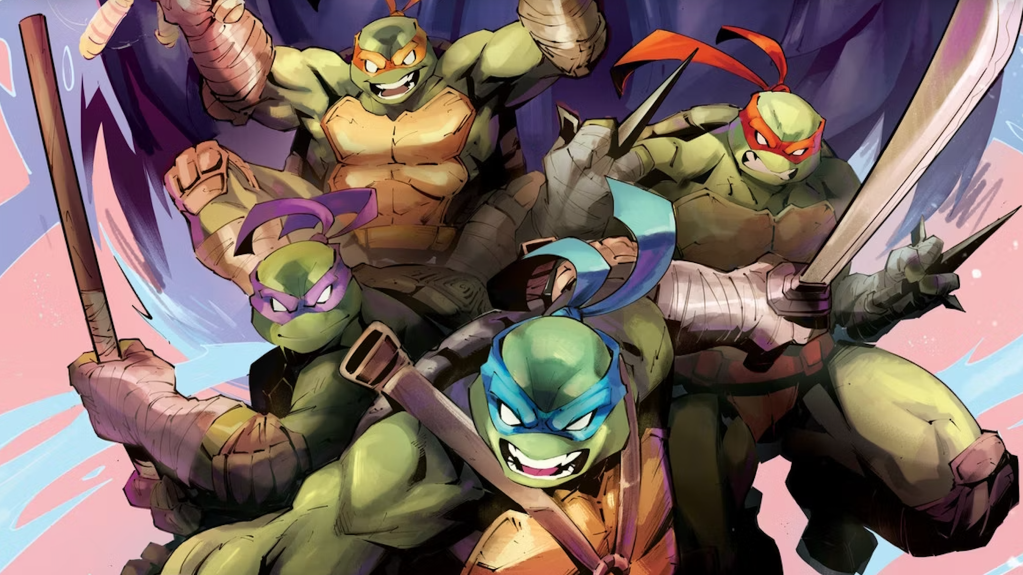
Over the years, we’ve seen many interpretations of the Teenage Mutant Ninja Turtles, and those interpretations have been in the comics and video games as well as on the big and small screens. The original Turtles comics were incredibly dark and violent, and that couldn’t be more different from the original cartoon series, which was the definition of ’90s fun and humor.
The property has continued to bounce between those two extremes ever since. The original Teenage Mutant Ninja Turtles live-action film embraced a grittier tone but still had lighthearted moments to break things up, and the film’s sequel went even lighter in tone but still kept some hard-hitting action sequences. The 2017 Reboot was somewhere in the middle as far as tone and approach, and then Mutant Mayhem really leaned into a more lighthearted tone but had a unique style all its own.
On the TV front, the live-action Next Mutation went too far towards campy fun and didn’t resonate with fans, which led to the 2003 animated series that shifted towards more adult storytelling and a PG-13 tone. After a successful run, the franchise would return in 2012 with a lighter tone more humorous approach, and yet there were still plenty of compelling stories in the mix. Then in 2018, there was Rise of the Teenage Mutant Ninja Turtles, which was somewhere in the middle as far as tone but also went for a number of other big creative swings.
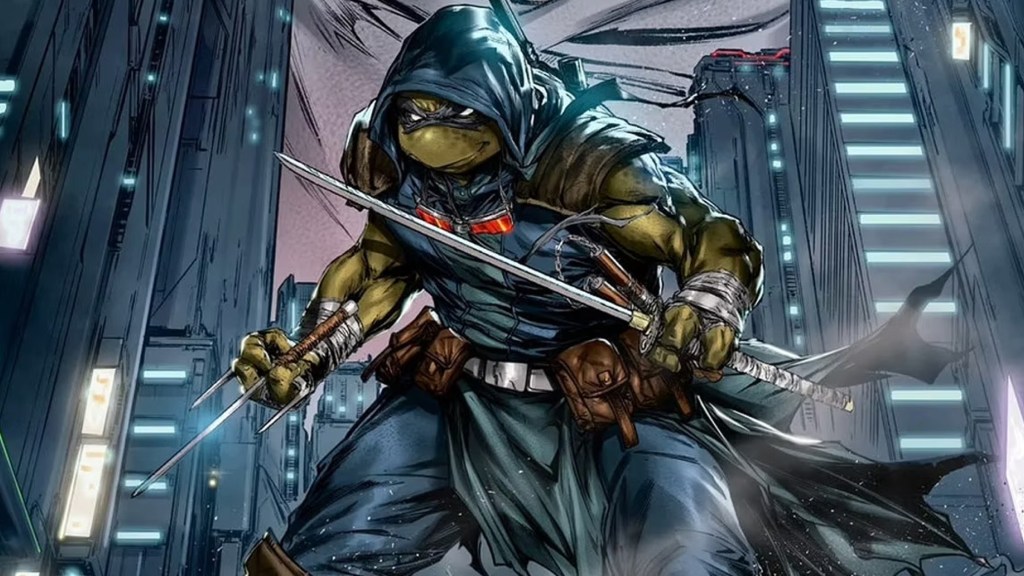
As for the comics, the IDW Turtles franchise created an immersive Turtles world that leaned into more adult stories while still maintaining elements of the previous entries. Then there was The Last Ronin, which was a much darker story of the last remaining Turtle after his brothers had all fallen, bringing back the more adult edge of the original comics.
The latest IDW run once again embraced heavier themes and a welcome edge, but this is Turtles after all, so it knows when to have some lighthearted fun as well. Those are only some of the many TMNT versions we’ve seen over the years, and it speaks exactly to what Luen Yang highlights about the franchise.