An Iconic Vampire Killing Hero Debuted In Theaters 32 Years Ago Today, Only to Be Rebooted in a Far-Superior Series Less Than 5 Years Later
For as long as vampires have haunted the imagination, there have also been stories of vampire hunters. Be it the classic Van Helsing of Bram Stoker’s Dracula, or Marvel’s Daywalker, Blade, these characters serve as some of the purest examples of good against evil. 32 years ago, a very different type of vampire slayer would make her debut, but it was far removed from the version most have grown familiar with.
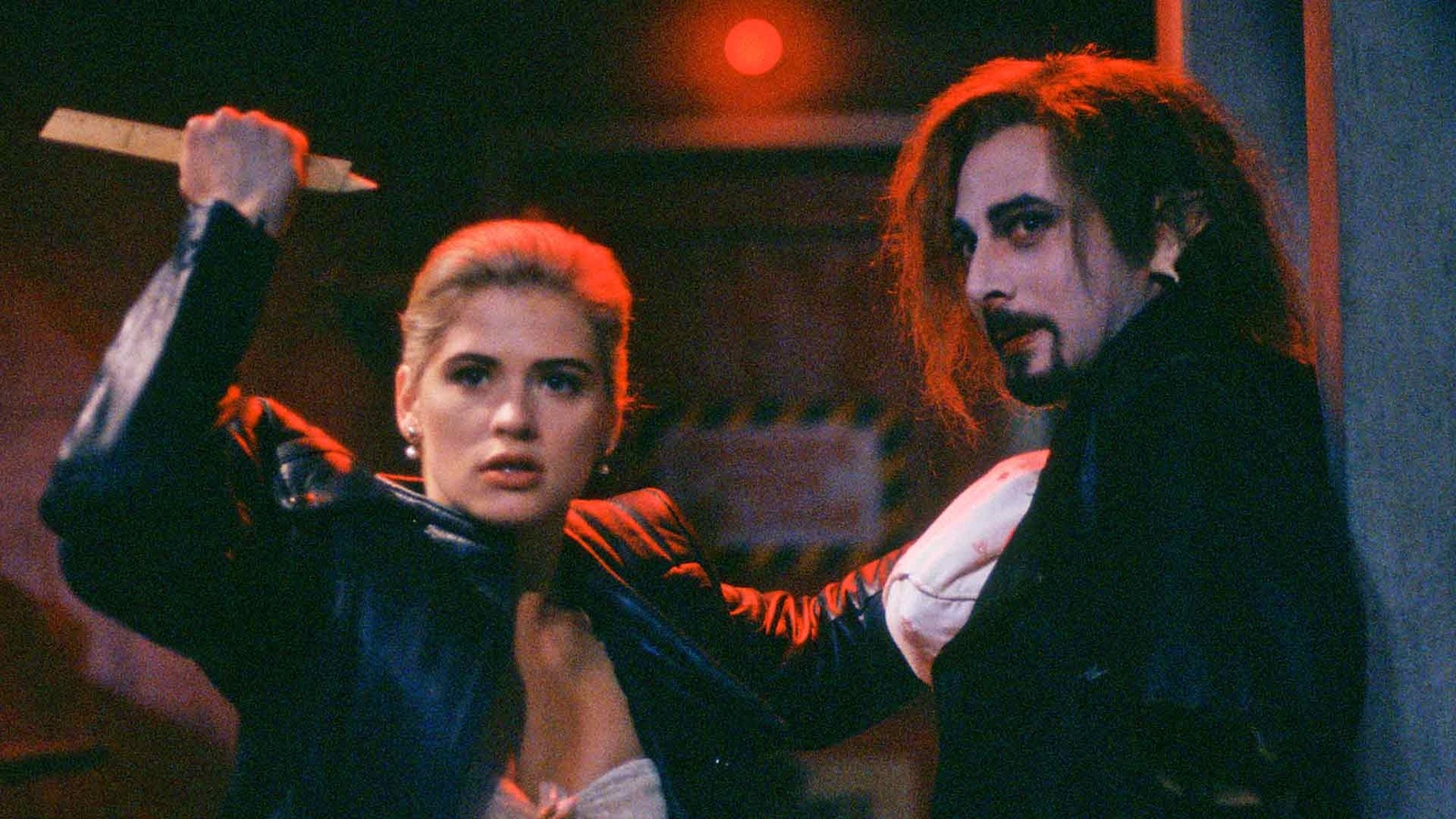
Released in theaters on July 31st, 1992, Fran Rubel Kuzui’s Buffy the Vampire Slayer introduced audiences to Buffy Summers, a cheerleader who discovers she’s destined to kill vampires. The film received mixed reviews from critics, prompting its screenwriter, Joss Whedon, to bring his script to television. Less than five years later, Buffy the Vampire Slayer would air on The WB, becoming one of the most successful television shows in history. Today, the original Buffy the Vampire Slayer film can be watched as a rough draft for the superior series that followed.
Buffy’s Cinematic Debut Came With Mixed Reception
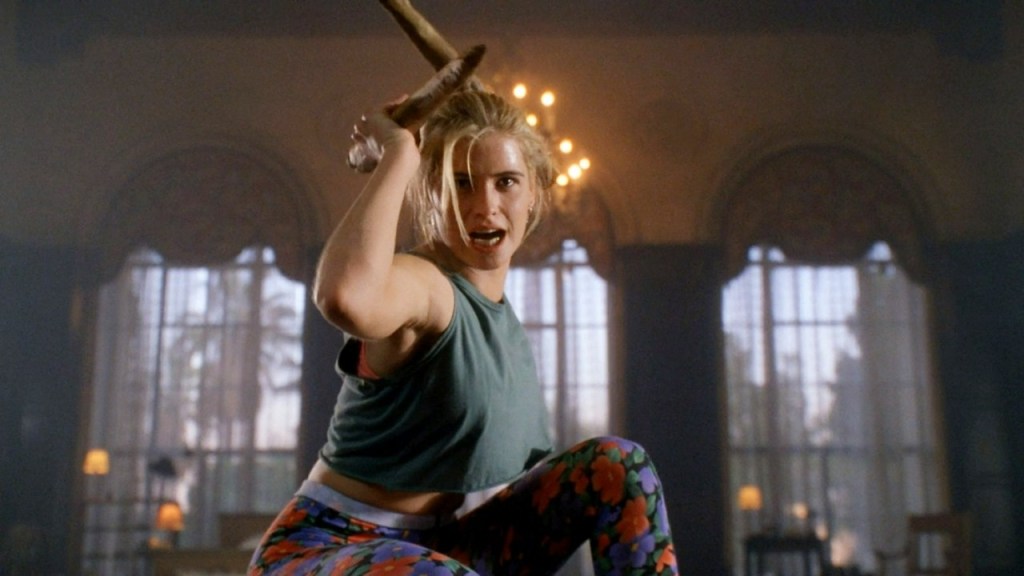
Although Sarah Michelle Gellar has become known for her role as Buffy Summers, it’s easy to forget she wasn’t the original. Actress Kristy Swanson first starred as the character in 1992’s Buffy the Vampire Slayer. Swanson’s Buffy begins the film as a shallow Valley girl type. She’s interested only in going to the mall with her friends and spending time with her boyfriend. When Buffy is told of her fate as “The Slayer” — a fact revealed to her by her “Watcher,” Merrick (played by Donald Sutherland) — she remains vain and dismissive, only becoming truly heroic toward the end of the movie. It’s a far cry from Gellar’s more complex and compassionate take on Buffy Summers.
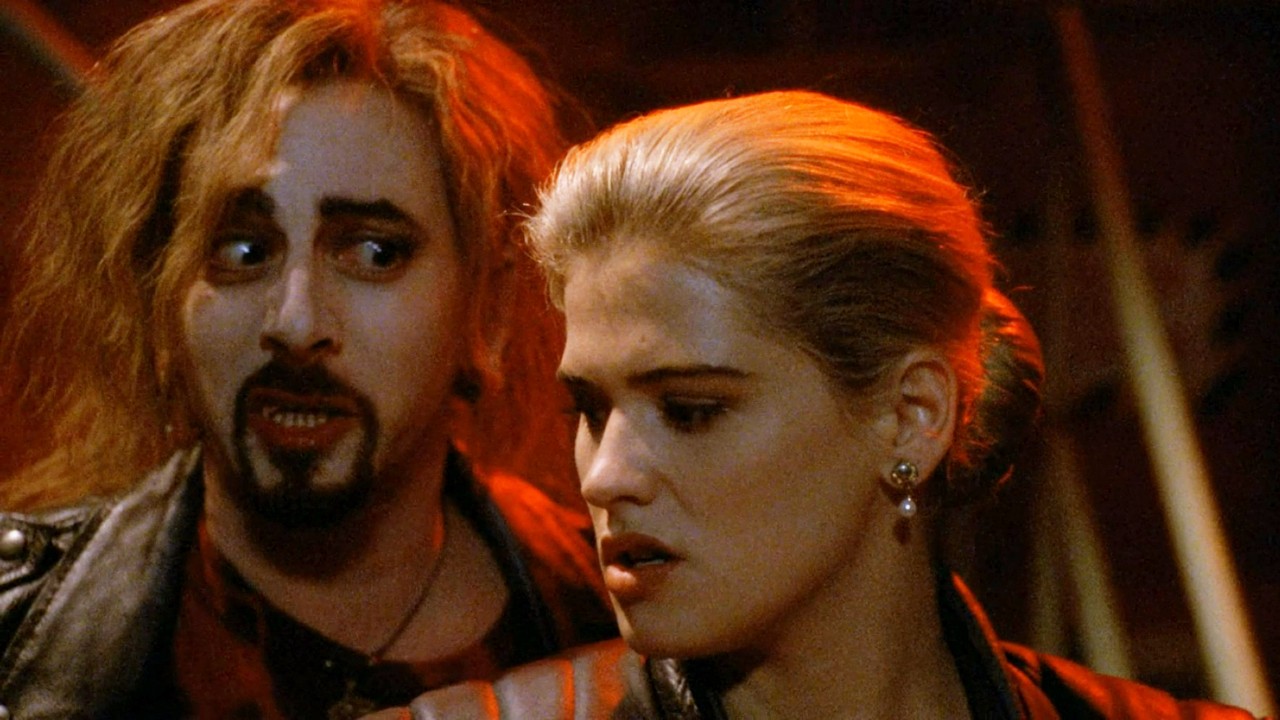
A large part of this stemmed from a clash of visions. After Joss Whedon sold the movie script to 20th Century Fox, much of his original story was altered. Jokes were cut while Whedon’s darker tone was watered down in favor of B-movie comedy. It shows, as the film doesn’t take itself very seriously, especially when it comes to its vampires, one of whom is played by “Pee-Wee Herman” comedian Paul Reubens.
The final nail in the coffin for Whedon would come through his conflicts with Donald Sutherland. Sutherland, given free rein on set, would regularly alter his character’s dialogue. Ultimately, Whedon would abandon the project entirely.
Whether or not the film would have been a greater success had it more closely followed Whedon’s script is anyone’s guess, but it grossed a modest $16 million on a $7 million budget. The clash in tones would be noticed by critics, who felt Buffy the Vampire Slayer struggled to balance teen comedy and horror. Praise was given, however, to Swanson’s Buffy, which showed the character still held promise. Less than 5 years later, Joss Whedon would try again with his creation, bringing Buffy Summers to the small screen.
The Buffy the Vampire Slayer TV Series Made Buffy An Icon
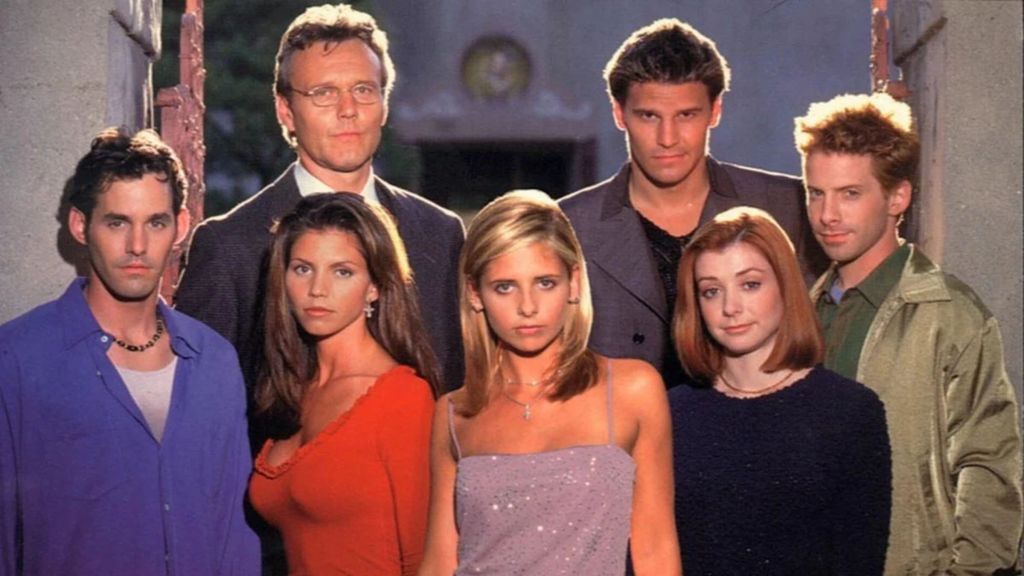
Airing its first episode in March of 1997, Buffy the Vampire Slayer built on many of the ideas present in the original film. Like Kuzui’s film, the TV show sees Buffy struggle to lead a dual life of high schooler and vampire hunter, with Merrick as her original Watcher. But this is where many of the similarities end, as much of what has made Buffy iconic was introduced in the TV show rather than the movie. Take, for instance, the now iconic Scooby Gang.
The series also allowed Whedon his chance at a darker story. Running for seven seasons, Buffy the Vampire Slayer was filled with melodrama and emotional moments. It took what Fox saw as a campy B-movie and turned it into a beloved franchise, creating an iconic hero in Buffy Summers. Watching it today, the original Buffy the Vampire Slayer serves as a reminder that good ideas are worth revisiting. It should be remembered not for what it is, but what it ultimately became.
You can stream both versions of Buffy on various platforms.