4 Sci-Fi Movies That Could Have Been Amazing If They Weren’t So Painfully Slow
Sci-fi is a genre that scares a lot of people, and not just because of its complex ideas and concepts, but because of its pacing. Depending on what the story is trying to do, a movie can sometimes be unbearably slow or lose itself somewhere along the way and throw off the whole flow. And it’s especially frustrating when that happens with a story that’s actually really good and has so much potential right from the start. Some films have already proven that a slower pace can work really well, like Blade Runner 2049 or Arrival, but there are also movies that seem to have no idea how to pull it off. The premise is good and more than capable of keeping you interested, but the execution ends up ruining everything.
That’s why we’ve picked out a few movies from the genre with concepts that could have supported a much more engaging experience, but lose some of their impact because the pacing doesn’t live up to what the story promises. With these features, you walk away feeling more frustrated than satisfied.
4) The Creator
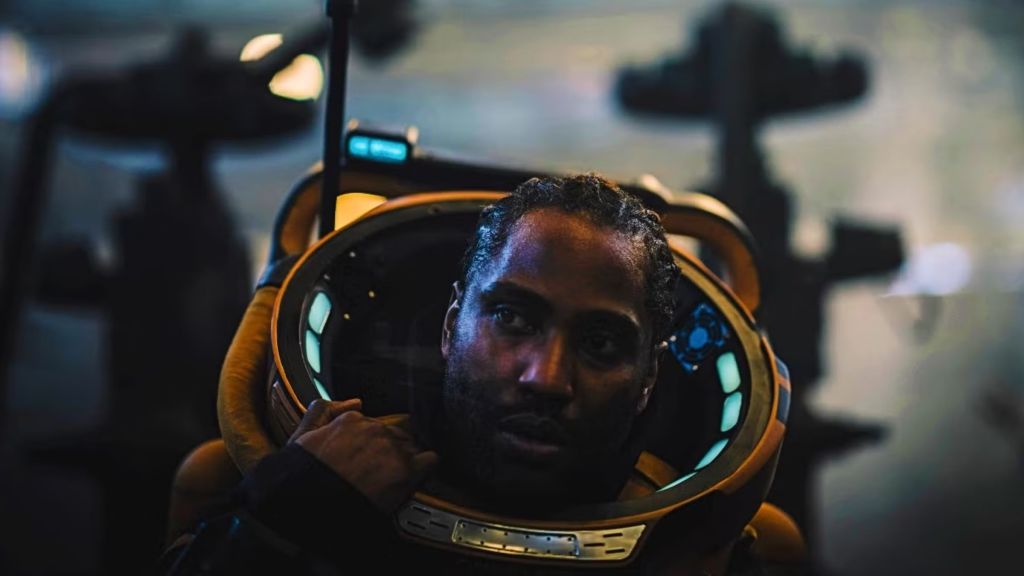
The Creator is a recent movie, and you probably haven’t even heard of it because it was a huge flop (even though things changed a little once it hit streaming). And its premise is genuinely intriguing, telling the story of a future where humans are at war with AI. In the plot, Joshua (John David Washington) is an ex-soldier living in hiding after a tragedy, who is given the mission of finding and destroying the ultimate weapon created by the mysterious Creator — except that the so-called weapon is a child named Alphie (Madeleine Yuna Voyles). So, from there, you have a war between humans and machines, a technology that isn’t just an army, and a main character who believes one thing and is forced to reconsider everything. But unfortunately, the pacing ruins it all here.
These are good ideas, but overall, the movie spends too much time introducing its world and trying to build an emotional connection between Joshua and Alphie in the worst possible way. Sci-fi is a genre that can be slow when it comes to world-building, but you still need to balance things out to keep the audience interested. The two are great characters, but their relationship is developed so quickly at some points and so slowly at others that it never gets the strength it should have. And in the middle of all that, The Creator also keeps jumping between locations, events, and bits of information. It takes torturously long to get to a certain point, and then, just when the story is finally about to get going, it suddenly speeds up way more than it should.
3) Oblivion

The biggest criticism surrounding Oblivion has always been its pacing, which gets in the way of anyone seeing how good the story actually is. In this thriller, we have Jack Harper (Tom Cruise), a technician working on a destroyed Earth after a war with aliens, repairing drones while believing that the surviving humans have already left the planet and that he and his partner are simply waiting to leave. So, when a spacecraft crashes on Earth and Jack finds people who shouldn’t be there, he starts to realize that his memory, his mission, and even his view of that world might all be wrong. There are so many questions coming up throughout the plot, and you want to know the answers, but the movie seems almost afraid to give them.
Oblivion spends an enormous amount of time showing Jack walking through empty facilities, flying his ship, looking at destroyed landscapes, and slowly receiving bits of information, when all you really want is to find out what’s going on. There’s nothing wrong with a slow mystery, but there’s a difference between building suspense and constantly putting off an answer. At some point, the plot stops moving forward, and you start wanting to give up on the story. The movie’s concepts are great, but maybe its biggest problem is that it seems to think every discovery needs to be a huge revelation. If some of the waiting for those answers had been cut down, the story would have flowed much better, and the film could have been memorable for it rather than its visuals (which is what ended up happening).
2) Valerian and the City of a Thousand Planets

A sci-fi film with a lot of imagination (almost too much, honestly), it’s hard to see how Valerian and the City of a Thousand Planets still managed to mess up its pacing. It’s a really fun universe, with aliens, markets, technology, different civilizations, and almost a new creature or visual idea every minute. The story follows space agents Valerian (Dane DeHaan) and Laureline (Cara Delevingne), who work for a sort of intergalactic police force and get caught up in a conspiracy involving the people of Mül, a civilization whose planet was destroyed, while the Alpha space station starts facing an extremely dangerous threat. The problem is that all these ideas don’t come together as well as they should.
At first, the movie doesn’t seem slow, but rather packed and exhausting, and as time goes on, it becomes more and more meandering. It switches between frantic moments and stretches where the story completely loses its momentum, with the pacing eventually dropping into such a slow-burn that everything starts getting lost. So, what happens with Valerian and the City of a Thousand Planets is that you buy into the story, but then it keeps taking the characters to another mission, another planet, and another sequence, until it suddenly feels like the movie is always starting over. Then, whenever the main plot comes back, you need a second to remember why the characters are even doing what they’re doing. The film doesn’t know where to spend its time, and as a result, everything feels long, dragged out, and boring.
1) Ad Astra

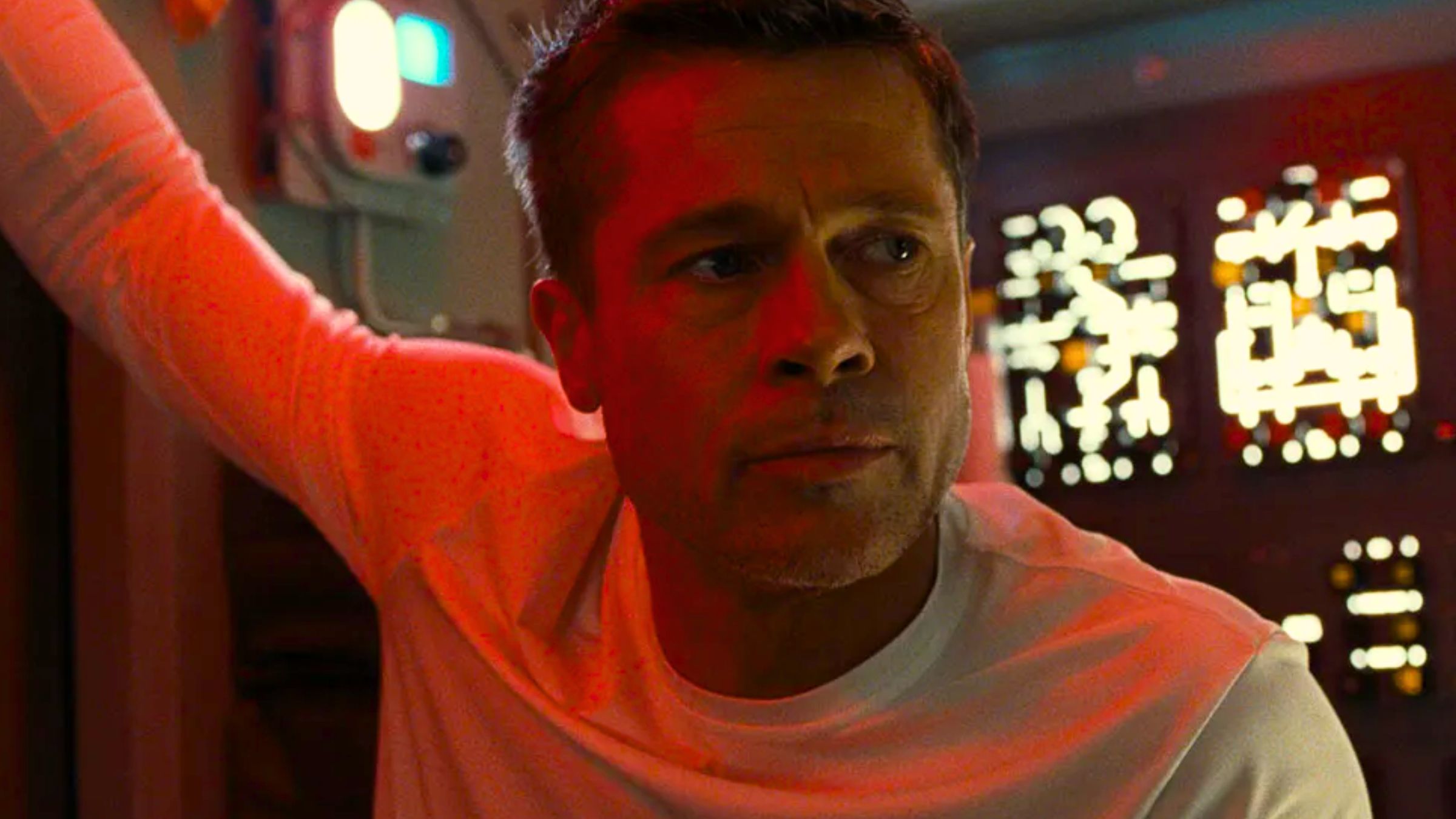
Ad Astra is a much more complicated case because its slowness isn’t accidental; it’s deliberate. And why? Because the whole idea of the movie is to actually be contemplative. The story follows Roy (Brad Pitt), an astronaut known for keeping his cool in any situation, as he heads to the far reaches of the Solar System after a series of mysterious energy pulses begin threatening Earth — the catch is that the source of the problem may be connected to his father, Clifford (Tommy Lee Jones), an astronaut who disappeared decades ago during a mission searching for extraterrestrial life. Looking at it that way, being slow actually seems like a good idea since, deep down, the journey through space is also a story about a son trying to understand the father who pretty much abandoned his life.
However, it feels like the story forgets that it’s still a sci-fi movie about an extremely important mission. Roy eventually finds himself in danger, there are chases on the Moon and some chaotic moments, but most of the story spends so much time inside his head that any sense of urgency disappears. You can understand the character is distant, avoids emotional attachments, and has issues with his father, but after that, the movie keeps coming back to the same ideas as if we’re still waiting to figure out who Roy is. That’s why Ad Astra only gets interesting when something actually happens (like an emergency or a discovery). All it needed was a better balance between introspection and adventure.