5 Legendarily Bad Maps in Call Of Duty History Nobody Liked
For more than two decades, Call of Duty has had some of the most recognizable multiplayer maps in gaming. From classics like Nuketown, Terminal, and Raid to fan favorites such as Crash and Firing Range, great map design has always been one of the series’ biggest strengths. Players have memorized the most optimal routes and sightlines in order to gain an edge over their opponents. But these maps have also kept every match feeling unpredictable, and when everything comes together, fans remember these maps for years.
Unfortunately, not every map has reached that standard. Some became infamous because they slowed the pace to a crawl, rewarded camping over aggression, or suffered from frustrating or oversized layouts that rarely produced enjoyable matches. While opinions always vary, a handful of maps consistently appear whenever fans discuss the worst multiplayer experiences in Call of Duty history. These are five maps that earned a reputation for all the wrong reasons and cemented themselves as the worst maps across all of Call of Duty.
5) Downturn

When Call of Duty: Modern Warfare 3 launched in 2011, it introduced one of the strongest multiplayer map pools in the franchise. Fast-paced favorites like Dome, Hardhat, and Mission quickly became staples. Yet there was one, Downturn, that struggled to find many fans.
Set in a devastated section of New York City, Downturn looked impressive visually. The ruined streets, collapsed buildings, and smoke-filled skyline created a memorable atmosphere. The problem was how the map actually played. A cluttered central area filled with abandoned vehicles and debris broke up sightlines in awkward ways while simultaneously creating countless hiding spots. Rather than encouraging fluid movement, the layout often resulted in players cautiously creeping around corners, waiting for someone else to make the first move.
One of my strongest memories of Downturn was constantly feeling lost in the middle of a match. Instead of naturally learning the map after a few games, every route seemed to blend together. Matches rarely developed a rhythm, and killstreaks felt much harder to earn than on the accompanying maps. For a series built on quick engagements and momentum, Downturn interrupted both and turned the match into a camp fest.
4) Euphrates Bridge
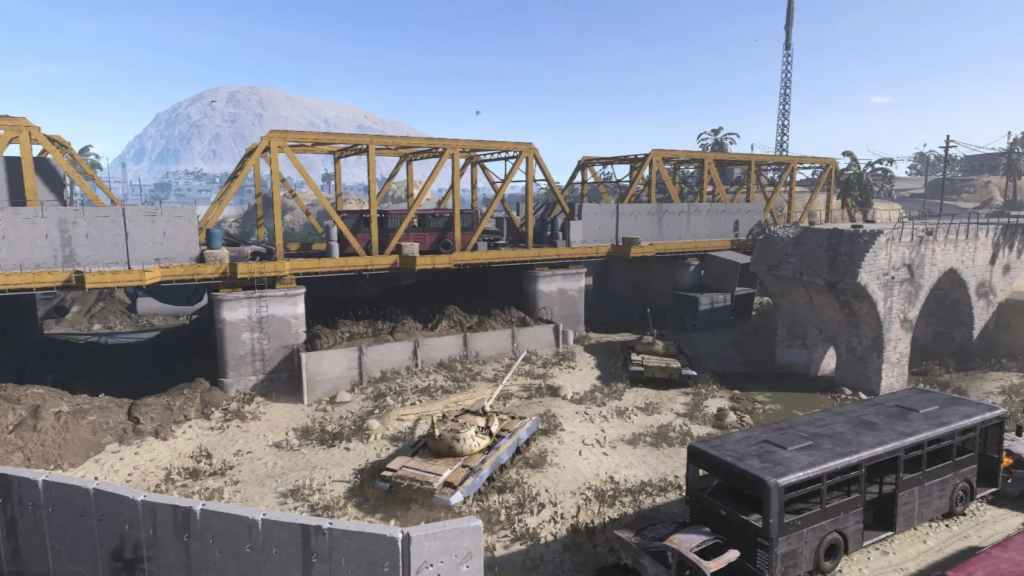
Call of Duty: Modern Warfare (2019) reinvented many aspects of multiplayer, including map design philosophy. Infinity Ward moved away from the traditional three-lane formula, but Euphrates Bridge demonstrated why that older design had remained so successful for years.
The enormous bridge dominating the center of the battlefield determined nearly every match. Players who secured the elevated position gained the best sightlines over most of the map, while anyone attempting to cross open ground often became easy targets. Large areas surrounding the bridge offered little meaningful cover, making movement risky from the opening seconds of each match.
Many games felt decided within the first minute. Once one team established sniper positions on the bridge and locked down spawn exits, recovering became all but impossible. Instead of encouraging flanking or creative pushes, the map frequently trapped players into predictable routes that favored defenders. That imbalance kept Euphrates Bridge near the top of discussions about the franchise’s weakest multiplayer maps.
3) Gustav Cannon

Call of Duty: WWII returned the franchise to its historical roots, but Gustav Cannon remains one of its most hated multiplayer maps. Built around the massive German railway cannon, the map certainly looked unique, yet visual spectacle could not overcome gameplay issues, and the map ultimately suffered from it.
The giant artillery piece served as the map’s focal point, but it also became an ideal sniper perch overlooking much of the battlefield. Wide open spaces surrounding the cannon left players exposed whenever they attempted to move between objectives or approach it. Assault rifles and sniper rifles dominated while close-range weapons struggled outside a few isolated areas.
The first time I played Gustav Cannon, I remember thinking it looked incredible. A few matches later, the novelty disappeared, and I grew to detest the map. Every attempt to cross open ground seemed to end with someone watching from the cannon or another elevated position and picking me off. Instead of exciting firefights, many matches turned into long-range shooting galleries where patience outweighed aggression.
2) Piccadilly
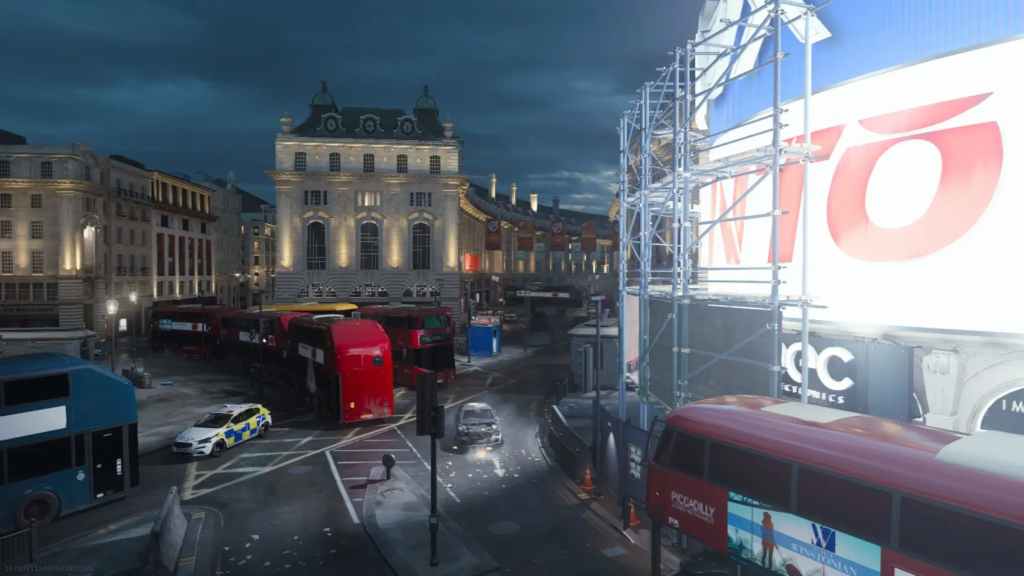
Few multiplayer maps have divided the Call of Duty community quite like Piccadilly. Inspired by London’s famous Piccadilly Circus, the location recreated busy streets packed with buses, cars, storefronts, and intersections. While visually authentic and interesting, that realism often created frustrating gameplay.
One of the biggest complaints centered on spawn trapping. Teams could establish firing lanes overlooking exits, making it difficult for opponents to escape their starting areas. Combined with numerous hiding spots, complicated sightlines, and limited flanking routes, matches frequently stalled as players hesitated to push forward. The map’s circular layout also made it harder to predict enemy movement compared to the classic lane-based designs longtime fans preferred.
Early after launch, it felt like every lobby collectively sighed whenever Piccadilly appeared during map voting; I know my friends, and I did. Some players appreciated its realistic setting, but far more remembered frustrating spawn traps and confusing firefights than exciting victories. Over time, patches improved aspects of Modern Warfare, yet Piccadilly never fully escaped its reputation.
1) Stonehaven
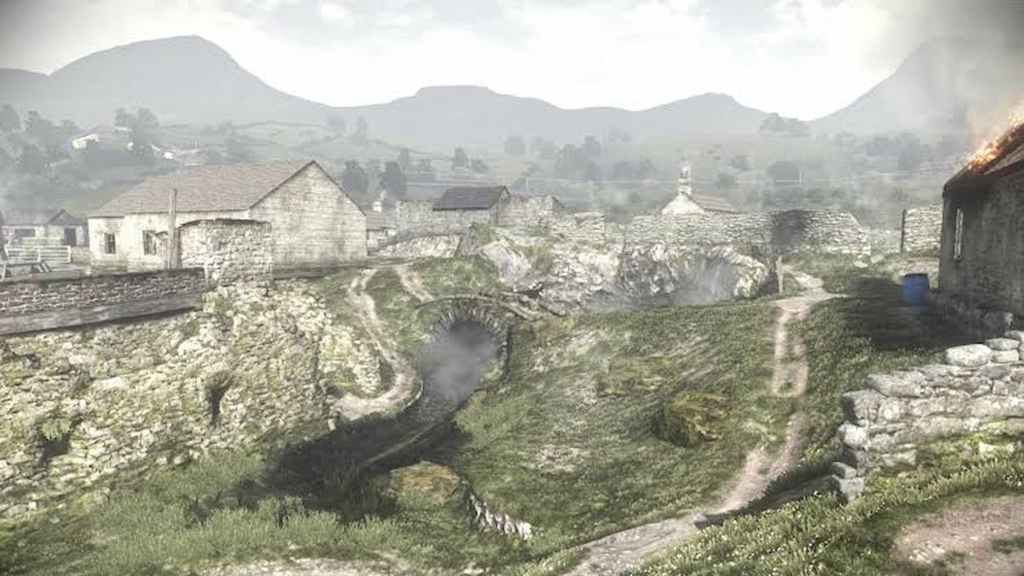
If one map consistently and collectively considered the worst map in Call of Duty history, it is Stonehaven from Call of Duty: Ghosts. Set around a massive ruined Scottish castle, the environment looked beautiful and well-designed. Unfortunately, it was simply too large for standard six-versus-six multiplayer, and it had no appeal besides its visuals.
Stonehaven stretched across sprawling fields, ruined buildings, forests, and the castle itself. Players often spent long stretches searching for enemies instead of engaging them. When fights finally happened, they frequently favored sniper rifles because of the enormous sightlines covering much of the map. Fast-paced SMG gameplay, which had long defined the franchise, became far less effective.
I can still remember sprinting for what felt like an eternity only to get eliminated by someone watching from hundreds of feet away. Respawning usually meant repeating the same long journey all over again. Stonehaven showcased impressive environmental design, but it forgot one of the most important lessons in multiplayer design. Bigger does not always mean better. Its sluggish pacing and sniper-heavy gameplay cemented its legacy as one of the most disliked maps in Call of Duty history.
What do you think? Leave a comment below and join the conversation now in the ComicBook Forum!