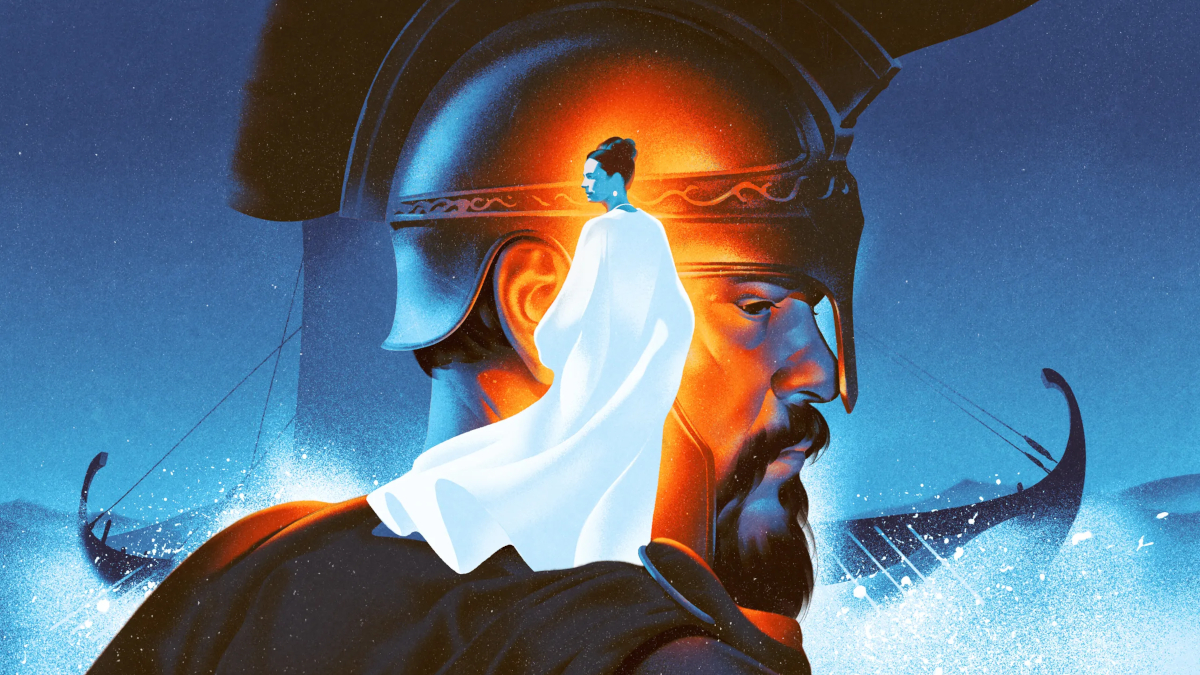
The Odyssey: Zeus’ Law Explained, And Why It’s The Real Heart of Nolan’s Film
The Odyssey is now in theaters, and like every film Christopher Nolan releases, there is plenty to talk about after seeing it. Nolan truly captured the full scope of Homer’s epic poem, including the lineup of mystical creatures and figures that Odysseus and his men encounter along the way. However, The Odyssey is more than just a mystical and supernatural journey from war-torn Troy back to the Greek city of Ithaca: it’s a powerful story with many deeper layers of subtext, and that’s before Nolan put his own thematic stamp on things.
Throughout Nolan’s Odyssey, one common motif is “Zeus’ Law.” It’s a concept that needs more than just a simple definition: it actually is the thematic heart of Nolan’s film, and his larger message to the world.
Zeus’ Law Explained
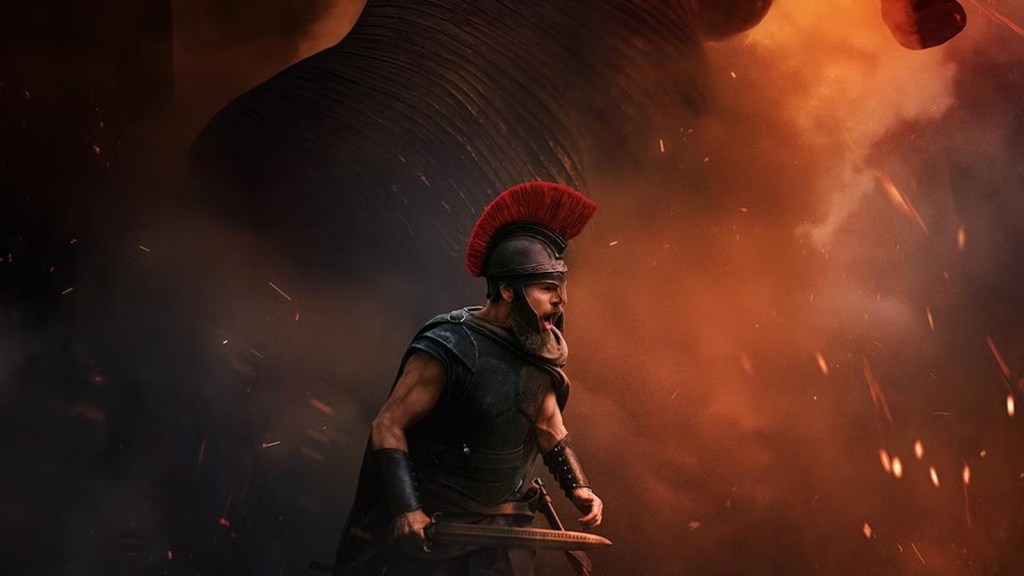
“Zeus’ Law” is a part of Greek Mythology, often a governing force that determines fates at key intervals. The “law” is based on Zeus’ status as the god of hospitality, in addition to the god of thunder and king of the gods. Zeus’ Law is based on the real-life Greek concept of xenia, which held that a host had to treat guests with complete respect and care, since you never know if the lowliest beggar is actually Zeus or another god in disguise. As we might say in modern times, “treat others as you would want to be treated.” There were entire sets of rules for both host and guest, from mandated food and shelter to other mandates dictating courteous limits on a guest’s stay, and their code of conduct toward the host.
In Greek culture and mythology, Zeus’ Law is considered one of the sacred and unbreakable laws of hospitality and conduct; breaking it was considered to be an insult to the gods, punishable by karmic retribution. It made the homes into true havens for visitors, regardless of their circumstances, and was one of the defining staples of why Greece considered itself a sophisticated civilization.
As Chris Nolan explained to NYT, “For that world, it’s very clearly basic survival. You leave the house for more than a couple days, you are by definition throwing yourself at the mercy of strangers. It’s the only way society can function. That’s everything in terms of holding civilization together, or even defining civilization.”
How Zeus’s Law Reveals The Odyssey‘s Main Theme
Like so many Nolan films, The Odyssey unfolds in non-linear fashion, as Odysseus’ wife Penelope (Anne Hathaway) and son Telemachus (Tom Holland) try to keep his throne from falling into the hands of the many suitors looking to take it. Penelope and Telemachus must constantly navigate the social obligations of Zeus’ Law, with certain suitors (like Robert Pattinson’s Antinous) constantly trying to manipulate the custom (provoking and insulting their hosts), so that they can kill Telemachus and take Penelope without consequence, citing a breach of Zeus’ Law. Meanwhile, we see Odysseus’s journey unfold in broken pieces of memory, as he remains trapped for years under the thrall of the nymph Calypso (Charlize Theron). Nolan uses Calypso’s portion of the story to dive into the deeper character arc and theme of The Odyssey: how Odysseus angered the gods, and how their wrath has changed him.
By coming up with the idea to use the Trojan Horse as means to sack the city, Odysseus manipulated Zeus’ Law, and the customs of hospitality; a gift for someone’s house (or city) was never meant to be used for deception; manipulating civilized custom to cause the downfall of a civilization is a crime Odysseus is punished for by the gods (hence the ills of his travels home), until he finally loses his way, his men, and years, and must acknowledge his Karmic crime. It’s then that Calypso releases him, and instructs him how to make amends to the gods, so they allow him to go home.

When Odysseus finally does make it back to Ithaca (disguised as a beggar), he confesses his “crime” to his wife: he has broken Zeus’ Law on a scale that will reverberate throughout the world. Odysseus knows that the fall of Troy is the first domino in the fall of “civilization” as Greeks have known it – and the end of the “age of bronze” that advanced the world through technology and engineering. Odysseus realizes that his Trojan Horse is really the catalyst for downfall that leaves Rome in ruins and sparks the “Dark Ages”, where everything Zeus’ Law was meant to enshrine disappears from the world. Odysseus is “absolved” by Athena (Zendaya), who appears to hear his confession to Penelope, in the form of an innocent priestess his men murdered. The goddess confirms Odysseus’ observations about the shift in era with the mournful look on her face. Nolan takes that ancient myth and reapplies it as a dire warning for here and now: That when basic concepts of civility and community are ignored or betrayed, the fall of the “civilized” world isn’t far behind
In the end, Odysseus kills the suitors in his home, and in doing so, must accept banishment for further violating Zeus’s Law. His final rumination (and The Odyssey‘s main thematic point) is that there are times when the world slides into savagery; when civilized rules and customs and basic decency between people collapses, and the world slides into a dark age (like the literal Dark Ages that came after Rome and the “Broze Age), but that light and reason inevitably rise again (a foreshadow of The Renissance). It’s a message meant to be reinforced by Odysseus ‘ arduous journey, and the faith that brought him home, but that’s for each viewer to decide for themselves.
The Odyssey is now playing in theaters. Discuss the film with us on the ComicBook Forum!