John Rambo Star Reveals Scene From the Original Movie That Most Influenced the Prequel (It’s Not the Action)
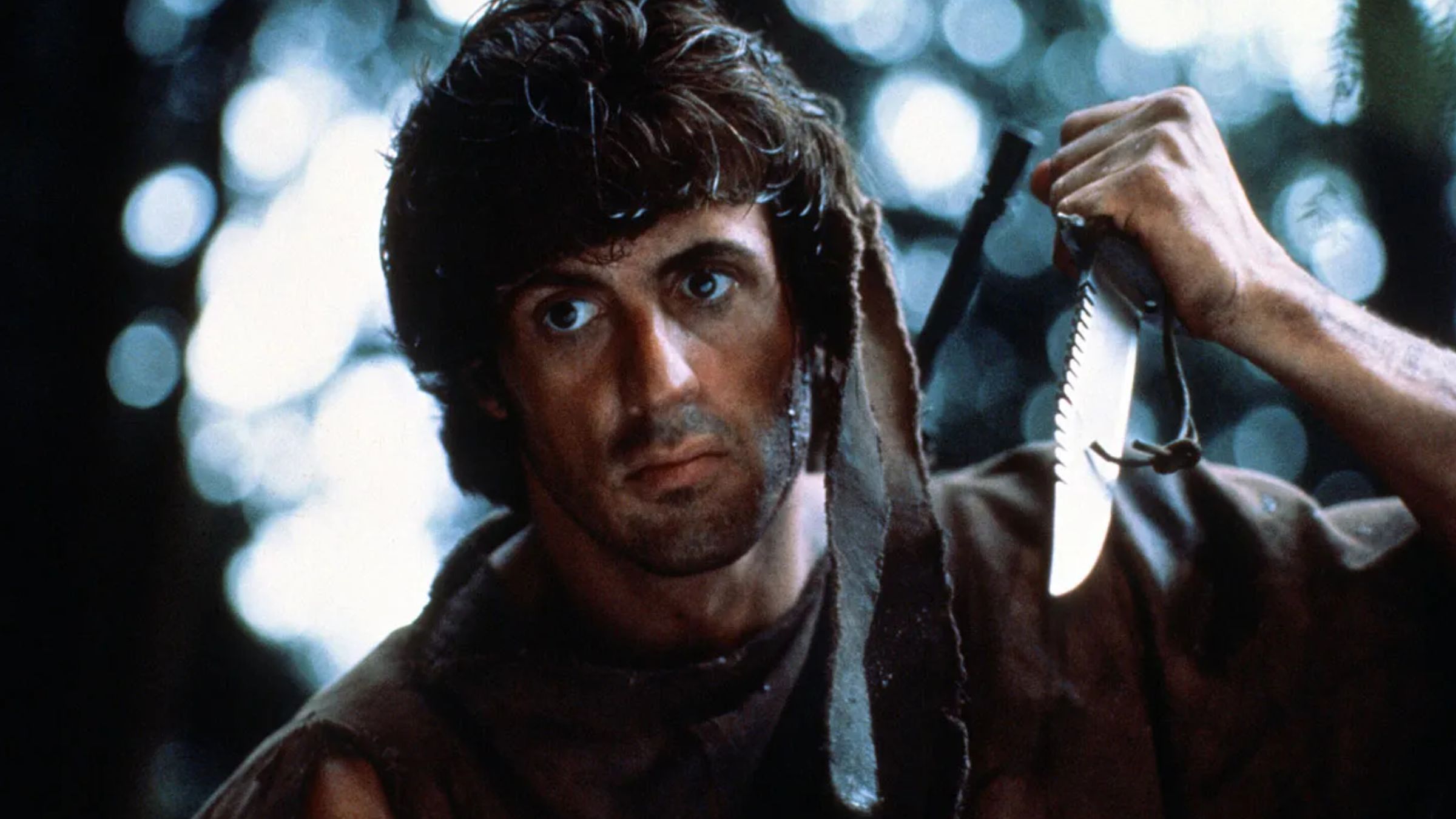
Sylvester Stallone’s Rambo films are some of the most iconic action films of the 1980s. The violent, often bloody films follows the titular Vietnam veteran John Rambo who, after a deadly rampage against the authorities in a small rural town, ends up serving as a weapon for the U.S. government on high-stakes missions. But while the films are classics of the action genre and are some of Stallone’s most beloved work that firmly established him as an action hero on screen, there’s a lot more to the Rambo story. At its core, the Rambo franchise is about PTSD, trauma, and the way war can shape a soldier and it sounds like that is something the upcoming John Rambo prequel film won’t lose sight of.
During an appearance on Josh Horowitz’s Happy Sad Confused podcast, John Rambo star Noah Centineo revealed which scene from First Blood had the most impact on the prequel — and it might be the most emotional scene in the entire franchise.
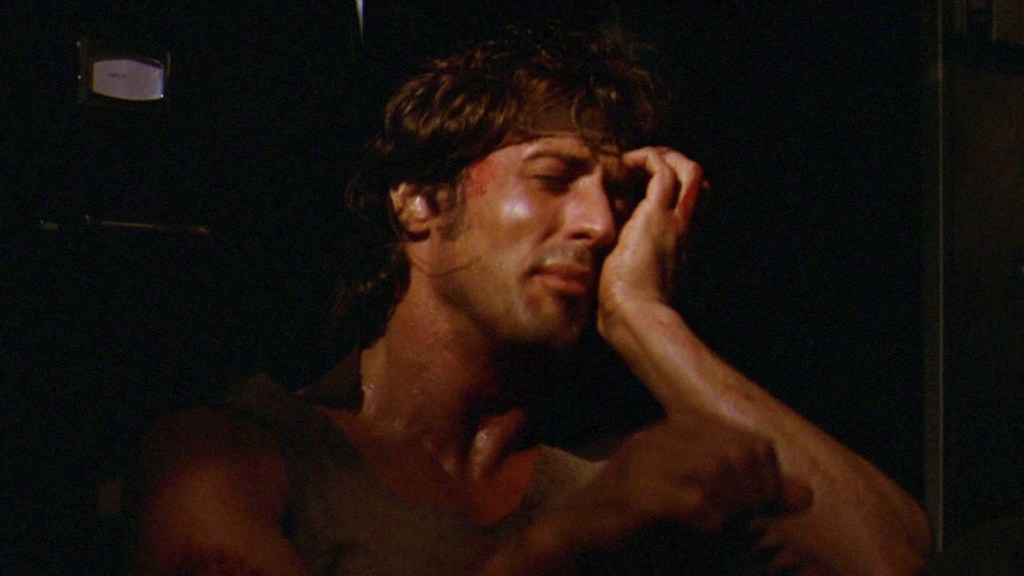
“What was really important to me and us, it’s one of the last scenes in First Blood when Stallone is with Trautman and he just breaks down,” Centineo said. “He’s talking about he can’t hold a job and that he’s a war machine, you know, he can fly helicopters but he can’t fucking park cars. And then the trauma of his friends being all over and being, you know, ‘he doesn’t have any legs’, right? This is the emotional crux of First Blood and I just looked at that monologue as our North Star. For me it was important that over the course of this movie the audience viscerally understands the pain that Rambo had gone through to become the monster that he is, that we all have come to know and love.”
First Blood Has Always Been More Than an Action Movie
While for many audiences, the Rambo franchise is just another action franchise, the reality is that First Blood in particular was always about more than just the rampage Rambo goes on in Hope, Washington. It’s about the mistreatment of people who are perceived as different — in this case, Rambo, who arrives in the small town as a drifter dealing with the discovery that his army friend has dies. Instead of being treated with any form of dignity, he’s told by the sheriff that he’s not welcome and is even later abused by law enforcement. Instead of showing decency to someone who was struggling, the authorities chose cruelty, triggering further issues for an already struggling man and setting him off on a bloody rampage.
While none of Rambo’s actions are to be simply waved away and indeed the film does not do that by seeing him face legal consequences for what happens in Hope, the film’s ending goes a long way towards offering Rambo the humanity that the authorities in Hope never did. The scene Centineo describes lets us see the broken side of the warrior and understand who he is beyond simply the violent acts he’s carried out, not only in the movie but presumably during his military past as well. By naming that scene as the most important in terms of its influence on John Rambo, it suggests that filmmaker Jalmari Helander as well as Centineo understand that Rambo is indeed more than a war machine, meaning that we might get more layers to the iconic character that the second and third films in the original trilogy — Rambo: First Blood Part II and Rambo III — largely stripped away. And given that First Blood is widely considered by fans to be the best of the Rambo movies in no small part because of its balance between action and humanity, it’s something that could bode well for the prequel.
John Rambo is set to open in theaters June 4, 2027.