4 Deceptive Multiplayer Games That Can Make or Break Friendships
There are plenty of games where you and your friends can work together throughout a whole adventure to reach the same objective. Minecraft, Grounded, Overcooked, and other co-op games may stretch a player’s patience for his teammates, but rarely do those titles add layers of secrecy to possible betrayals. For some interesting games, players will have secret goals others don’t know about, emulating fantastic board game experiences where friendships can be broken or forged through a difference in goals.
A game about deception is a far cry from multiplayer games that just pit players against each other out in the open. For example, having a red vs blue team in Halo multiplayer isn’t as interesting as having one red team with someone secretly on the blue team within that group. Although that type of mode doesn’t exist in Halo, there are several games that provide experiences meant to sow distrust among players, and ironically foster stronger bonds with others united against any betrayers.
4. Among Us
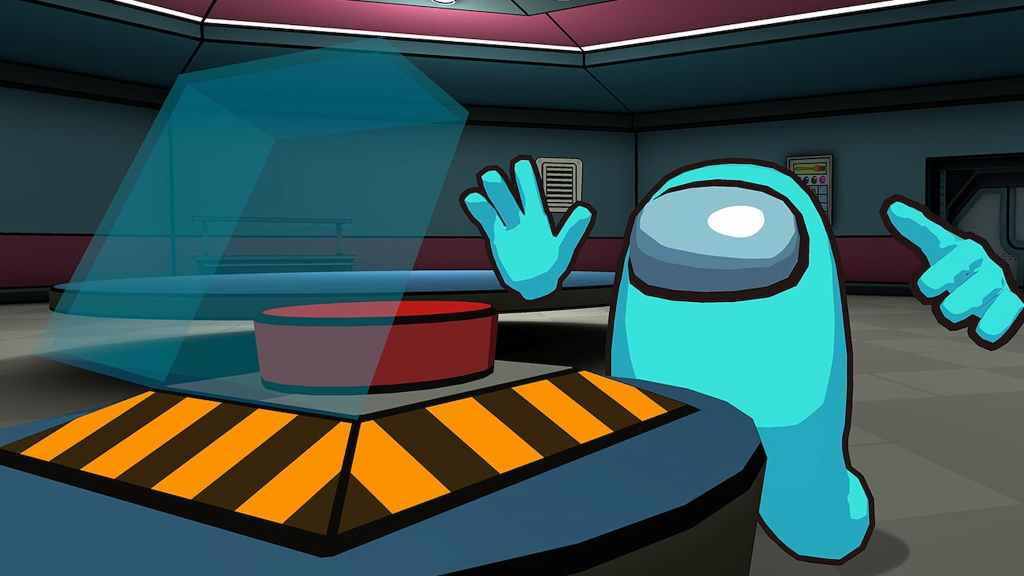
One of the most obvious examples of a game designed around deception and betrayal is Among Us, the multiplayer juggernaut that exploded in popularity online. This game features a group of players trying to complete various tasks around a spaceship, while one or more imposters tries to either eliminate everyone onboard or disable the ship instead. Survivors have to stick together and weed out the imposters, bringing attention evidence of betrayal in large group meetings, where they can be accused as easily as any guilty party.
In many respects, Among Us is a straightforward, yet quintessential, breakdown of a deception-based multiplayer game, encouraging lies among players. At the same time, imposters and survivors learn to stick together like glue, figuring out who is on their side for close bonds that can forge real friendships rather than break them. An imposter in Among Us has special abilities that vary their gameplay compared to others, such as the infamous “venting,” or jumping through air duct vents to move around a map faster.
This only heightens the uncanny nature of other players in an Among Us match, building greater tension between groups that form naturally due to social patterns. Playing this game with friends can be enjoyable, but playing with complete strangers is an unpredictable and chaotic experience. With Among Us adding new roles like The Judge in future updates, the deceptive nature of the game is only growing, even years after the maximum breadth of its appeal.
3. Demon Spore
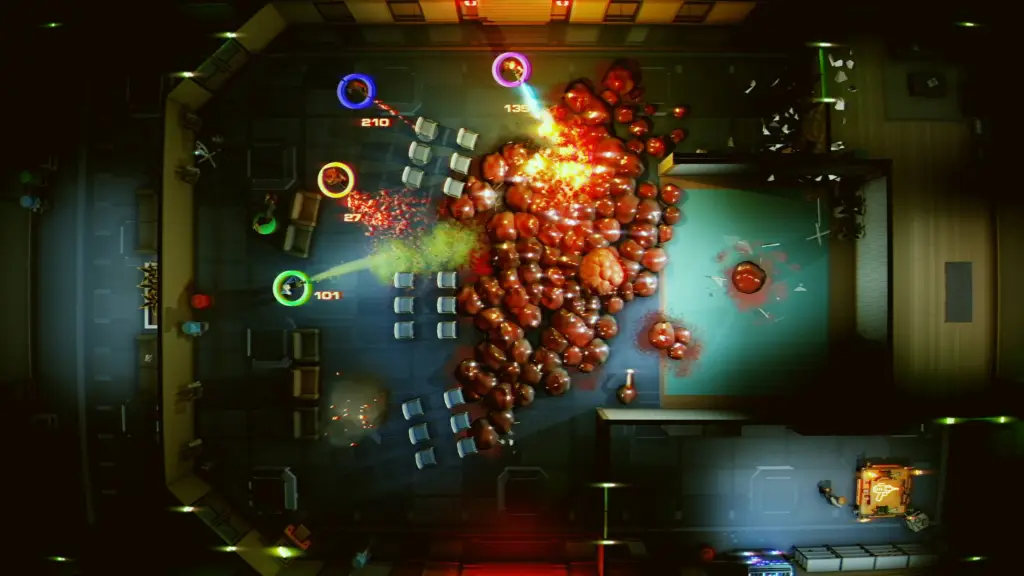
Sometimes, a “deceptive” game is how the primary goal of players is never made clear to deal with, leading to organic moments of shoving other players under the bus to succeed. Demon Spore totes that line through its rogue-lite action, where an 80’s inspired goop monster is growing at an uncontrolled pace, with players having to figure out ways to stop it. This entire game is centered around coordinated improvisation, such as shoving a desk in front of a door or desperately searching for an item that could help slow the growth of the monster.
The life form is constantly evolving in Demon Spore, leading to moments where you might have to shove your friend in its way to buy some time. This can lead to hilarious interactions between you and your friends, and test who really folds under pressure. Alternatively, your group can band together and adapt to the deceptive evolutions of the creature, managing its growth and finding a permanent solution before things get too out of control.
This game controls like a top-down shooter, similar in ways to Hotline Miami both in visuals and character vulnerability. As of this time of writing, this game only has a demo version released, but the shifting form of the creature is still terrifying to deal with. Characters have different roles and abilities that could help resolve the situation, but without synergy with teammates, you may be fresh out of luck. Discovering new rooms, re-purposing lab equipment, and planning an escape route are crucial to this game, so long as you all work together.
2. Distrust: Polar Survival
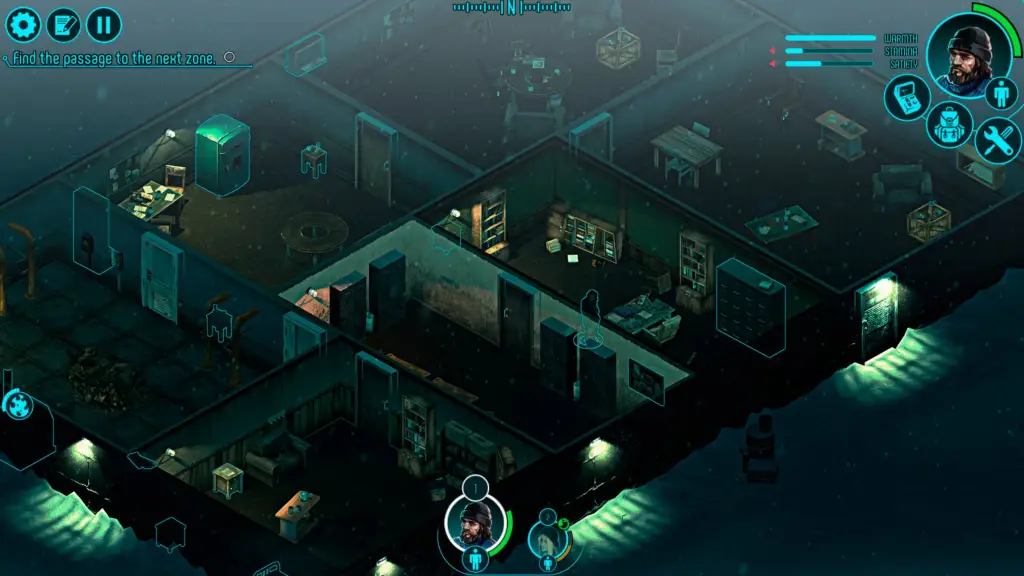
Distrust: Polar Survival has many similarities to John Carpenter’s The Thing, at least within its cold, hostile setting. This game takes place after a helicopter crash leaves you and anyone else stranded near an Arctic research station, with any action you take being related to desperate acts of survival. Falling asleep far too long here means instant death, so you have to fight your own senses to endure, leading to your own body playing tricks on you.
This game can be played alone or with others, but having allies runs the risk of their perception betraying them as well. Characters of different roles and abilities can go mad in Distrust, making them unable to distinguish reality from a nightmarish hallucination. In some cases, this can turn friend into enemy, enemy into friend, or just create terrifying encounters with the creatures that lurk within the shadows of the research station. Each section of the area you explore is procedurally generated, meaning it’s impossible to predict what will be around every corner.
A far cry from a cozy couch co-op adventure game, Distrust plays on fears and tries to actively turn players against each other at times. Although this game is engaging when played solo, the “true” experience is having a teammate with you whose own deteriorating mind could be a help or hindrance depending on the situation. Similar to other games like Project Zomboid, the challenges of the world are both made worse and better by the presence of another.
1. Nuclear Nightmare
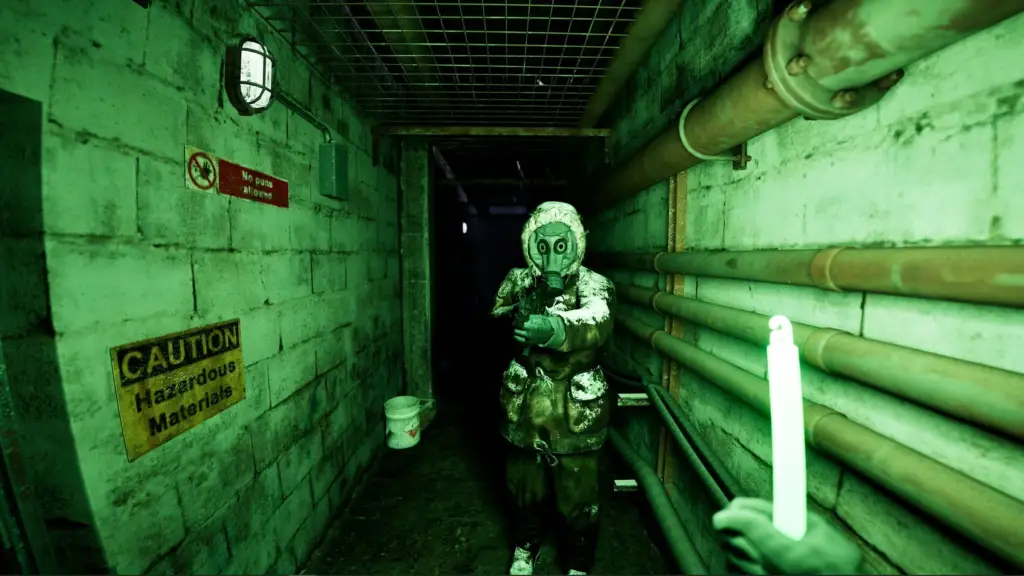
Another cold journey of betrayal takes place in Nuclear Nightmare, a game in Early Access designed for a primarily multiplayer experience. In this title, you and your friends are an elite extraction team trying to recover sensitive materials from an Arctic landscape. To win, all you need to do is find the right items, load them up in your evacuation chopper, and escape back to civilization. However, when a mysterious black goo virus threatens everything, the mission becomes far from simple.
The virus can infect any one of your teammates, causing them to turn against you and hinder the mission through their deception. You have to constantly run tests on your allies to prove they aren’t infected, but lies and betrayal call forth the question — who do you trust to run those tests? Thankfully, you have limited access to a vaccine to cure anyone infected, but people can only be cured once before becoming susceptible to the virus once again. Considering how large the maps of Nuclear Nightmare are, it’s hard to keep track of where everyone has been to see if they were telling the truth or not.
This game will test how close you and your friends are, as you attempt to figure out who is trying to betray you and who is on the same mission as the rest of your team. The open world of this game has plenty of secrets that could make this process more complicated, such as flyable helicopters and snowmobiles, or deadly weapons like flamethrowers to burn away the infected as soon as possible. Randomly generated events make the world of Nuclear Nightmare an impossible game to predict, making it one of the most deceptive multiplayer games to test friendships.