Night of the Living Dead Star Details George A. Romero’s Original And Optimistic Ending [EXCLUSIVE]
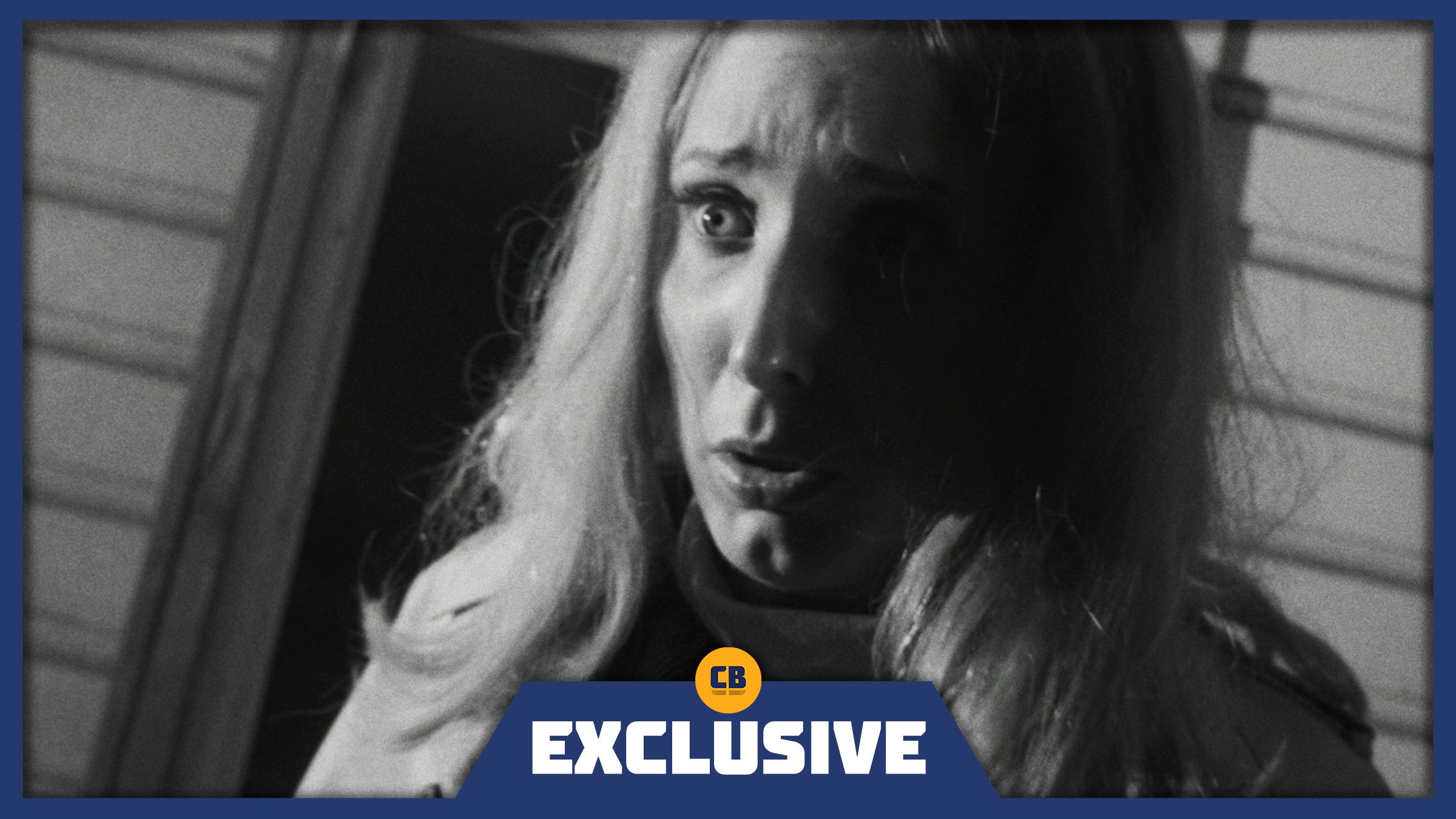
Few horror films have an ending as inseparable from their legacy as Night of the Living Dead. George A. Romero‘s 1968 classic gave cinema the template for ending a film with the bleakest kind of closure, baking hopelessness into the genre’s DNA and fueling decades of discussion around its social relevance. Spoiler warning for a 60-year-old film, but after surviving the majority of the night, the survivors of the original cinematic zombie outbreak are overwhelmed by the ghouls that have been terrorizing them. It’s difficult to imagine the movie concluding any other way, which makes Judith O’Dea’s recent revelation about her character Barbra all the more surprising. According to the film’s star, Romero had a very different last act in mind for her character, one that would have fundamentally changed the movie’s final moments and failed to fulfill the promise of the famous quote, “They’re coming to get you, Barbra.”
ComicBook caught up with O’Dea at San Diego Comic-Con while she was promoting the new book Night of the Living Dead: The Official Story of the Film. Host Chris Killian asked what she thought when she first read the film’s famous ending. There was just one problem: she couldn’t read it. The actress behind Barbra says she was only given portions of the script as filming was underway and didn’t learn until later, at a convention, that Romero’s original plan was to have her character survive the night. According to O’Dea, Romero originally planned to reveal Barbara alive to the posse outside the farmhouse, with a close-up of a tear signaling that she was still human. He eventually reconsidered, instead bringing Russell Streiner’s character, Johnny, back to drag his sister into the horde.
“I never had a script ever,” O’Dea said. “Maybe I’d get a page or two of the dialogue, whatever scene we were doing. I had no idea where Barbra was going to go. I only learned through conventions when George would join us. Barbra originally, in his concept, was going to be the only one to survive. George rethought that whole idea and thought, no, I think it would be more exciting if we had Russ come back and get her.”
What If Barbra Had Been the First Final Girl
The lack of a complete script wasn’t particularly intimidating to O’Dea at the time. Still in her early 20s, Night of the Living Dead was her first feature film, and she had no experience to judge whether Romero’s unusual production process wasn’t the norm. It also created room for the cast to find their own moments in the film, including one of Barbra’s most emotional scenes. Romero gave the performers specific story points he wanted included, but otherwise let them build the scene themselves.
“What was fun, too, is that oftentimes we were allowed to improvise,” O’Dea said. “George would say, specifically the scene where Ben and Barbra are talking in the house, about what happened to each of them. Barbra was talking about Johnny and the candy and going to the cemetery. That was all improv.”
Had George Romero stuck to his original ending, Barbara’s survival could have changed more than Night of the Living Dead‘s bleak conclusion. It also might have pushed one of horror’s most recognizable tropes forward by nearly a decade. The “final girl” wouldn’t become a familiar fixture until the 1970s, with Sally Hardesty escaping Leatherface in 1974’s The Texas Chainsaw Massacre and Laurie Strode surviving the events of Halloween four years later. A lone Barbara making it through the night in 1968 would have been a remarkably early version of the archetype. Instead, Romero chose an ending that solidified his own legacy in the genre, where surviving until sunrise doesn’t guarantee you’ll make it out alive.
Night of the Living Dead: The Official Story of the Film is available now.