Nine Years Ago, Horror Cinema Lost One of Its Most Legendary Directors
It has been nine years since one of cinema’s most important horror directors died, and his legacy still lives on today. Tobe Hooper was 31 years old the year that The Texas Chain Saw Massacre was released, and that movie ensured that horror fans would always remember this incredible director. It seems almost hard to believe that the seminal horror movie was only his second feature film, and it is also hard to believe that some of the great projects he worked on and released over the next three decades are criminally underrated, and in at least one case, his contributions are almost entirely dismissed. On the anniversary of his passing, it is important to remember his impact on the horror genre.
On August 26, 2017, Tobe Hooper died at the age of 74, and behind him he left a legacy of creating one of the most influential horror movies of all time as well as a series of underappreciated films that followed it.
Tobe Hooper Helped Change Horror History With The Texas Chain Saw Massacre
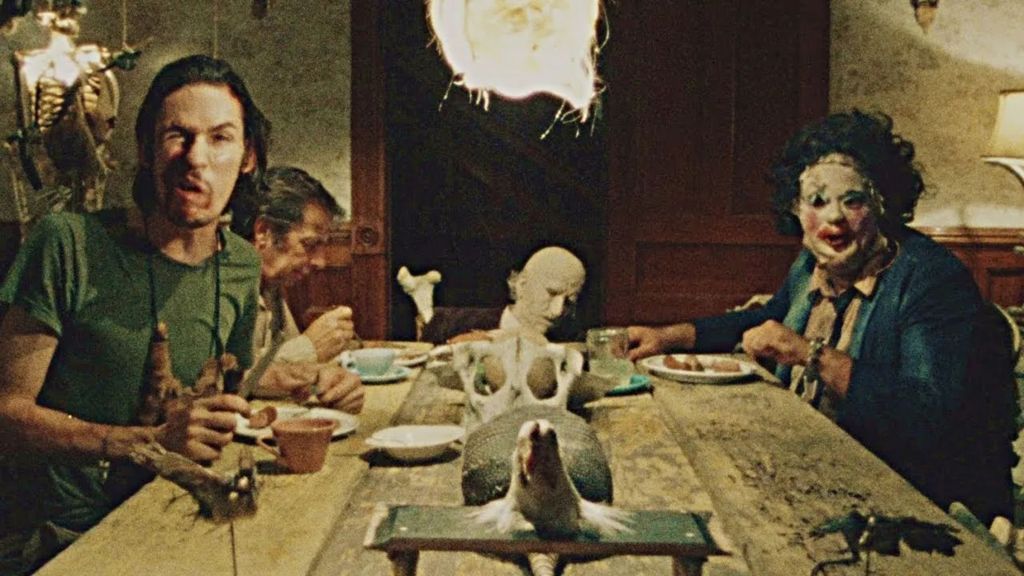
In 1969, Tobe Hooper released his directorial debut, an indie experimental film called Eggshells. Five years later, he released the most important movie of his career, an independent slasher film called The Texas Chain Saw Massacre. This film follows a group of youngsters on a road trip in Texas who end up stopping at the wrong house and become the victims of a family of cannibals. What resulted was widely reported as one of the most violent movies ever made, and it was so controversial that many people misreported the amount of blood that was thrown around in the movie.
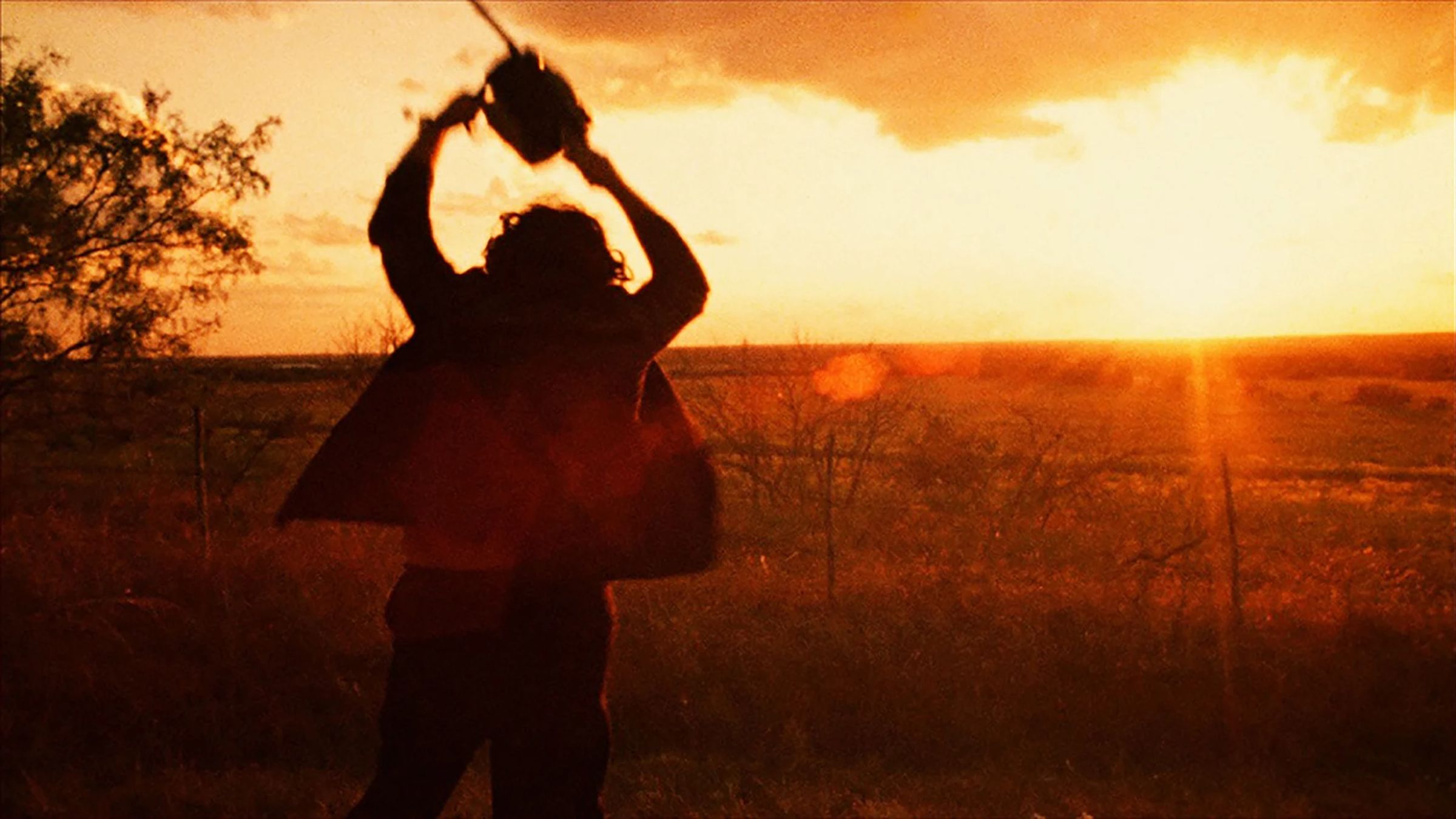
Based loosely on the real-life serial killer Ed Gein, the film introduces the then-unnamed Sawyer family, who kill and butcher people and even sell the meat to locals. However, while the family is memorable, especially The Hitchhiker (Edwin Neal), this movie belongs to the mentally unstable Leatherface (Gunnar Hansen), the giant with the chainsaw who preceded the likes of Michael Myers and Jason Voorhees as an unstoppable slasher killer.
What Hooper did with his movie was very different from later slasher films. This wasn’t really a film about a slasher killer murdering youngsters involved in sinful acts themselves. It also wasn’t a polished movie that delivered creative kills. This was a down-and-dirty movie about an unstoppable killer murdering these kids who are just on a road trip in the most horrifying ways possible. In fact, the movie received an X rating for the amount of blood flying around, although the blood was mostly a hallucination by the censors thanks to the violence. After cutting several minutes of carnage, the movie got the R rating.
In the decades since its release, The Texas Chain Saw Massacre has been called a horror that signifies the American Gothic. The Sawyer family almost parodies the traditional American family in the South, and when they start to kill the youth who have come into their town, it really slams home the idea that they are the old generation who would rather eat the youth than conform to the future. There is also a strong argument that the movie borders on being exploitative when it comes to violence against women, although reappraisals of the film show the violence is less than in most contemporary films.
The Texas Chain Saw Massacre was also very influential on future horror movies. This was easily seen with the slasher genre, as Halloween and Friday the 13th followed it, and both Michael Myers and Jason Voorhees are clearly made from a similar cloth as Leatherface. Films like Evil Dead and other video nasties all enjoyed throwing around the blood and gore that The Texas Chain Saw Massacre introduced. Even with all the controversy, its status was cemented when the Library of Congress added it to the National Film Registry in 2024.
Tobe Hooper’s Legacy Is Undeniable, Yet Complicated

While Tobe Hooper remains best known for The Texas Chain Saw Massacre, that is not where his brilliance ended. Just five years later, Hooper directed the 1979 Stephen King adaptation of Salem’s Lot. This movie, while made for TV, remains one of the creepiest King adaptations of the era, with Reggie Nalder terrifying as the vampire Kurt Barlow and the little vampire boy floating at the window giving an entire generation nightmares. Salem’s Lot earned three Primetime Emmy nominations.
Hooper even directed Poltergeist in 1982, although there have been several theories that Steven Spielberg worked as a co-director on the movie, always taking credit away from Hooper at the same time. Making $121.7 million at the box office, it remains one of Hooper’s most successful movies. Add in The Texas Chainsaw Massacre 2, which was an absurdist take on the horror franchise that went even further into deconstructing violence in movies, and it was clear that Hooper wasn’t a one-hit wonder. Nine years after his death, the director deserves all the praise in the world.