What keeps Filipino political dynasties in power – a Rappler series
The 1987 Constitution directs the state to “prohibit political dynasties.” But nearly four decades later, no enabling legislation has been enacted to set limits on the concentration of political power within families.
As a result, political families continue to wield significant influence across national and local politics in the Philippines. The same family names repeatedly appear on ballots and, after elections, on the lists of officials taking their oaths of office.
Why do Filipinos keep electing people from the same families? The answer is not always straightforward.
This Rappler series looks at the families that have held political power for generations, tracing how they built their influence, where such influence is strongest, and how it has endured over time. The profiles look at their family ties, political networks, how they rose to power, business interests, and roles in local and national government.
We chose these families based on the extent of their political presence, including the number of relatives who have held public office and cases where family members have simultaneously occupied multiple government positions. The selection was also shaped by the availability of contributors and reporting capacity in different provinces, so this series is not intended to be a definitive list or ranking of the country’s largest political dynasties.
The series draws on Rappler’s ongoing effort to map family connections among elected officials. Our team compiled and verified information from official government and public records, then used these data points to trace relationships and see how political power is passed, shared, and consolidated across generations.
Rappler will publish two profiles each week leading up to the 35th anniversary of the Local Government Code of the Philippines on October 10. Bookmark this page to catch the latest report.
The Dutertes’ 40-year reign: Forged from strongman and victim
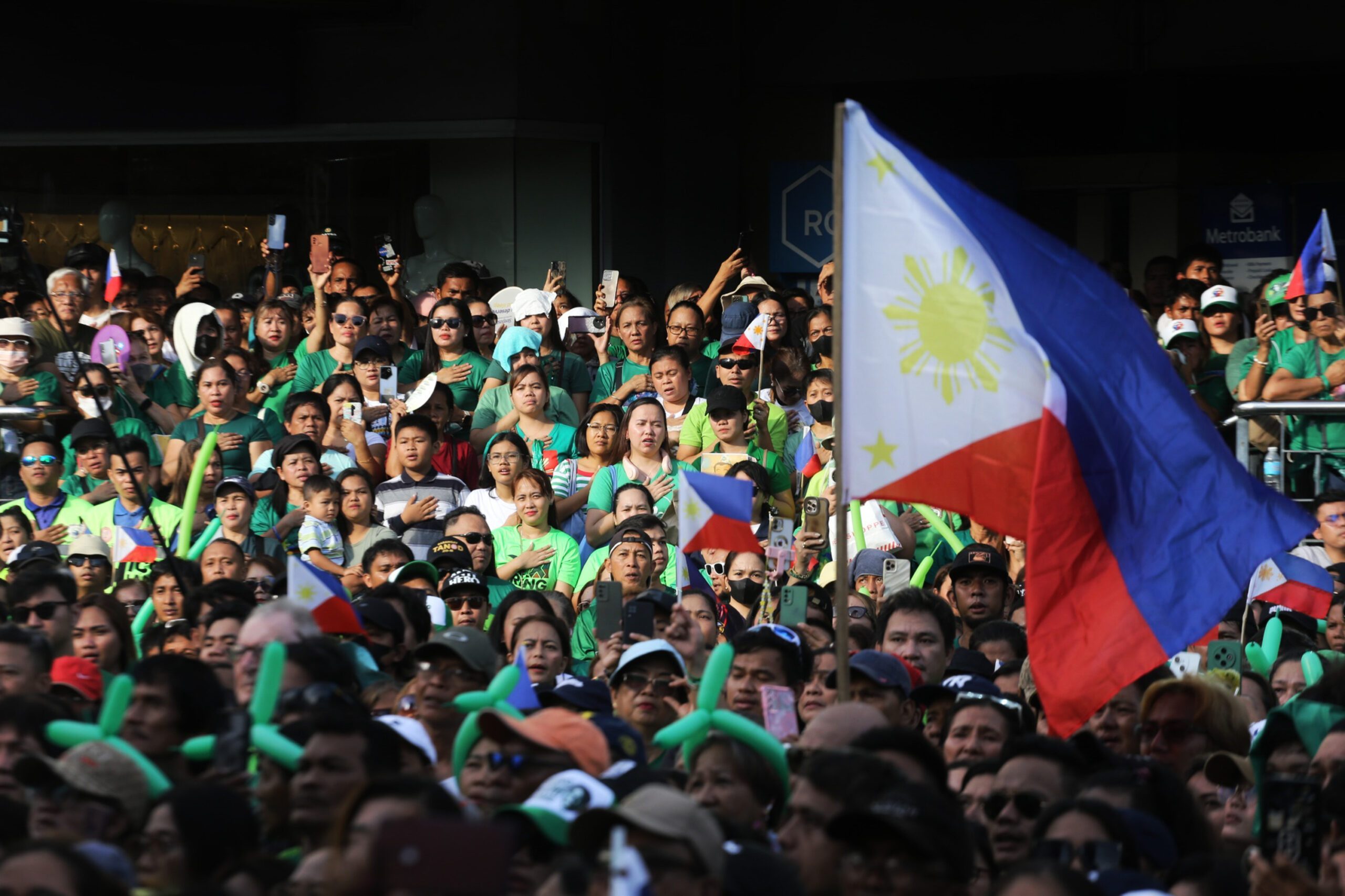
It’s been 38 years since Davao City knew any other kind of governance but the Dutertes’.
What began with one man brandishing a local peace and order campaign in 1988 has expanded into a Philippine allurement to safety — a move that solidified the Dutertes’ political stronghold with three generations now being elected into city and national government positions.
Read the full story by Raizza P. Bello here.
The Pinedas of Pampanga: A dynasty by succession
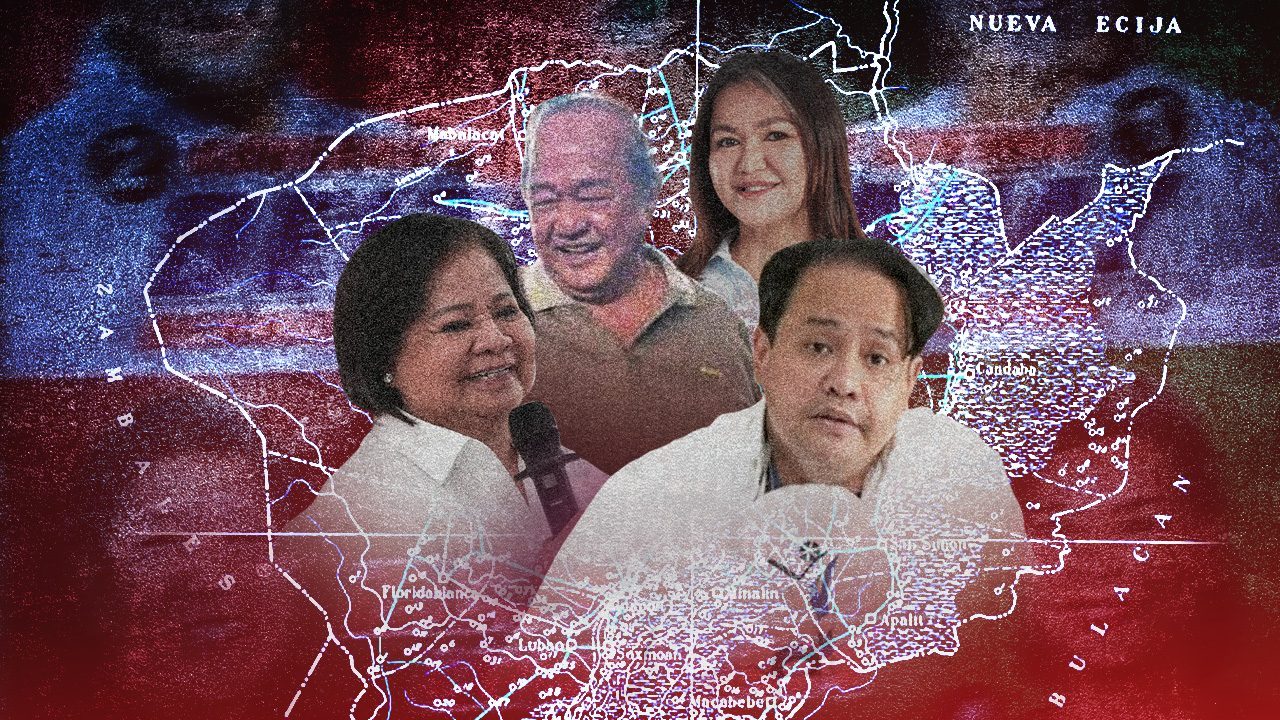
More than three decades after Lilia “Nanay” Pineda first won the mayoralty of Lubao in 1992, the Pineda family remains firmly at the center of Pampanga politics, extending one of Central Luzon’s longest-running political dynasties.
Since 2010, the family has continuously occupied Pampanga’s two highest elective offices, with Lilia and her son Dennis “Delta” Pineda alternating between the governor and vice governor posts across successive elections.
Read the full story by Ahyenne Neleah Estacio here.
– Rappler.com