In major privacy win, Supreme Court rules geofence warrants are protected by privacy rights
The Supreme Court’s decision to limit geofence warrants is a win for privacy advocates, who called their use unconstitutional but sought an outright ban.


The Supreme Court’s decision to limit geofence warrants is a win for privacy advocates, who called their use unconstitutional but sought an outright ban.

In addition, TIDAL will use automated tools to remove AI-generated music that attempts to impersonate an artist or a group, the company said.

The Trump administration’s moves threaten $121 billion in new solar and wind power, two energy sources that are the biggest contributors to new capacity in the U.S.

Cursor has launched a new mobile app for remote oversight over coding agents.

The startup, which runs a popular free AI leaderboard, launched its commercial service just last September.

The world’s two largest memory chip companies vow to build more memory lab fabs as South Korea positions itself as an AI tech powerhouse country.

As Anthropic forges a closer relationship with the state of California, the federal government has made an enemy out of the OpenAI rival.

Uber said it is readying the launch of a separate autonomous vehicle partnership in the city, but did not name the partner.
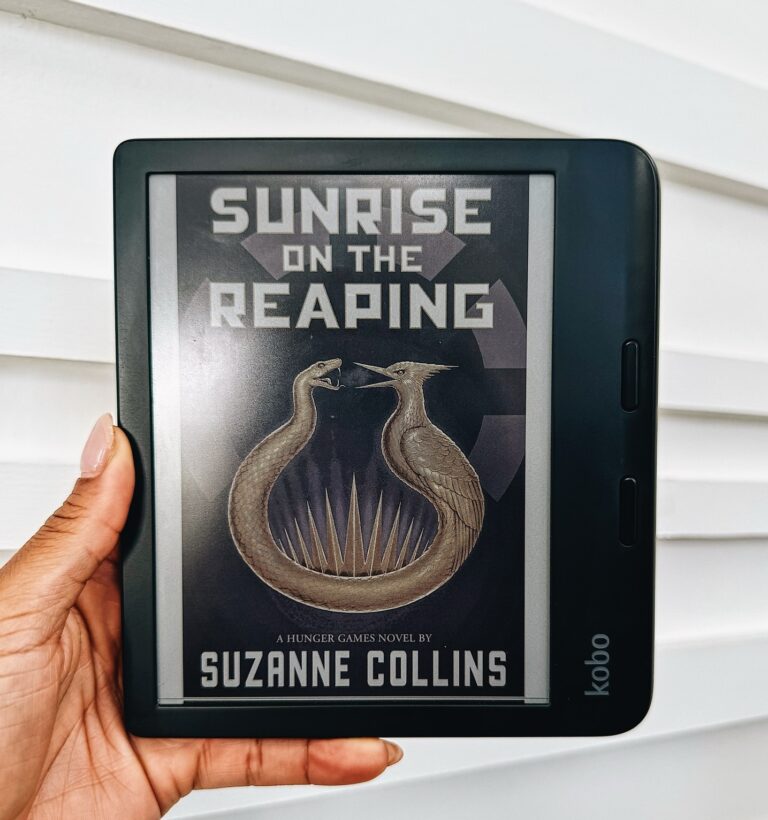
Kobo users can now automatically sync their reading progress to StoryGraph, making it easier to track books, reading stats, and challenges without relying on Amazon’s Goodreads.

Google is expanding Gemini’s personalized AI image generation to eligible free users in the U.S., allowing the chatbot to create images based on your interests and data from connected Google apps.