Microsoft launches its first cybersecurity model, plus a new agentic cybersecurity system
Microsoft bolstered its AI cybersecurity offerings this week with the launch of its first AI security model and a new security platform.

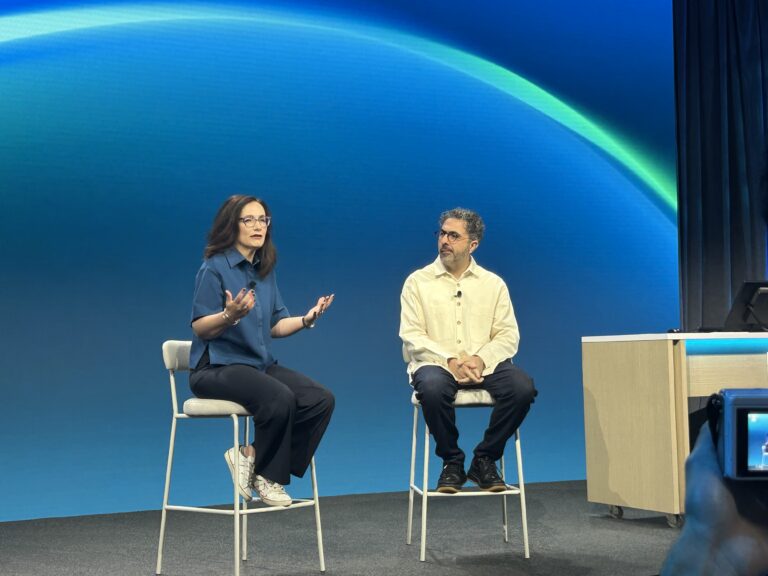
Microsoft bolstered its AI cybersecurity offerings this week with the launch of its first AI security model and a new security platform.

The ban largely affects U.S. imports from China, which currently dominates the global market for making humanoid robots and solar inverters.

The U.S. federal consumer watchdog said Hims & Hers, which prescribes for sexual wellness and mental health conditions, used website trackers to share customers’ information with advertisers.

Cybersecurity experts told TechCrunch that one of the biggest lessons to be taken from the OpenAI hack against Hugging Face has nothing to do with AI, but traditional cybersecurity defense.

The health tech data giant, which handles vast amounts of patients’ medical data, said hackers struck one of its protected health data stores.

New security research offers a rare view inside residential proxy networks, which rely on apps that share a person’s internet connection with someone else.

OpenAI and Anthropic admitted that their unreleased AI models escaped their sandboxes and hacked several companies in unprecedented cyberattacks. Who is legally to blame? Should prosecutors charge the two AI frontier labs? Can victims sue them? We spoke to lawyers who specialize in computer hacking laws to find out.
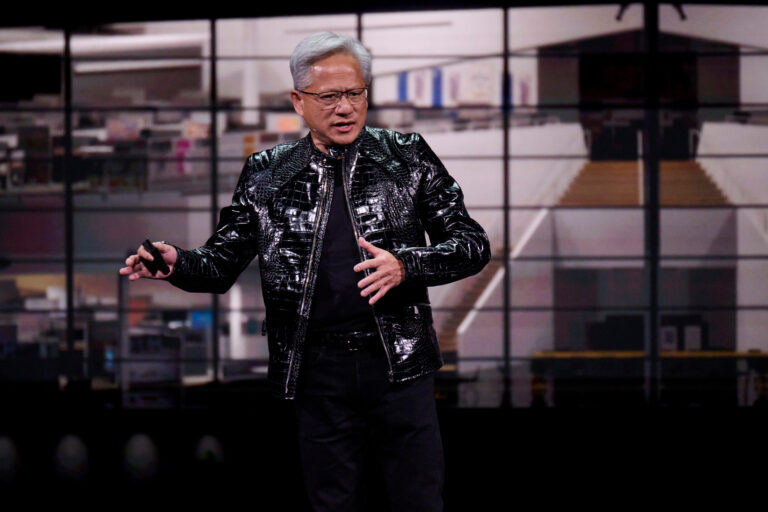
The week-old Open Secure AI Alliance, spearheaded by Nvidia and grown to over 120 companies, already has proposals out for defending against AI agents.

New findings by the Electronic Frontier Foundation aim to warn app developers that some of the third-party code they place in their apps may also collect their users’ location data when they grant permission to the app.