Google’s answer to Canva is an AI tool where you prompt instead of design
With Google Pics, Google is pushing deeper into the creative software market dominated by Canva and Adobe, but with a distinctly AI-first approach.

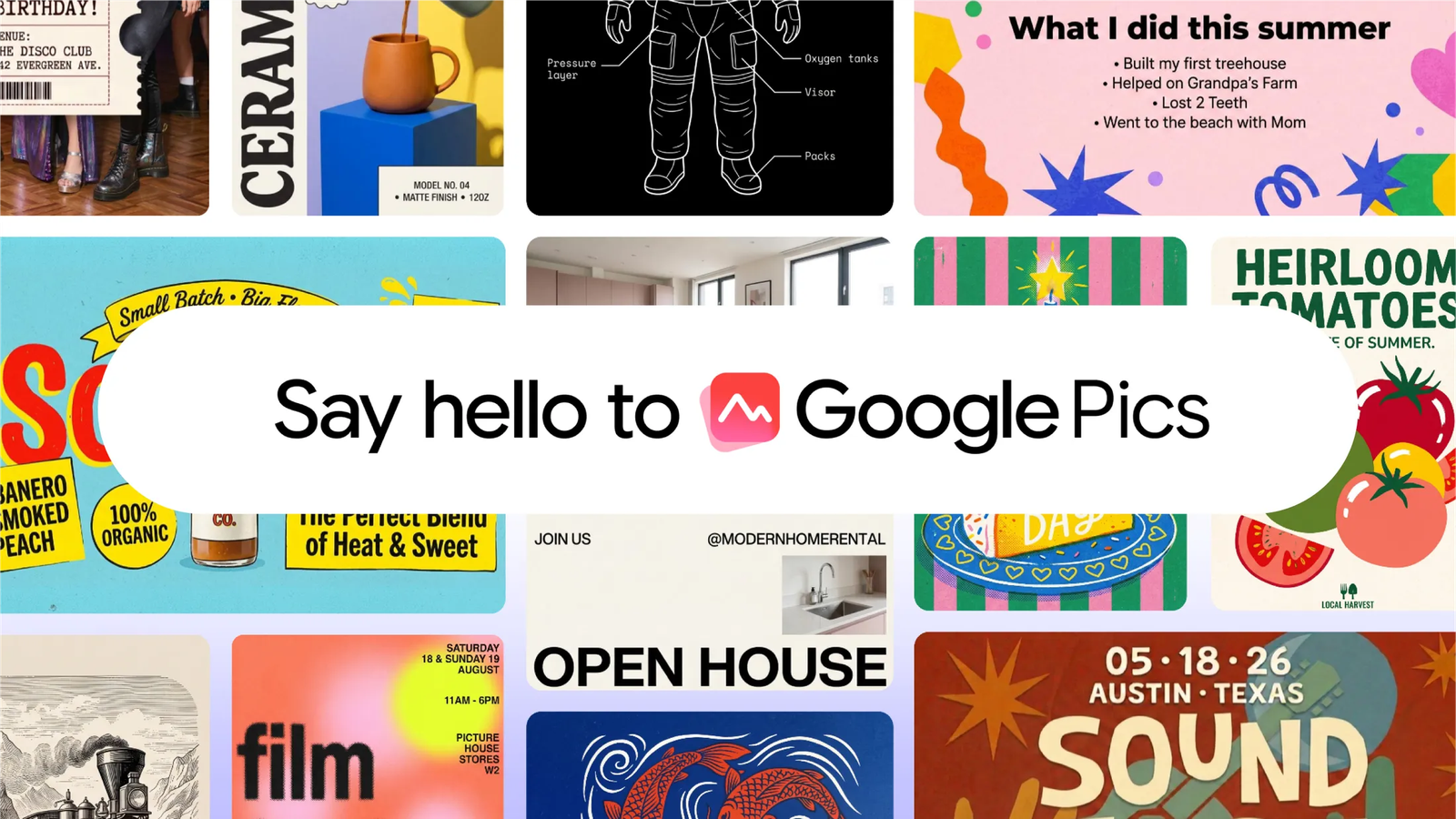
With Google Pics, Google is pushing deeper into the creative software market dominated by Canva and Adobe, but with a distinctly AI-first approach.
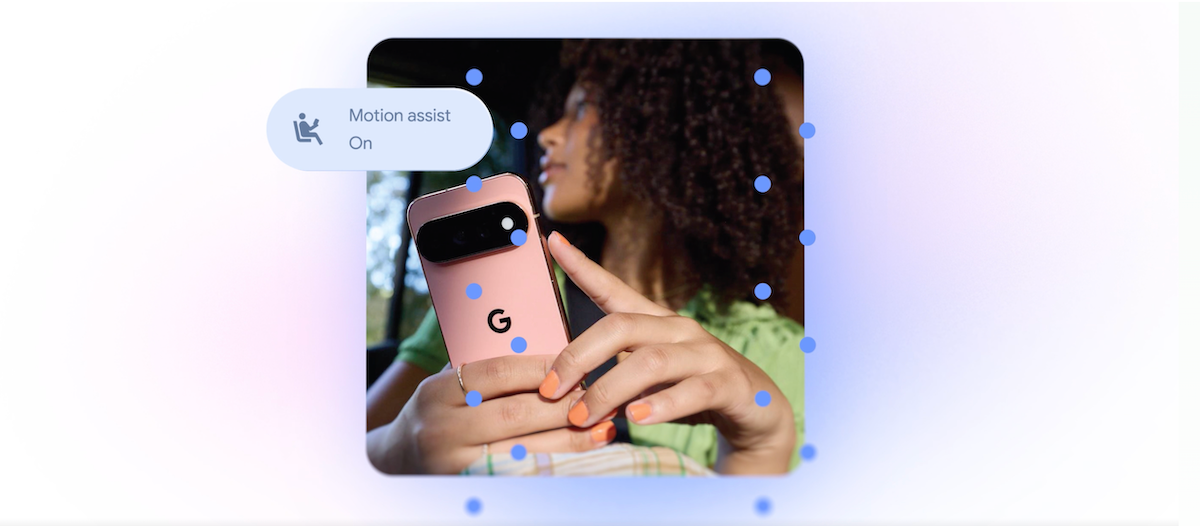
While some of the features see Google playing catch-up to Apple, which already offers similar features for iPhone users, others specifically leverage Gemini to provide various improvements.

Fervo’s deal with Google could expand to 1 gigawatt of geothermal power, enough to supply a very large AI data center in Utah.
Google has dodged an effort to break up its ad business, but a judge said Wednesday that the company will need to adjust its business to benefit competitors.
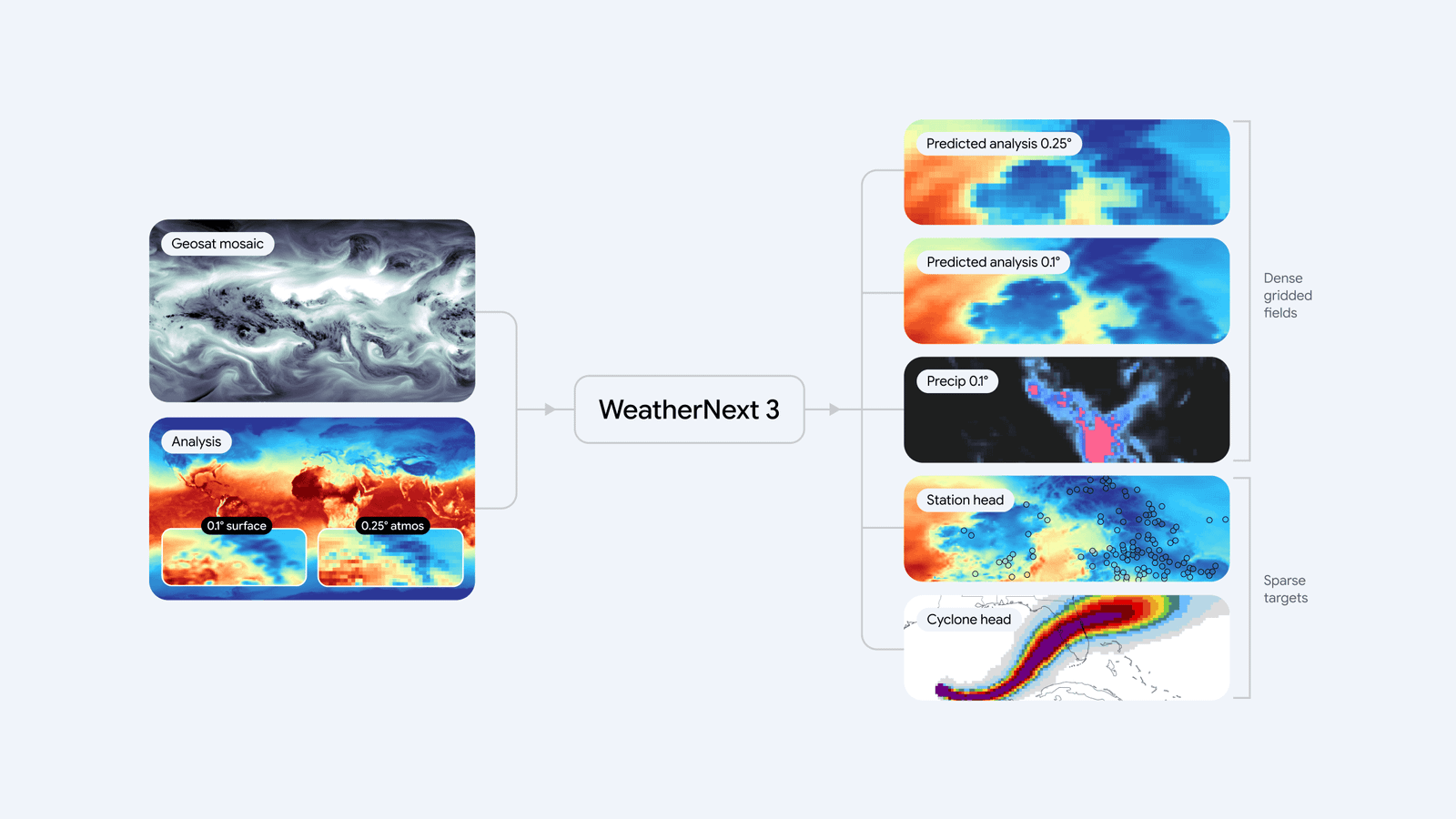
WeatherNext 3 is the latest wave of a sea change in meteorology brought out by deep learning techniques. Google says it will start feeding into weather information users see in search, Google Maps, and Gemini.
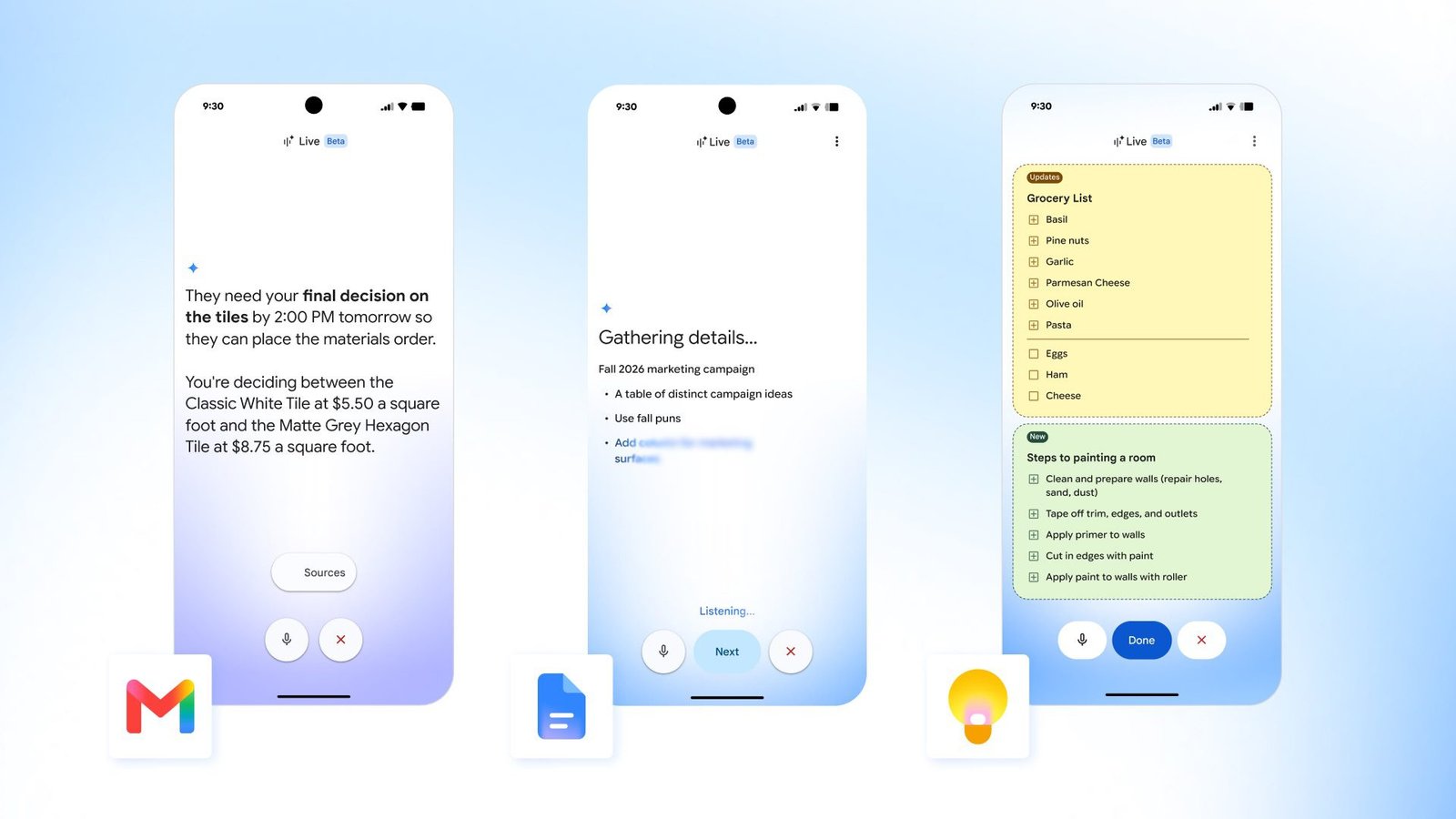
Users can search for emails or draft documents using the new conversational feature.
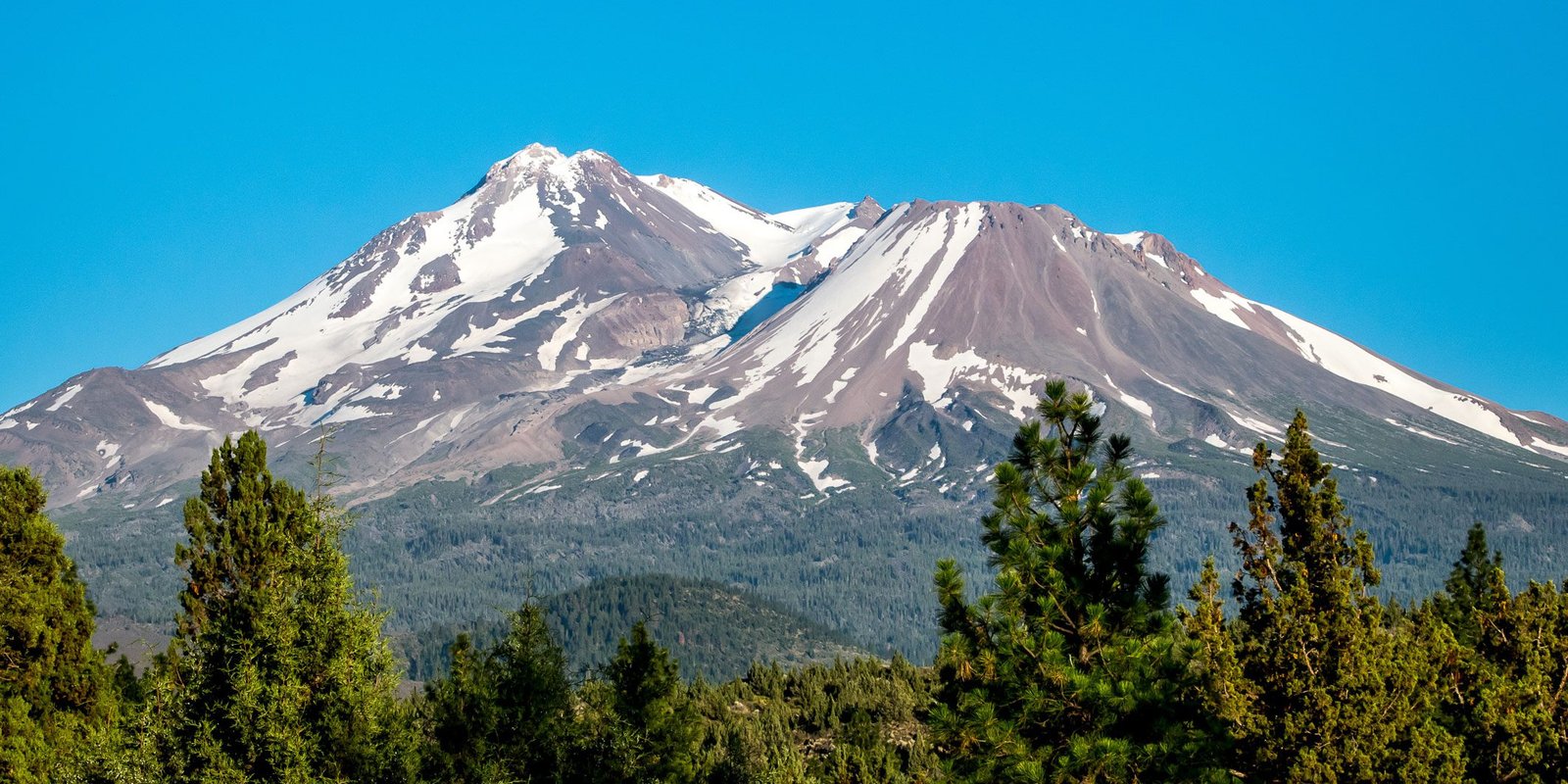
The sheriff’s office said the hikers “were advised by Gemini to bring far less food and water than their group required.”
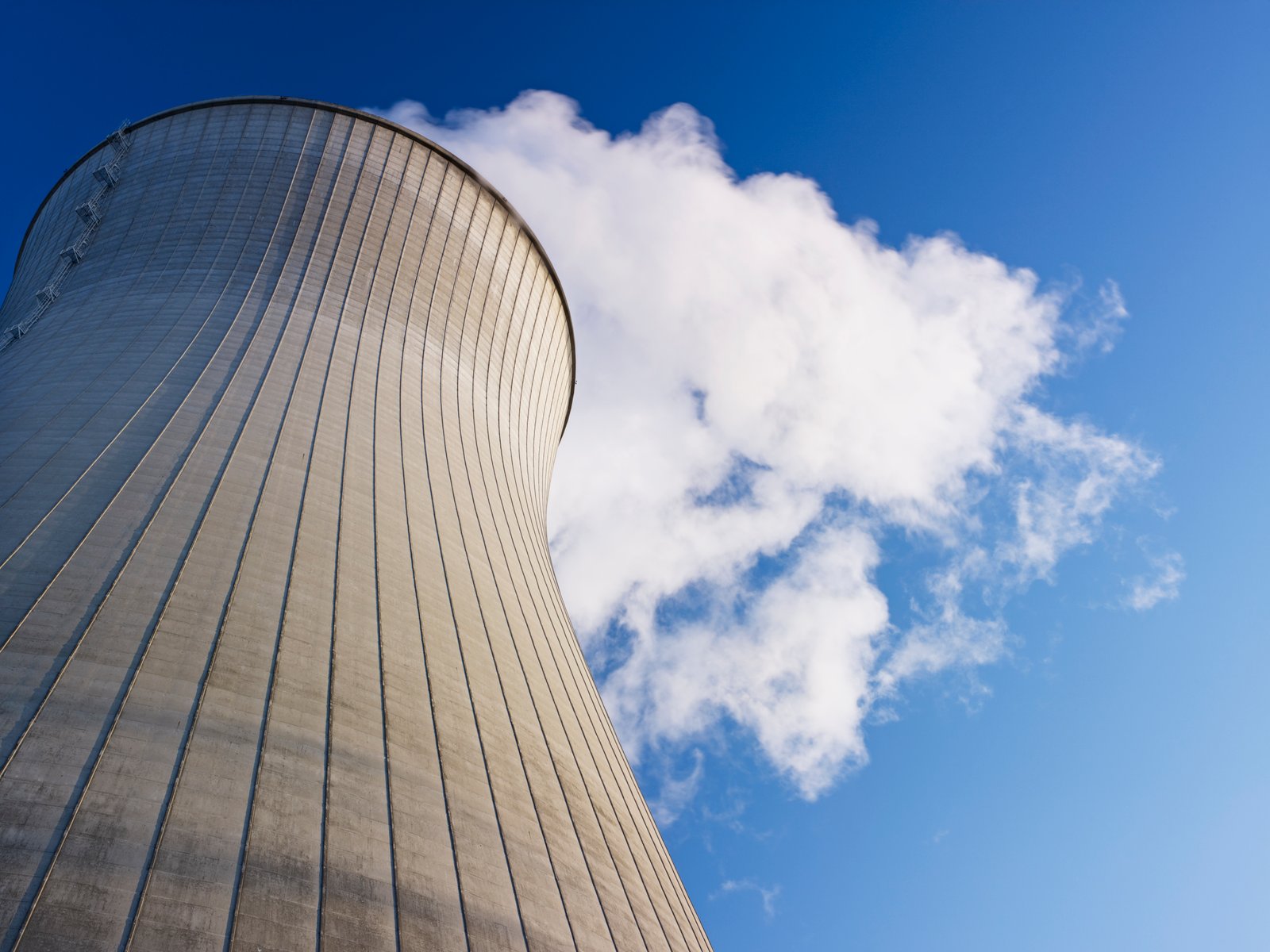
Google said it would bring an Iowa nuclear power plant back from the dead. Now the plant’s owner is getting a $1.9 billion loan from the U.S. Energy Department.
Google Cloud expands its enterprise AI push with Accenture, betting on forward-deployed engineers to drive adoption and overcome deployment bottlenecks.
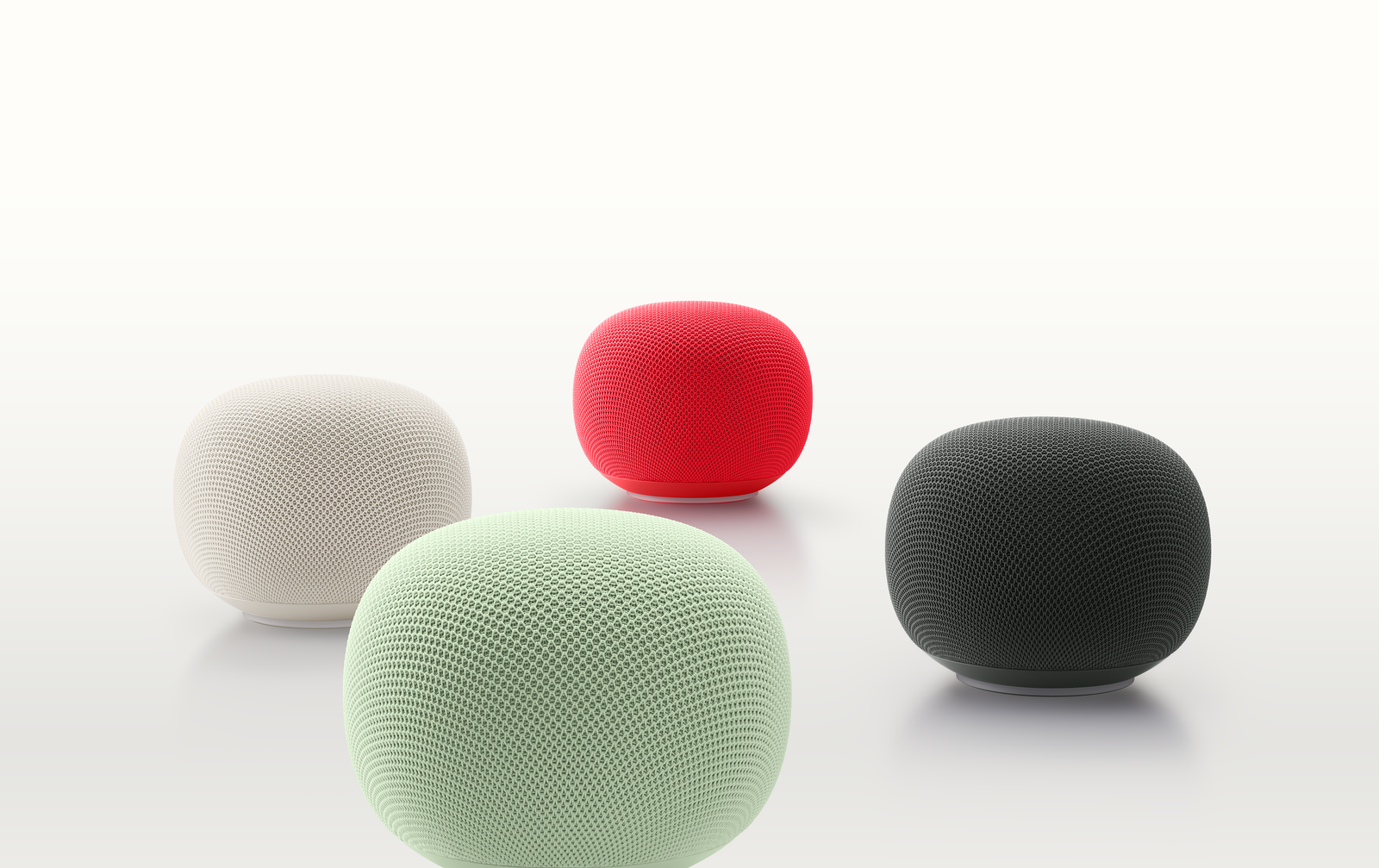
Google is launching early access to a new MCP server for Google Home, allowing AI agents like Claude, ChatGPT, and others to control connected devices, review camera summaries, and access smart home activity using natural language.