Amazon’s Zoox expands its robotaxi service to Las Vegas airport
Zoox is expanding to this critical ride-hailing destination a few weeks after it started charging for robotaxi rides.


Zoox is expanding to this critical ride-hailing destination a few weeks after it started charging for robotaxi rides.
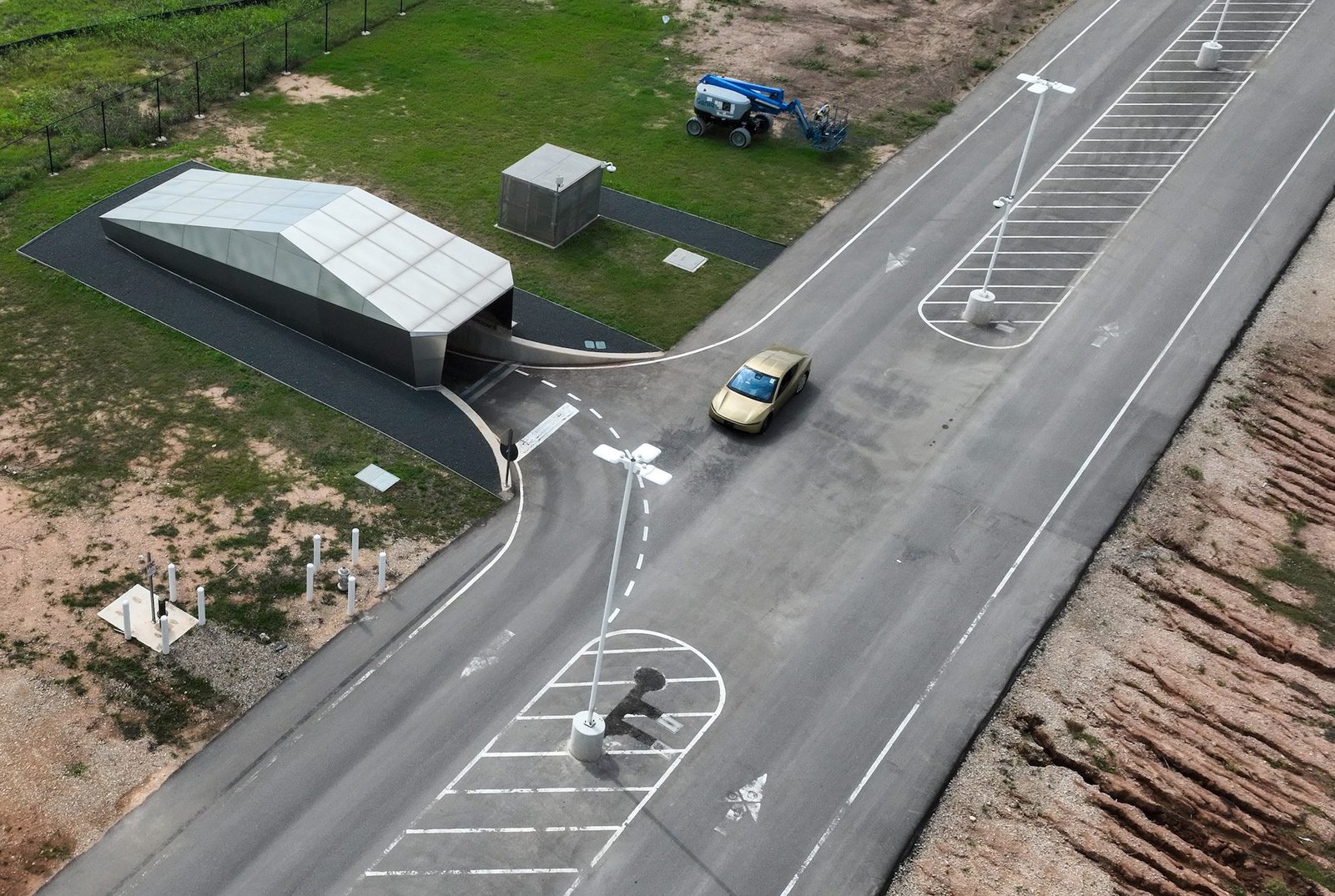
The company is about to formally launch the gold two-seater, with no steering wheel or pedals — a move that could change Tesla forever.
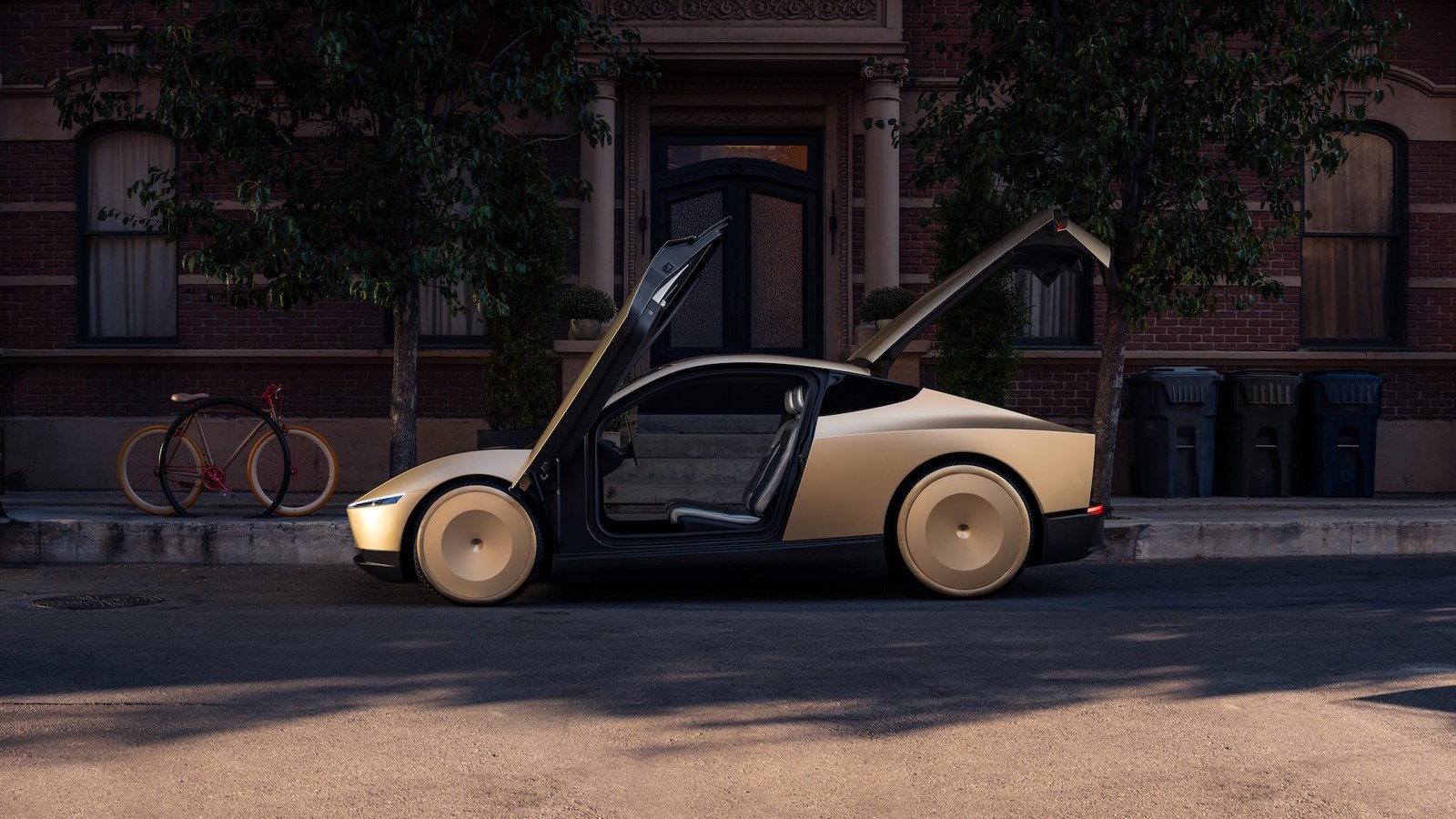
The company published a form on its website Thursday soliciting info from people who are interested in “Cybercab fleet vehicle purchasing.”

The investigation was launched just a few hours after Tesla put the first production Cybercabs on the road in Austin.

The company says no children under 13 can ride — even with a parent. That’s more restrictive than the Model Y SUVs it’s using as robotaxis.

Welcome back to TechCrunch Mobility, your hub for the future of transportation, and now, more than ever, the role AI is playing in it.
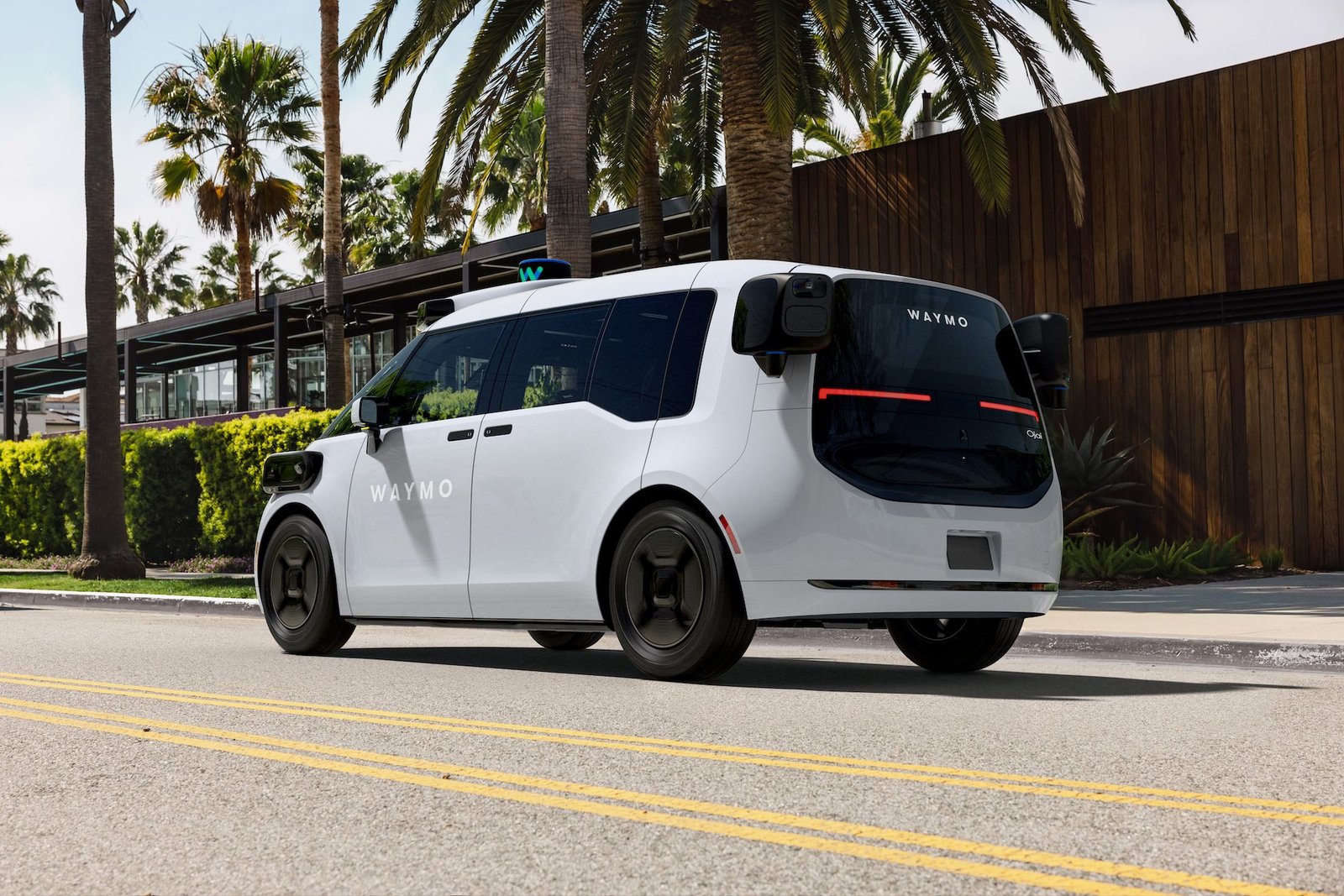
Las Vegas will be Waymo’s 15th commercial robotaxi market.

The deal could net the asset-light robotaxi company more than $300 million in funding.
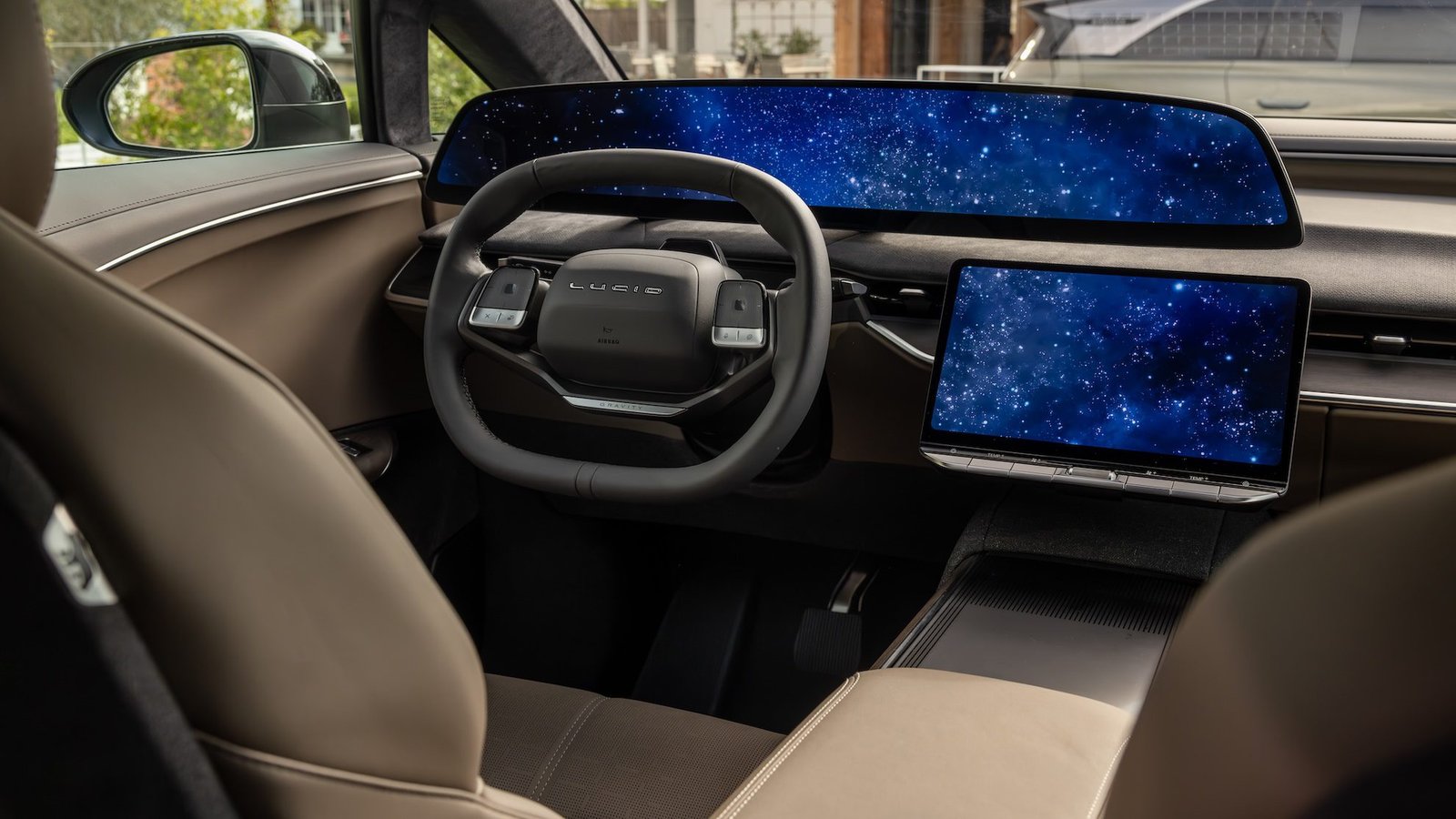
The company is partnering with mobility platform Bolt — but no vehicle orders have been placed just yet.

The company suspended service in the city in April after one of its robotaxis got swept away.