Hiyd is a health tracker that attaches to the watch you already wear
Former Apple engineers figured out how to get a biometric sensor to attach to your watch without any magnets or adhesives.


Former Apple engineers figured out how to get a biometric sensor to attach to your watch without any magnets or adhesives.
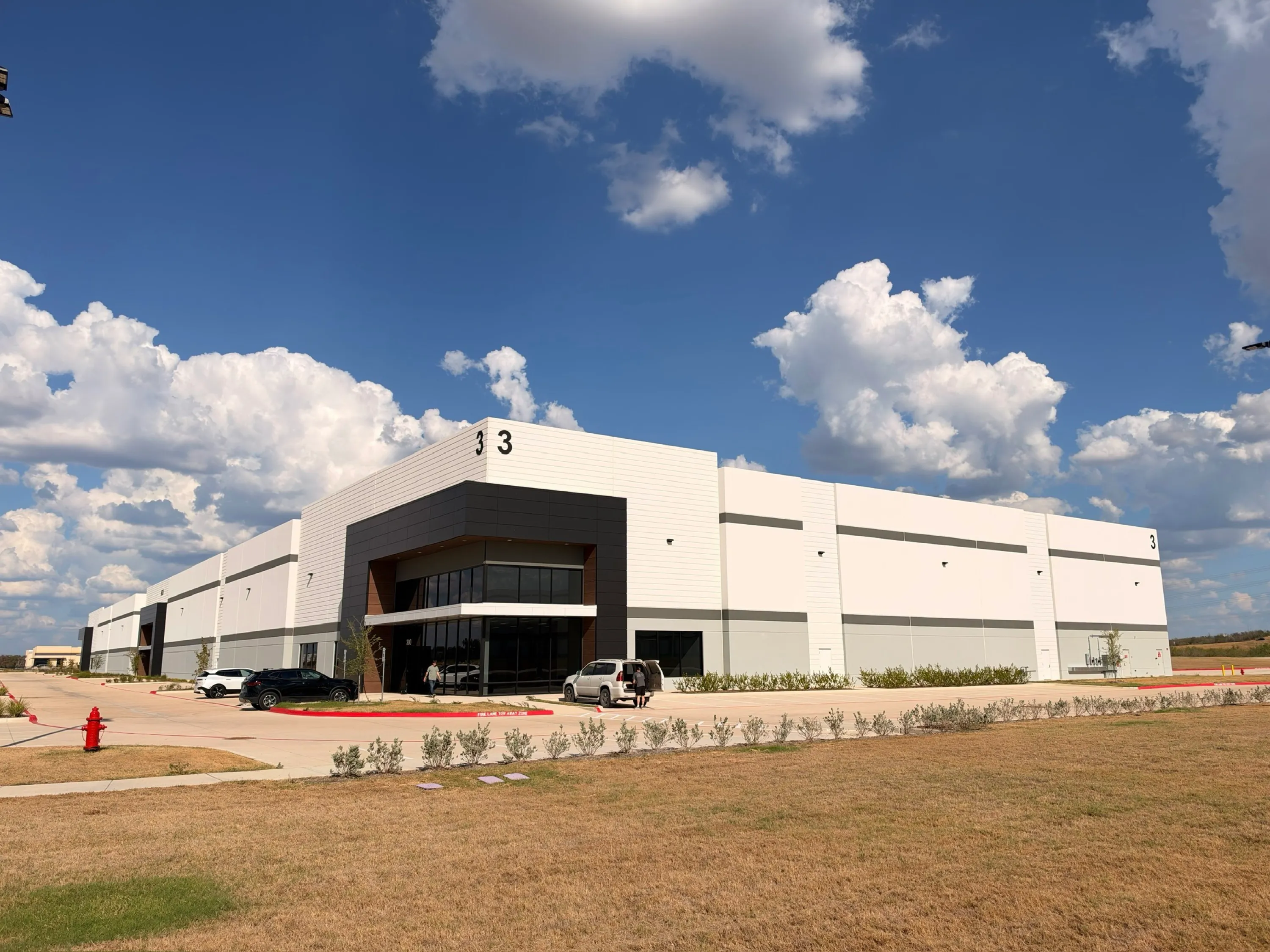
Startup Ambrosia Energy will build a massive factory to crank out batteries to augment solar panels, creating a round-the-clock clean power plant.
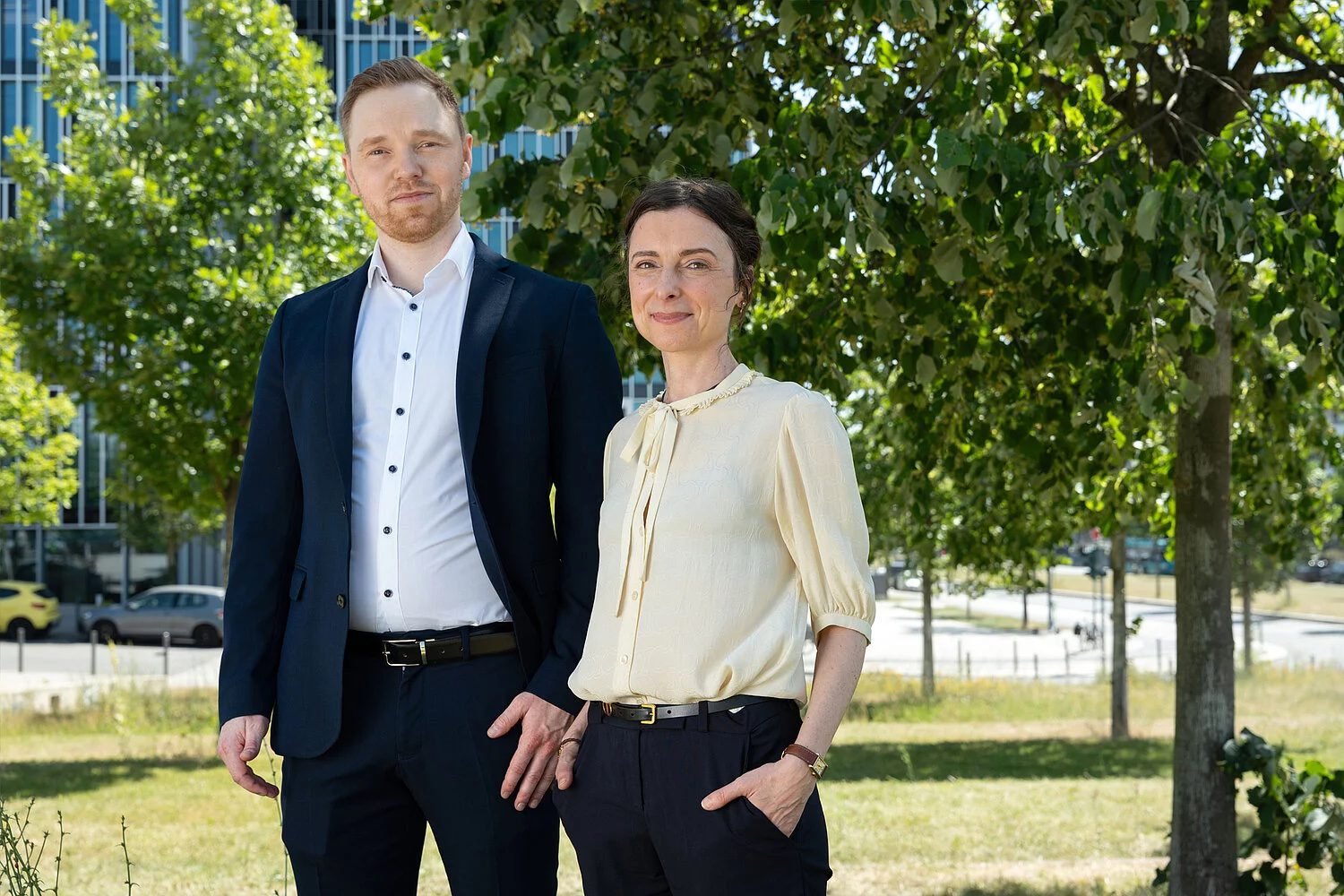
German startup TimeTeller has developed a saliva test kit to help anyone understand their circadian rhythm; it aims to reduce side effects from cancer treatments.

Langley’s comments come amid mounting scrutiny of Flock from privacy advocates, including the ACLU, and members of the public who are concerned about the misuse of its technology.

Databases have traditionally been designed either for analytical data or for operational data. But database engine CedarDB supports both, and its approach has gained relevance with the rise of agentic AI.

Intero Biosystems is selling lab-grown human intestines to drugmakers as regulators push for alternatives to animal testing, while the startup looks to scale production and expand its organoid technology.

Gudea, a company that tracks how stories and rumors spread online that describes itself as the “storm tracker for the internet,” is using AI to help organizations spot trouble brewing online before it turns into a crisis.

It’s time to unveil the five companies that will be competing in the Startup Battlefield finals.

At TechCrunch Disrupt, Flock CEO Garrett Langley defended his company’s surveillance technology despite growing privacy concerns, arguing that its crime-fighting benefits outweigh the risks of abuse.

The founders detailed how their startup is developing AI that can design chips, learn from each iteration, and improve subsequent designs, all with the goal of automating and accelerating the chip design process.