Iceland-based Treble raises $18 million for its voice simulation platform
Treble’s voice simulation platform is used by voice AI model developers and AI wearable and robotics companies,

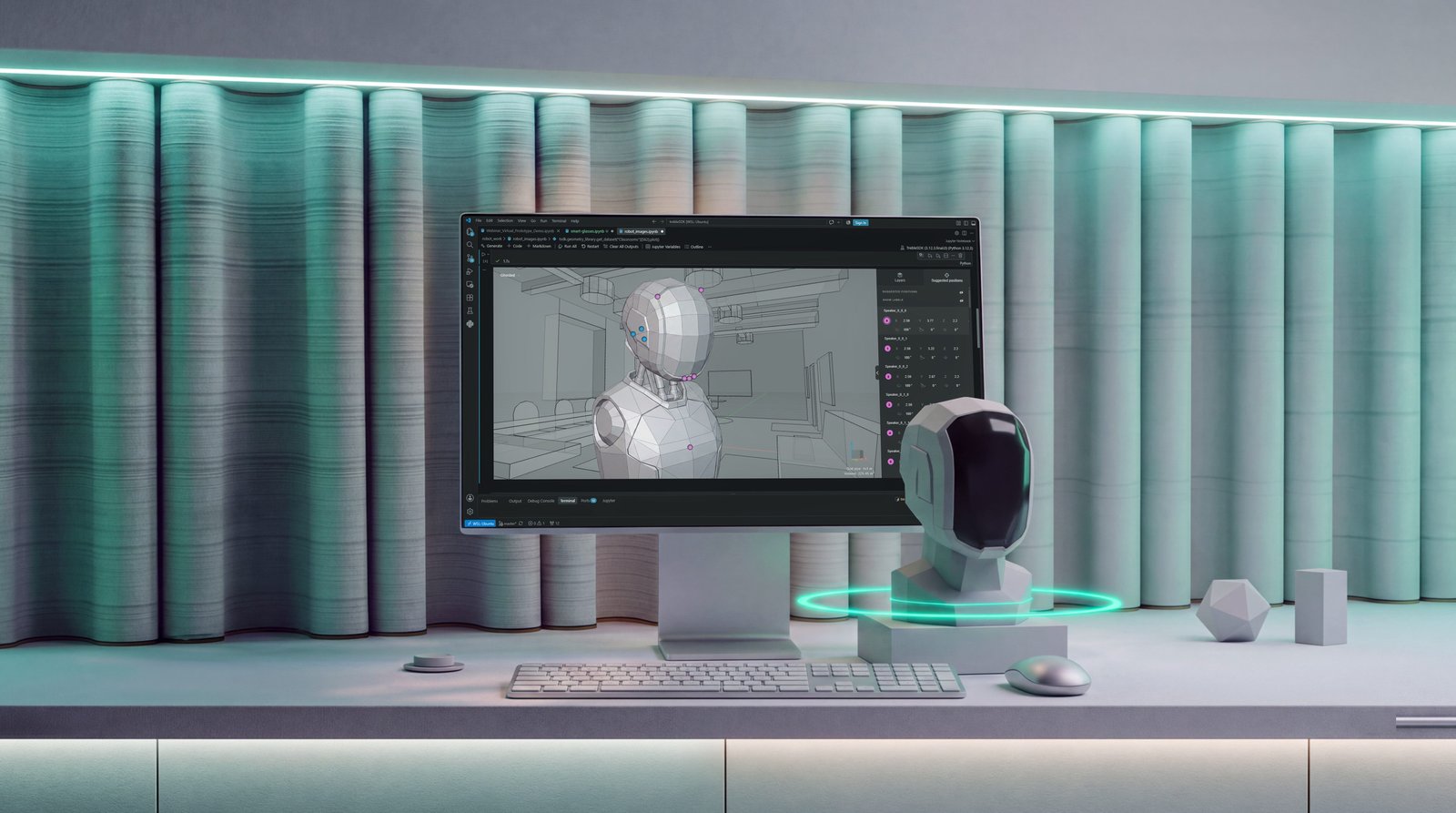
Treble’s voice simulation platform is used by voice AI model developers and AI wearable and robotics companies,
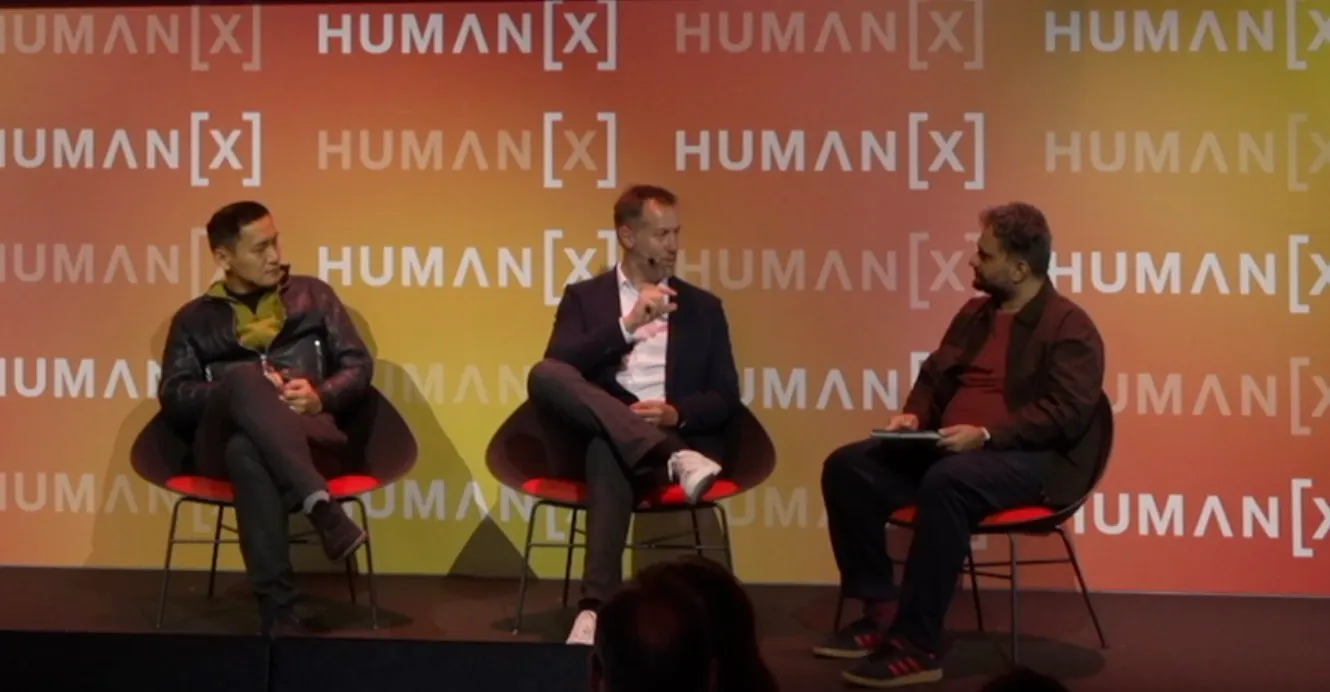
Voice AI often misses important points for its context layer, and causes the whole pipeline to break.

Modulate deploys its models to detect deepfake, fraud and scam
ElevenLabs v4 can clone voices with a 10 second clip
The $300 million employee tender was co-led by Wellington and T. Rowe Price.

The model, which lets enterprises build voice agents for sales and customer engagement, puts Mistral in direct competition with the likes of ElevenLabs, Deepgram, and OpenAI.

Relatively light at just 2 billion parameters, the model is meant for use with consumer-grade GPUs for those who want to self-host it. It currently supports 14 languages.
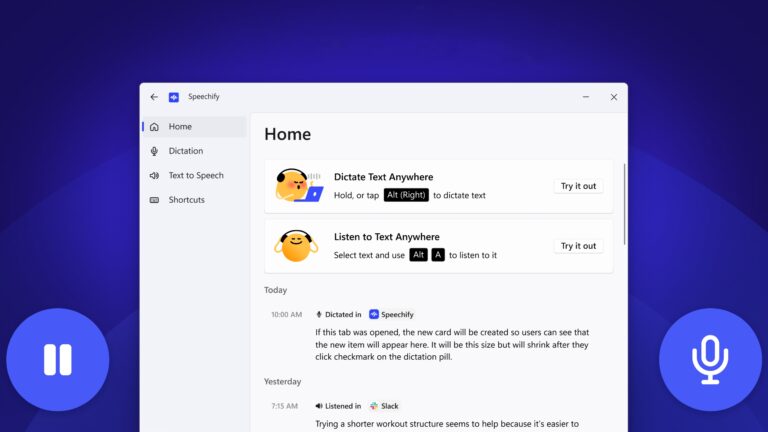
Speechify just launched a native Windows app that employs locally stored models to enable dictation and transcription across apps.

The Series B is the company’s second fundraise since it last raised capital in 2020. In that time, it has increased its ARR by 10x to $60 million.

Google’s new offline-first dictation app uses Gemma AI models to take on the apps like Wispr Flow.