TechCrunch Mobility: The hidden human cost of robotaxis
Welcome back to TechCrunch Mobility, your hub for the future of transportation and now, more than ever, the role AI is playing in it.

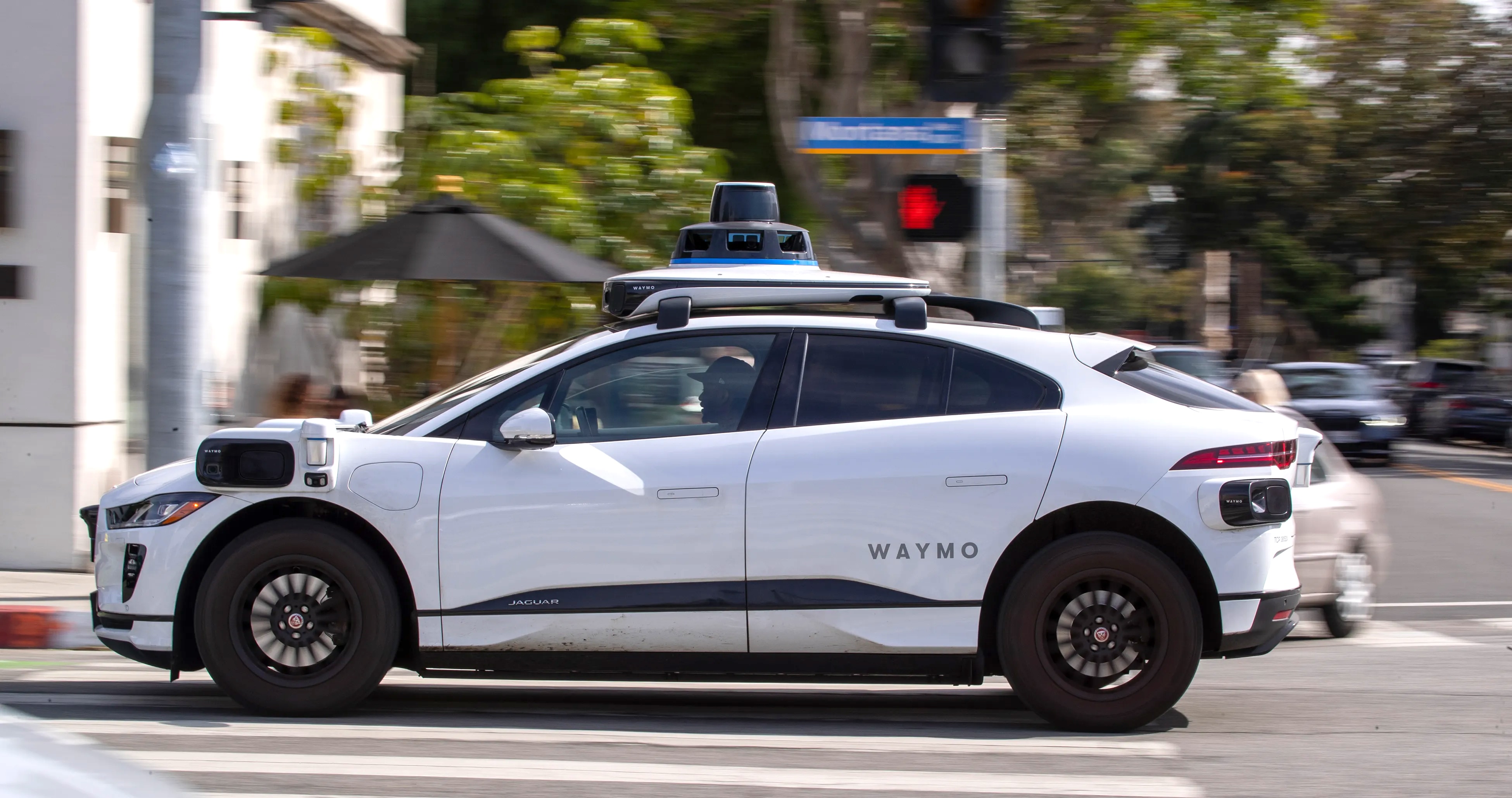
Welcome back to TechCrunch Mobility, your hub for the future of transportation and now, more than ever, the role AI is playing in it.
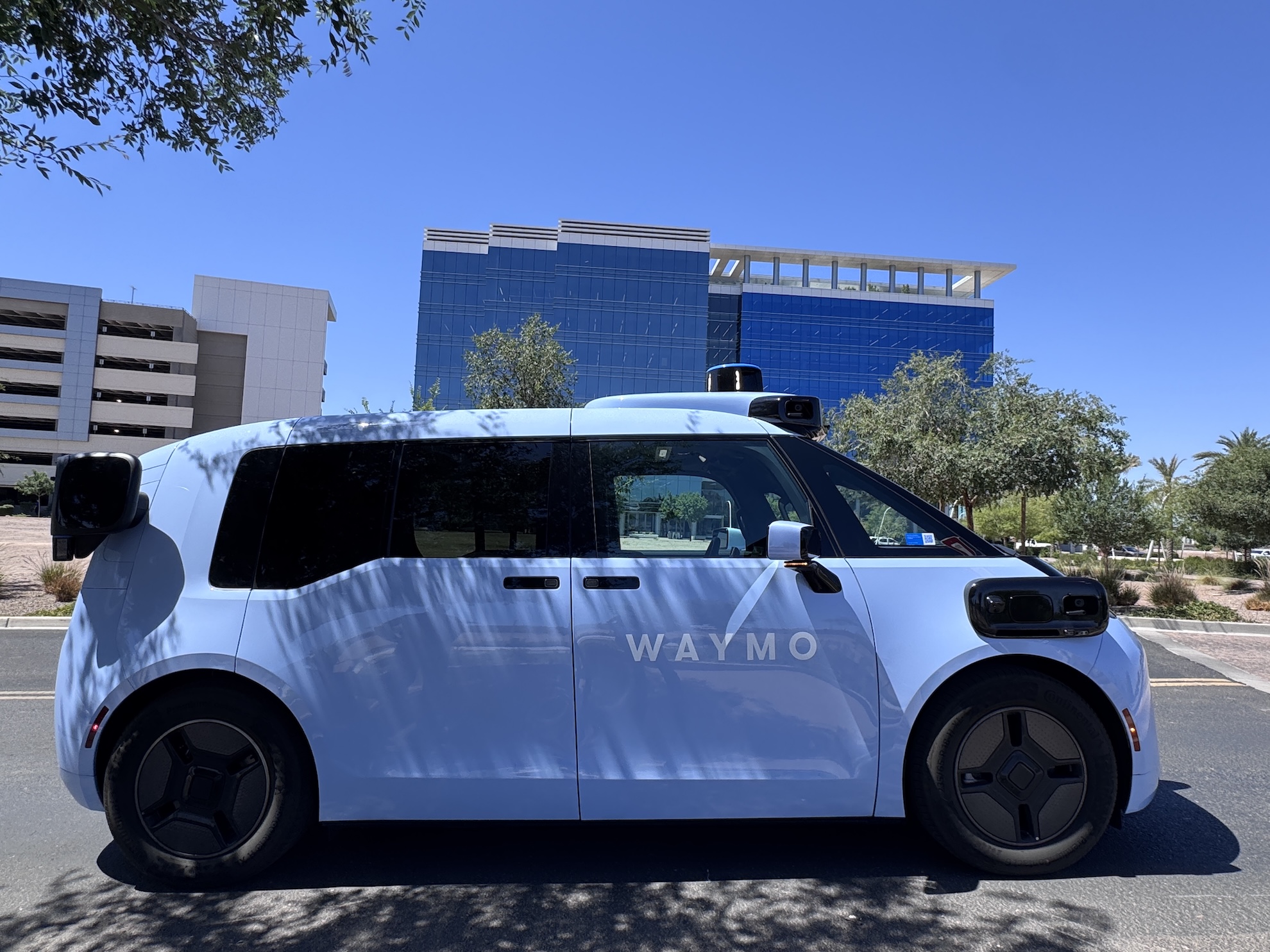
Waymo will begin inviting riders on a rolling basis and slowly ramp up access in the three cities, following its usual commercial playbook.
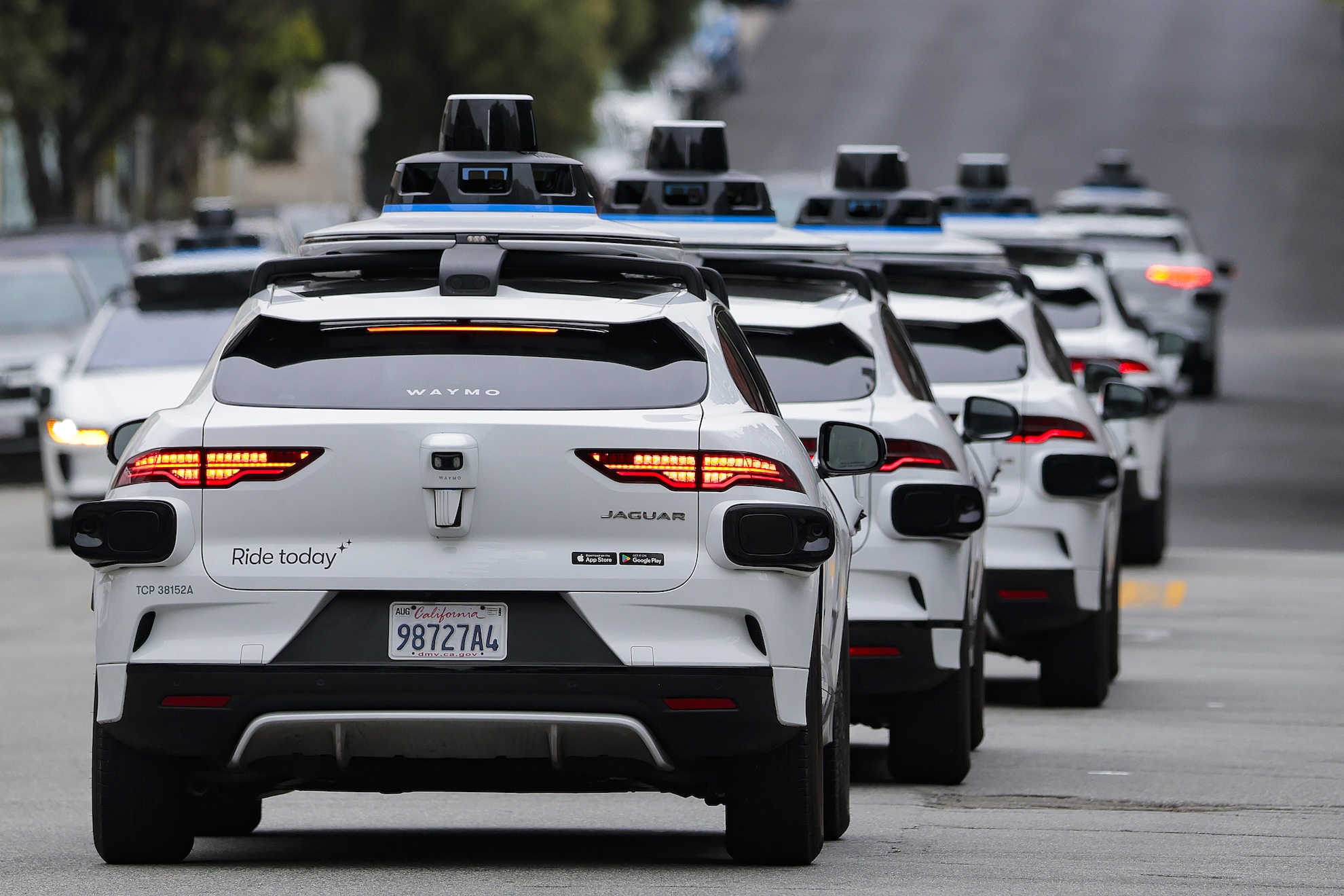
Waymo argued that fully autonomous vehicles aren’t possible without using a mix of sensors and warned that pure end-to-end AI systems aren’t safe enough.
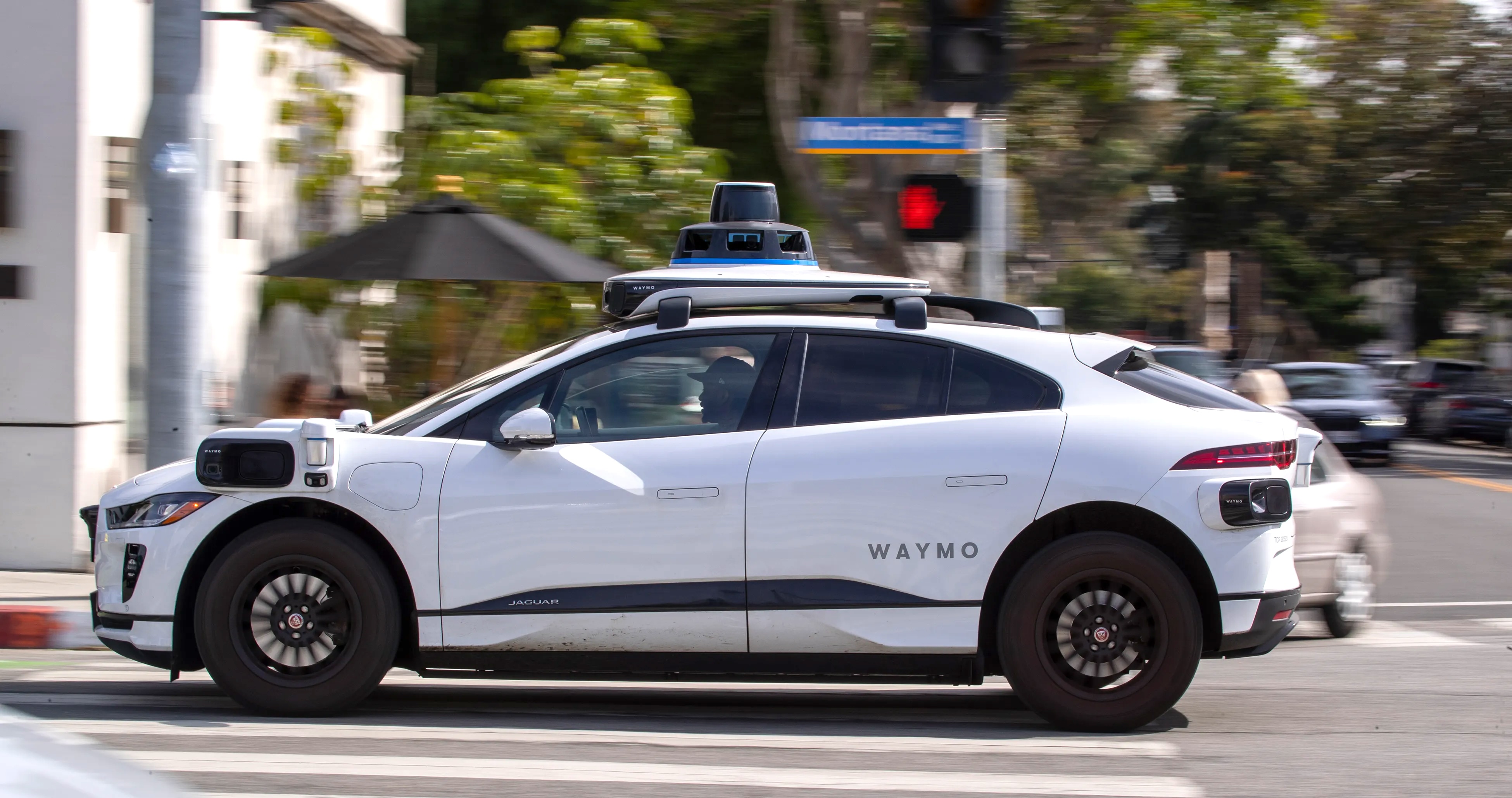
Test drivers for Waymo and Zoox sustained more than two dozen injuries in 2024 and 2025 from hard braking or other sudden movements made by the autonomous vehicles, according to a TechCrunch review of data submitted to OSHA.
Welcome back to TechCrunch Mobility — your central hub for news and insights on the future of transportation.
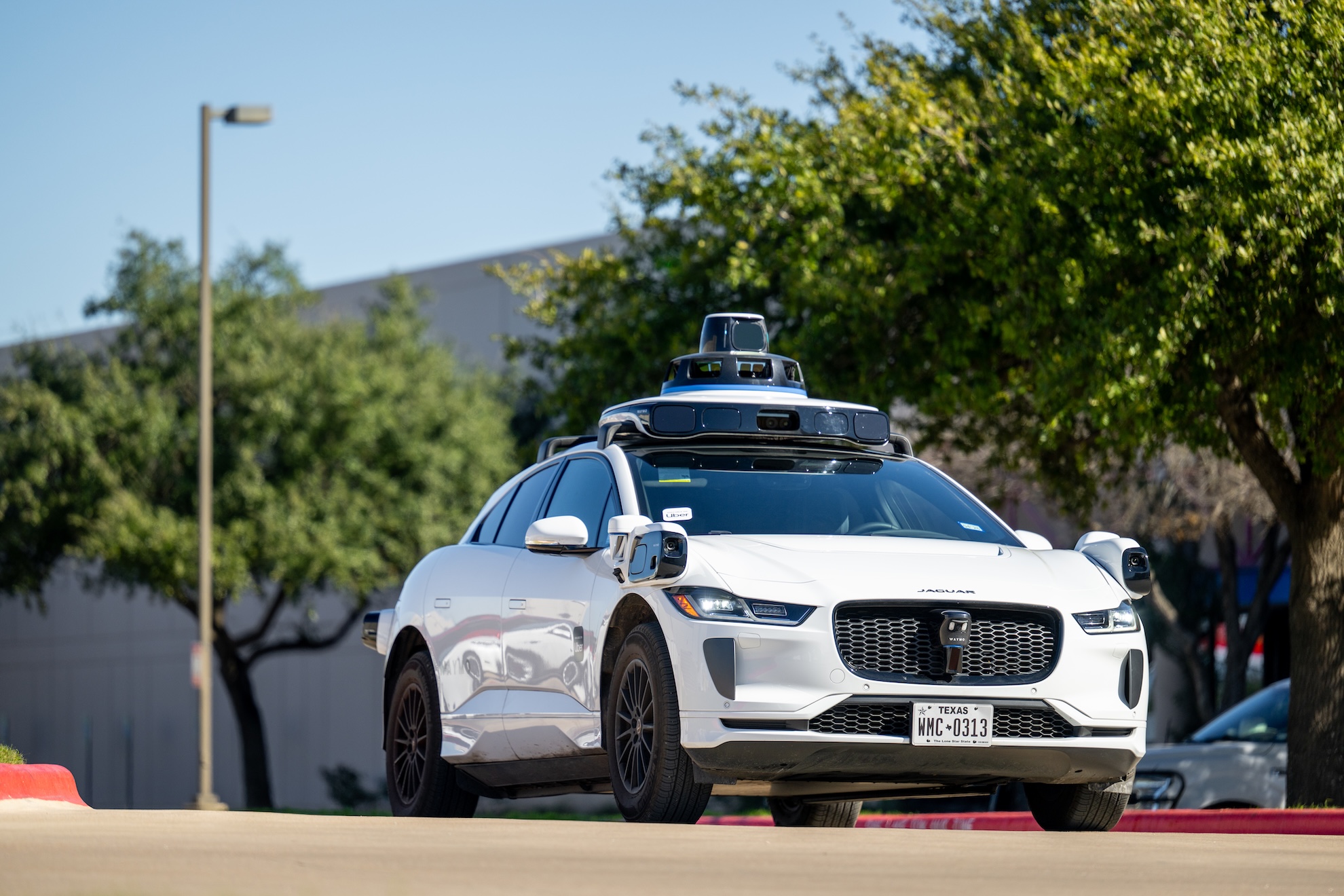
The responses to NHTSA’s questions so far are redacted entirely, citing “confidential business information.”
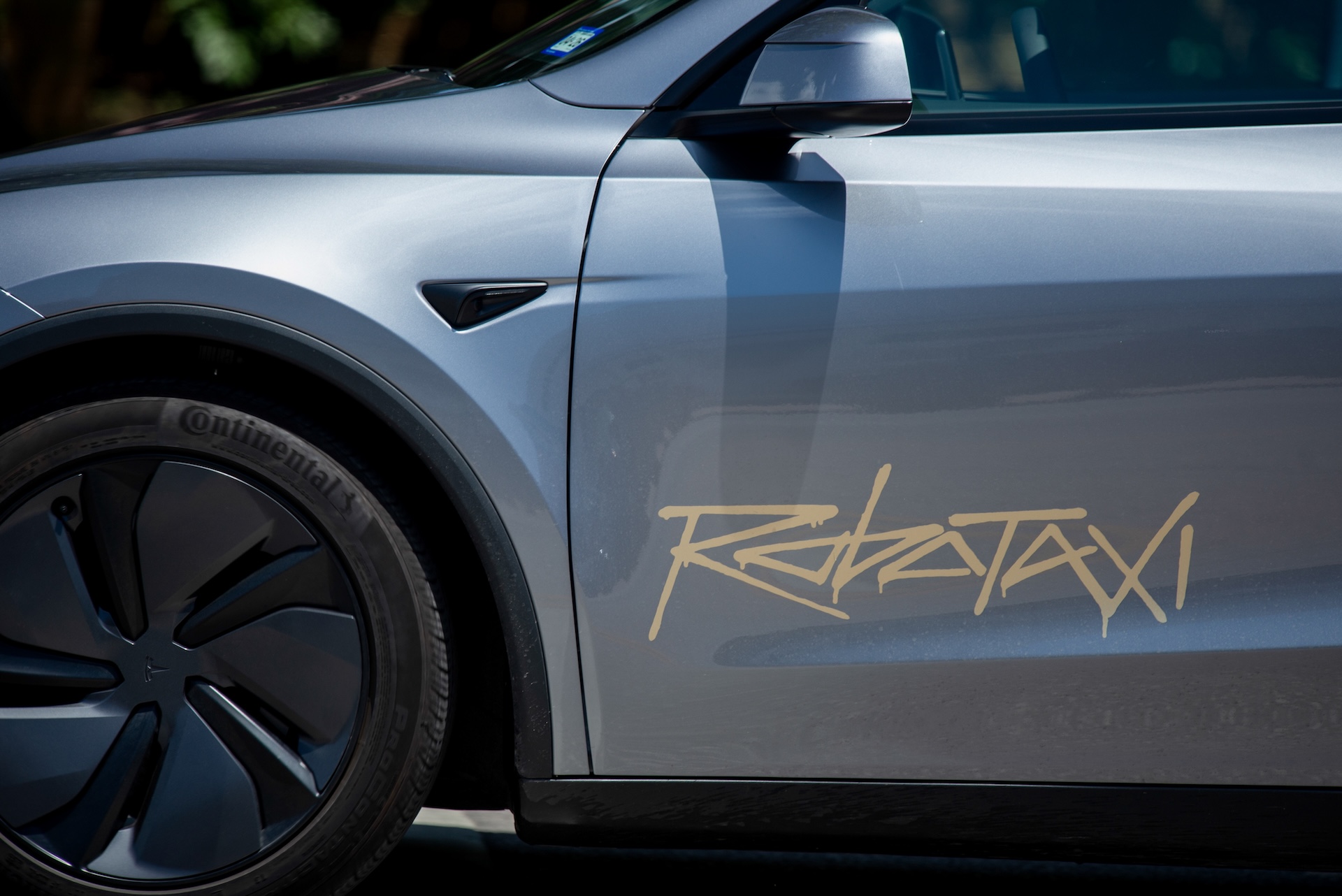
Together, these permits would allow up to 8,000 robotaxis to be deployed over the next 12 months.
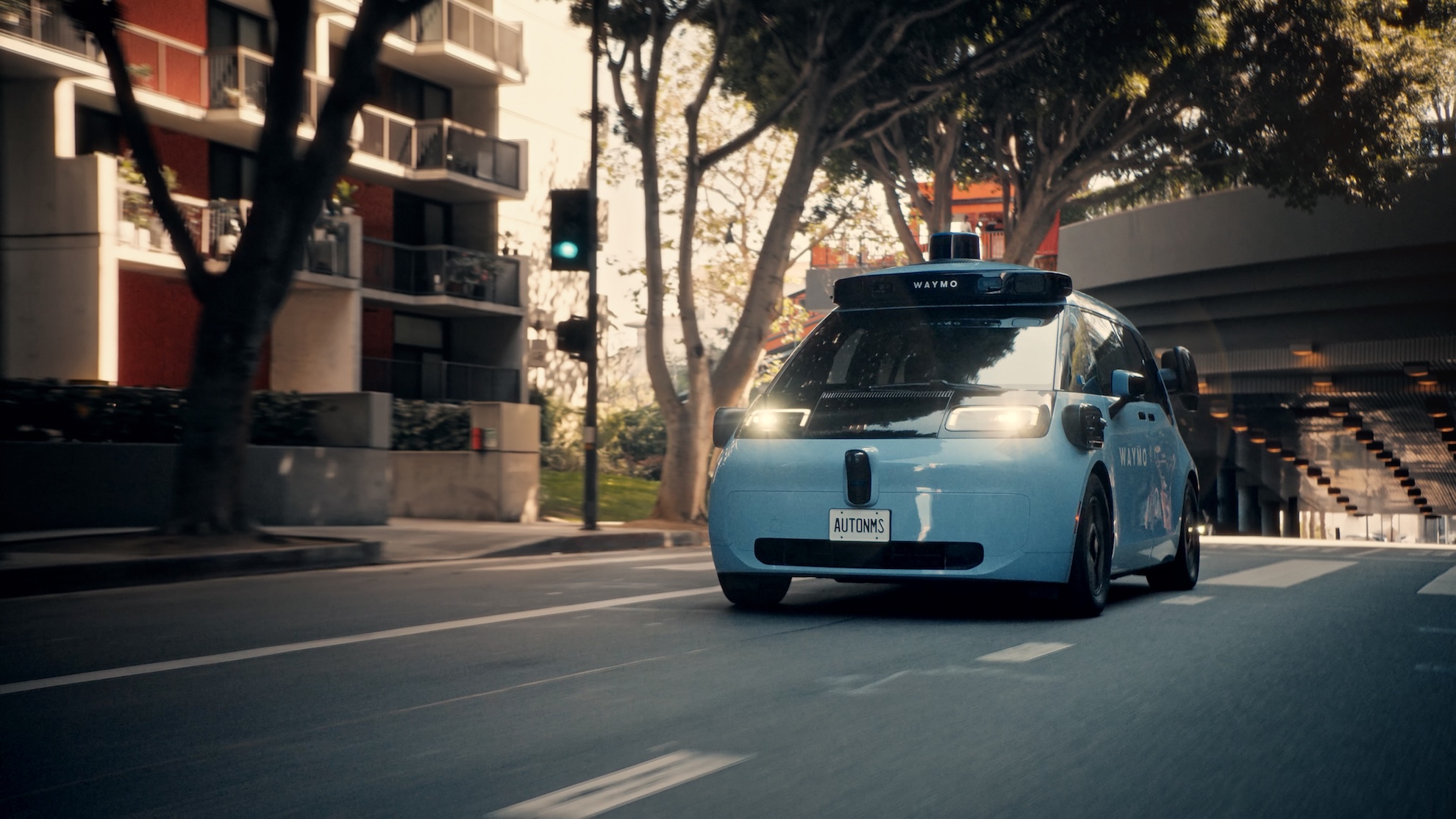
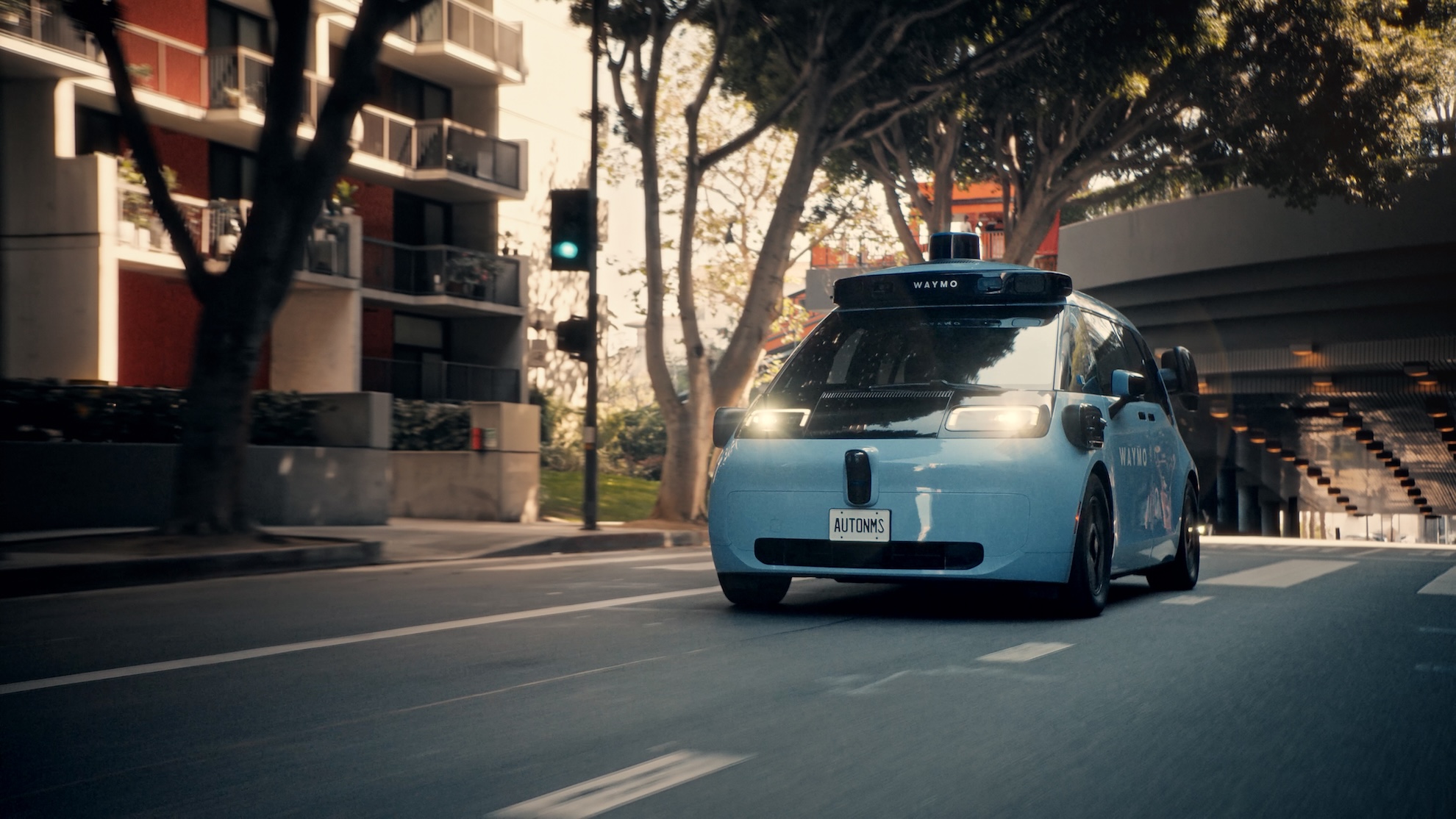
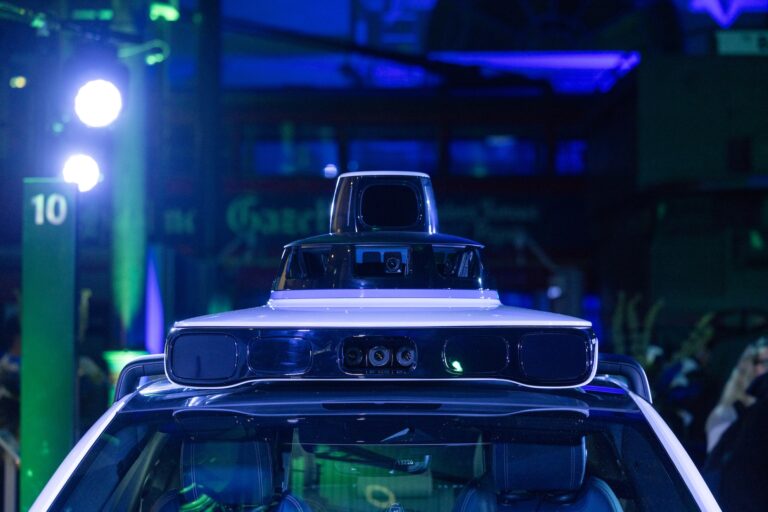
The next-generation robotaxi, called the Waymo Ojai, is central to the company’s push towards mass scale, and eventually, profitability.

First responders have had to take control of Waymo vehicles and move them during emergency situations, including in at least two active crime scenes, TechCrunch found.
Waymo’s weekly paid robotaxi trips have increased tenfold in less than two years.