Samsung Galaxy S27: All we know about the 2027 flagship phones — Explained
Galaxy S27: In summary
- Samsung’s next flagship range of phones is expected early in 2027
- There may be a fourth phone in the line-up, with the Pro finally appearing
- Samsung could bring back variable aperture to the camera
- The S27 Ultra’s main camera may get a big upgrade, but the 3x telephoto could be lost
- A bigger battery for the S27 Ultra now seems likely
- Big improvements possible for both Snapdragon and Exynos chipsets
- The S27 Ultra might use the Exynos chip after a last-minute change
- Magnetic Qi2 charging might finally be on the way, but only for some models
- Privacy Display could be available on all S27 phones
- An iPhone 17-style selfie camera might be on the cards
Even though the Samsung Galaxy S26 range hasn’t been around very long, the rumour mill is already ripe with what next year’s crop of phones might bring. If you’ve decided to skip the S26 line-up and are curious about upgrading to the Samsung Galaxy S27 series instead, here’s all you need to know.
As has been the case for several years, the Galaxy S26 range unfortunately represented another iterative update to Samsung’s flagship phones. They’re by no means bad devices, with the Galaxy S26 a great compact phone, and the S26 Ultra a leader in terms of productivity, but they aren’t all that different from the phones that immediately preceded them.
Our hope is that things will change with the S27 line, not least because Samsung has conceded plenty of ground to its competitors, with the likes of the Oppo Find X9 Pro now our favourite camera phone, while the OnePlus 15 has shown what can be done when bringing a massive battery and a 165Hz display into the mix.
There’s a lot riding on the Galaxy S27 range so, as more information comes in about these phones, we’ll be updating this page. By the time they’re officially announced, you should already have a decent idea of whether or not they’re worth considering.
Luke Baker
When will the Samsung Galaxy S27 be released?
In summary
- Expect a launch in early 2027, likely in February or March
- Samsung could revert to its old launch schedule
As the Samsung Galaxy S26 phones are still so new to the market, we don’t yet have a concrete or even rumoured release date for the Galaxy S27 range.
However, there is a debate over whether or not Samsung will return to its usual release schedule after a delayed S26 launch.
With previous generations, Samsung has typically shown off its new range of flagship phones in January, before releasing them for general sale the following month. The S26 range ended up bucking that trend with a 26 February reveal, ahead of an 11 March launch.
Hopefully we’ll get more of an idea of what Samsung has in store as we move further from the S26 launch, and we’ll update this section the moment anything changes.
For context, here are the release dates of previous Samsung Galaxy phones:
- Samsung Galaxy S26 – March 2026
- Samsung Galaxy S25 – February 2025
- Samsung Galaxy S24 – January 2024
- Samsung Galaxy S23 – February 2023
- Samsung Galaxy S22 – February 2022
- Samsung Galaxy S21 – January 2021

Luke Baker
How much will the Samsung Galaxy S27 cost?
In summary
- Expect a minimum price of £879/$899
- The new phones might be more expensive, but it’s unlikely
It’s too early to tell what the starting price of the Galaxy S27 range will be but for our money, we’d be surprised if the S27 didn’t start at £879/$899. The reason is that we’ve already seen a price increase across the board with the Galaxy S26 handsets.
In response to the global economic turbulence and the rising cost of memory, fuelled by the AI race, all three of the Galaxy S26 devices launched at a higher price than their predecessors.
As an example, the standard S26 costs £80/$100 more than the S25, although that does come with a move to 256GB as starting storage, as brands move away from 128GB models. It’s not ideal, particularly when most folks don’t exactly have increased spending power to accommodate for those price rises. According to the most recent industry news however, it seems like another set of higher prices might be out of Samsung’s hands.
Supposedly Qualcomm has already reached out to its key customers informing them that its chip prices will rise by a double-digit figure from 1 September 2026 onwards. There’s every chance of course that Samsung will simply do what it can to absorb those added expenses for at least a year to avoid passing that on to customers for two years in a row, but it’s unlikely.
Here’s the starting price for previous Samsung Galaxy handsets:
- Samsung Galaxy S26 – £879/$899
- Samsung Galaxy S25 – £799/$799
- Samsung Galaxy S24 – £799/$799
- Samsung Galaxy S23 – £769/$799
- Samsung Galaxy S22 – £769/$799
- Samsung Galaxy S21 – £769/$799

Luke Baker
Source: Bloomberg
What specs and features will the Samsung Galaxy S27 have?
In summary
- A Galaxy S27 Pro could be on the horizon
- Big overhauls to the Galaxy S27 Ultra’s camera set-up
- The new Exynos 2700 chipset promises even better performance and could be used for the S27 Ultra in some terriroties
- The all-new Snapdragon 8 Elite Gen 6 Pro could vastly improve gaming
- Samsung might redesign the camera module for magnetic Qi2 charging
- Battery gains for the S27 Ultra and S27 Pro
- Privacy Display might be available on every S27 phone
- A shift to using UFS 5.0 storage could result in huge performance gains
Time to go Pro
One of the biggest rumours of the Galaxy S26 range that came to nought was a supposed rebranding of Samsung’s entry-level flagship. At one stage, it seemed that Samsung would ditch the S26 entirely, in favour of a Galaxy S26 Pro. We knew well in advance of the eventual Samsung Unpacked event that the phone had been scrapped, but it now appears that Samsung is looking to revisit the idea, albeit with a new approach.
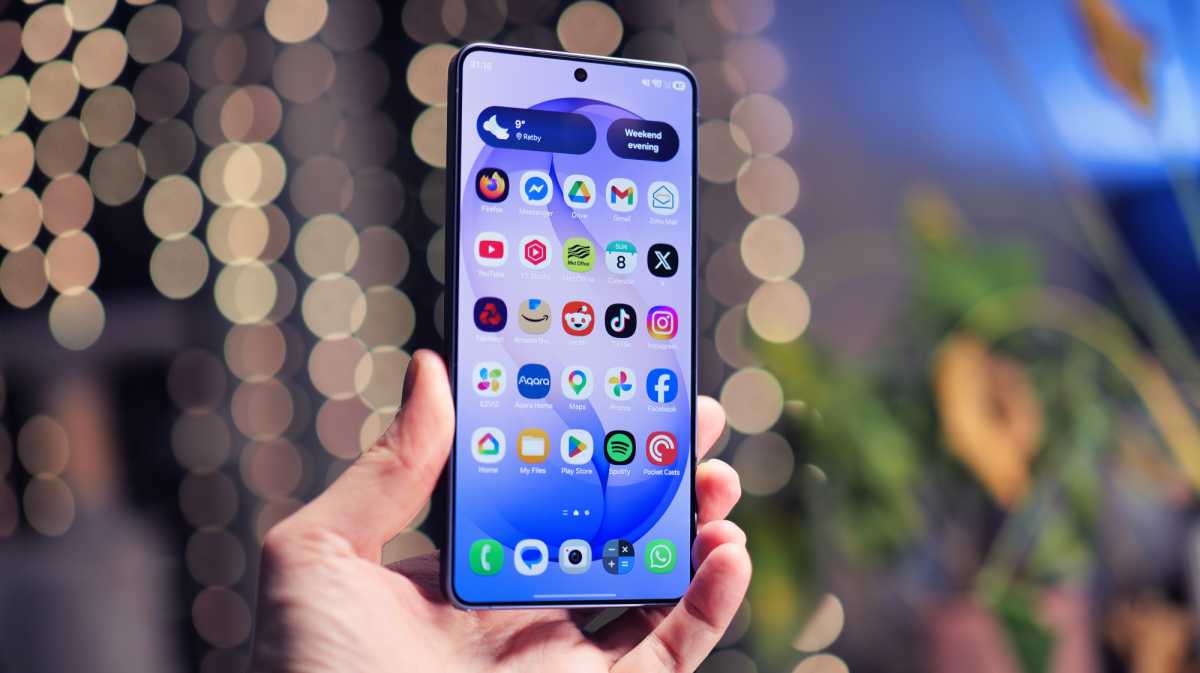
Evidence is now mounting that a Samsung Galaxy S27 Pro will be added as a fourth phone to the 2027 line-up. These rumours are now accompanied by a handful of specs that paint an idea of what could be in store with this new model. Amongst the specs listed is a 6.47-inch AMOLED display, which would sit nicely between the anticipated 6.3-inch size of the S27 and the 6.7-inch S27+.
Luke Baker
Initially it seemed as though the S27 Pro might serve as a more compact and affordable version of the S27 Ultra, notably doing away with the S Pen and compatibility for Samsung’s stylus in order to keep the cost down. Thanks to more recent rumours however, that framing of the S27 Pro might be in jeopardy as the phone might be subject to using the upcoming Exynos 2700 chipset in certain territories, and the Snapdragon 8 Elite Gen 6 in others.
This dance between Samsung’s own-brand chips and those made by Qualcomm won’t be unfamiliar to long-time Samsung fans as it’s plagued the standard Galaxy S and S+ phones for years, but it’s not something that the Ultra handsets have ever had to worry about – always siding with Qualcomm.
Even though the most recent Exynos 2600 processor did help to close the gap a fair bit, Snapdragon chips have always been more capable, so to have any type of compromise on a phone that is supposed to mimic the Ultra range feels like a moot point.
Sources: ETNews | Sam Mobile
A design overhaul could finally pave the way for Qi2 magnetic charging
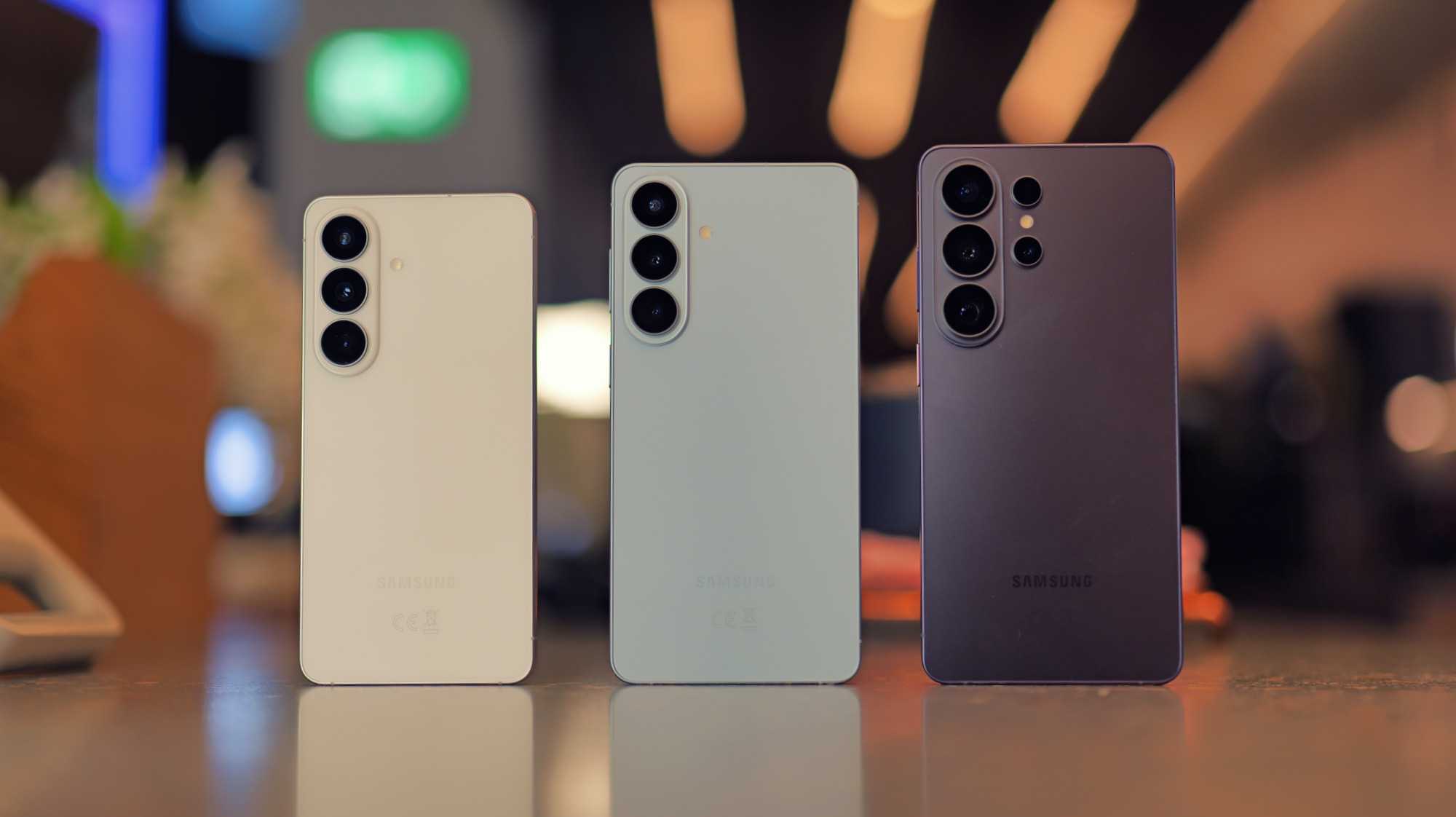
Even though an official reveal of the Galaxy S27 range is still reasonably far down the line, we already have an idea as to what these phones will look like thanks to a handful of renders that have now surfaced, with all signs pointing towards Samsung ditching its tried-and-tested look (for the most part).
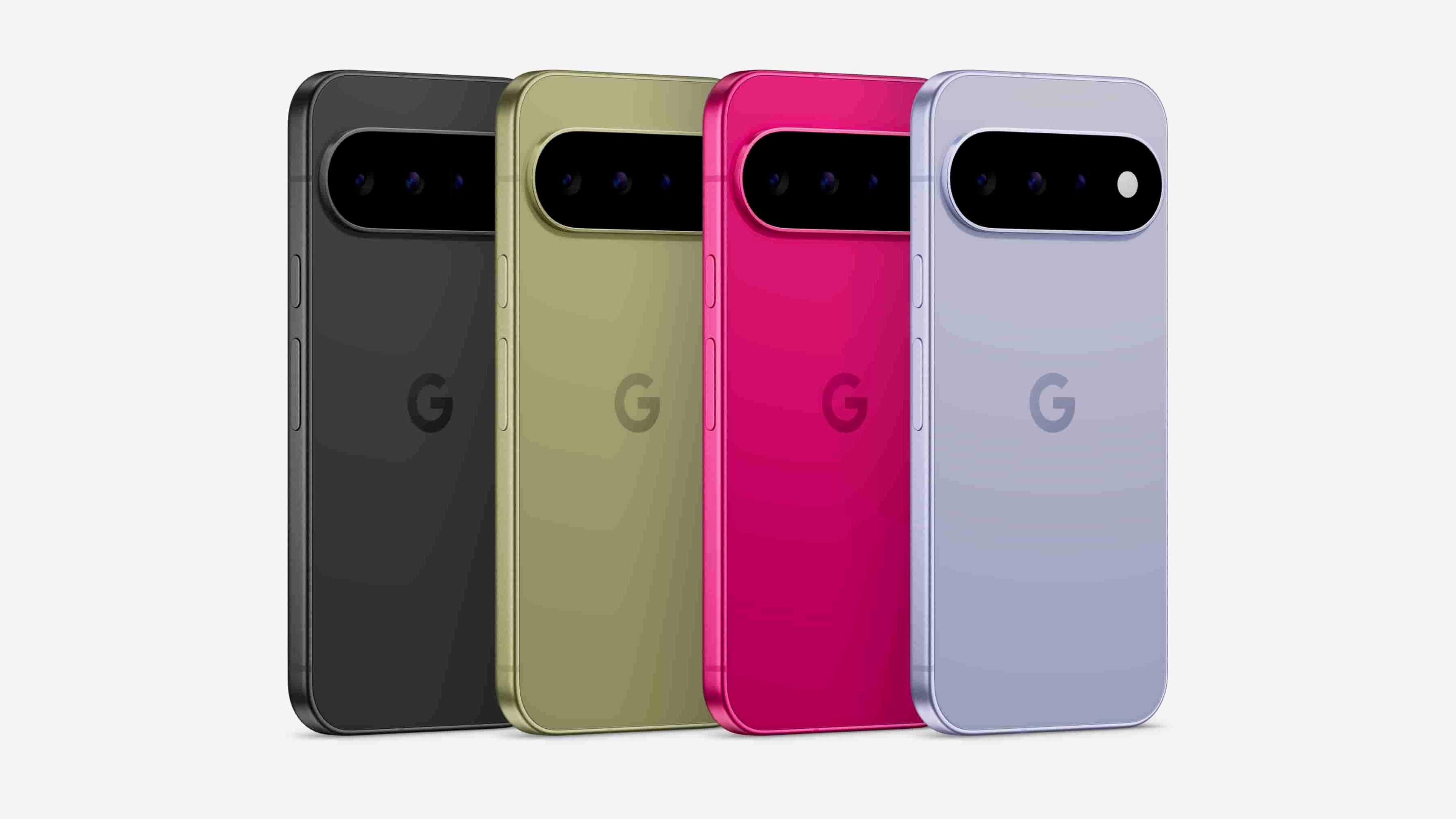
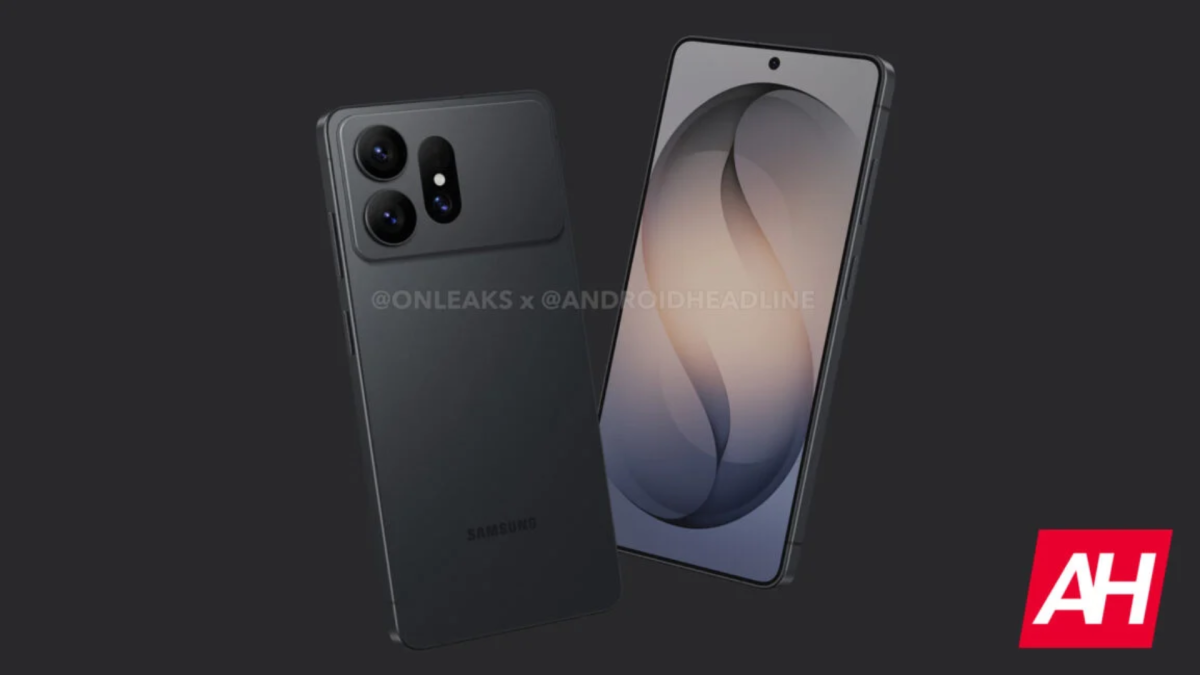
The biggest change will be afforded to the Galaxy S27 Ultra which will supposedly feature a more horizontal camera bump. What’s interesting is that, while earlier leaks suggested a Pixel 11-style visor on the back, these recent renders suggest that the Galaxy S27 Ultra will look a lot more like the Honor 600 Pro, even down to the shape of the cameras.
Credit: Android Headlines, OnLeaks
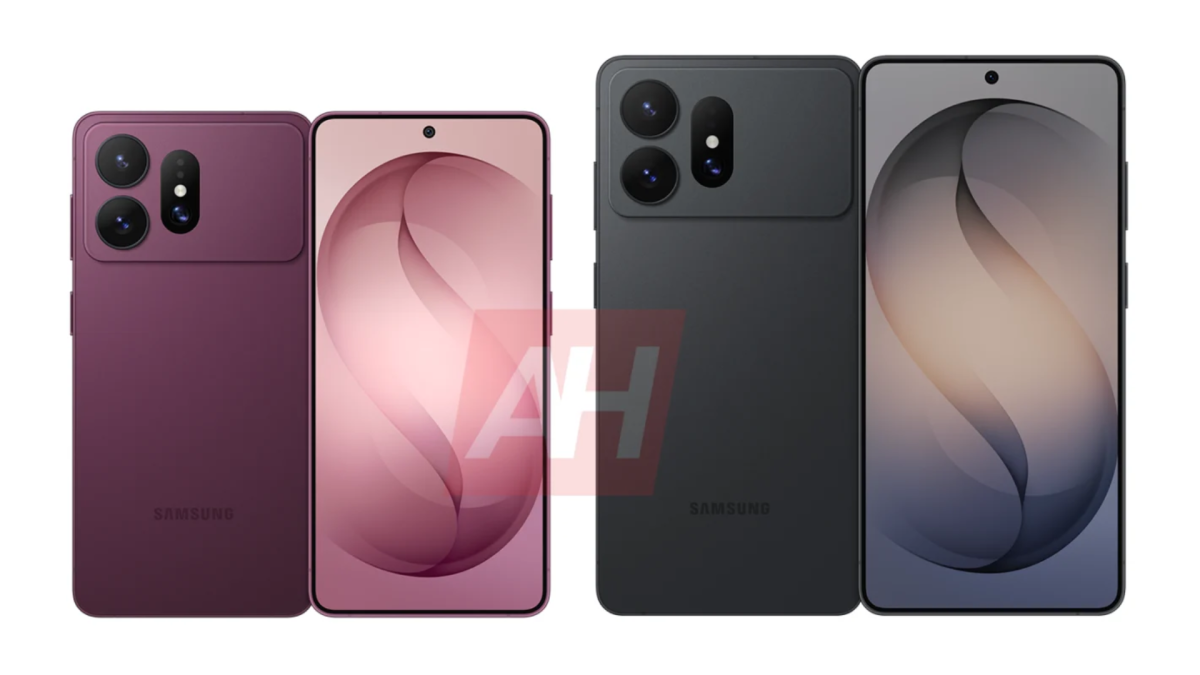
Because it’s supposedly being designed as a slightly more affordable yet still premium handset, the S27 Pro follows suit with a very similar look. The only key difference as you can see from the comparison render is that the Pro is a fair bit smaller, owing to its suspected 6.6-inch display.
The Pro will be a bit slimmer in the hand too, with the dimensions coming in at 154.06 x 73.77 x 7.95mm, while the S27 Ultra is set at 163.76 x 78.25 x 7.97mm. The assumed reason for why this design change is taking place is so that Samsung can finally implement Qi2 magnetic charging, something which has long been a sticking point for fans.
Credit: Android Headlines, OnLeaks
After Google finally adopted the medium via Pixelsnap in its Pixel 10 range, the hope was that Samsung would follow suit in the S26 phones but, as we now know thanks to an exclusive discussion with Samsung’s Smartphone Specialist Product Manager, Kadesh Beckford, the company has been content with just letting people embrace magnetic charging by adding a case into the mix.
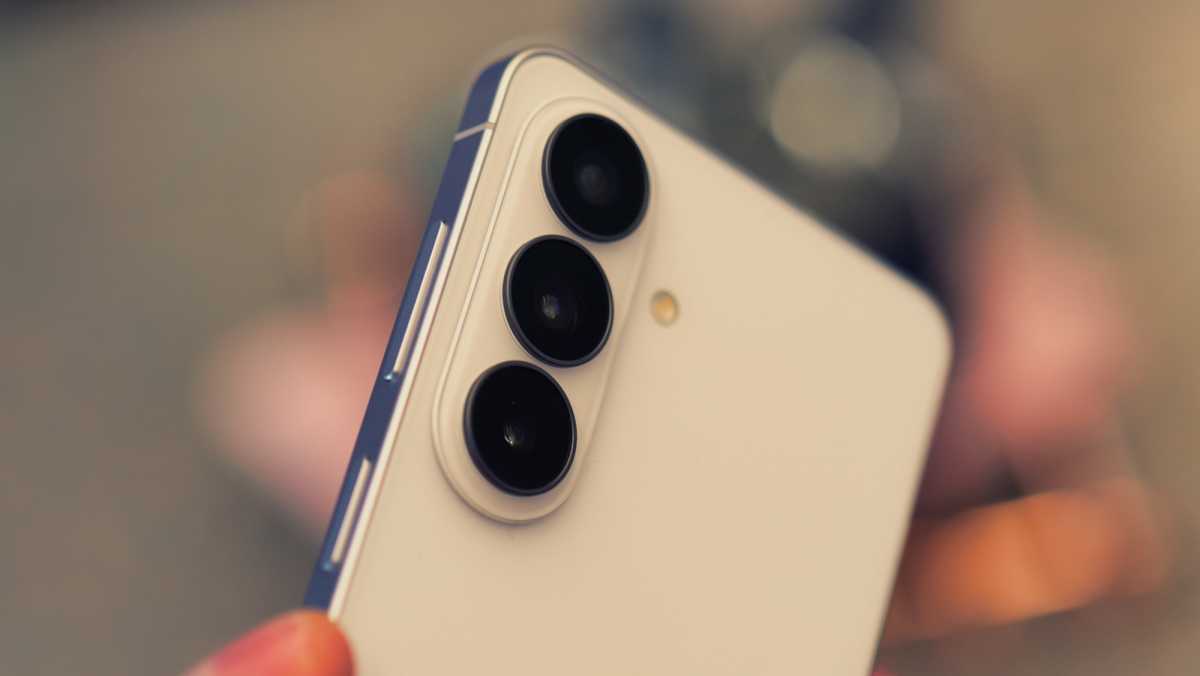
The problem, however, as any Samsung fan already knows, is that the vertical camera placement on the current phones means that even with a case in tow, a lot of magnetic accessories end up covering some of the lenses.
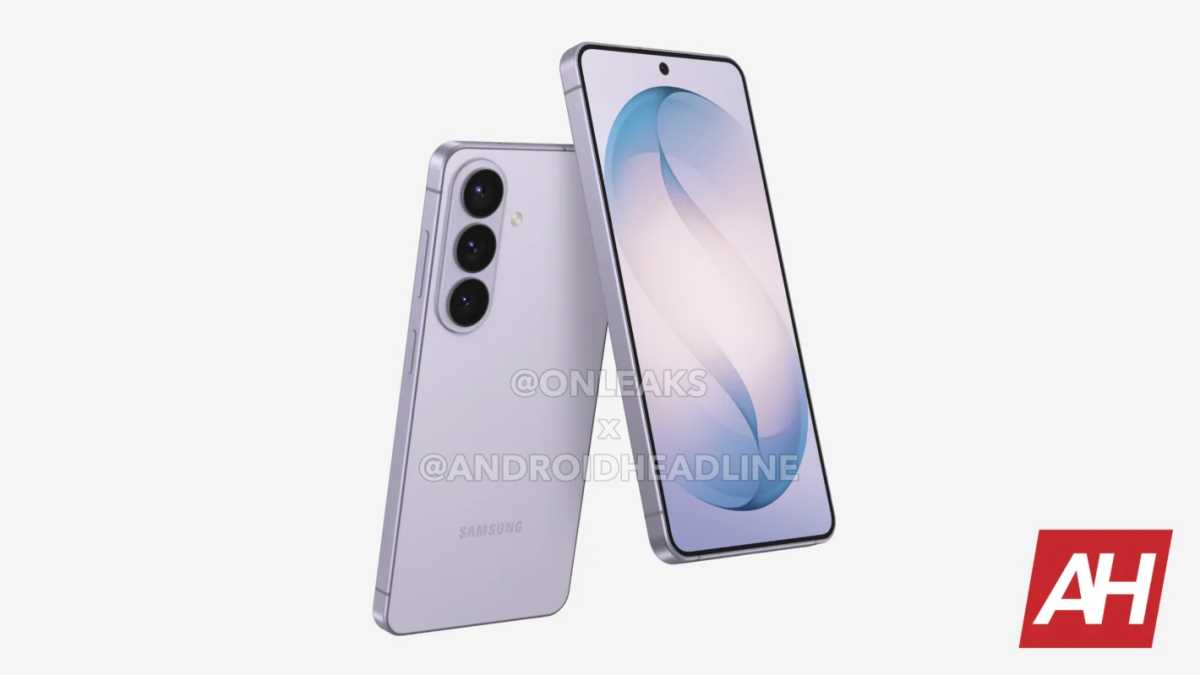
Bringing this added bit of convenience to the S27 phones will be a huge win, particularly as it’s something that Apple fans have enjoyed ever since the iPhone 12. Unfortunately, a surfaced render for the standard Galaxy S27 suggests that magnetic charging might be something you’ll have to add with a case like normal and the same could well be true for the S27+.
Android Headlines
The S27 renders show a phone that looks almost identical to the standard S26, with a vertical camera bump that would come with all of the same problems we’ve just mentioned. Our hope is that Samsung does find a way to bring magnetic charging to all models in the S27 range, but it’s looking unlikely.
Sources: SammyGuru | Android Headlines (2) (3)
Brace for fewer cameras but a revised telephoto approach
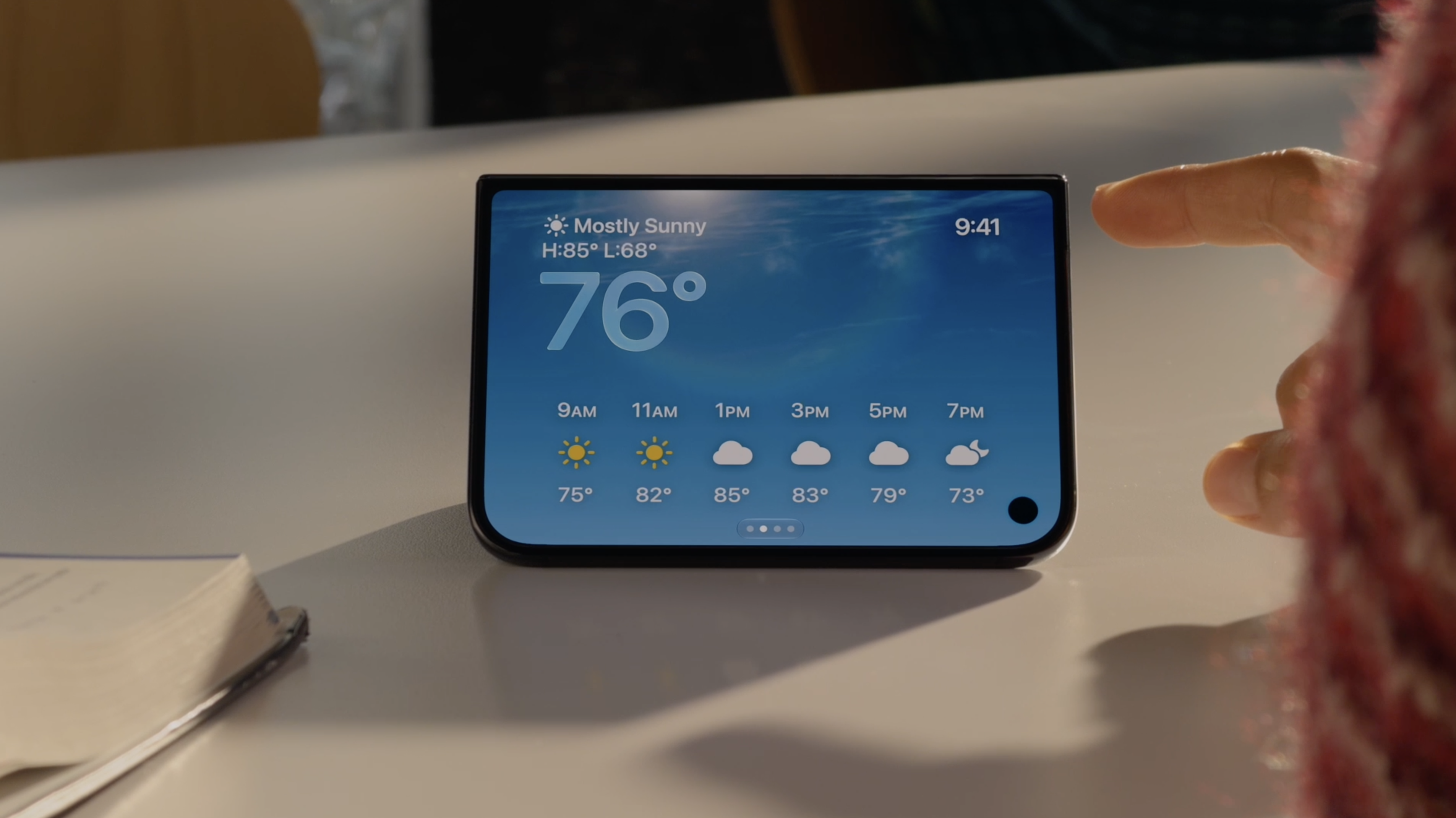
One of the first bits of information we had about the Galaxy S27 Ultra was that the phone would bring back variable aperture, something which was last seen on the Samsung Galaxy S10. This wasn’t entirely without reason as, just like how the Galaxy Z Fold 8 has seemingly beaten the iPhone Ultra to the punch in having a passport-sized foldable on the market, it appeared that Samsung was trying to ape the iPhone 18 Pro which is reported to have the same feature.
In the time since however, it now seems as if Samsung has abandoned the idea as a result of inflated costs for components amidst the ongoing RAM crisis, which also led to price hikes across all phones in the Galaxy S26 range.

Luke Baker
This cost-cutting approach will also extend to the Galaxy S27 Ultra having one less camera on the back compared to its predecessor, likely doing away with the 10Mp 3x telephoto which always felt like a bit of a lame duck anyway. While we don’t yet know what Samsung plans to do with the remaining cameras on the S27 Ultra, other than maybe having a revised 200Mp main sensor, there is a clue in the Galaxy S27 Pro.
Rumour has it that the telephoto lens on the S27 Pro will be a 12Mp 3x model, so a bit better than the 3x one currently on the S26 Ultra, but not quite at the same level as the Ultra’s 50Mp 5x sensor. If getting a better telephoto lens is part of the upgrade path to make someone consider the S27 Ultra over the Pro then it makse sense for Samsung to try and update that sensor in some fashion.
Sources: ETNews (2) (3) | Digital Chat Station | Smart Pikachu | Ice Universe | Galaxy Club
Major leaps forward for both Snapdragon and Exynos
The dance between Exynos and Snapdragon chipsets is now expected whenever a new range of Samsung flagships appear, as the former typically powers the cheapest phone of the bunch (and its plus-sized sibling), while the latter is saved for the Ultra phone (unless you live in the US, where Snapdragon exists in all three handsets). Even though that dance is set to continue in the S27 range, it now seems there will be some serious upgrades in both types of chips.
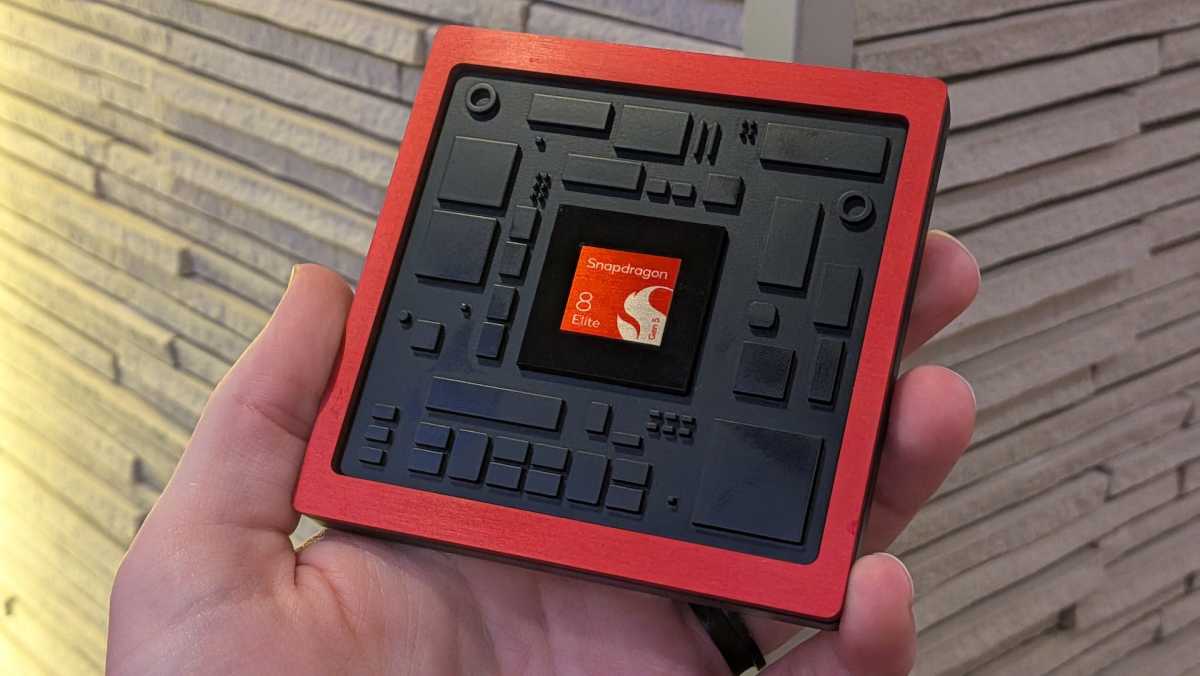
On the Snapdragon side of things, even though Qualcomm is working on the expected Snapdragon 8 Elite Gen 6 processor, there’s word that the company is also developing a more powerful ‘pro’ version designed for uber-flagship phones. Likely titled the Snapdragon 8 Elite Gen 6 Pro, this beefier chip appears to be using vastly superior LPDDR6 RAM, alongside a larger 18MB cache for the GPU. Behind all the jargon, this should pave the way for much better sustained gaming performance, which will then trickle down into a much faster user experience across the board.
Chris Martin / Foundry
On the Exynos side of things, Samsung may be looking to bolster performance yet again by using side-by-side (SBS) architecture, which has the RAM and SoC laid out next to one another. The current Exynos 2600 uses a stacked design which isn’t ideal for heat dissipation, something that would be much better optimised by going down the SBS route.
It’s worth mentioning that the Exynos 2600 is as competent an Exynos chip as we’ve ever tested, with the overall performance putting it far more in line with the Snapdragon 8 Elite Gen 5, although still a touch behind in some areas. If this attempt to optimise the thermal regulation of the Exynos 2700 is successful, it could close the gap even further for the S27 and S27+.
What’s interesting is that, while initial reports had it set that the S27 Ultra would be using the Snapdragon 8 Elite Gen 6 Pro, a more recent rumour now suggests that Samsung could be about to do the unthinkable in breaking with tradition and loading up the phone with the Exynos 2700 in some territories.
This development comes after supposed benchmarks for the Exynos chip, which have impressed the folks at Samsung. For context, the last time we saw this approach was all the way back on the Samsung Galaxy S22 Ultra. Since then, it has been standard practice for the Ultra phones to have a Snapdragon chip in all territories. If Samsung is seriously considering a switch, particularly at such a late stage in development, then it may speak volumes about what the Exynos 2700 chip is capable of.
Overall performance could also get a boost from Samsung moving over to using UFS 5.0 storage – the brand’s new standard which promises much faster read speeds of up to 10.8Gbps alongside write speeds of up to 9.5Gbps. For context, that’s over double the current speeds of the existing UFS 4.1 storage framework.
According to Samsung, this should come with a 40% boost to power efficiency, which in everyday terms should make the S27 range far more efficient at opening apps and running complex tasks, all while minimising the effect on battery life. If Samsung doesn’t change the battery capacity on these phones then the storage upgrade might be leaned on as a means of helping users to get more out of the handsets between charges.
Sources: SamMobile (2) | Digital Chat Station | Money Today
A much-needed bigger battery
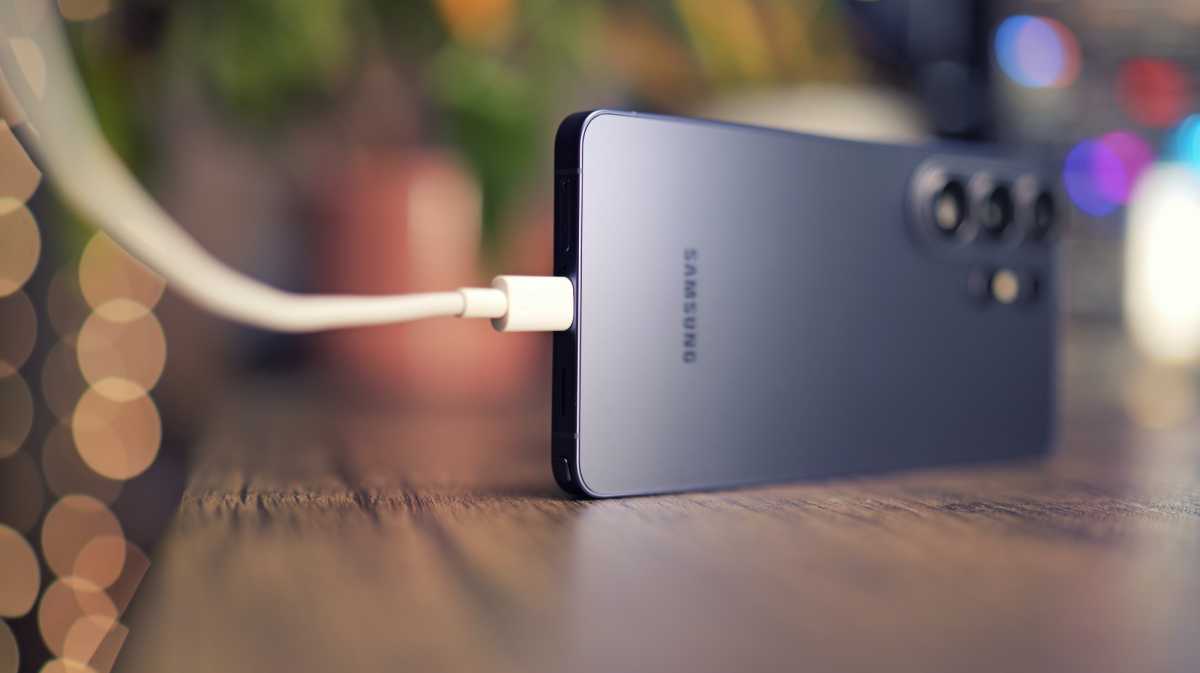
One of the biggest problems plaguing Samsung is that it has left the rest of the industry run away completely when it comes to battery sizes. The Galaxy Ultra phones have held on to the same 5000mAh battery for several generations now, while the Oppo Find X9 Pro carries a massive 7500mAh alternative that can genuinely go for several days at a time.
Well, after giving up quite a bit of ground to the competition, Samsung appears ready to finally dish out the battery upgrades that we’ve been waiting for. Word has it that the Galaxy S27 Ultra will carry a much larger 5700/5800mAh battery, while the more compact Galaxy S27 Pro is set to beat the current S26 Ultra with a 5200mAh cell.
Luke Baker
While those numbers might seem small against those being touted by the likes of Oppo and Xiaomi, Samsung does have a decent track record of optimising its phones to make the most of what’s onboard, so here’s hoping that those larger cells do lead to some tangible upgrades.
Funnily enough, it seems as though Samsung was at one point looking to up its game in the battery department for the S27 Ultra and go head-to-head against those premium phones with a 7000mAh cell under the hood, but apparently such a thing could only be achieved by removing the S Pen, something that Samsung, in the end, did not approve of.
Given that Samsung’s upgrades have been so incremental in recent history, the S Pen at least provides the brand’s Ultra phones with something that its competitors simply don’t have, which is a rare thing in the current market.
Unfortunately, for all the talk about the S27 Ultra’s battery, it seems like the S27 and the S27+ might get overlooked in the proceedings. The current word on the street is that both of these phones will carry the same charging speeds as their predecessors, and in the case of the S26 which tapped out at 25W, that’s pretty laughable in 2026, let alone 2027.
We’ve got phones like the Honor Magic 8 Pro which can charge at a whopping 100W with the right adapter in tow. Even more affordable phones like the Nothing Phone (4a) Pro have the S26 beat with a slick 50W charging speed which is respectable for a mid-range device.
Of course, we don’t yet know if Samsung plans to upgrade the actual size of the batteries in the S27 and S27+, but if the company’s approach to charging is anything to go by, we wouldn’t recommend getting your hopes up.
Sources: Phone Futurist | Ice Universe
Privacy Display for all
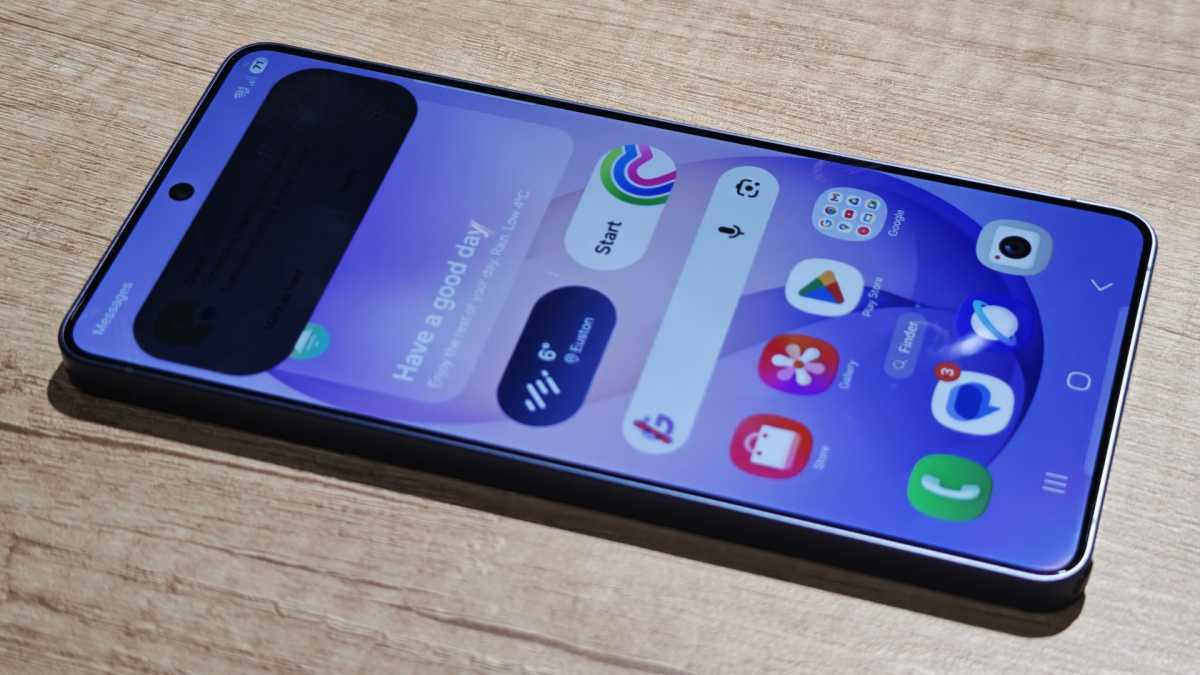
One of the biggest additions to the Galaxy S26 Ultra was the security-driven Privacy Display, which could block out portions of the screen to the point where they’re completely unreadable to anyone looking from over your shoulder, but to you, everything would look normal.
It’s a great bit of tech and one that’s helpful for responding to sensitive emails or when checking your banking apps on the go, but being locked to the Ultra phone meant that the feature came at a premium. Well, not anymore, it seems.
If the latest word on the street rings true then the Privacy Display could be headed to every single phone within the Galaxy S27 line-up.
Chris Martin / Foundry
This means that you’ll be able to pick up the standard Galaxy S27 and enjoy that same feature which would have once cost you a lot more to access. Given that the regular Galaxy S26 needed a few more upgrades like this to really justify its existence, Privacy Display should give the S27 just what it needs to tempt people into upgrading.
Selfies are about to get a lot better
One of the big upgrades that Apple introduced to its iPhone 17 range was a much improved selfie camera that’s capable of shooting both vertical and landscape shots without you ever having to turn the phone in your hand. It’s a great bit of tech and it seems that Samsung doesn’t want to give Apple too much of a lead here as the S27 phones might carry an all-new 16Mp front-facing camera.
At this point in time, the rumours only suggest that the upgraded selfie cam has been spotted on the S27 Ultra and the S27 Pro, but given how closely Samsung tends to follow Apple’s strategy, we would be surprised if the brand didn’t bring it down to users of the S27 and the S27+ as well.
Source: GalaxyClub
One UI could pinch a big design feature from Apple
No, that’s not a typo. Even though One UI 9 has yet to hit the scene, one user has managed to nudge their way into a very early build of One UI 9.5, showing a handful of features that could be making their way to the S27 phones at launch or in a future update.
One of the features highlighted is the ability to lock certain apps so that they can only be opened with another round of biometric scanning, or by inputting a password. This is ideal for banking apps and note-taking services – anything that you wouldn’t want to fall under the view of prying eyes.
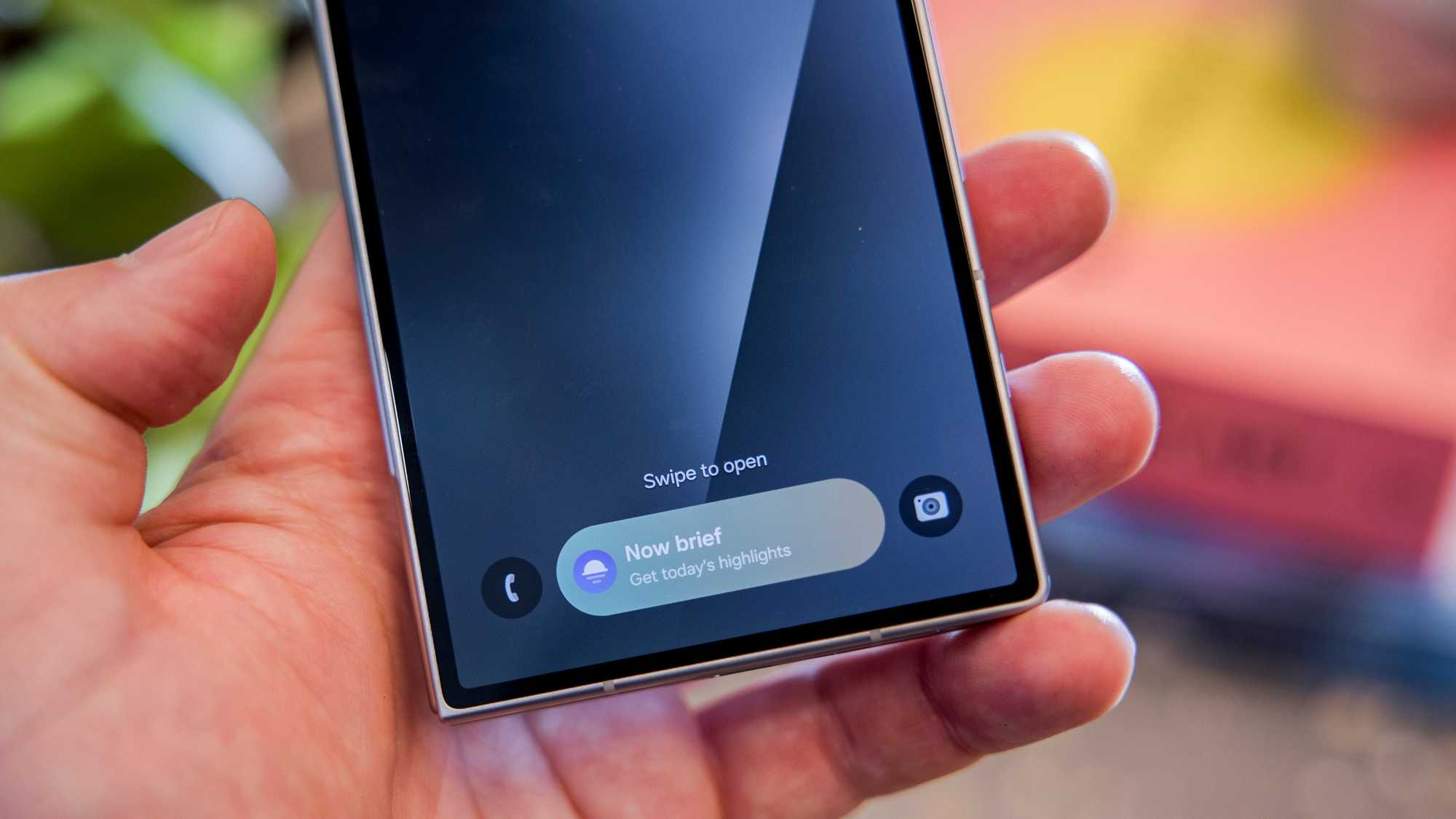
What’s interesting is that Samsung also may be implementing its own take on Apple’s Liquid Glass. There’s a soft, see-through look to certain widgets, which likely means that Samsung has learned from Apple’s mistakes wherein users felt that Liquid Glass made it difficult to read certain app names and menus, eventually leading the brand to add a slider for the effect.
That’s all we know about the upcoming Samsung Galaxy S27 range, but check back soon for new information.