Power to the people: how plug-in solar and Anker SOLIX are set to transform UK homes You Should Know
For decades, generating renewable energy at home has been reserved for a specific type of homeowner: those with the right sort of property, a south-facing roof, and a significant budget for installation. The patience to navigate complex planning permissions and grid-connection bureaucracy has always helped too. For the millions of Britons living in terraced housing, apartments, or rented accommodation, ‘going solar’ has been little more than a pipe dream.
Plug-in solar panels will become officially legal in the UK on 27 August 2026. This represents more than just a regulatory update; it signals a fundamental shift in how we can power our homes during the day. However, it doesn’t provide a way to harvest energy in the day and use it at night. That’s because the UK government hasn’t given guidance on the batteries, which are excluded under the current framework.
Anker SOLIX is continuing to work with policymakers, industry associations and standards bodies towards making storage as straightforward as plug-in solar is today.
Leading the charge: Anker SOLIX
As the UK market prepares for this new era, the brand best positioned to meet the demand is Anker SOLIX. With more than 15 years of experience in the consumer energy and charging sector, Anker has successfully bridged the gap between complex energy hardware and consumer-friendly technology.
For the last two years Anker SOLIX has been the world’s number one brand in plug-and-play solar battery storage, , according to Euromonitor International. This is the result of Anker’s relentless focus on creating a complete, cohesive ecosystem. Anker SOLIX provides a comprehensive suite comprising high-efficiency solar panels, intelligent battery storage and sophisticated energy management software.
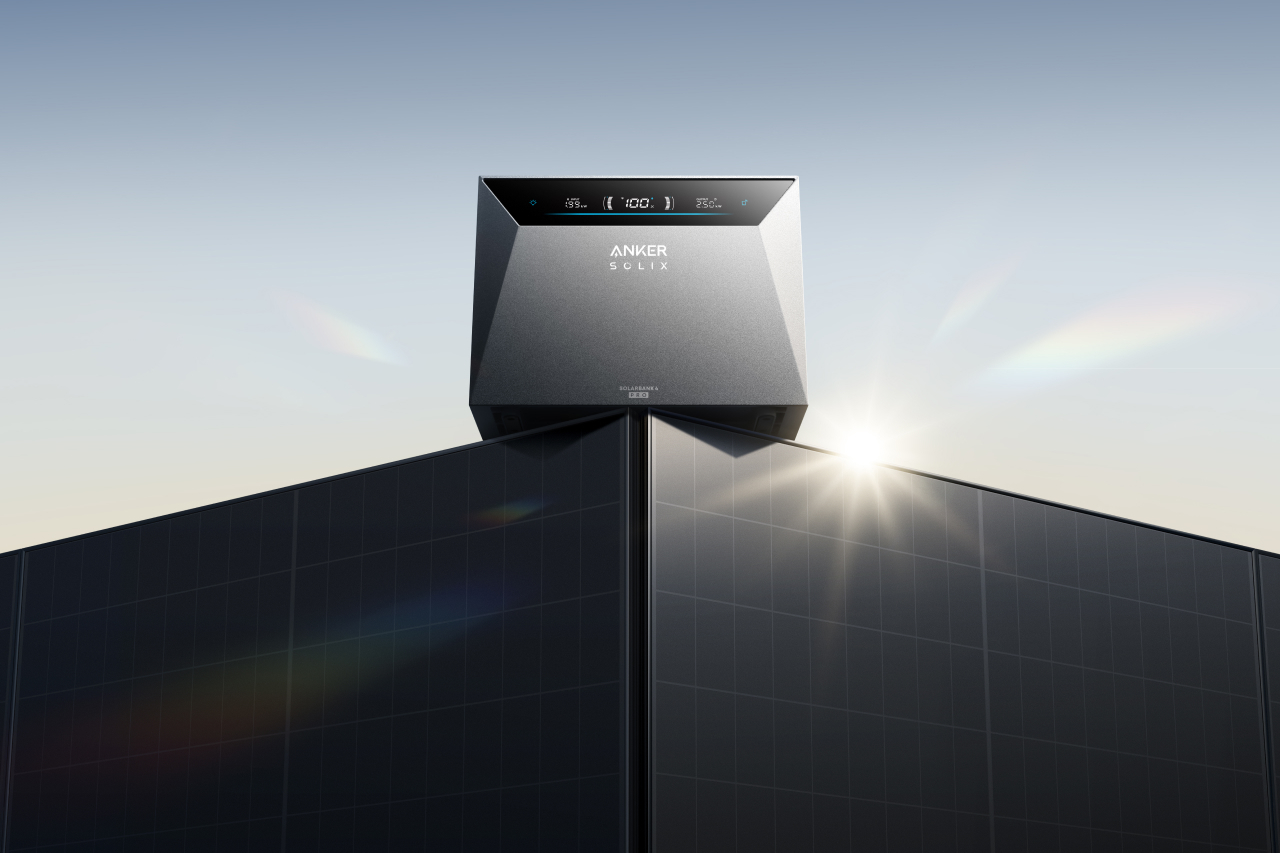
The standout in the latest generation is the Solarbank 4 Pro. This platform specifically addresses the ‘intermittency’ problem of solar energy: what to do when the sun isn’t shining. By integrating intelligent power management with battery storage, users can generate, store, monitor, and optimise the delivery of their own electricity in real time.

The Anker SOLIX Solarbank 4 E5000 Pro is an expandable home battery system that’s designed for plug-in installation. It’s capable of charging from up to 12 solar panels, and its base capacity of 5kWh means it has more than enough to power your home through the night. If you need more, connect expansion batteries for as much as 30kWh of storage. AC output of up to 2500W and a bi-directional inverter mean it has the juice to run power-hungry appliances without needing to dip into the grid.
Anker Intelligence, an AI-powered energy management platform that integrates with over 870 European energy supplies, automatically optimises charging and discharging to capture the lowest electricity prices without you having to lift a finger.
According to Anker SOLIX, a system like this can save you as much as £770 per year. on your electricity bills according to Carbon Brief, paying for itself within 5 years. With a 10,000 cycle endurance, it could still be working in 15 years’ time, making it an efficient investment for your home.
The movement toward legalising solar systems like this has been swift. Since the UK government first announced its intentions in March 2026, there has been a flurry of activity designed to clear the path for a commercial rollout. The government has launched comprehensive consultations on necessary updates to UK electrical safety regulations, which currently require these systems to be installed by professional electricians.
Perhaps most telling is the convening of roundtables with Britain’s retail heavyweights – a list that includes Amazon, Asda, B&Q, Currys, Screwfix, and Wickes. This engagement indicates that the government views plug-in solar not as a niche environmental initiative, but as a staple consumer good. When major retailers start preparing for shelf-space, it suggests a future where buying a solar panel is as straightforward as purchasing a new television or a smart appliance. Yet batteries are the part of the picture that still need to be included.
Democratising energy
The core appeal of plug-in solar lies in its simplicity. Unlike traditional rooftop arrays, which require electricians, professional roofers, and potentially weeks of planning and disruption, plug-in solar systems are designed to be accessible.
Lessons from the European market, particularly Germany, have been invaluable. Germany embraced this technology at scale years ago, proving that households can significantly offset their energy bills simply by plugging a panel into a standard electrical outlet. By removing the need for massive upfront capital – often thousands of pounds – and the structural barriers associated with traditional installations, the technology brings renewable energy within reach of millions more households.
The prospect of walking into your local DIY store, picking up a solar panel and battery unit, and having it running in your home within an hour is moving from the realm of the theoretical to something that’s in our near futures. With established, expert players like Anker SOLIX leading the way with intuitive, safe, and powerful ecosystems, the barriers to entry are finally being dismantled – but the regulation still needs more work in the UK.