iPhone 18 Pro review: Apple’s compact powerhouse impresses

At a glance
Expert’s Rating
Pros
- Colour-matched design
- Longer battery life and faster charging
- Variable aperture camera
- Smooth performance
Cons
- Price hike
- Siri AI requires ChatGPT for in-depth queries
Our Verdict
It’s a year of iterative upgrades for the iPhone 18 Pro, but that doesn’t mean it’s not a compelling package. This is a powerhouse performer that’s good at just about everything. But then again, so was last year’s iPhone 17 Pro, which you can probably pick up for far less. It’s the story of tech in 2026.
Price When Reviewed
This value will show the geolocated pricing text for product undefined
Best Pricing Today
Best Prices Today: Apple iPhone 18 Pro

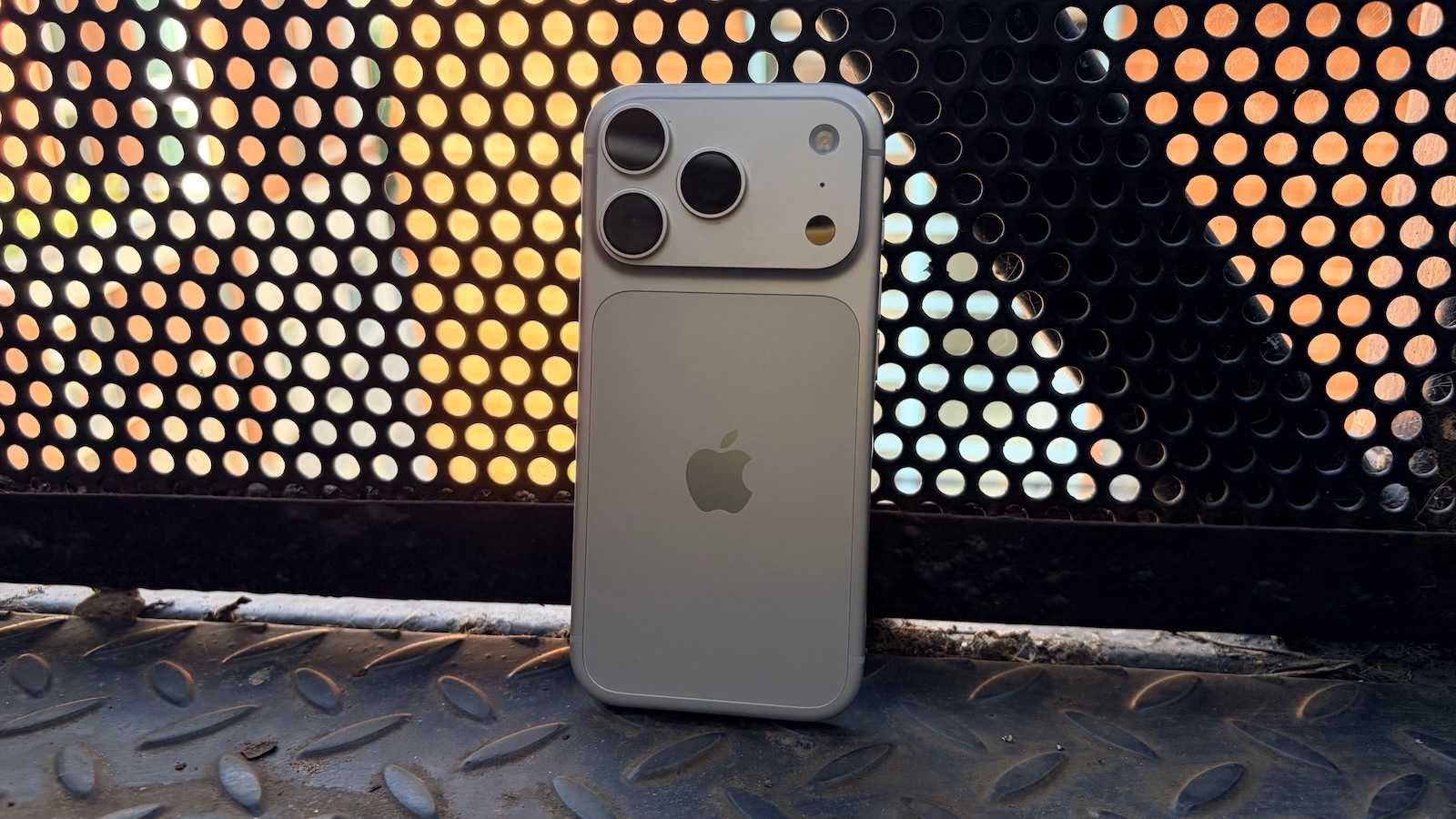
2025 was the year of the big iPhone Pro redesign, when the unibody aluminium frame and chunky camera plateau made their debut.
This year, little has changed in terms of the phone’s look. The key upgrades are under the hood – and many of these are incremental. The big new feature is the addition of variable aperture technology to the 48Mp main camera, plus some new photo editing settings.
On the display, you’ll see a more compact and useful Dynamic Island. Inside, there’s also a new A20 Pro chip, a bigger battery, slightly faster charging, and a larger vapour chamber, which should ensure seamless performance during highly demanding tasks such as gaming, AI use and 4K video recording.
But, like so many rivals across the phone market, the price of the iPhone 18 Pro (and Pro Max) has jumped by £100/$100 this year. Between that and the minor improvements across the board, we’ve felt that 2026 has been a year to save your money rather than upgrade.
But did testing the iPhone 18 Pro for two weeks change my mind? Here’s what I thought after using it.
Design & Build
- IP68 rating
- Very similar build to last year, except for a minor weight increase
- Closer colour-matching for glass back panels
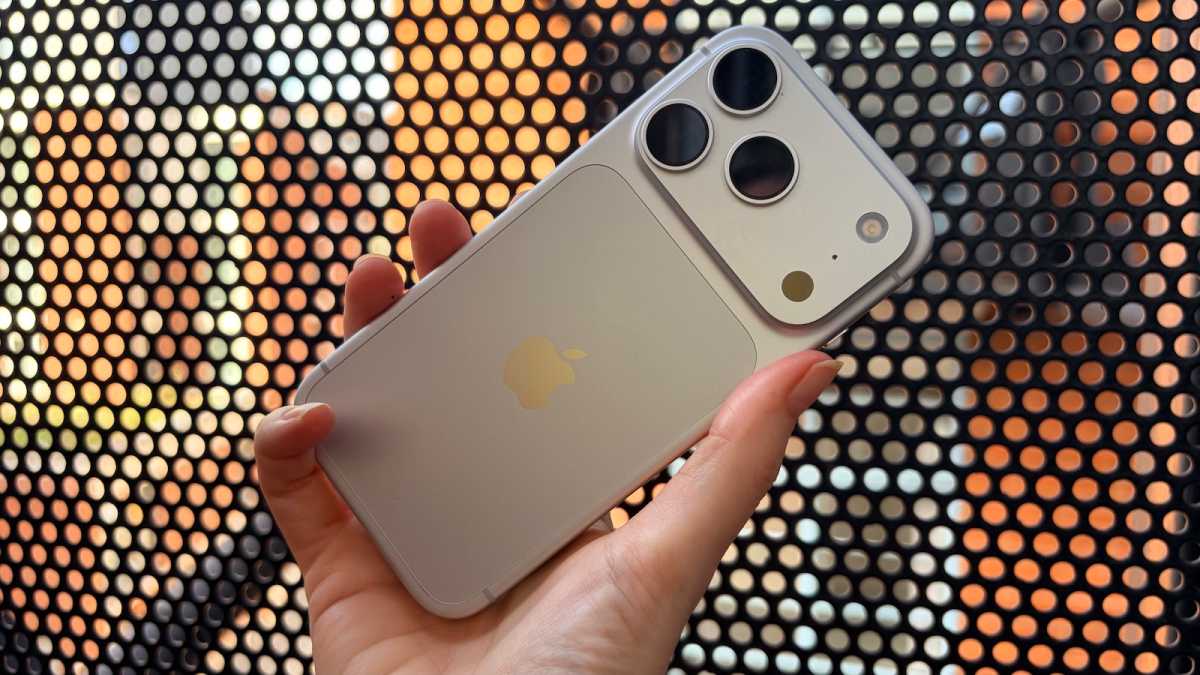
Apple has kept the iPhone Pro’s dimensions the same for three generations, so if you’ve picked one up in the last few years, or even handled a compact flagship such as the Pixel 11 Pro, you know what you’re getting. Most people will be able to use it comfortably with one hand.
Emma Rowley / Foundry
At 211g, it’s only 7g heavier than the Pixel 11 Pro or the iPhone 17 Pro (the slight increase in weight is apparently down to the improved vapour chamber), but I doubt anyone would notice. However, I was using the 177g iPhone 17 base model before this, and I felt the extra heft right away. But it only takes a day or so to get used to it.
None of the colours have the same instant, joyful appeal as last year’s Cosmic Orange
When the iPhone 17 Pro and Pro Max launched last year, it’s fair to say that the new design – with its jutting camera plateau and tonal back panel – was divisive. It was a notable move away from the sleek backs of past models. But we’ve had a year to get used to it now. I don’t think it’ll go down in history as one of Apple’s most acclaimed iPhone designs but when I unboxed it, I thought it looked nice enough.
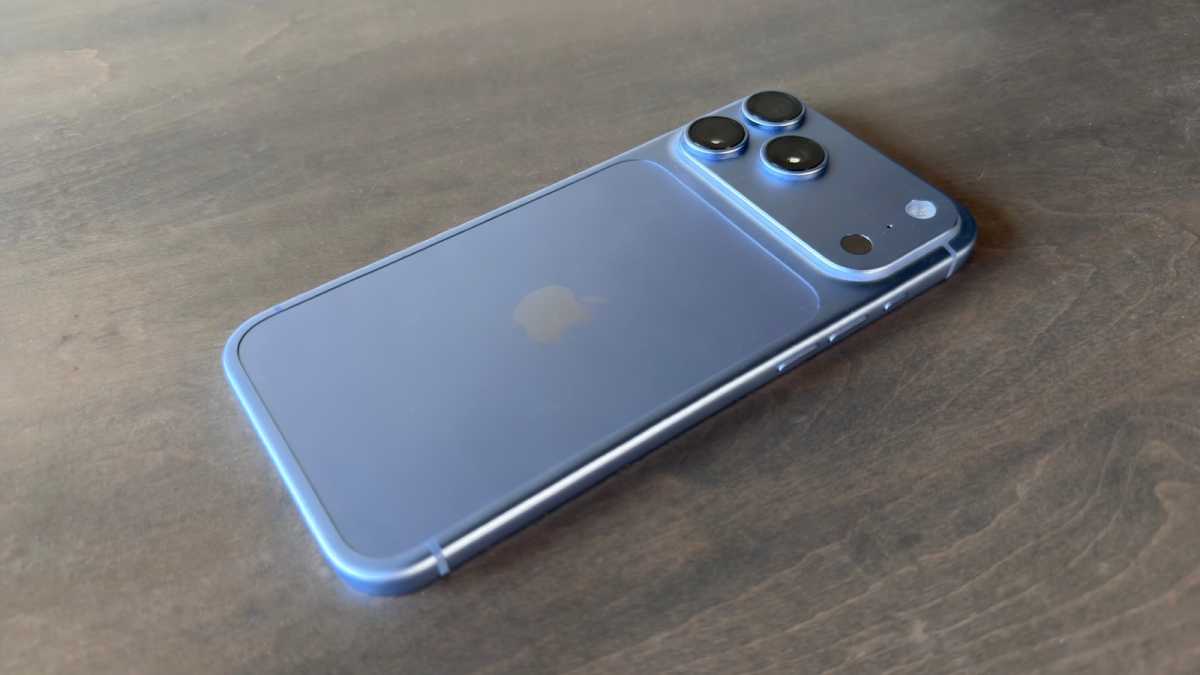
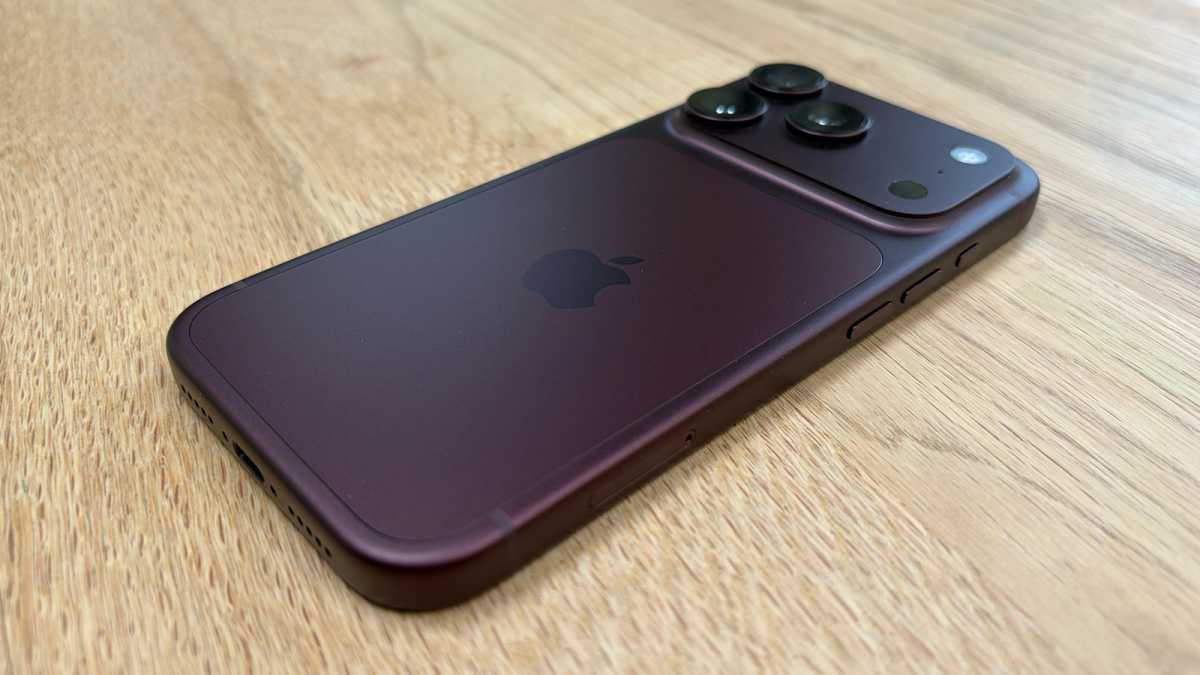
That’s partly down to the small tweaks Apple has made to the exterior this year. The glass back panel, which allows for wireless MagSafe charging, is now colour-matched to the aluminium frame, giving it a more cohesive look. I’m testing the phone in Silver, which is matt rather than shiny, and I think its corresponding back panel looks much smarter than last year’s white. This colourway is also very fingerprint-resistant.
It’s also available in Black, Glacier (an icy blue) and Burgundy. None of the colours have the same instant, joyful appeal as last year’s Cosmic Orange but they’re all pleasing in a tasteful way.
Roman Loyola / Foundry
What we don’t know is how well the colours will wear over time: last year some people noted that their Cosmic Orange model had turned pink in places (a reaction between the anodised aluminium and hydrogen peroxide from cleaning sprays was considered the likely culprit), while others felt that the aluminium frame scratched and scuffed more easily.
David Price / Foundry
I’ll update this review to discuss wear and tear when I’ve lived with the phone for longer.
Until then, what I can say is that I always used a screen protector until I had the iPhone 17, when I decided to take a chance on the much vaunted Ceramic Shield 2. After a year with no protection, the display was still pristine. The iPhone 18 Pro has the same Ceramic Shield 2 on front (and Ceramic Shield on the back), so I’d expect a similar performance.
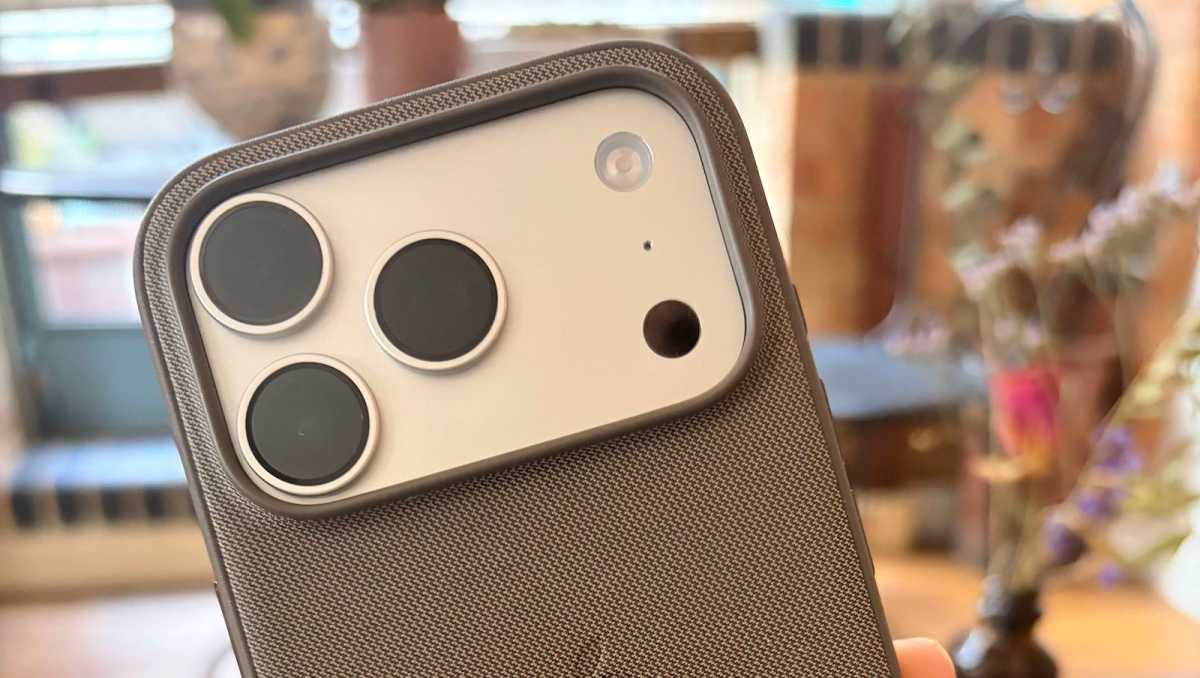
The only thing I’m not keen on is the look of the phone once it’s snapped into a protective case. The case fits around the projecting camera bump, giving it the appearance of a face peeking out, in a way that keeps reminding me of an Ewok or Spirited Away’s No-Face.
Emma Rowley / Foundry
In terms of physical buttons, the handy Action Button is still in place above the volume keys. I’ve set this up to give me quick access to Shazam, a smart light and Silent mode. I use it all the time and would really miss it on another phone.
On the right, beneath the power button, is the less-beloved Camera Control. As I’m a lefty, it’s in the wrong place for me to tap easily, but the consensus seems to be that it’s slightly awkwardly placed for most people anyway. I tend to forget it’s there.
The iPhone 18 Pro is IP68-rated, which means it’s safe from dust ingress and can survive a dunk in water. But try to keep it out of the sea. Salt water is corrosive and can damage any smartphone, whatever the rating.
Screen & Speakers
- 6.3-inch OLED panel
- Always-On Display (if you want)
- Stereo speakers
Very little has been updated this year where the display is concerned. That’s not a terrible thing, however, as it’s still one of the best around. The iPhone 18 Pro has a 6.3-inch OLED panel with excellent colour reproduction and what Apple calls ProMotion (and the rest of the world calls a 120Hz refresh rate), meaning that everything from aimless scrolling to gaming is smooth and stutter-free.
When it comes to watching films or TV shows, the display is a pleasure to use. By that, I mean you’ll be completely immersed and forget about it entirely. That’s the case wherever and however you’re watching, with consistent colours across viewing angles.
I wouldn’t recommend trying to enjoy a film outside, but with 1,000 nits of typical brightness and 3,000 nits peak brightness outdoors, I was able to read comfortably. However, direct sunlight still creates some distractions, in spite of the anti-reflective coating on the Ceramic Shield 2 glass.
Everything from aimless scrolling to gaming is smooth and stutter-free
The 18 Pro has an Always-On Display, which can drop to 1 nit in a dark room. If you find that your phone is still catching your eye too often, you can switch it off.
Emma Rowley / Foundry
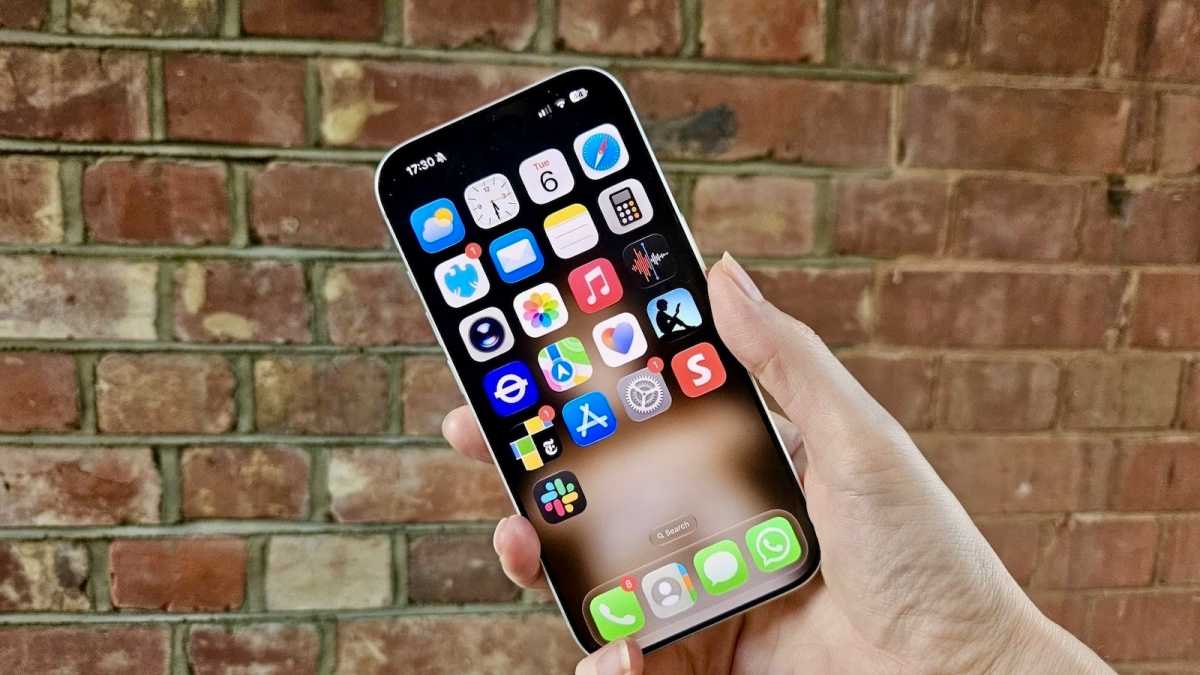
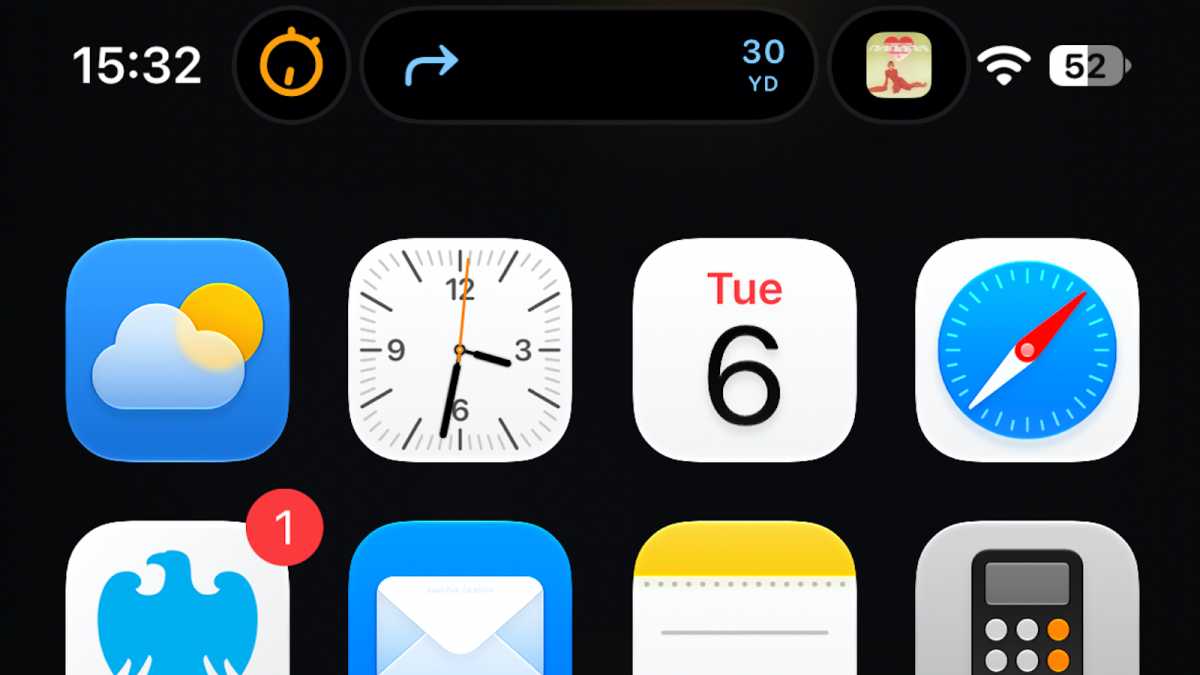
The one change to the screen that the eagle-eyed might spot is that Dynamic Island has shrunk by a third. Apple has shifted some of the Face ID infrared tech over to the left, so now you can see and access up to three apps, alerts or services at a time.
Dynamic Island is a brilliant feature but the extra space is only likely to be useful in some kind of mad edge case when you’re listening to music and using Maps live and running a timer all at once, while doing something else. If this a feature that many people need, I have questions.
Emma Rowley / Foundry
The iPhone 18 Pro has a stereo speaker set-up. The 18 Pro and Pro Max release got off to a rough start with some users reporting an irritating crackling over their speaker, which was serious enough to warrant returning their phone.
I can’t speak to that as the phone I’m testing is crackle-free. And, while the speakers obviously can’t compete with a dedicated Bluetooth model, they’re pretty good – more than good enough for phone calls, social media reels and clips and alerts. If you’re going to watch a movie, though, you’ll want to use headphones for sound that matches the screen’s immersion.
I’m not a haptics user in general, but feedback fans will enjoy them on the iPhone. They’re nicely judged enough that I missed them for a while when I switched them off again after testing.
Specs & Performance
- New A20 Pro chip
- 4 storage options, starting at 256GB
- 12GB RAM
The 18 Pro runs on Apple’s brand-new A20 Pro chip which is exclusive to the Pro models and the Duo. It has a 6-core CPU and, this year, a 7-core GPU (up from last year’s 6-core). What this means for users is faster, more reliable performance.
Until recently, I’d say that this is the sort of upgrade that most people would be unlikely to notice in day-to-day life, apart from serious gamers and people who use their phones professionally, such as content creators who may need to edit RAW video.
The iPhone 18 Pro remained similarly cool while fast charging and video streaming for long periods
However, that was before AI. Now, plenty of people use their phones for AI tasks and Apple keeps as many of these on the phone as possible for privacy reasons, which uses a lot of onboard processing power, although some tasks are handled off the phone – I’ll come back to this.
I’m not a power user but I fired up some demanding games, including the phone reviewer’s stalwart Genshin Impact. Not only did the iPhone 18 Pro handle it effortlessly, but it hardly warmed up at all. It remained similarly cool while fast charging and video streaming for long periods, which seems to attest to the efficacy of the new vapour chamber.
It did get warmer when I was running the stress test benchmark – but I ran it twice, back-to-back, and it still wasn’t worryingly hot.
Apple doesn’t publicise it, but the iPhone 18 Pro is thought to have 12GB of RAM, which is fairly standard for high-end phones. You can choose from four storage tiers: 256GB, 512GB, 1TB and 2TB. Like last year, there’s no 128GB option available.
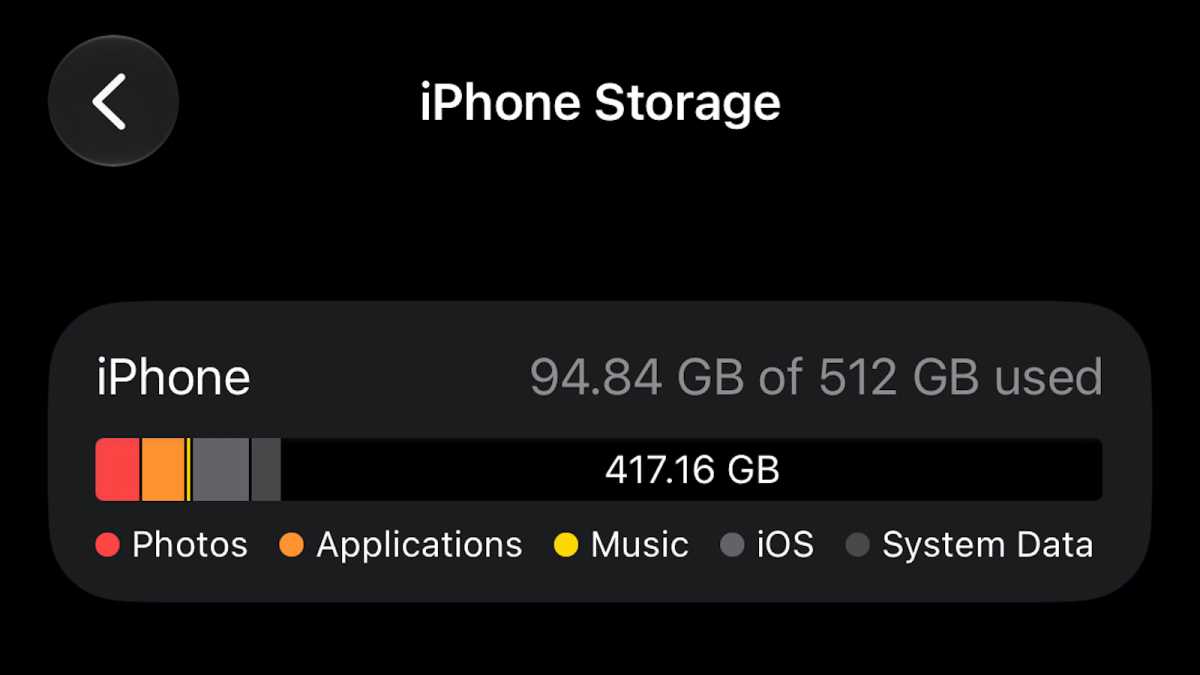
If you’re not sure which to go for, the model I’m testing has 512GB of space. With over 6,000 photos and videos, and 87 apps, I’ve used less than a fifth of the available storage.
Emma Rowley / Foundry
iPhone 18 Pro benchmarks
- Geekbench 6 multi-core: 11523 (iPhone 17 Pro score: 8663)
- 3DMark Wild Life Extreme: 7957
- 3DMark Wild Life Extreme Frame Rate: 47.6 FPS
- 3DMark Wild Life Extreme Stress Test: 60.3%
- Charge in 15 minutes: 44%
- Charge in 30 minutes: 77% (iPhone 17 Pro: 71%)
Cameras
- Usual set of three rear cameras
- New mechanical variable aperture technology
- New Soft Skin setting
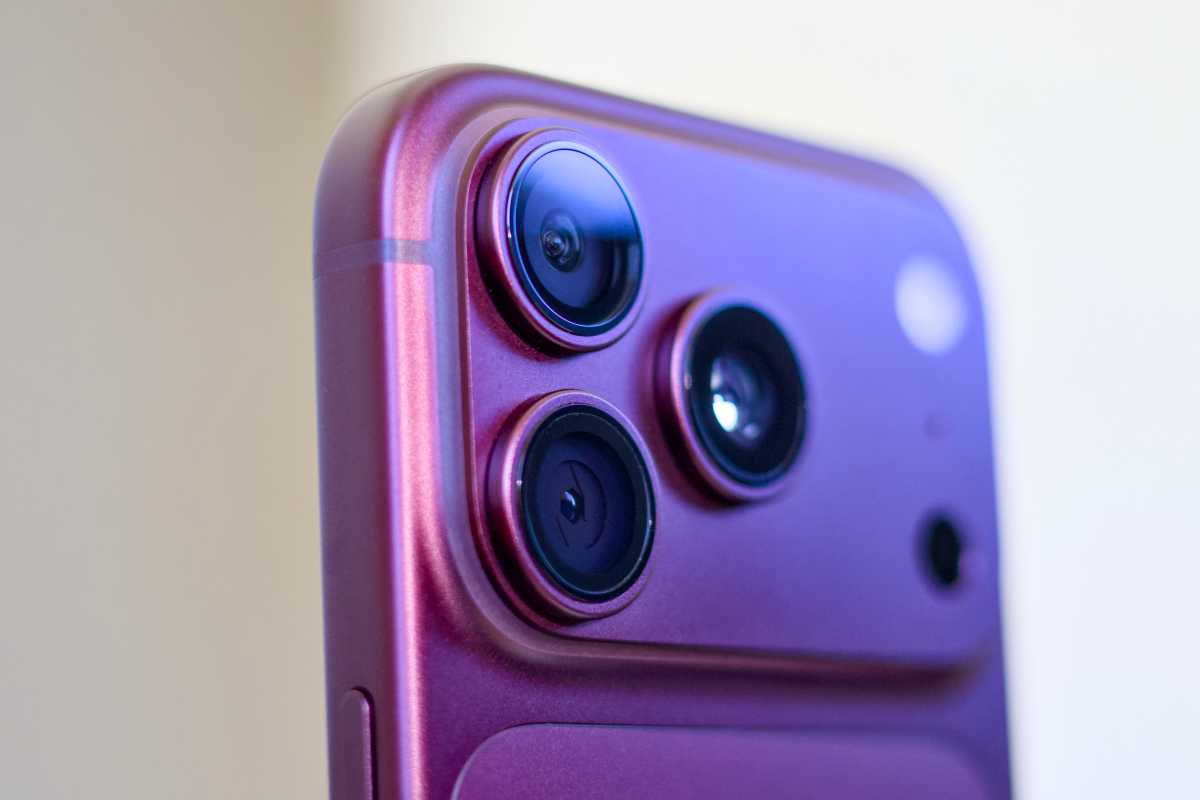
The 18 Pro and Pro Max have the best camera array that Apple offers. The rear cameras include a 48Mp main sensor, a 48Mp ultra-wide and a 48Mp telephoto lens. There’s also an 18Mp selfie camera, with Center Stage technology, which frames the shot for you.
Foundry
Okay, it’s no match for a camera phone such as the Oppo Find X9 Ultra, which is specifically targeted at enthusiasts, rather than people who need a camera phone for work. But what the iPhone 18 Pro cameras have going for them is quality, consistency and ease of use.
You can point your phone at anything from a flower (macro photography will kick in), to a mountain in the distance (tap on the screen for the zoom), or take photos at night – and almost every picture will come out well.


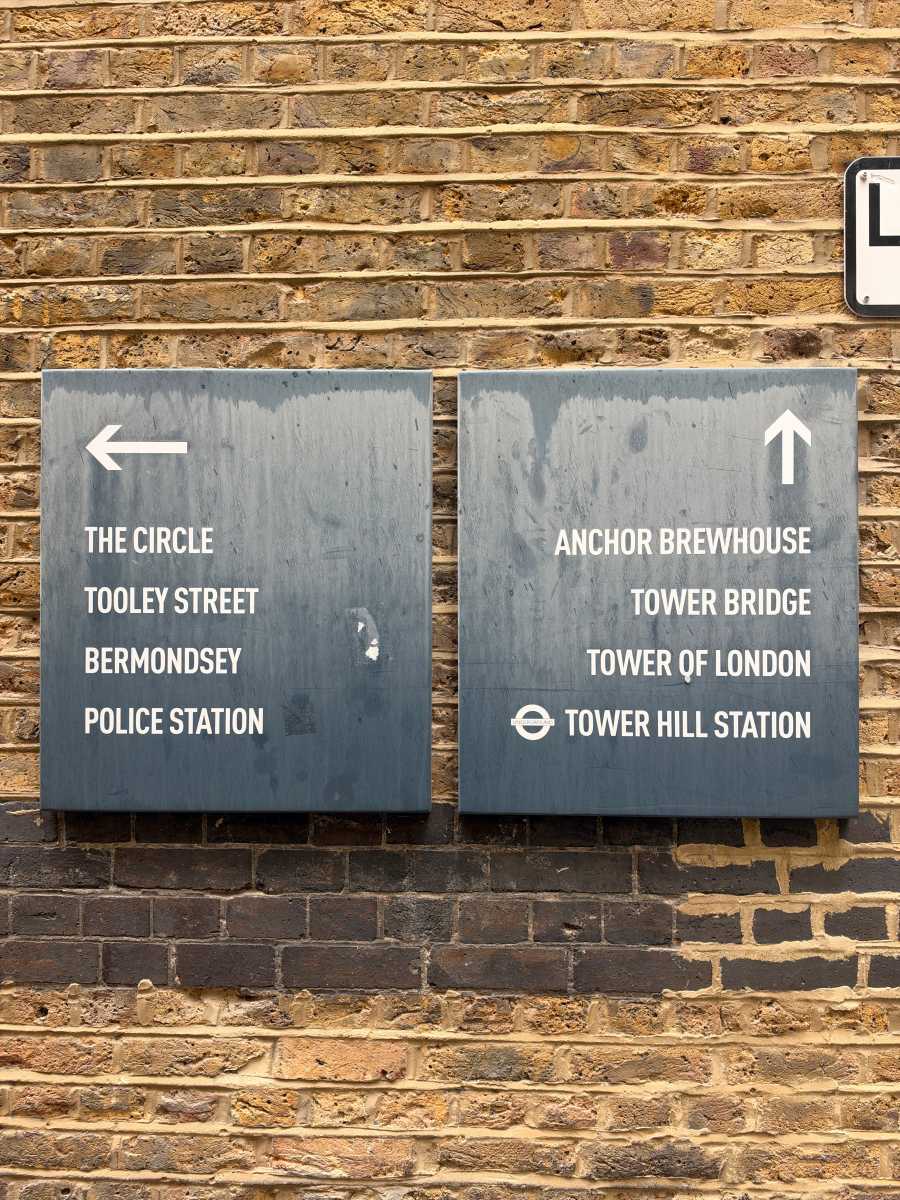

Coming from the iPhone 17, which lacks a telephoto lens, the high-quality zoom is the first thing that stands out to me. As you can see in the pictures below, image quality remains clear in 2x, 4x and 8x zoom (a 200mm equivalent focal length).
This makes the 18 Pro a good option for gig-goers who want to capture images of a distant festival stage or tourists who want to snap far-off scenery.




What’s new this year is the main camera’s mechanical variable aperture technology. It works automatically to adapt to depth of field and the amount of light allowed in. Additionally, hobbyist photographers have the option of manually choosing any of the four aperture settings in the Camera app.
I was most impressed by the capabilities of the main lens in low-light conditions
There are also new photographic styles, which give users many more options for editing images, including a Soft Skin setting that lets you choose between naturalistic and flattering skin texture.
As a point-and-shoot camera user, I was most impressed by the capabilities of the main lens in low-light conditions.
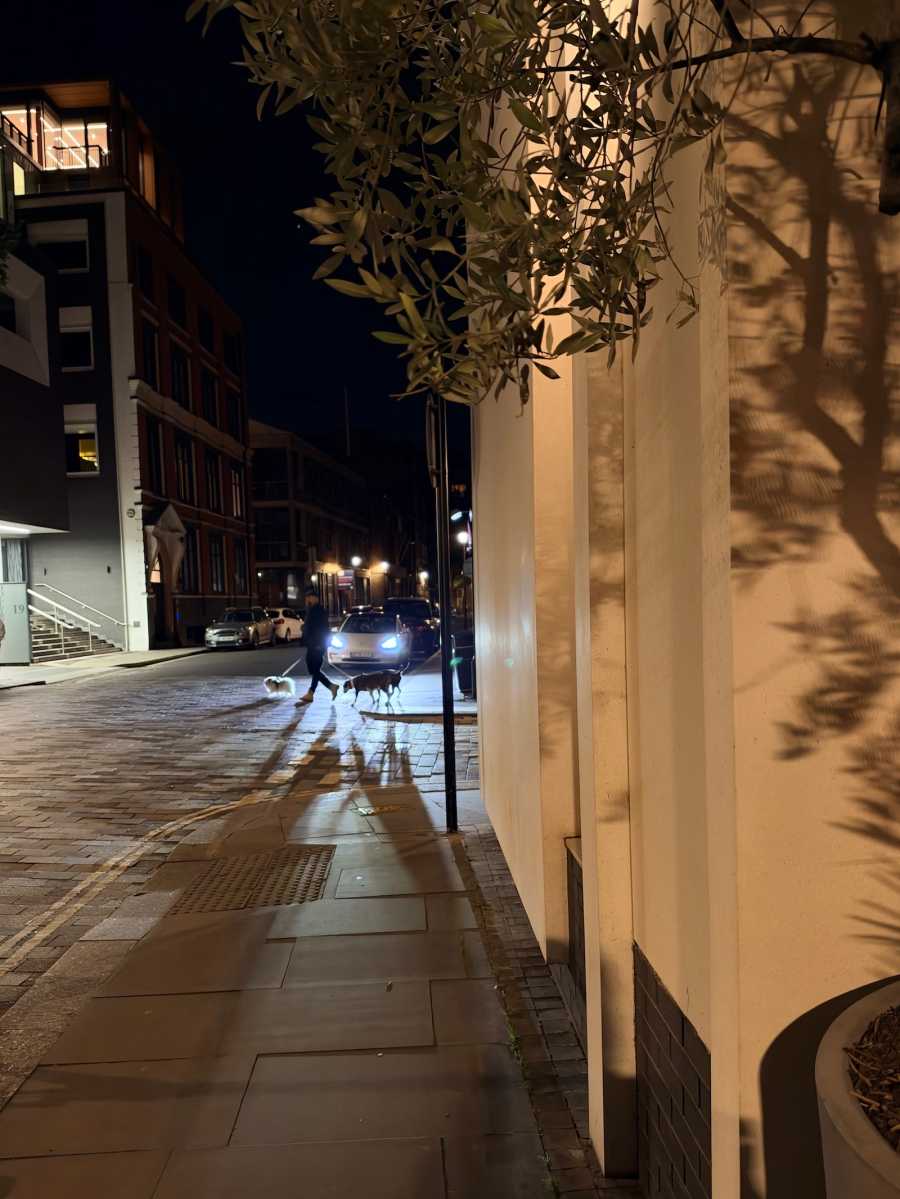



The results are really quite impressive. Earlier iPhone cameras struggled in low light, failing to retain the contrast of scenes and blowing out dark areas in the image. But the iPhone 18 Pro’s photos are rich with detail and colour, not graininess, while retaining the darkness of shadow and sky.
There’s one more thing to mention about the main camera on the iPhone 18 Pro. It’s one of two iPhones, along with the iPhone 18 Pro Max, which supports Apple Reference Image. You’ll need to set this feature up, but when you do, you can use it to verify that an image is genuine and not AI- generated or AI-edited.
When it comes to 4K video, the iPhone 18 Pro is top tier, offering a host of features, including cinematic mode and improved low-light recording. It also has the power and storage capacity to make video editing as painless as possible.
Battery life & Charging
- 34 hours of video playback
- 44% charge in 15 minutes in our test
Battery life has improved year-on-year, at a claimed 34 hours of video playback, up from 31 hours on the iPhone 17 Pro, which is an impressive bump. I use my phone for work throughout the day – Slack, email and web browsing – then tend to do some scrolling in the evening.
With previous phones, I’ve felt the need for at least a little top-up before bed, but the battery life is so good and charging is so fast on the 18 Pro that I don’t have a regular charging schedule any more. It easily lasts a day and then some. I just plug it in for a few minutes when I notice that it’s low.
When it comes to charging, Apple says that it can reach 50% in around 15 minutes, with a 60W charger. In my test, with a (well-used) high-speed charger, the iPhone 18 Pro achieved 44% in 15 minutes and was at a comfortable 77% in half an hour.
It means that even if your battery is drained, you can plug your phone in while you’re getting ready to go out and get a day’s use by the time you leave. Bear in mind that if you use a MagSafe (or a 35W) charger, it’ll be slower. It’ll take you at least 30 minutes to recharge your battery halfway.
Software & Apps
- Runs on iOS 27
- New Siri AI
The iPhone 18 Pro runs on iOS 27 out of the box, although at the time of writing iOS 27.0.1 is already available as an update. All phones from iPhone 11 and newer can get iOS 27, although Apple Intelligence features are limited to iPhone 15 Pro models and onwards.
it only complained, “I don’t know where you are” and we couldn’t get any further along
Last year’s iOS 26 introduced the Liquid Glass redesign; this year’s iOS 27 rolls it back somewhat with the option of a new slider that lets you control the glassiness of the interface. My favourite new feature, however, is the independent volume control for ringtones, alarms and notifications, which you can also adjust with sliders.
But the big update involves Siri AI, which now has agentic abilities. My experiences with it have been mixed. It somewhat successfully sent a WhatsApp message for me, although my husband Jez didn’t appreciate being addressed as Jess.
It displayed my appointments on my home screen when I asked what I had on the next day, although I could easily have done that by tapping on my calendar. But when I asked the location of a popular restaurant in London, it only complained, “I don’t know where you are” and we couldn’t get any further along.
A later misunderstanding about appointment details led to Siri saying it could use ChatGPT to answer my question, but that meant agreeing to OpenAI terms of use – and I don’t want to do that. My understanding before using the new chatbot was that Apple sent the more complex AI queries that needed to be handled externally to Private Cloud Compute, so this was unexpected.
I get the impression that if I were willing to work at it, I could get more from Siri, but it’s not convenient or accurate enough to make me want to do that.
Unlike Android brands, Apple doesn’t specify how many years of updates its phones will receive but historically it’s top tier, alongside Samsung and Google flagships, providing around seven years of updates. You can expect a host of new features each year as well. This does go some way to justifying its high cost.
Price & Availability
Apple warned us that prices would rise, and they did: the iPhone 18 Pro had a £100/$100 price hike from the launch price of the iPhone 17 Pro last year. It comes in four storage options:
- £1,199/$1,199 – 256GB
- £1,399/$1,399 – 512GB
- £1,799/$1,799 – 1TB
- £2,399/$2,399 – 2TB
It’s available from a number of retailers, including Apple, Amazon, Currys – as well as your preferred network, including Vodafone and EE.
In the US, you can buy it from stockists including Apple and Best Buy.
As you can currently buy the iPhone 17 Pro from £999 in the UK, from retailers including Currys and Argos (I haven’t seen such a good offer in the US), that’s a pretty solid saving if you’re looking to update to a new flagship but aren’t set on the very latest one.
And if you’re looking for a very good recent iPhone and can make a few minor compromises, you can save even more by opting for the excellent iPhone 17.
Should you buy the iPhone 18 Pro?
I’ve really enjoyed using the iPhone 18 Pro. It’s forgettable in the best way possible, in that everything about it – from its display to its software to its design – is so polished and seamless that you hardly notice you’re using it. It really earns its Pro name.
However, although it’s an excellent phone, if you don’t need to upgrade this year, I’d advise you to hang on. It’s believed that Apple will be redesigning the iPhone Pro and Pro Max completely for 2027, to celebrate the iPhone’s twentieth anniversary (though they could be even more expensive). Meanwhile, this really is an iterative update, and an expensive one to boot.
Keen photographers might want to go for the 18 Pro for the variable aperture technology and additional photo editing options that round out its camera capabilities, but there aren’t many tangible benefits over the iPhone 17 Pro for everyone else.
If you’re not a content creator or power user, you’re unlikely to notice the benefit of a new chip or larger vapour chamber. Faster charging is a plus, but those few extra minutes saved are unlikely to be life-changing either.
We’ve been saying it over and over: unless money is no object at all, 2026 is not the year to invest in a new flagship phone. And the iPhone 18 Pro, brilliant as it is, doesn’t change that advice.
To see how the iPhone 18 Pro fares against the competition, see our top recommendations in our round-up of the best phones we’ve tested.
Specs
- iOS 27
- 6.3-inch, 1-120Hz LTPO AMOLED display
- IP68 water and dust resistance
- Ceramic Shield back
- Ceramic Shield 2 front
- 211g
- Apple A20 Pro
- 12GB RAM
- 256GB/512GB/1TB/2TB storage
- Up to 34 hours of video playback
- 48Mp main camera with a variable aperture from ƒ/1.48 to ƒ/4.0 (24mm, sensor-shift OIS)
- 48Mp ultrawide camera (13mm, 120° field of view, ƒ/2.2)
- 48Mp telephoto camera (100mm, tetraprism, up to 8x optical-quality zoom, ƒ/2.8)
- 18Mp Center Stage camera (ƒ/1.9 aperture, autofocus with Focus Pixels, Retina Flash, and ultra-stabilised video)