What to Know About xiaomi’s EV and AI business posts second straight quarterly loss

- Xiaomi’s new initiatives, which include EV and AI, posted a loss from operations of 2.6 billion yuan ($383 million) in the second quarter.
- The segment’s gross margin fell to 19.2% from 26.4% a year earlier.
Xiaomi‘s (HKEX: 1810) electric vehicle (EV), AI and other new initiatives remained in the red in the second quarter, even as deliveries kept growing at a double-digit pace.
The segment’s loss from operations was 2.6 billion yuan ($383 million) in the second quarter, according to earnings released by Xiaomi on Tuesday.
It was the second straight quarterly loss for the business, although the shortfall narrowed from 3.1 billion yuan in the first quarter.
That contrasts with the performance in 2025. Xiaomi’s new initiatives turned a quarterly profit for the first time in the third quarter of 2025 and posted their first annual operating profit for the full year of 2025.
Revenue at the segment was 24.9 billion yuan in the second quarter, up 17.1% year-on-year and 25.3% from the previous quarter.
EV revenue was 23.9 billion yuan, up 15.9% year-on-year, while revenue from other related businesses was 1 billion yuan, up 56.5%, including AI revenue generated by the Xiaomi MiMo large language model series.
The pressure on profitability came mainly from the gross margin. The segment’s gross margin fell to 19.2% from 26.4% a year earlier, and was also below the 20.1% in the first quarter.
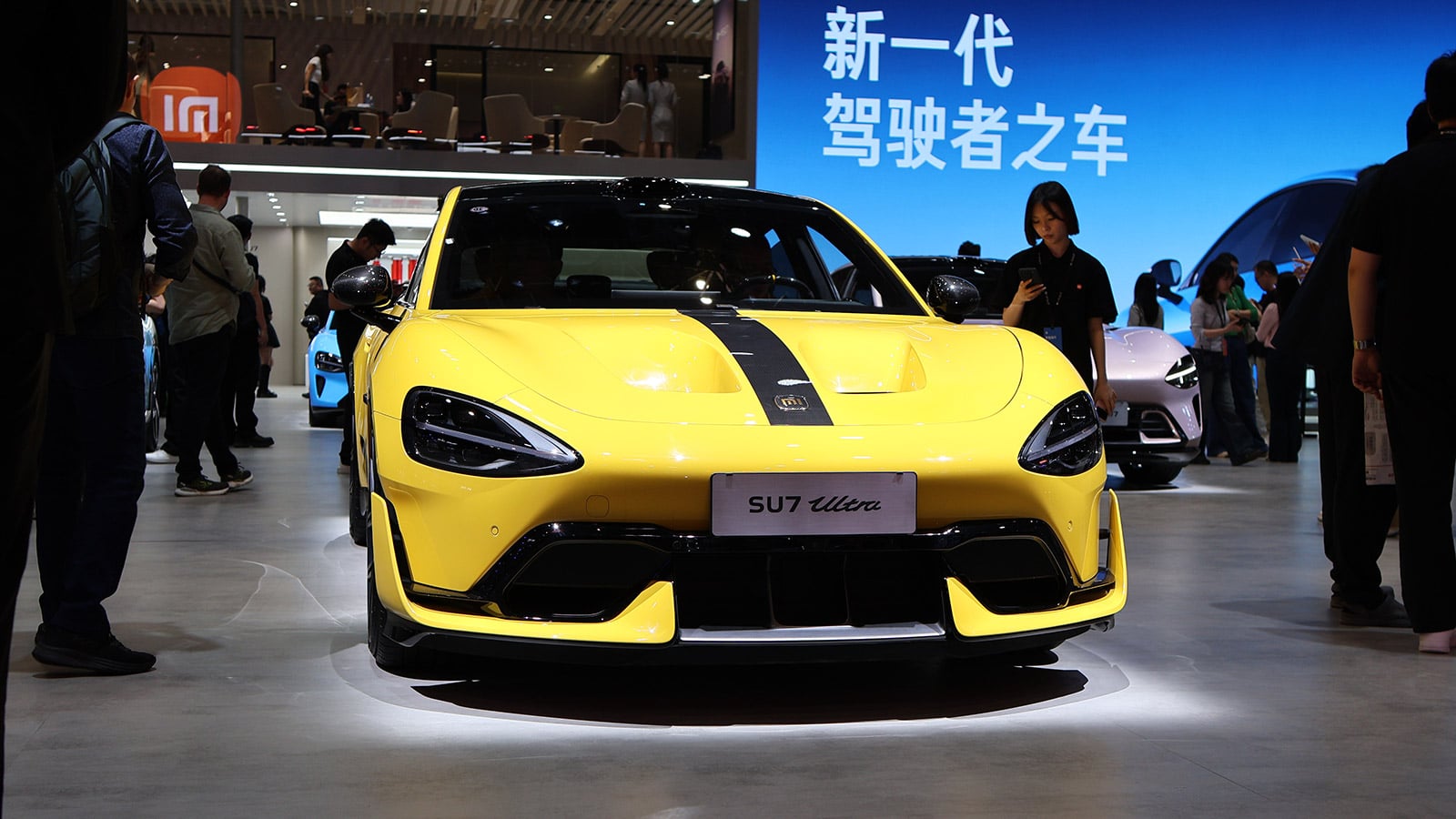
Xiaomi attributed the year-on-year decline to a lower share of Xiaomi SU7 Ultra deliveries, higher prices for core components, and increased costs related to the AI business.
Spending rose at the same time. Operating expenses at the new initiatives segment climbed to 7.4 billion yuan from 5.9 billion yuan a year earlier, up 25.7%.
Group research and development spending rose 18.9% to 9.2 billion yuan, driven mainly by the new initiatives, especially investment in AI infrastructure.
Capital expenditure was about 3.6 billion yuan in the quarter, of which 2.4 billion yuan went to the new initiatives segment.
Deliveries remained a bright spot. Xiaomi delivered 104,199 vehicles in the second quarter, up 28.2% year-on-year, while retail sales of passenger vehicles in China fell 22% over the same period.
2024
2025
2026
The average selling price was 229,312 yuan per vehicle, down 9.6% year-on-year and 2.5% from the previous quarter, reflecting a smaller share of the higher-priced Xiaomi SU7 Ultra.
As of August 17, cumulative deliveries of the Xiaomi SU7 series exceeded 500,000 units. In the first half of 2026, the series ranked first in sales among pure electric sedans priced above 200,000 yuan in the Chinese mainland, Xiaomi said.
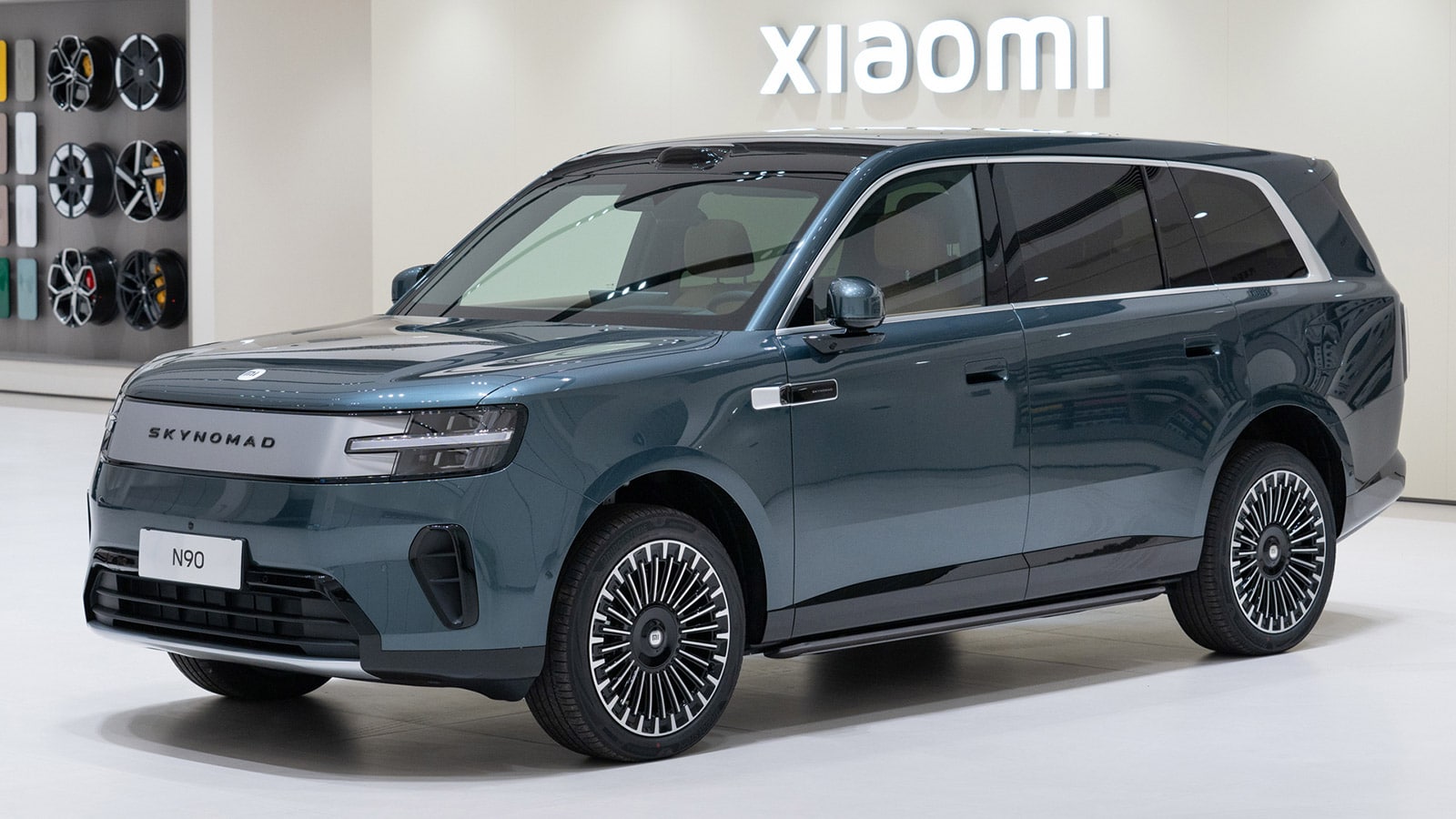
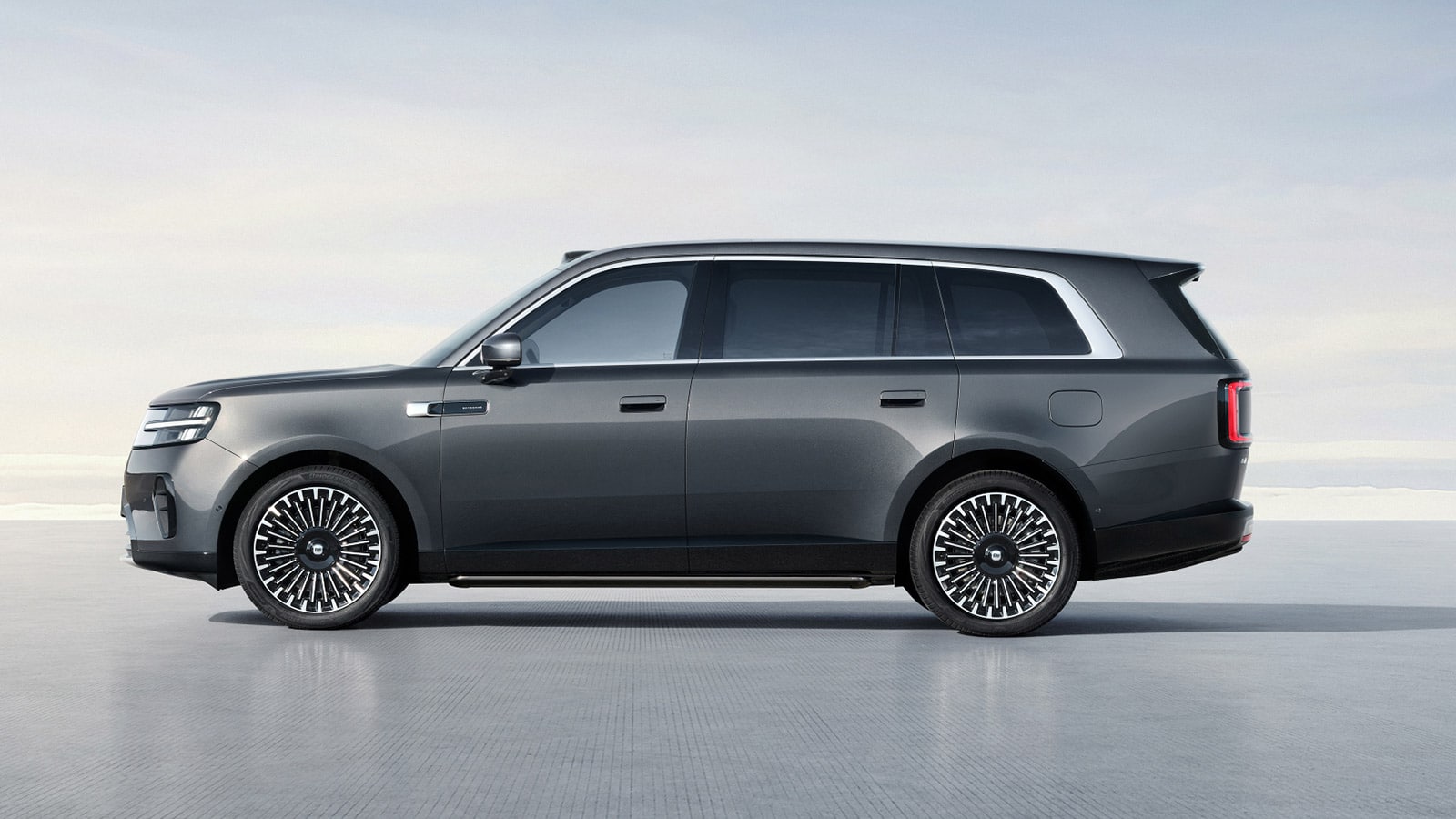
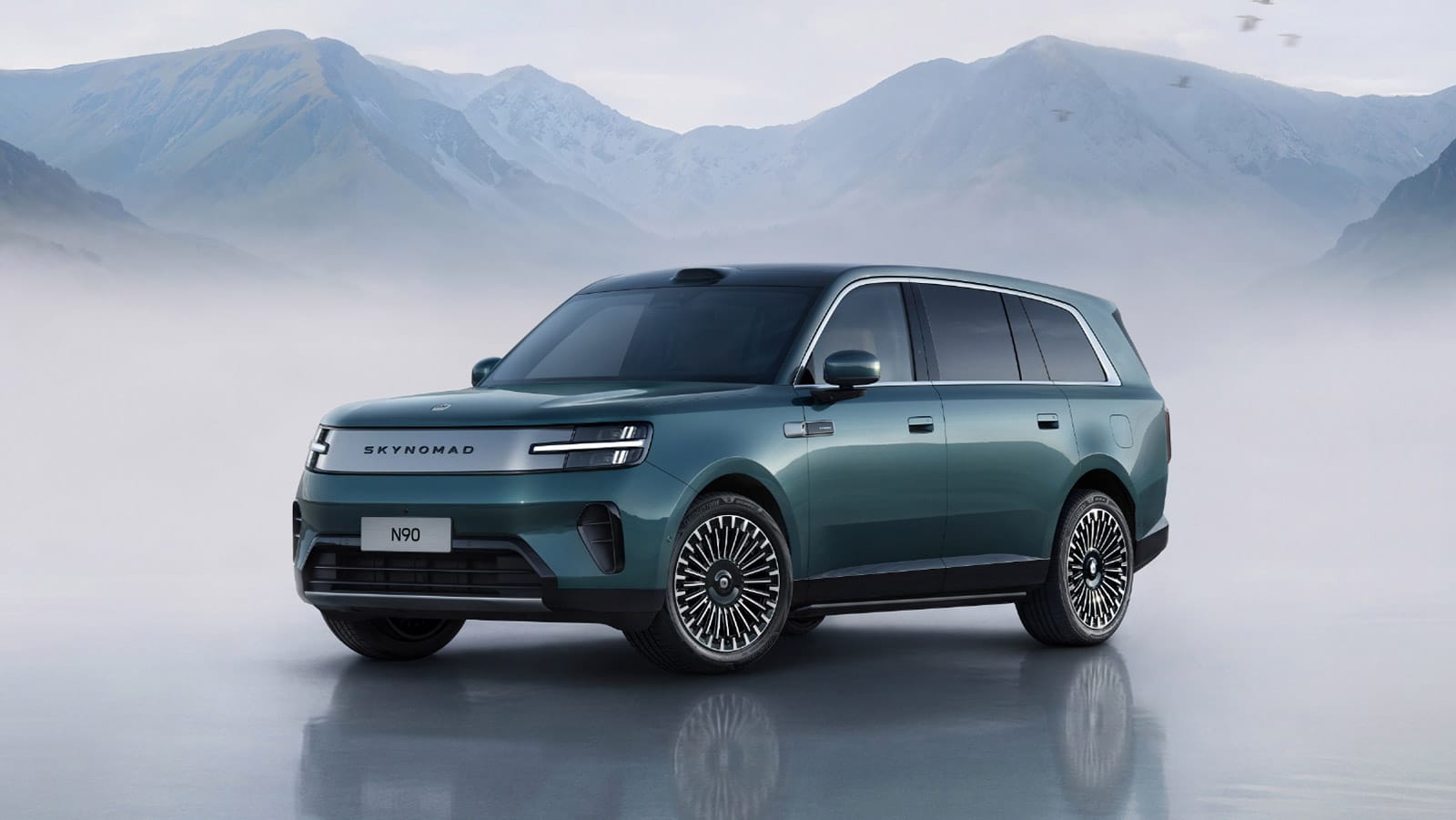
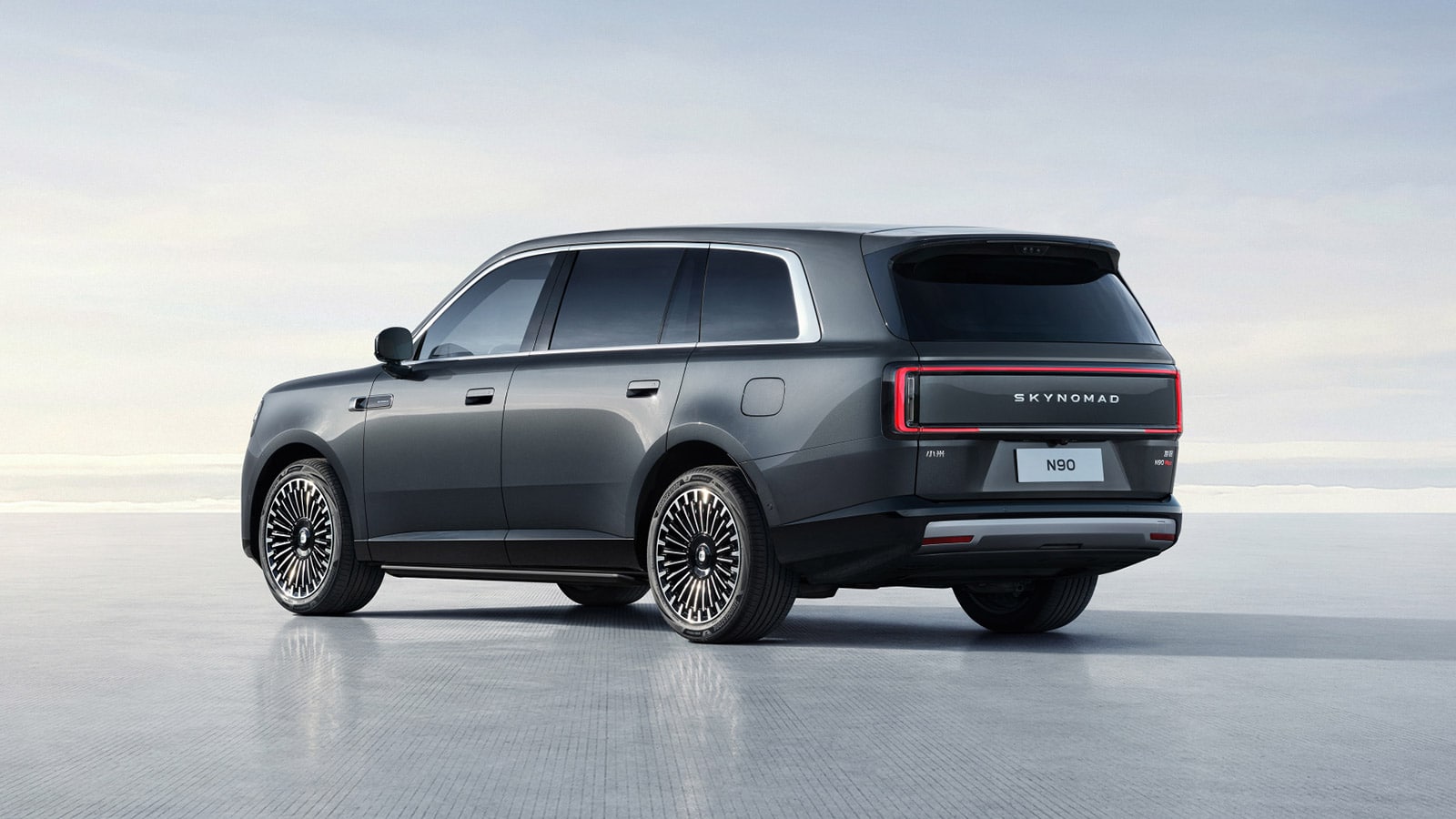
Xiaomi is also broadening its product lineup to support the next stage of growth. In July, the company unveiled the Xiaomi Kunlun Technical Architecture and unveiled its first extended-range SUV series, the Xiaomi Sky Nomad series, with a CLTC combined range of up to 1,705 kilometers.
Pre-sales prices for the Xiaomi Sky Nomad N90 Max and N70 Max are 299,900 yuan and 259,900 yuan, respectively, with the launch expected in September.
Near-term momentum has slowed, however. Xiaomi delivered 31,267 vehicles in July, up just 2.68% year-on-year and down 9.99% from the previous month. Deliveries in the January-July period totaled 216,322 units, up 14.83% year-on-year, according to data compiled by CnEVPost.
That means Xiaomi needs to deliver an average of about 66,700 vehicles a month over the remaining 5 months to meet its full-year target of 550,000 units for 2026.

($1 = 6.7905 yuan)